
Letters: Third party alternative?; Concerning precedent at Penn
Third party alternative?
Many politically disenchanted citizens may have been former conservative Republican voters. The economic domination of neoliberal economic policies has let all but the elite down, there has been no progress since the 1970s for the average worker. The Republican Party is now a party supporting a cult leader, Trump. If Trump wins, all of our democracy will be destroyed, along with your rights and freedoms, replaced by the whims and revenge of Trump. The best alternative now is to vote for democracy, which will likely mean voting for Democrats.
There is an alternative. If conservative leaders are willing to resist Trumpism and form a Conservative Republican Party and run as a third party, they could be a spoiler for Trump as well as forming the nexus for the reestablishment of a party that strongly supports democracy, conservative values and the rule of law. At this point Chris Christie is the only clear opposition to Trump running for the presidency. He must be talked into running in a third party candidacy.
Around America, like minded conservatives should consider doing the same, running in a third party. Notables like Mitt Romney and Liz Cheney and others who clearly stood up for conservatism and rejected the cult of Trump should be encouraged to run. They may well not win, but they may stop the tragedy of Trump from coming to pass. I encourage all conservative voters to call on all these leaders to run, and perhaps run on their own.
Concerning precedent at Penn
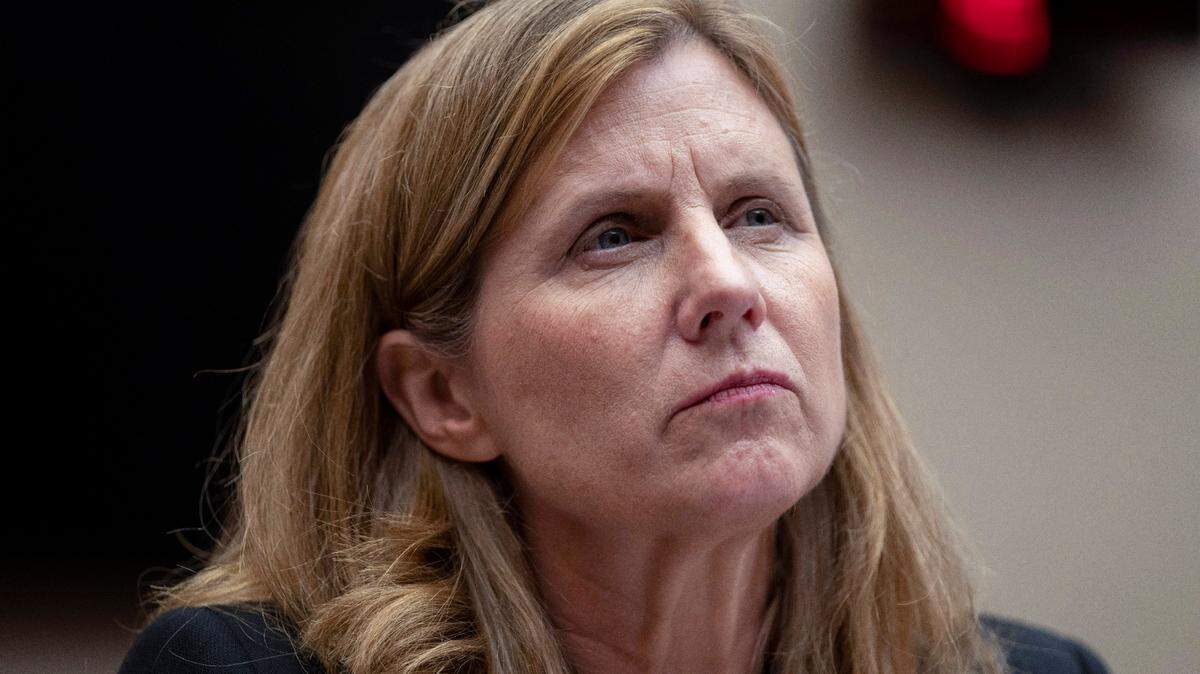
I am writing in response to the recent resignation of Liz Magill from her position as the president of the University of Pennsylvania. This resignation, spurred by allegations of her Congressional testimony being antisemitic, is a hasty conclusion to a tenure that has otherwise been marked by progressive leadership and a commitment to diversity.
It is crucial in a democratic society to allow room for dialogue and explanation, rather than rushing to judgment. President Magill deserved an opportunity to clarify her statements and engage in a constructive conversation about the concerns raised.
The abrupt nature of her resignation in light of this controversy sets a concerning precedent. It suggests that public figures are not afforded the chance to learn from their mistakes or to grow from constructive criticism. Such an environment stifles honest discourse and can lead to a culture of fear and self-censorship among leaders.
The University of Pennsylvania, as an institution of higher learning, should be at the forefront of promoting open dialogue and understanding. The resignation of President Magill in these circumstances undermines these values. It is a loss not only to the university but also to the principles of academic freedom and the pursuit of knowledge.