
Letters: WHYY/WPSU partnership advancing; Clearfield County must end contract with ICE
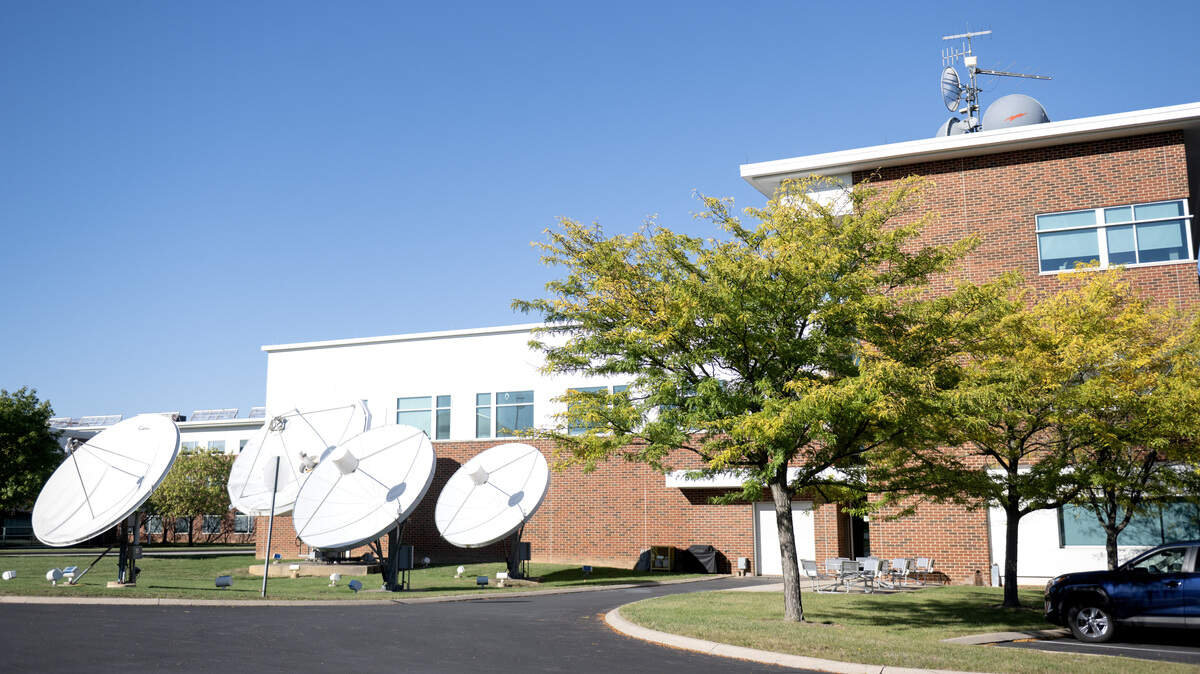
WHYY/WPSU partnership advancing
As a member of a group working to preserve public media for our region, I want to address some concerns about the proposed partnership that would result in WHYY in Philadelphia acquiring our local WPSU stations.
The planned transfer of the WPSU broadcast license to WHYY, brought on by Penn State’s decision to no longer financially support the public media stations, is still happening. Pending the completion of the asset transfer and transitional services agreements, the broadcast license transfer requests of the FCC will be filed. Successful outcomes to all of these steps will trigger final closing of the acquisition.
WHYY has the scale, expertise and financial infrastructure to strengthen WPSU while preserving its public service mission. The long-term vision for WPSU under WHYY is to build a financially sustainable, locally responsive, free public media service.
Members, and potential members, can support WPSU by continuing (or starting) their membership and financial support. Sustained local support remains critical during the transition.
All contributions to WPSU stay with WPSU. Neither Penn State nor WHYY receive any portion of contributions designated for WPSU. Those will continue to support WPSU’s programming, operations, and local service.
Also, existing WPSU endowments or restricted gifts will continue to be used in accordance with donor intent for WPSU.
This partnership has the potential to return tremendous benefits to our region as it strives to keep a strong, local, and free public media source viable.
Greg Petersen, State College
Clearfield County must end contract with ICE
I urge Clearfield County Commissioners Tim Winters and John Sobel to visit the Moshannon ICE facility unannounced to see firsthand what they have approved.
This is not simply a federal immigration debate — it is a local moral and legal responsibility.
Reports across the country describe masked, unidentified agents using aggressive tactics that have frightened communities and, in some cases, led to serious harm or death without facing the consequences.
Imagine operating a small business built over decades yet living in fear of detention without warning. Many individuals taken into custody are long-time residents — native born citizens, documented or undocumented immigrants — with established families, jobs and no criminal records (over 70% of those detained).
Consider the experience of being violently subdued and abducted, then detained without notice, separated from family, and confined in crowded cages with limited privacy, even for toilet activities. Sleeping on cement floors with space blankets for cover, often without the ability to contact family members or have legal access. Often family and local officials are denied access to the facility. They may also be transferred out of state to prevent efforts by attorneys or family members to provide assistance.
This situation raises profound moral concerns for our community. I ask you to reflect on what you would consider acceptable treatment if it were happening to you or someone you love.
Please take decisive action by terminating or declining renewal of this facility’s contract.
Doug Keith, State College
Protect home-based care for Pennsylvania families
At 2 a.m., when one daughter needs repositioning to prevent skin breakdown and the other needs medication; there is no nurse. I am the nurse. This is our home in Centre County. There is only our family — and the home — and community-based services (HCBS) that make it possible for our daughters to live outside of an institution.
I am an RN. For 17 years, I left the workforce to provide full-time care. I returned to full-time employment only because structured Medicaid waiver services in Pennsylvania now provide a lifeline of support for our family.
Yet these services remain vulnerable. Nursing home care is mandatory under federal Medicaid law. Home-based care is optional. When budgets tighten, HCBS are often first on the chopping block — despite being more cost-effective and preferred by families.
Pennsylvania’s Department of Human Services administers waiver programs that serve thousands of residents, but waiting lists persist and direct care workers often earn just $14 to $18 per hour. Low reimbursement rates make recruitment and retention difficult, placing families and providers under strain.
To lawmakers in Harrisburg: protecting and strengthening home- and community-based services is not just compassionate policy — it is fiscally responsible policy. Investing in waiver capacity and fair wages keeps people in their homes, reduces institutional costs and supports working families like mine.
Community care is not a luxury. It is infrastructure that keeps Pennsylvania families stable and together.
Nicole Feaster, RN-C, State College