
Under the baobab: With work ahead after the storm, don’t forget to celebrate, hope
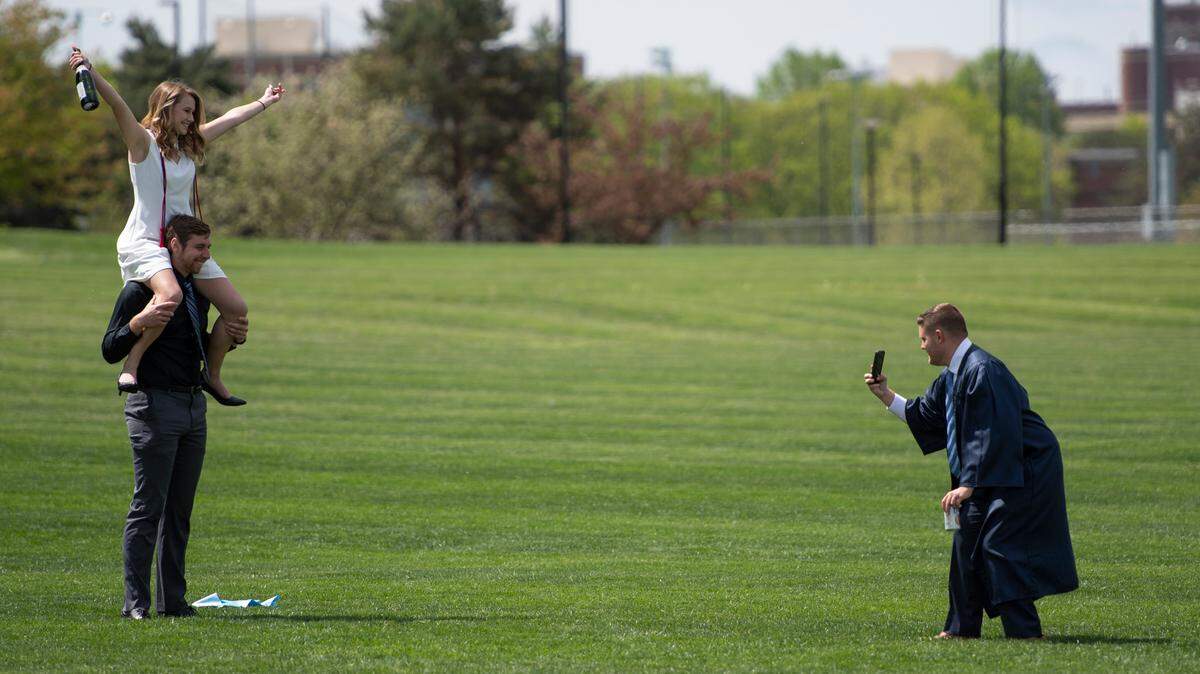
We made it, brothers and sisters, completed another successful college class commencement. Most of the Penn State students left last week after their final exams. The ones who remained graduated this past weekend. They spent the week standing in line to get their pictures taken at the Lion Shrine, the Beaver Stadium wall, the Arboretum and other selected places of personal celebrated memory.
Now they have moved on. We will miss them. During this time of plague, devastation and hope, we, like the students, have clutched moments of sacred memory to us, sucking the last available oxygen from the tank.
Now let’s breathe.
Neighbors, though I have not met most of you, I know you. I can recognize you because of the lingering despair in your eyes. You have had to bury a grandfather, a mother, a child. You have tried to comfort a loved one or a stranger from afar, not even being permitted to touch or embrace them. You have stayed awake at night trying to figure out how to pay the rent or feed your family, not knowing where your next paycheck is coming from. We are all ready for a balm in Gilead.
We are almost through this pandemic, but problems remain. Much of the rest of the world is still ensconced in the plague. But by using our reserve resources, we could and should help our neighbors in India and South Africa. Why? That’s how we roll. We must convince our reluctant friends to get inoculated. Assure them that it’s not a conspiracy; it’s a community. We must relearn how to be with each other. I have missed you. It is not too early for me to say — I love you.
Recently I was in Georgia shooting a film project. On the coast the streets were filled with families taking a turn in the sun and surf. In one of the hotbeds of political intrigue, people of various diversities found ways to enjoy the spring and each other’s company. Opening their arms and their hearts they embraced where and who they were. Children laughed.
Here in Happy Valley, our children also found ways to laugh, to observe their own rites of passage. In a few weeks, some of our younger ones will be having their own high school graduation rites. We, as their elders, have roles in that ritual. We must offer them, as did our ancestors before us, a world in which they have a chance to survive, to thrive, to prosper. We should present them with a verdant world, a politically rational world, a world community ready to embrace and utilize their gifts and talents.
To that end, it is good our country is withdrawing all its forces from Afghanistan, ending the longest war in U.S. history. It is good that the guilty verdict in the Chauvin murder trial has initiated national discussion about restructuring the relationship between marginalized communities and the police hired to serve them. It is good that recent Presidential and Congressional action are beginning to re-order the wealth divide. Sometimes making a better world means preserving the better parts of the world that you are already in.
After a storm you clean up and clear the mess in order to find places to plant new seeds. You can start by acknowledging those past journeys completed by some, yet paved by all. We are here because they were there. Once beginning to mend, we may allow ourselves a moment to risk a smile of hope. Saying to each other as we have said to our returning veterans:
“Welcome home, sister. Thanks for your service, brother. We honor you. We love you.”
Ubuntu.