
Opinion: How Penn State influenced the recent NCAA Supreme Court ruling
There are times to condemn Penn State for actions taken to the detriment of the institution, but there are other times in which Penn State should be praised. I won’t go into the non-sensible attempt a generation ago to tie two medical organizations together, joining Geisinger Medical Center to the Penn State Hershey Medical Center, costing Penn State over $100 million to separate the two unworkable units. Nor shall I expand upon the nearly $1 billion acceptance of the Freeh Report and damages from bowing to the NCAA Consent Decree a decade ago.
Rather, I want to praise Penn State. Penn State can be, and often is, a vehicle for advancing knowledge and influencing public policy in a variety of ways, from leadership in the discovery of medical devices such as a heart pump, to the publication of the letters of Ernest Hemingway; from renowned leadership in climate change, to Thon, the largest student-run philanthropy in the world, and funding cancer research.
In 1968, I was hired by Penn State into what is now known as the department of kinesiology, that for the past four decades has been the top graduate program in America. I certainly did not then know that my study of the history of intercollegiate athletics would have an influence on a U. S. Supreme Court case in 2021. But Penn State gave me the opportunity to research college athletics in 80 university archives, many of them searched during four sabbaticals in my 28 years on the faculty. Not every university would promote research on sport — Penn State did.
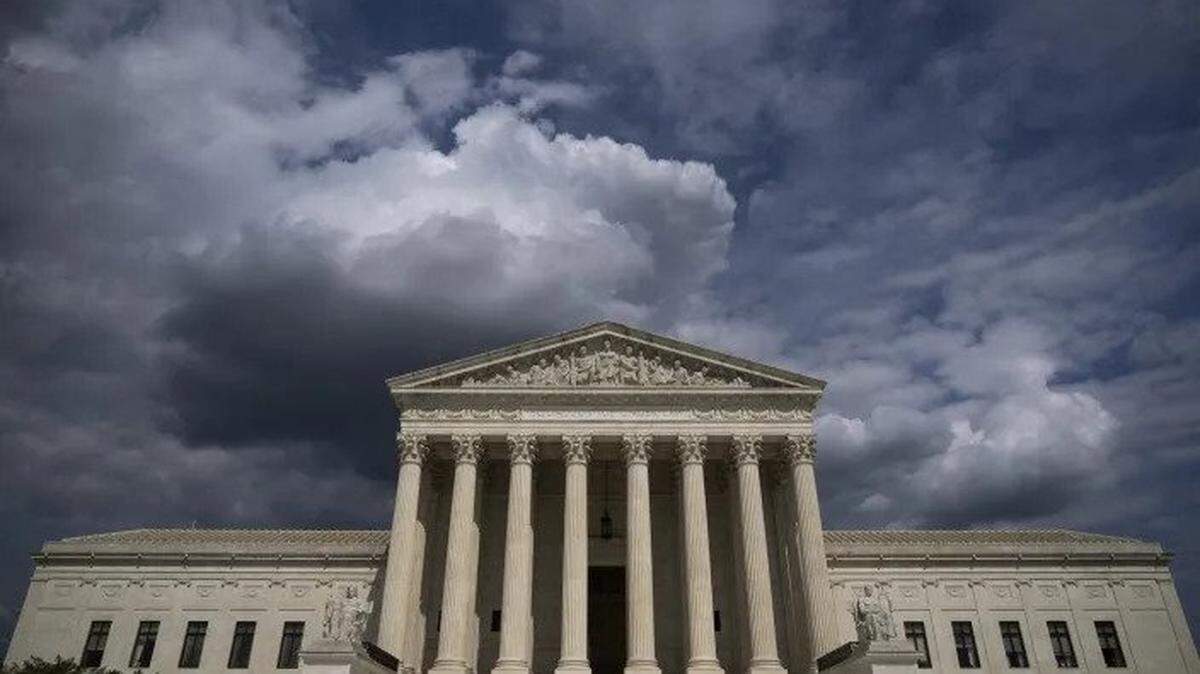
On June 21, the U. S. Supreme Court produced a 9-0 decision in the National Collegiate Athletic Association v. Shawne Alston case. No longer could the NCAA exploit college athletes by depriving them of the use of their own names, images, and likenesses (NILs) for commercial purposes. Athletes would have the same rights as any other students to profit from their expertise, whether as a student playing a trumpet in a jazz band, patenting an engineering device, or writing a novel. I had a small part, or maybe not so small, in the unanimous decision by the court.
My Penn State research efforts came to fruition when I was asked by the lead counsel for Shawn Alston, Jeffrey Kessler, if I would write an amicus brief on behalf of Alston. Earlier this year, I solicited five other individuals, who have researched college sport history, to sign on to the amicus brief. This was then sent to the Supreme Court justices in March.
I was pleased to see that the court decision used many of the historical facts that I had accumulated over the years, many of them found in my book that has just been published by the University of Texas Press, “The Myth of the Amateur: A History of College Athletic Scholarships.” I note the first intercollegiate athletic contest in America, a crew meet between Harvard and Yale in 1852, was cited for offering the crew members an all-expense, eight-day paid vacation on Lake Winnipesaukee, New Hampshire. In addition, a half-century later, James Hogan, an all-American football player, was given a paid vacation in Cuba and granted a percentage of every “Hogan” cigarette pack sold in New Haven was noted in the Supreme Court decision. The University of Pittsburgh football players went on strike for higher wages in the 1930s and other historical facts were documented by Justice Gorsuch in the decision. The study of history is not dead and can have some practical outcomes, even in denying amateurism in college sport.
When few other institutions of higher education in the 1960s and beyond were offering opportunities to study college sport, Penn State was a leader. I am indebted to our Happy Valley institution for allowing me to pursue my area of interest in the humanities. Penn State should be commended for its influence on the recent U. S. Supreme Court decision.