
What’s the role of public education in our community? Join the conversation at Constitution Day
How can our public schools best prepare our students for the future?
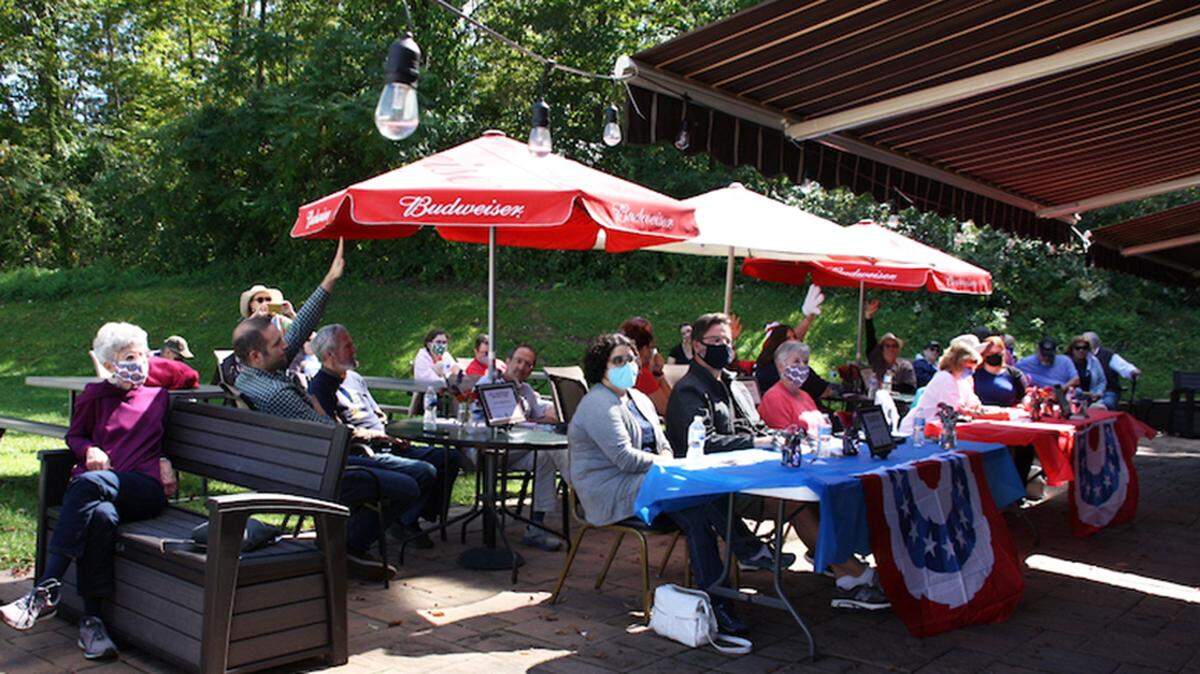
Constitution Day’s community conversation at noon on Sept. 17 will explore the role of public education in our community. The event will be held at the American Legion Post 245, 1950 Science Park Road, State College.
Should we be preparing our students to be successful in the workplace — or to be active and responsible citizens? Perhaps the true value of education is in helping students discover and develop their individual talents. Are these approaches mutually exclusive? Are we asking our schools to do too much? At a time when four out of five citizens do not have children currently in school, what is the public willing to support?
And how do we ensure that our schools are meeting the needs of all children? By what means do we hold students and schools accountable? What is the role of families in the education of their children? What is the responsibility of schools in addressing social issues that affect their students? How do we ensure that all our students feel included and respected?
Two generations ago, public education in the U.S. was the model for the world. This is no longer the case. What could we learn from the experience of other nations?
In the U.S., public education has historically been a community endeavor. It is most successful only when it is founded on a true partnership between educational professionals, parents, community members — and students. How can we best insure that our community feels “heard?”
Until the pandemic quite literally brought education into our living rooms, the last time most of us were in a classroom was when we were in school. How much has the world changed since then? Have our schools adapted accordingly? To what extent are we still doing things because that’s what we’ve always done?
Most importantly, when was the last time we had that conversation as a community?
To that end, our Constitution Day conversation will be structured around three basic approaches, but feel free to bring your own ideas.
Prepare students to be successful in the workplace: The guiding purpose of our public schools must be to prepare students for an increasingly complex workplace. To that end, what should public schools be doing differently? How can we best support career and technical education? How could we be more intentional about developing the so-called 21st-century skills of critical-thinking, communication, collaboration and creativity? Is economic success too narrow a vision for public education?
Prepare students to be active and responsible citizens: Public schools were founded in order to foster the skills and behaviors citizens need to govern themselves and contribute to the public good. A 40-year decline in civic education has taken its toll on the citizen participation that our democracy depends on — how do today’s graduates view their roles as citizens in a democracy? Do they feel empowered to make a difference? Is it the obligation of our public school system to teach children to become responsible, contributing members of society — or is that job best left to families? What is the value of service-learning?
Help students discover and develop their talents: This perspective argues that a one-size-fits-all model does not serve our children or our society. The mission of public schools should be to help each child make the most of his or her abilities and inclinations. But what would we have to do differently in order to accomplish that? Would this require a fundamental change to the current educational model?
A deliberation is not a debate. It is not a lecture by “experts.” Differences of opinion are encouraged because everyone’s perspective adds value to the conversation. But the greatest value comes from hearing points of view that we would otherwise not hear — and then working to find common ground, as we consider the potential costs, tradeoffs and consequences.
I hope you will join us. Please email us at info@constitutiondaycentre.org if you plan to attend and for more details.