
Opinion: Workers left out of development debate in State College
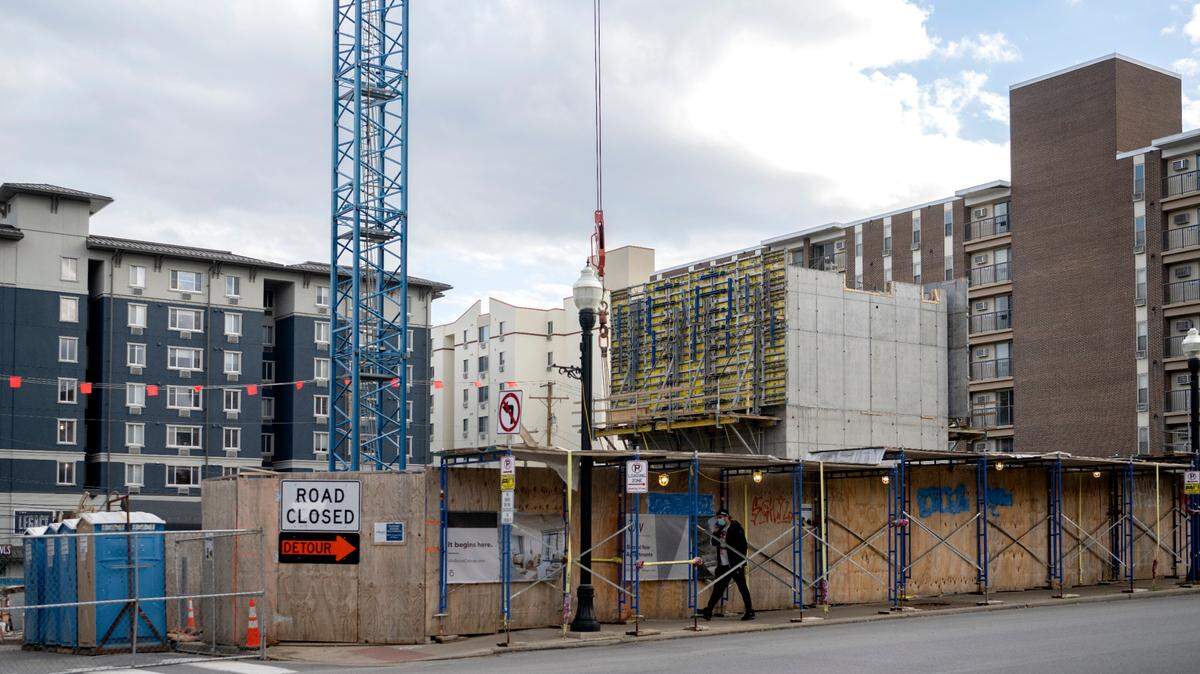
The State College Borough Council and the Borough Planning Commission held a lively joint meeting on Jan. 19, during which they discussed potential changes to Borough zoning and development goals for State College Borough.
The meeting contained the typical fault lines that have characterized development debate for years: controversies over high-rises, parking demands and transportation challenges, the need for affordable housing and the difficulty in building an adequate supply, and the ever-present debate over how development impacts the “character” of our community. Meeting the needs of our community while working against market forces and profit-driven developers is no small task.
But what was most striking about the meeting — and in fact, what has been most striking about the development debate for years — is not the debate, but what’s missing from it: workers.
Advocates on all sides raised a number of priorities that the Borough’s approach to zoning should seek to accomplish, like addressing the supply of affordable housing and ensuring that development is done sustainably. These important goals require attention and care to ensure that development is done in a way that meets the needs of our community, not just the profit motive of big developers.
But despite the preventable death of a worker on a high-rise development site — a site on which the general contractor was cited by the Occupational Safety and Health Administration (OSHA) for safety training violations, and the subcontractor was cited in the worker’s fall death — worker safety and worker treatment weren’t on the agenda.
The community’s needs aren’t just met by the outcome of development: they’re met by the development itself. Skilled tradespeople in the Centre Region want good, safe jobs that are close to home, instead of requiring them to travel — as many of the workers on local developments do — across state lines to find work. Making a Borough and Centre Region that supports working families isn’t simply a question of housing affordability; it’s a question of good, local jobs that can pay the bills.
We can meet the need for good, local jobs and keep money in our local economy. There are policy tools like incentivizing local hiring, registered apprenticeships, adequate safety training, and, where possible, encouraging or requiring project labor agreements that provide workers with the protection of collectively bargained contracts. Whether through these routes, or others, there’s an opportunity for the Borough — and for other municipalities — to set new standards that prioritize the full breadth of needs in our community.
This is a priority for working people in this region: which is why on Jan. 7, Seven Mountains Central Labor Council, AFL-CIO, sent a copy of a letter to the Borough Planning Department — with the request that it be shared with the Planning Commission — that was originally sent to Core Spaces, the developer behind the development at the site of the former Days Inn. In the letter, we outlined our concerns with worker safety, and asked the developer to step in and ensure that contractors were taking the appropriate steps to ensure safe worksites.
This issue won’t go away, and it shouldn’t have taken the death of a worker to bring it to light. Safe, good jobs shouldn’t just be left to the whims of developers and their contractors. We can do better, and we can encourage development that meets the need for good, local jobs. But to do that, we need workers to be part of the discussion.