
Opinion: Lack of traffic safety is causing preventable tragedies in State College
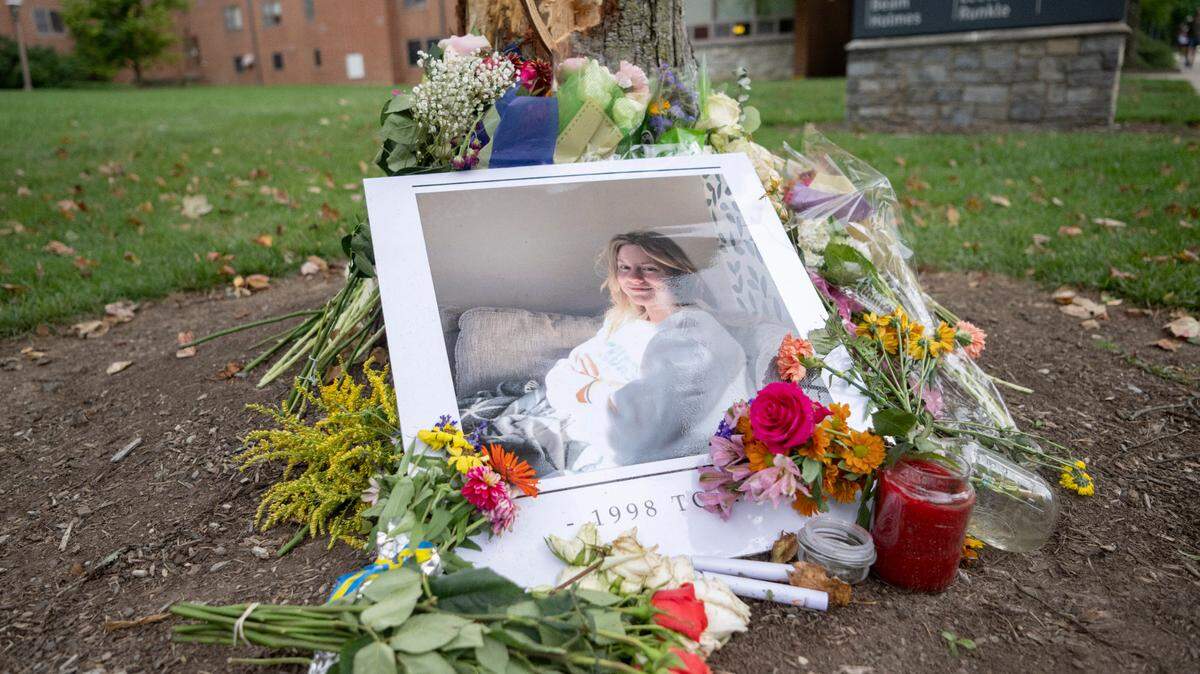
On Sept. 12, State College reached a grim milestone: two fatalities in the past three months from car crashes. It is time for PennDOT, the borough and the Centre Region to acknowledge the situation for the crisis that it is and to take decisive action.
East Park Avenue — the road where Penn State student Lovisa Arnesson-Cronhamre was fatally struck by a car — has a history of deadly crashes. In 2015, a pair of deaths at the intersection of Park Avenue and North Atherton Street spurred community safety concerns and a desire for pedestrian safety enhancements to be made. Reporting from the Centre Daily Times at the time indicated that the intersection had 225 collisions, 54 injuries and at least one fatality in two decades. But a review of historical Google Street View imagery from the intersection reveals that no changes were made in the ensuing eight years beyond repainting the crosswalks.
Other roads in State College also have histories of deadly car crashes. In July, Douglas Barch was killed while bicycling in a collision on South Atherton Street. A year earlier, Jose Sajbin was killed in a residential neighborhood on Edgewood Circle. In 2018, Penn State student Kaijing Tang died after crashing his car on South Atherton at West Nittany Avenue. In 2016, Josef Blunschi was killed while crossing Park Avenue at McKee Street. These are just a portion of the vehicular deaths and injuries that have occurred in our region during the past decade.
A common thread connects most of these incidents: local infrastructure designed for high speeds. The chance of dying from a collision increases exponentially with respect to speed. In other words, a person hit by a car moving at 20 mph has a 90% chance of survival, but a person hit at 40 mph has a 20% chance of survival. Wide lanes and shoulders, traffic lights, multiple lanes and flat and straight paths all provide psychological signals to drivers that it is safe to drive fast — at the peril of everyone else on the road.
If multiple people died in an aviation crash at University Park Airport, federal authorities would investigate the incident, create a root cause analysis, and give recommendations for permanent changes that would prevent such a tragedy from ever occurring again. But when a car crashes on one of our roads, after the police and insurance companies have finished their investigations, there is almost never any thought put into how the design of the road contributed to what happened.
In conversations with local elected officials, many have said that they are powerless to enact any changes without the consent of PennDOT, which designs and maintains Park Avenue, Atherton Street, College Avenue and Beaver Avenue — the very roads that are often the most dangerous. It is clear that PennDOT has not taken appropriate action to mitigate these crashes. It is also clear that local leaders have not engaged in the advocacy necessary to protect others from harm.
In light of the recurring tragedies on our roads, government at all levels — state and local — have the moral imperative to enact change. State College must prioritize pedestrian safety enhancements as it follows its NextGen transportation plan. But more importantly, PennDOT must answer for the crashes, injuries and deaths that keep occurring on the roads that it controls. PennDOT cannot be allowed to escape scrutiny and carry on as business as usual. Centre Region leaders — in the borough and in the townships, in the Council of Governments and at the county level — must forcefully reject the status quo of injuries and deaths.
The preservation of human life is a responsibility of overriding importance. It’s time for our community and our leaders to start acting like it.