
Climate watch: Local sources of climate inspiration for a new year
Do you make New Year’s resolutions? Do you keep them? Despite their often-ephemeral nature, there is something hopeful about resolutions. We start anew, pledging to do better, to improve our health, relationships and communities.
The world’s climate pledges are similar. Every year the world’s delegates meet and promise to make genuine progress on stopping climate change. They do not always keep those promises. But understanding the problem and pledging to fix it are essential first steps.
Did your resolutions this year include reducing use of fossil fuels? Some people fear there is little they can do about climate change. The problem is so large that individual action alone cannot solve it. But individual actions added together can create a movement. And you have the power to inspire others to act.
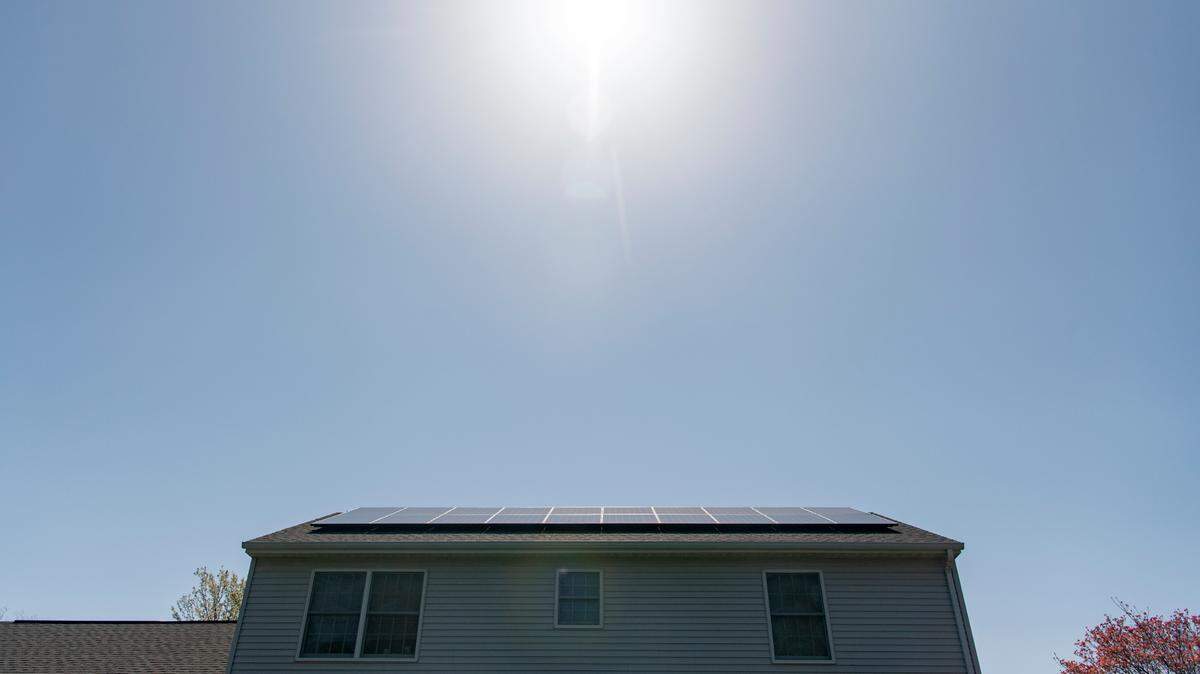
Several people have inspired me in the last year. One is my neighbor George Otto. He loves scuba diving. On vacation in 2018 he admired sea stars and anemones lining tide pools in Oregon. Back home he was appalled to learn that a devastating 2021 heat wave killed millions of these delicate creatures. He resolved to do what he could as an individual at least. Solar panels now power his home, and he is exploring replacing a gas-powered furnace with an efficient heat-pump.
Kelly Forest is a former science teacher who cares deeply about the world the next generation will inherit. She resolved to transition her house off of fossil fuels. She then shared information about the process with her neighbors and showed them how to save money through various incentives. She will be offering more insights with a “Lunch and Learn Series: Carbon Footprint: Strategies to transition to a 2.7° F Lifestyle” offered at noon on the second Wednesday of the next five months at Schlow Centre Region Library.
The people at University Mennonite Church resolved to create a net-zero building. Thanks to outside grants and donations from members of the congregation, their solar panel system is paid for, and their electricity bills have been drastically reduced, from around $5,000 per year to just over $1,000. Their next steps are improved insulation and installation of a high-efficiency heat pump. This congregation feels a moral obligation to stop putting greenhouse gases into the atmosphere. They understand that those emissions harm others here and around the world.
An article in The Economist magazine of Dec. 23, 2023, explored the moral implications of climate change. Since we know that emissions are harmful, how far should we go in reducing ours? Should we give up eating meat, or driving gas-powered cars, or flying? They point out that keeping earth’s temperature from going above the two-degree centigrade target would require that each person on the planet emit no more than two tons of carbon dioxide per year. The average American now generates 15 tons per year, so we have a long way to go.
Of course, individuals can do only so much. We live in a society organized around fossil fuels. We cannot control how electricity is produced. We cannot choose public transportation when it is not available. Ultimately, governments need to make widespread changes. Joining together to pressure officials to act is probably the most important step we can take.
But what we do individually matters, too. Who has inspired you to greater responsible living? What kind of resolution will you undertake this year? Will your name be included in next year’s column as a source of inspiration for our community?