
Climate watch: What’s the answer to heat? Heat pumps!
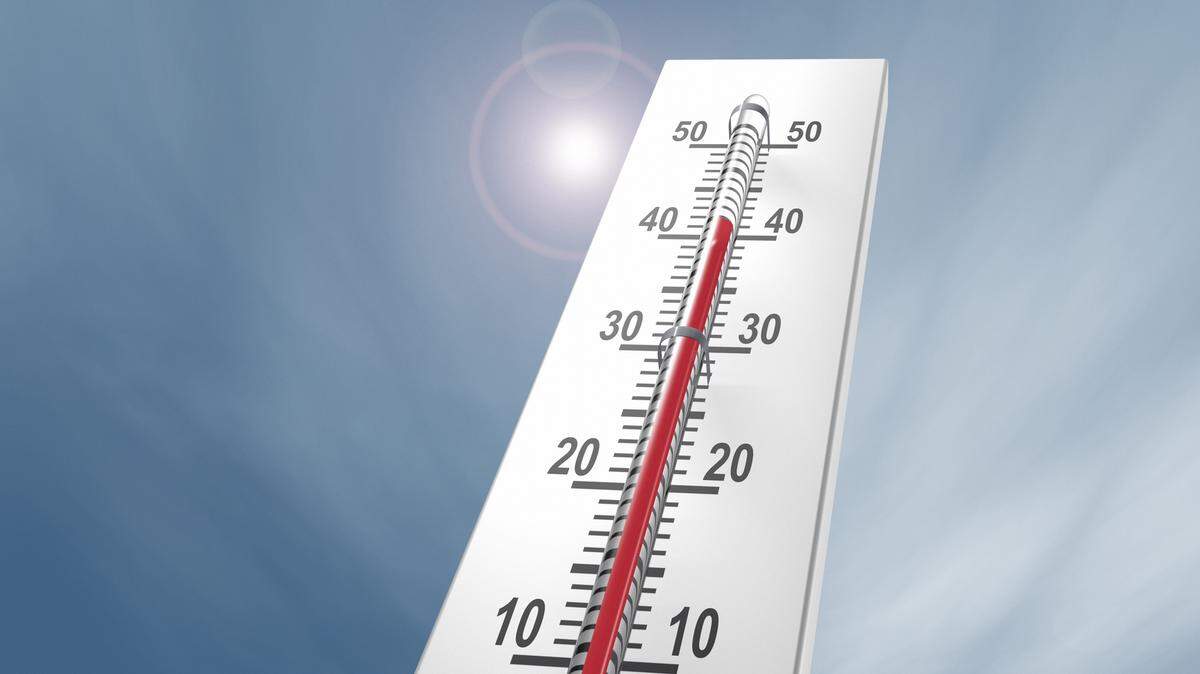
This year has been hot. Last month set a new global record for the hottest June. It was even hotter than any previous July, except for the abnormally hot July of 2023. I have lived in State College for 26 years and have never before experienced a whole week of extremely hot days. On June 23, we broke the record high.
The heat is impacting people throughout the world. A survey in India found that “45 percent of households contacted reported at least one member getting sick from the heat” during May. Economic productivity also suffers because three-fourths of Indian workers are employed in occupations like construction and mining that are affected by the heat.
We are learning new terms to describe this hotter world. I first heard the term “heat dome” only in the last few years. Miami-Dade County has appointed a Chief Heat Officer, the world’s first.
“Day Zero,” when a city’s water might give out because of an extended drought, first came up in 2018 when Johannesburg, South Africa came close to running out of water. But now other cities are also threatened. According to National Geographic Bogota, Colombia and Casablanca, Morocco are restricting water use.
In central Pennsylvania we have sufficient water. We are fortunate also that our temperatures tend to be mild. But because of this, many of our houses do not have air conditioners. Let me recommend that instead of running out to buy an air conditioner, you consider a heat pump.
Why are we talking about heat pumps in July? We don’t need more heat. Heat pumps are poorly named. They are a combination furnace and air conditioner and are more efficient than either. Old fashioned furnaces burn a fuel (oil or natural gas) that heats up air or water. A heat pump is more efficient because it does not burn anything. Powered by electricity, in the winter it draws heat from the outside air and transfers it into the house, thus heating your house. In the summer it draws heat out of the house and sends it to the outside, thus cooling your house.
Many people believe that heat pumps cannot work in cold climates. But the technology has vastly improved. The proof is that Sweden, Norway and Finland, countries with the coldest climates in Europe, have the highest heat pump sales per 1,000 households. People in Maine are installing heat pumps three times faster than the national average.
Although heat pumps cost more to begin with, they can make economic sense, even before the tax credits and rebates available through the Inflation Reduction Act. A detailed and comprehensive report from the National Renewable Energy Lab concluded “a majority of Americans (62% to 95% of households, depending upon heat pump efficiency) would see a drop in their energy bills by using a heat pump.”
Adding in the incentives from the Inflation Reduction Act can make them quite attractive. RewiringAmerica.org has a wealth of information on the IRA benefits and on heat pumps.
Switching from a fossil fuel furnace to a heat pump will immediately reduce your greenhouse gas emissions. And, after all, it is those emissions that are causing the extreme heat we are enduring. Heat pumps might help you save money and also keep the heat from getting worse.
So, if you are thinking of replacing your furnace before next winter, choose a heat pump now that will heat your house and cool it as well.