
Climate watch: Why elections matter for climate action
Citizens’ Climate Lobby (CCL) is a volunteer-driven, non-partisan organization with hundreds of chapters in the U.S. and around the world. Our website has the following motto: “Our Solution to Climate Change? Democracy.” What does that mean?
Our founder Marshall Saunders, inspired by Al Gore’s film “An Inconvenient Truth,” began giving presentations to small groups of people but soon realized that the problem was far too large. Getting seven people to change their light bulbs was not going to cut it. Instead, he decided to focus on Congress and organize volunteers to contact their members of Congress and urge them to pass legislation on climate change.
Stopping climate change is an enormous undertaking. Our whole system of energy use will have to be transformed. It will require the action of government, businesses and individuals. Congress’s job is to write the laws that impact all of us. What they do can have a transformative effect.
We assume that Congress will not lead on this issue, they will follow. They will act only when they hear that their constituents are concerned about it. Therefore, we try to build a movement of people that will engage with their elected officials and assure them that if they take the difficult steps to solve climate change, we will not punish them at the next election.
That is why CCL acts broadly. We lobby our members of Congress, but we also spread the word about the importance of climate change. The more members in our organization, the more impact we can have when we lobby.
Notice that Congress is responding to the power of elections. Members of Congress only want to hear from their own constituents. My writing to a California representative will have very little effect. But it can have a big impact on our own member of Congress to know that many of his constituents want action on climate. CCL therefore makes sure that each member of Congress hears from us. We have a CCL chapter in every Congressional district. Locally, we meet regularly with Congressman Glenn Thompson’s staff to express our appreciation for his work and to urge climate action. To solve climate change we will have to work together.
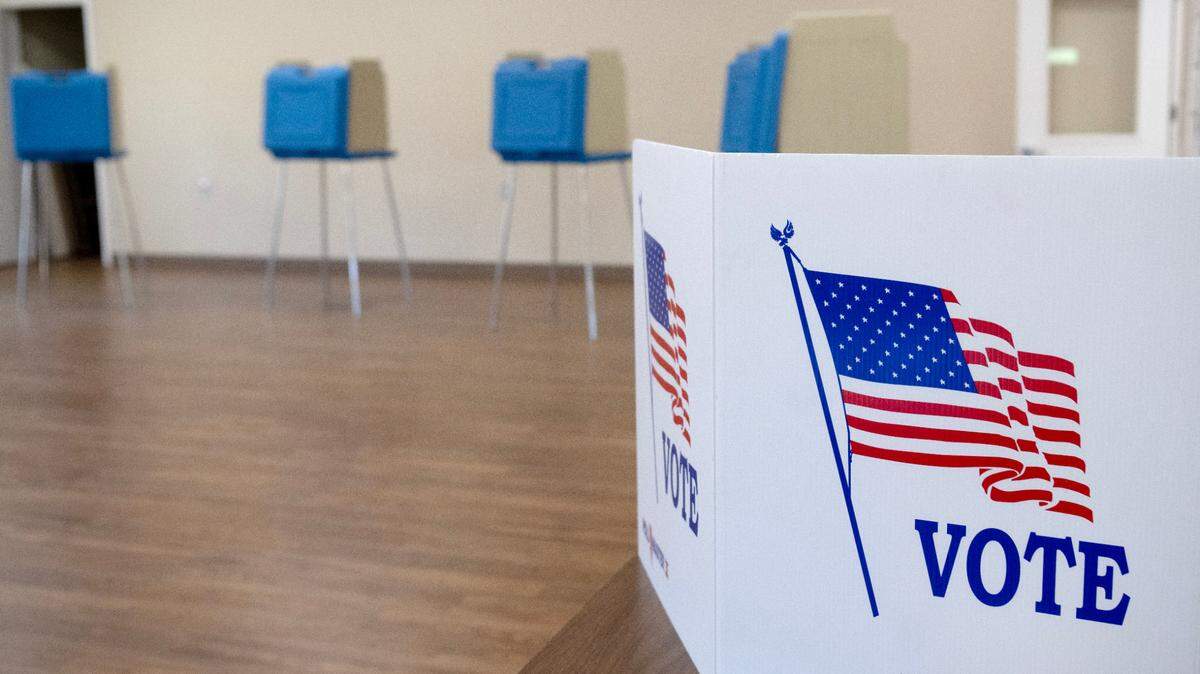
If members of Congress believe that their constituents do not care about an issue, then they will not take it seriously. And here is a way that your voting behavior makes a difference. Politicians pay attention to polls. Pollsters contact “likely” voters, that is, people who vote frequently and who will most likely show up at the next election. If you do not vote, or you vote only occasionally, you will not be contacted. The issues you care about will not show up on the list of issues that the press and the politicians pay attention to. The more you vote and make your views known, the greater your influence.
Notice that none of this is possible without elections. We need to elect the right people and, once they are elected, we need to pressure them to do the right thing. At the end of our June national conference in Washington, our volunteers go to Capitol Hill to the offices of our representatives and senators, all of them, no matter which political party. A climate policy that will endure needs support from all political parties.
Please show your support for responsible and urgently needed climate legislation by joining CCL and by voting in the coming election and in all future elections as well.