
Under the baobab: The right to vote, a personal history
In 1863 my great, great-grandfather, Curtis McKenzie, couldn’t vote. As an enslaved person he was not considered a citizen or even a full human being. Despite that, he voluntarily joined the Union army along with nearly 200,000 other people set free by the Emancipation Proclamation. He fought to save the union and free our people.
In 1870 the 15th Amendment was ratified. He was allowed to vote. For a few years there was a brief period of reconstruction and socially progressive development. But, that was followed by 60 years of racial oppression, Jim Crow discrimination. Down South, where most lived, Black people lost the right to vote.
When the Japanese bombed Pearl Harbor in 1941, my father, along with thousands of other folks of color, joined the Army to defend our country. They fought for democracy abroad and at home. When they returned from the battlefields of Europe and the Pacific, the laws and practices of America still treated them as second-class citizens. Dad was still not allowed to vote in Mississippi, so he never returned to his birthplace. He found a new home in the U.S. Army, serving honorably in three wars, World War II, Korea and Vietnam.
The struggle for freedom and equality continued. In 1948 the government desegregated the U.S. Army. In 1954 the Supreme Court officially desegregated public schools. In 1963 a quarter of a million people marched in Washington for jobs and freedom and the right to vote.
Three weeks after that gathering white supremacists bombed the 16th Street Baptist Church in Birmingham, killing four little girls attending Sunday School. The tragedy did not kill the freedom movement.
A few months later in the summer of 1964, I did what my father could not do. I returned to Mississippi along with a thousand other students, Black and white, to restart the period of reform that had begun a hundred years before. Less than 1% of the eligible Black folks in the state were registered to vote. Trying to stop the movement, the KKK lynched three of our volunteers, two white and one Black. We “kept our hands on the plow” and stayed the course.
In 1965, John Lewis had his head cracked open by police when he and others tried to march across the Edmund Pettus bridge in Selma. Some were killed. Churches were bombed by racists. Months later President Lyndon Johnson signed the Voting Rights Act of 1965.
The job is not done and will not be done until every child born in America believes that they have the opportunity to become president. Even though that was never the intention of the founders and framers, we as people have grown beyond them.
We are on the brink of the most consequential presidential election of our lifetimes. We can elect the first woman of color to become President of the United States. To be honest, I never thought I would see it. But Shyamala Gopalan Harris, Kamala’s mother, did. She wheeled her baby daughter to picket lines in Oakland to teach her that with hard work and faith, immigrant dreams can blossom into political possibilities.
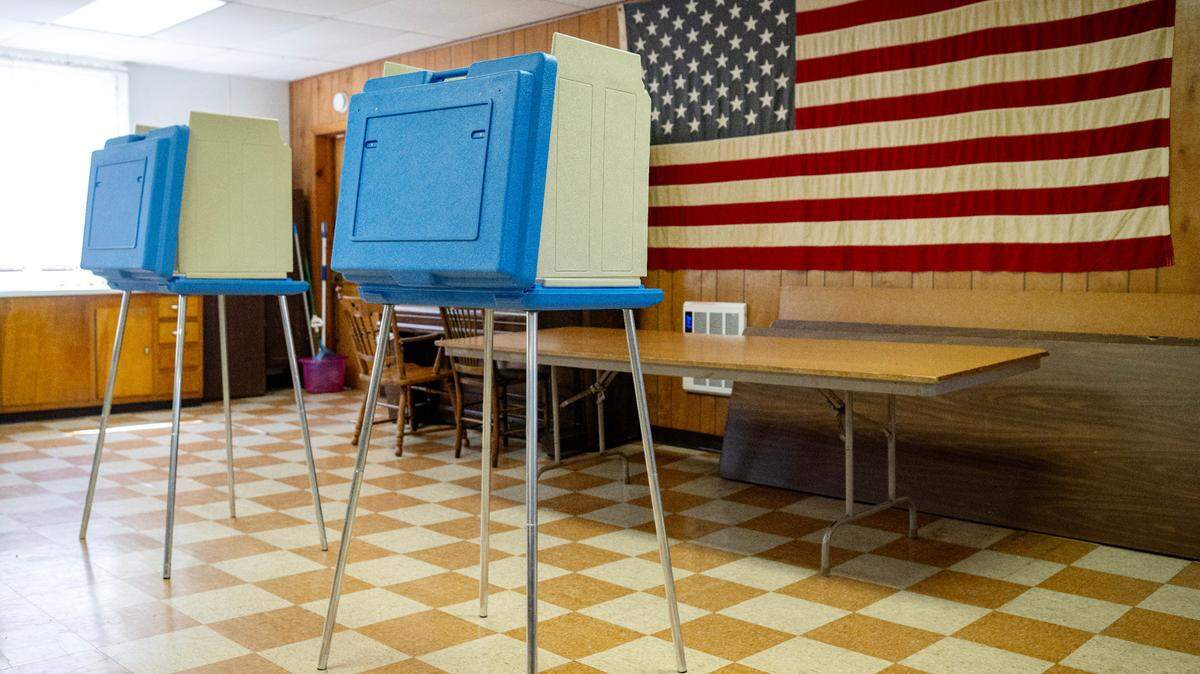
As an election worker in our local precinct I promise, Sisters and Brothers, that my fellow workers and I will safeguard each and every one of your votes. Your voices will be heard. It is our sacred duty.
Standing on the shoulders of martyrs and people who would not give up, we are guided by Shyamala’s dreams for her daughter, for all our dreams for all our daughters and sons, and grandchildren, and great-grandchildren. Entrusted with the sacred idea of our republic we know when it is time to stand up for it.
It’s time. Vote!
Charles Dumas is a lifetime political activist, a professor emeritus from Penn State, and was the Democratic Party’s nominee for U.S. Congress in 2012. He was the 2022 Lion’s Paw Awardee and Living Legend honoree of the National Black Theatre Festival. He lives with his partner and wife of 50 years in State College.