
Climate watch: Moving to a carbon-free future is common sense
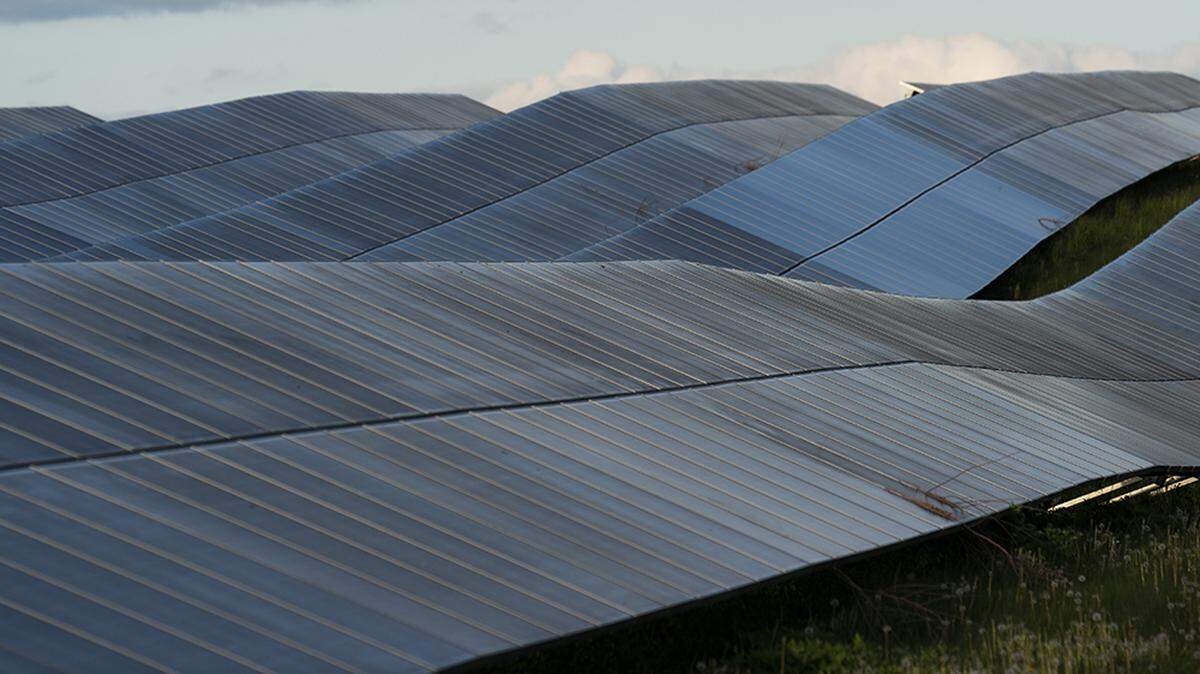
President Trump has moved to freeze funds designated for climate and energy while ramping up fossil fuel production in the name of reliable domestic energy.
The president argues that an unreliable grid necessitates a return to fossil fuels. But this approach overlooks the long-term benefits of clean, renewable energy — particularly given the economic progress and potential it has already demonstrated around the United States.
In 2024, 96% of new U.S. power capacity was carbon-free. Meanwhile, wind and solar account for more than 92% of new energy projects awaiting permits. Allowing these projects to move forward would ensure a more stable energy system. It would also solidify America’s leadership in the global clean energy race.
We can counter China’s efforts to achieve clean energy dominance. The future will be electro-states not petro-states and we should not miss out on a lucrative opportunity to lead the world. China is already the world’s top producer of solar panels, electric vehicles, and battery storage. Abandoning our own progress in favor of archaic and dirty fossil fuels doesn’t just hurt our environment. It cedes economic leadership to a global competitor. That is anything but common sense.
The clean energy provisions in the Inflation Reduction Act have spurred job creation and investment. Red states are benefiting the most. Last year, 18 Republican House members sent a letter to Speaker Mike Johnson asking him to preserve clean energy tax credits from the IRA and more have vocalized support since in a House Ways & Means Committee hearing.
If we want to strengthen grid reliability, it’s common sense to streamline outdated permitting processes. The U.S. is well positioned to invest in clean energy infrastructure. Clean energy permitting reform has bipartisan appeal and would quickly accelerate renewable energy projects and build on the progress we’ve already made in reducing climate pollution.
You don’t have to be a scientist to see how our climate is changing. Extreme weather events — heatwaves, floods, hurricanes, wildfires and droughts — are more frequent and severe. In 2024 alone, the U.S. experienced 27 separate climate disasters. Each caused more than $1 billion in damages, according to NOAA. Since 1980, the country has endured more than 400 such disasters, costing more than $2.9 trillion.
Climate change is hitting Americans where it hurts: their wallets. Insurance rates are skyrocketing as climate disasters make entire regions uninsurable. In 2023, insurers lost money in 18 states, forcing them to either abandon high-risk areas or raise premiums to unsustainable levels. From 2018 to 2023, the average cost of home insurance rose nearly 34%, far outpacing inflation. This isn’t just an issue for homeowners — it threatens financial stability across the country.
Climate change is driving up food prices, disrupting agriculture and straining supply chains. Rising costs at the grocery store are just one symptom of a crisis that touches every part of our economy.
We need common-sense solutions for our energy needs. That starts with bipartisan leadership to address climate change in a way that is good for the economy and good for people.