
Our church is proof: Federal incentives for solar work | Opinion
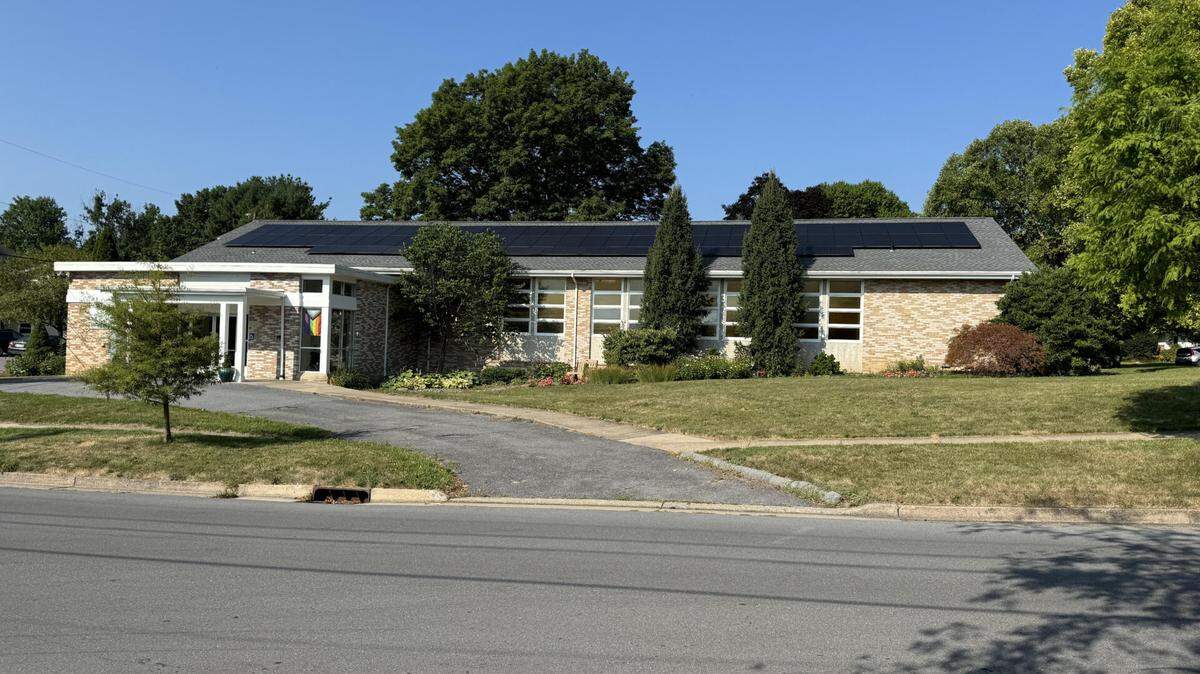
The old spiritual “This Little Light of Mine” has meaning for anyone who cares to listen, no matter their faith background. It’s a call to action, challenging every hearer to be a light in the world and to persist in well-doing.
As it turns out, one way that we can let our light shine is by turning the lights off. Dad jokes notwithstanding, climate change is getting worse, and as it worsens, we have an increasing responsibility to lessen our contribution to the problem. This doesn’t mean sitting in the dark. Being responsible doesn’t mean being impractical. It means using our common sense to be smarter about our energy use. That can be as simple as turning out the lights when we leave the room, or better yet, installing a light system that shuts off the lights automatically when we’re gone.
At University Mennonite Church, where I serve as treasurer, we’re doing what we can to be more energy efficient. These efforts started years ago with a few modest projects, upgrading our church building to use less energy. These upgrades, which included new insulation and energy-efficient LED lighting, were successful, and this success encouraged us to do more.
So, in 2023, we decided to go solar. Cobbling together some church funds, a grant from West Penn Power, additional support from the Mennonite Creation Care Network, and roughly $10,000 through federal incentives, we were able to purchase and install a 27.75 kW solar array atop the church roof.
The solar array provides about half of our energy needs. The year before we went solar, we spent roughly $5,600 — almost $500 a month — on power. The year afterward, we spent just $2,500, or barely $200 a month. When we crunched the numbers — a pastime of mine — we found that the system will pay for itself in just eight years. So, in addition to letting us put our values in action, allowing us to cut our energy use and reduce our contribution to climate change, our solar array is also saving the church money. In practical terms, this means more resources will be available to carry out our mission. It’s a win in every possible respect.
Yet even as more churches are looking to add solar power as we did, Congress is looking to cut the federal investments that make solar energy affordable and accessible. The threat is twofold. Current law provides tax credits that lower the cost of solar panels by 30 percent. These tax credits have been available for years, but recent changes to the law gave nonprofits, including churches and schools, the ability to benefit from these credits. This is called Direct Pay. It lets nonprofits benefit from solar tax credits by giving them direct cash payments. Whatever tax credits they would have received if they were a business, they get exactly that amount in a direct cash payment, leveling the playing field.
Our church wasn’t able to benefit from Direct Pay; we installed our solar panels before it launched. But thankfully, the private contractor who installed our solar array shared the tax-credit savings with the church.
But all these savings will disappear if Congress repeals them. The 30 percent tax credit and the Direct Pay program could be eliminated. The cost of energy would rise for everyone. The responsible choice of switching to clean energy would become less practical and more painful. Everyone from churches to businesses to families would find it harder to be part of the solution to one of the biggest problems of our time.
It’s understandable that Congress should want to see public resources used more efficiently. More efficiency means greater impact, and that’s a laudable goal. But cutting federal investments in clean energy won’t make the government more efficient. It won’t give taxpayers a better bang for their buck. It will, however, make life more expensive for Americans.