
Afield: It’s time to count birds in Centre County. Here’s how to get involved in the effort
The 120th edition of the oldest citizen science survey in the world — the National Audubon Society’s annual Christmas Bird Count — began Dec. 14 and continues through Jan. 5. The count was first held on Christmas Day in 1900 with 27 volunteers counting birds in 25 counting locations, including five in eastern Pennsylvania. A total of 89 species — more than 18,500 birds — were identified.
This year, tens of thousands of volunteers across the entire Western Hemisphere will identify and count as many birds as possible in predetermined 15-mile diameter circles. Across our hemisphere, there are more than 2,600 count circles, each one organized by a compiler who sets a 24-hour period for the count. With 80 count circles across Pennsylvania, the Keystone State always has a high participation rate.
Centre County has four count circles. The State College and Penns Creek counts occurred last weekend, and the Bald Eagle State Park count will occur Dec. 29. The Philipsburg area count is scheduled for Jan. 4.
Consider volunteering
New counters can be assigned a vacant route, go along with an experienced birder or, if they live within the count circle, they can sign up to be a backyard counter. All are important to the cause. However, you cannot just go it alone.
All counters must check with the circle compiler before participating. Bob Snyder, of Howard, is the Bald Eagle State Park compiler (753-2629, rhs2@psu.edu) and Philipsburg resident Greg Kojadinovich is the compiler for his count circle (237-5964, gsak40@gmail.com).
In order to ensure that as much of the 176 square miles are covered as possible within each circle, the count is guided by the compiler. It also helps to prevent birds from being counted twice.
This will be my 12th year participating in the Bald Eagle circle’s Christmas Bird Count, or CBC, as birders refer to it.
Way back in 2008, circle compiler Snyder assigned me to Route K in the Marsh Creek Valley. I have made it a family event since the beginning. At one point, my wife and all three of our children participated — more recently, I have counted with my brother Frank, my daughter Lindera and her husband, John. Our route includes driving slowly along lightly traveled country roads as well as walking — for a total of approximately 7 miles.
We make it a fun day — each of us predicts how many species we will identify, which species will have the highest number of individuals, and the total number of birds counted. In addition, we each predict an “outlier bird” — a species that we have never spotted before during a previous count.
What can you expect to count?
That depends on your route, whether you are a backyard counter, the weather and luck.
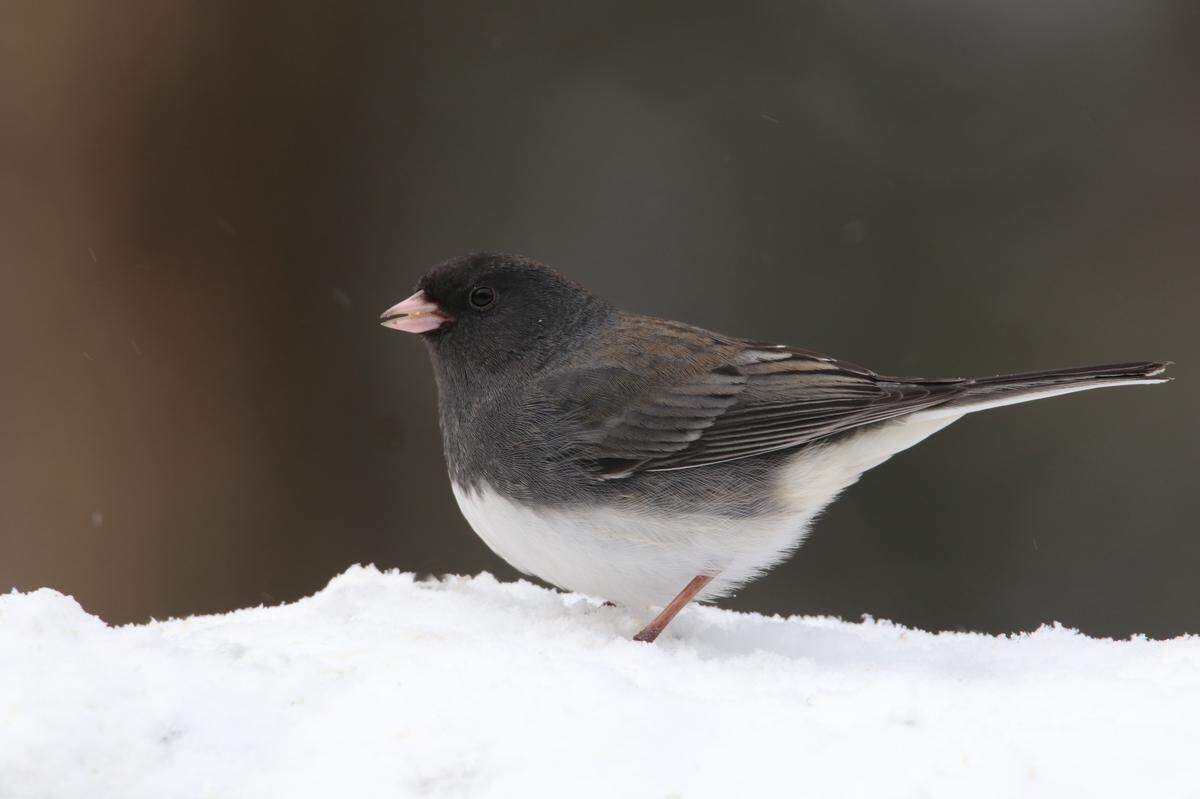
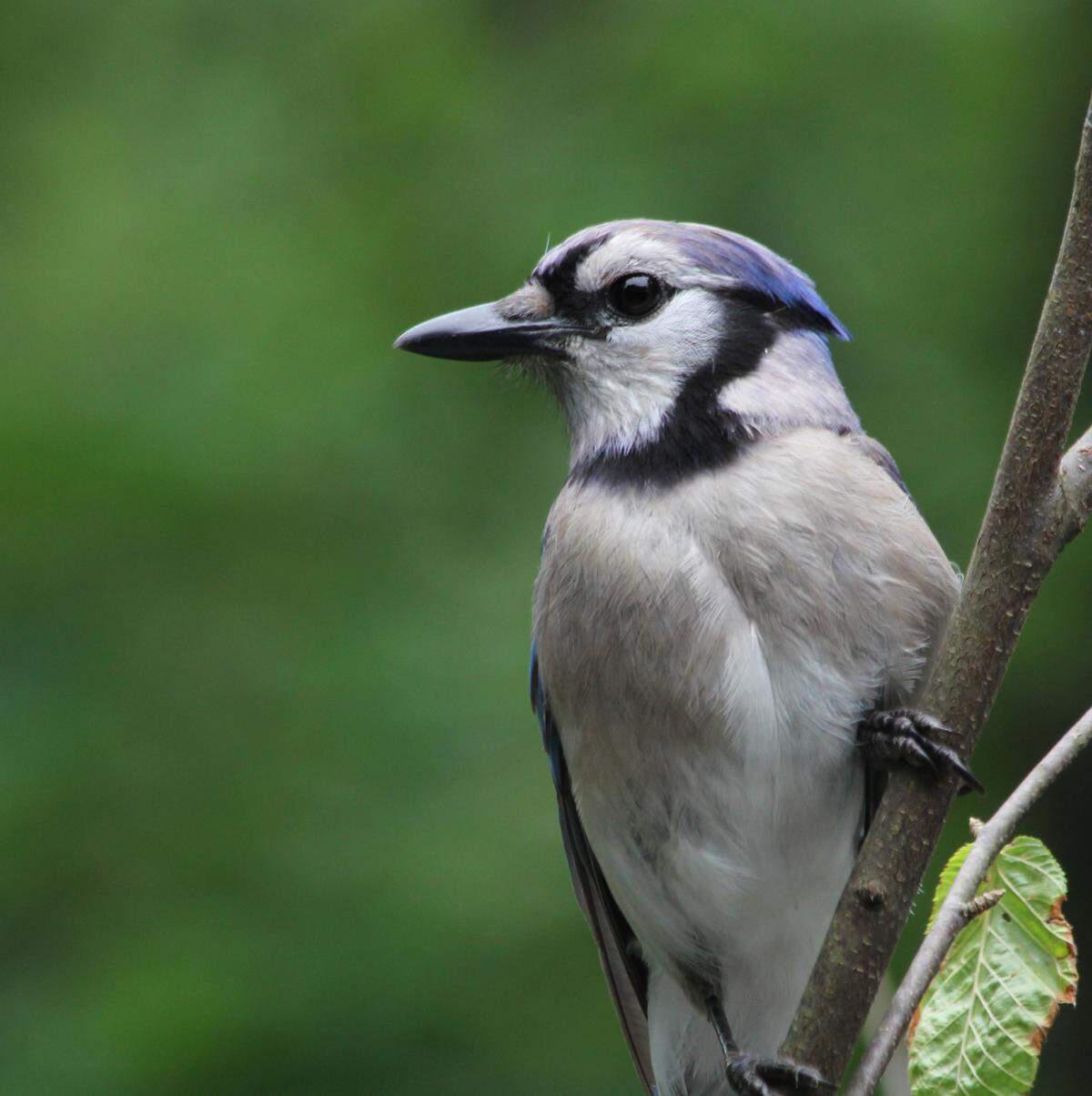
In the Marsh Creek Valley, we typically identify 20 to 30 different species — our record high was 31 in 1917, and our lowest count was only 14 species in 2013. Our top species over the years has been dark-eyed juncos, crows, blue jays, wild turkeys and chickadees. In 2016, with a total of 606 birds, we tallied an amazing number of blue jays — 111. We record at least one new species almost every year.
For the past three years, we have also participated in the Culp circle CBC in Blair County. Unfortunately, it rained all day during this year’s count on Dec. 14. Being dedicated birders, we donned our rain gear and had a good time despite the weather.
There are fewer birders participating in the Culp CBC, so we accepted a larger territory. We tallied 30 species this year, and there were more than 40 species recorded by the entire group of counters. This was the 51st year for that count circle.
Some count circles couple birding with a social event. Birders in the Culp circle were invited to share their lists and a meal that evening at a restaurant in Altoona. About 15 people attended.
A ‘disturbing trend’
More than 79,400 observers participated in last year’s overall count, while covering 2,615 count circles — 1,974 of those were in the United States. Both numbers were records, according to the Audubon Society.
Considering the record participation, it is both surprising and alarming to see the comparatively low total number of birds that were tallied — 48,678,334. Of this number, there were 45,156,330 reported in the United States, 2,986,854 were tallied from Canada, and 535,150 elsewhere. This is the second-lowest number counted during the past 33 years — the continuation of a general declining trend. The 2018 count was more than 10 million birds lower than the 20-year average.
“In light of the recent paper published this fall about diminishing numbers of birds across the continent, this disturbing trend deserves some future analyses,” an Audubon news release said.
Audubon’s CBC and annual Breeding Bird Surveys, as well as Cornell Lab of Ornithology’s Project FeederWatch and eBird — all citizen science efforts — have been increasingly used by researchers because they provide volumes of data that cannot be gathered in any other way. These databases have been used to show an overall decline of bird numbers, shifting bird populations due to climate change, migration patterns, and many other aspects of bird populations.
Consider becoming part of a Christmas Bird Count or one of these other citizen science projects. It has been a rewarding experience for me.
Mark Nale, who lives in the Bald Eagle Valley, is a member of the Pennsylvania Outdoor Writers Association and can be reached at MarkAngler@aol.com.
This story was originally published December 21, 2019 at 12:17 PM.