Need to worry about ‘murder hornets’ in Pa.? No, but here are bugs to know about this summer
Central Pennsylvania’s mountainous terrain offers no shortage of outdoor activities, but there are several typical pests residents should continue to be aware of in the coming months.
And no, the notorious “murder hornet” that is native to East Asia and has been reported in the Pacific Northwest isn’t one of them.
Ticks on the rise this summer?
Ticks are an annual problem in Pennsylvania, but could be slightly more prevalent in 2020 and 2021 because more likely survived the mild winter, Penn State Veterinary Entomology Associate Professor Erika Machtinger said.
“Because blacklegged ticks — the ticks that carry the pathogen that causes Lyme disease — have a two-year life cycle, we can expect that next year we might have greater numbers of nymphs,” Machtinger said. “While both adults and nymphs can transmit the pathogens causing disease, nymphs are the life stage we worry about because they are so small and hard to see.”
The Asian longhorned tick is one of the newest tick species found in Pennsylvania. The first confirmed case in the state was reported in 2018 in Centre County, but has since been reported in nine other counties.
The longhorned tick will bite people, but prefers hooved animals, Machtinger said. Livestock and equine owners are urged to conduct regular tick checks.
No matter the species, everyone should be prepared to apply repellent before heading outside, wear lightly colored clothing and conduct a tick check after returning, Machtinger said.
Will the spotted lanternfly make an appearance in Centre County?
Spotted lanternflies, invasive planthoppers from Asia that are damaging Pennsylvania trees and vines, have been creeping closer to Centre County for years.
The potential pest was first confirmed in the Keystone State in 2014, and has since spread to at least part of 26 counties, including neighboring Blair, Huntingdon and Mifflin counties.
Lanternflies have become a “bigger and bigger problem every year,” Penn State Extension Associate Heather Leach said.
“To be practical, I would say (a confirmed sighting in Centre County) can happen at any point,” Leach said. “I wouldn’t be surprised if it happened this year just given that all of our southern counties that border Centre County all have known infestations, granted they’re small infestations.”
Lanternflies do not bite, sting or cause structural damage to homes, but could drain at least $324 million annually from Pennsylvania’s economy, according to a Penn State study.
They hatch in mid-May and reach adulthood as early as July.
If found, lanternflies and their eggs masses — which look like gray splotches of mud when drives — should be collected and put in a vial filled with alcohol, if possible.
If that is not practical, they should be eradicated, according to the state Department of Agriculture. All sightings should be immediately reported either online at extension.psu.edu/have-you-seen-a-spotted-lanternfly or by calling 888-422-3359.
Protecting against West Nile virus
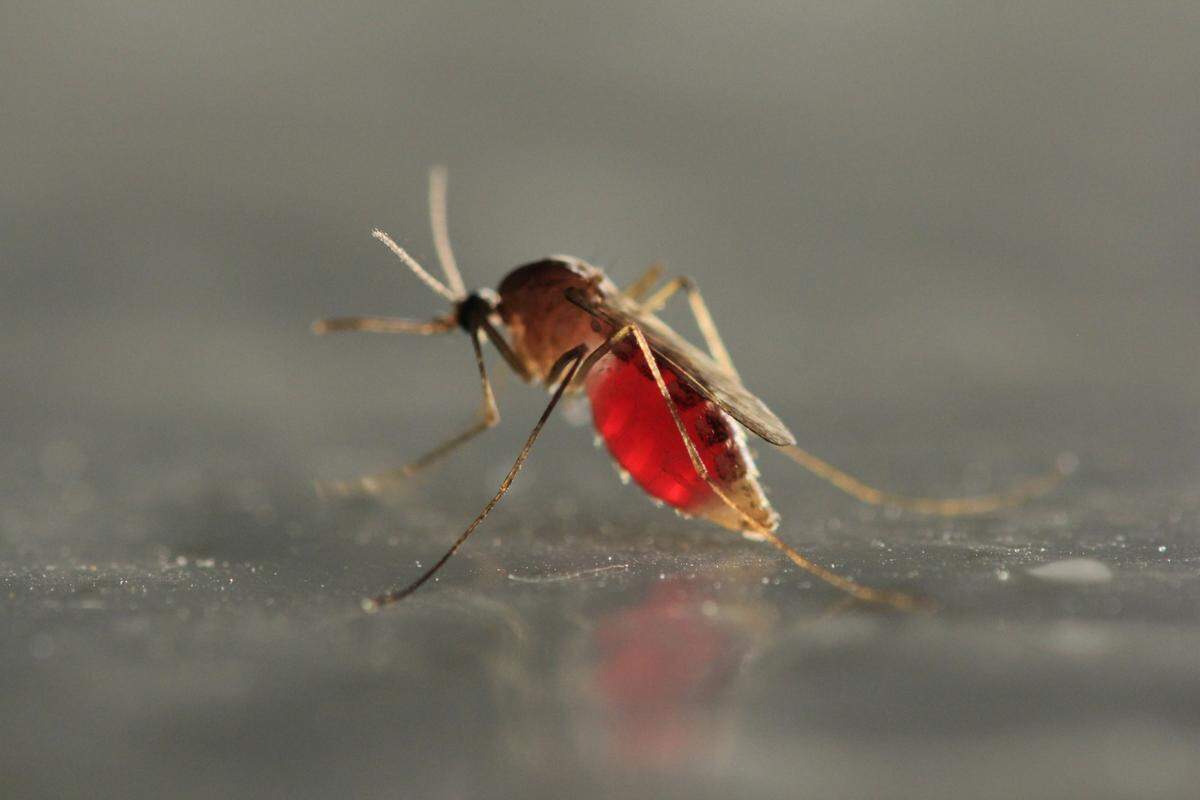
West Nile virus, which is commonly spread through the bite of infected mosquitoes, is the leading cause of mosquito-borne disease in the United States.
Cases of West Nile are typically reported in the summer and fall, but often a vast majority of people show no symptoms, according to the Centers for Disease Control and Prevention.
One of the best ways to reduce mosquito populations is to remove any standing water, like dog bowls, Penn State postdoctoral entomology scholar Karen Poh said.
“West Nile virus is a complicated disease,” Poh said. “It mostly affects the elderly and very young children. For the rest of us, you more than likely won’t experience any symptoms. If anything, we might just get a fever or a headache, and if you don’t get that checked out, most people won’t think anything of it.”