
Afield: Climate change is affecting hunting and fishing — what can you do about it?
It is mid-October and we have yet to experience a frost in my Centre County hollow. Not only that, the low for most recent nights has been in the 50s and 60s, not the 40s or 30s, which would be more typical for this time of year. While I am enjoying the extended gardening season, it has been too warm to hunt deer. I know that this weather is atypical for our area of Pennsylvania.
Since early June, the stream that flows through my property has experienced four floods. The high water of June 13, as a result of more than 3 inches of rain, on top of an inch the previous day, ranked as one of the biggest floods in the 40-plus years that I have lived here. Three other flood events, of the usual every-two-to-three-year caliber, have occurred since then. September 2021 was a near-record month for precipitation in Centre County. The level of Raystown Lake was raised 12 feet (4 feet short of the record) on Sept. 2, as the dam held back over 20 billion gallons of water — rain from Hurricane Ida.
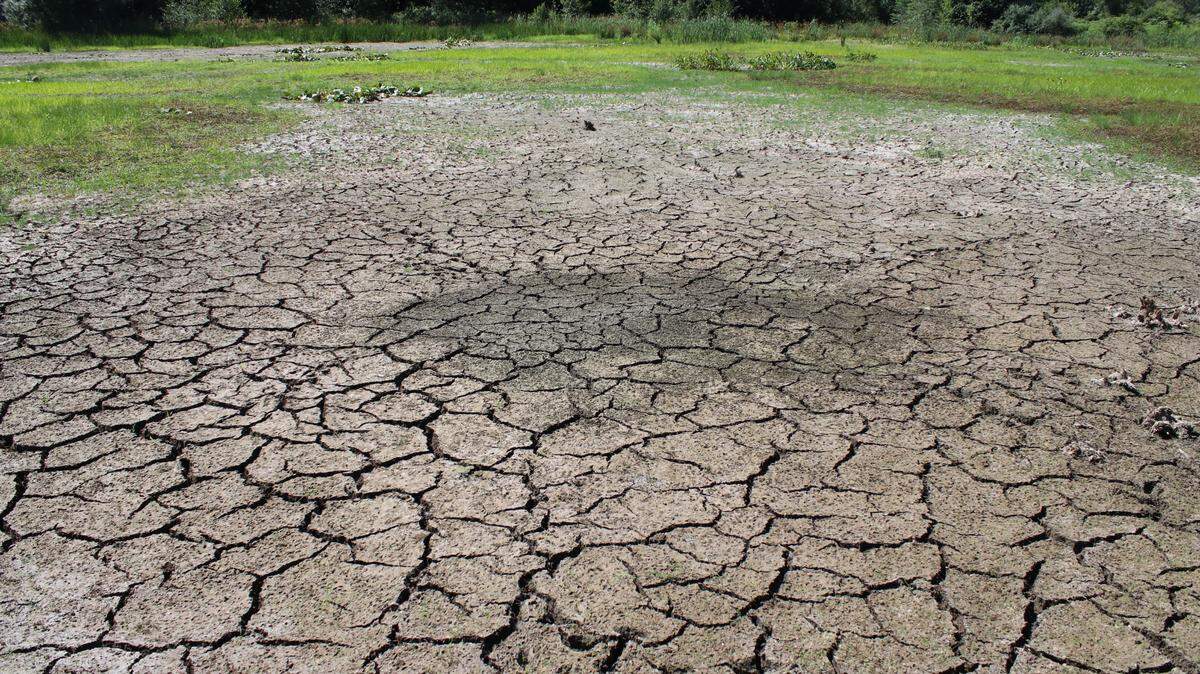
Last summer, we experienced one of the worst localized droughts in western Centre County. Streams were extremely low, or dry — trout perished. The wetlands northeast of Port Matilda, owned by the Wildlife for Everyone Foundation, were totally dry. Migrating waterfowl could not stop there for refueling, as they usually do.
The above are local examples — nationwide, you only need to check the news to see that drought-fueled wildfires have destroyed over 600,000 acres of Utah forestland just this year. California wildfires are still raging — with over 2 million acres and thousands of structures destroyed.
As I write this, I know that (unfortunately) some of my readers — the climate-change deniers — will scoff at this column. I also realize that my examples could be interpreted as local variations. I expect the standard emails to that effect. Fortunately, polls show that an ever-increasing number of people are alarmed by how climate change is promoting weather extremes and big shifts in weather patterns that affect their outdoor world. If you hunt or fish, you should be alarmed, too.
Climate change is real. The average earth temperature has increased by 2 degrees over the past 50 years, and sea levels have risen. The earth’s temperature has fluctuated for eons, but good scientific evidence supports that we humans are at least partly responsible for this current warming trend.
As an example, I have talked with many hunters who complain about how ticks are affecting their favorite sport. Ticks were not even a consideration in my youth and through most of my adult life. However, I have contracted Lyme disease or anaplasmosis from tick bites three times in the past four years. Ticks were primarily a southern species and not on my radar — now, I think about ticks almost every time I am out.
In February of this year, more than 40 leading sporting organizations drafted a climate statement calling for decision makers (our elected officials) to address climate change. These organizations include the Ruffed Grouse Society, Pheasants Forever, the American Fisheries Society, the National Wild Turkey Federation, the Wildlife Management Institute and the National Deer Association.
These are not left-wing, liberal groups, but rather science-based organizations that recognize and understand how climate change is and will continue to negatively impact hunting and fishing.
Just last week the National Wildlife Federation released a 38-page report, “A Hunter’s and Angler’s Guide to Climate Change: Challenges, Opportunities and Solutions,” detailing the problem. More importantly, the report discusses what we can do about it.
“Whether it be the drying up of our favorite duck swamps, wildfire that closes down our best elk spots, degrading ocean conditions that cripple our salmon and steelhead pursuits, or flooding in our beloved whitetail bottoms, we know that it isn’t a matter of if, but when, climate change will find our favorite spots and change our sporting lives,” said National Wildlife Federation Director of Sporting Advocacy Aaron Kindle in the report’s introduction.
Unlike what you might hear from the fossil fuel industry, limiting our carbon dioxide output and sequestering more carbon does not mean that we have to revert to a “dark ages” society.
The National Wildlife Federation report examines pending legislation and effective solutions that are already being employed to restore natural infrastructure — wetlands, forests, rivers, and grasslands — to support wildlife and protect communities. As the report notes, “the most logical, cost effective and sustainable solutions are often those that harness and augment the power of natural systems and restore developed and degraded landscapes and waterways. And even better, these types of solutions improve hunting and fishing.”
Better farming practices, coupled with restoration of natural infrastructure, could sequester hundreds of billions of tons of carbon during the next 40 years — more than what might be released by burning 225 billion gallons of gasoline.
The report features successes that are already occurring along the Mississippi River, in the Pacific Northwest, the Great Plains grasslands, Florida everglades, and offshore wind energy in New England, as well as others.
Five climate-forward policies that one can learn about and advocate for are outlined in the report. All of these involve restoring natural infrastructure, such as the habitat project recently completed in the upper Bald Eagle Creek watershed.
Lastly, the NWF report, is a call to action for hunters and anglers. As Kindle wrote, “We can and we must be leading voices to promote and implement strategies, policies, and good ideas that combat climate change, and that save hunting and fishing for generations to come.”