Afield: Winter provides opportunity to see rare visiting bird species in Pennsylvania
One thing that I love about Pennsylvania and Centre County, in particular, is our relatively even seasons. Although spring and fall are my favorites, I still enjoy winter and summer because just about the time I tire of being too cold or too hot, the weather shifts and a new season begins.
I am already missing the flaming colors of autumn, but anxiously awaiting that first shroud of white covering the hemlock trees that surround my home. A few sub-freezing days will also allow Mother Nature to produce sparking icicles anywhere that water trickles down rocky cliffs or splashes on surrounding rocks and vegetation.
Of course, the snow-covered hemlocks will eventually give way to the opening of buds on deciduous trees and shrubs. Our mountains begin to take on a greenish cast that deepens with each passing spring day. Then we have the progression of colorful wildflowers that plays out from March through October. Bees, hummingbirds and butterflies feast on their nectar.
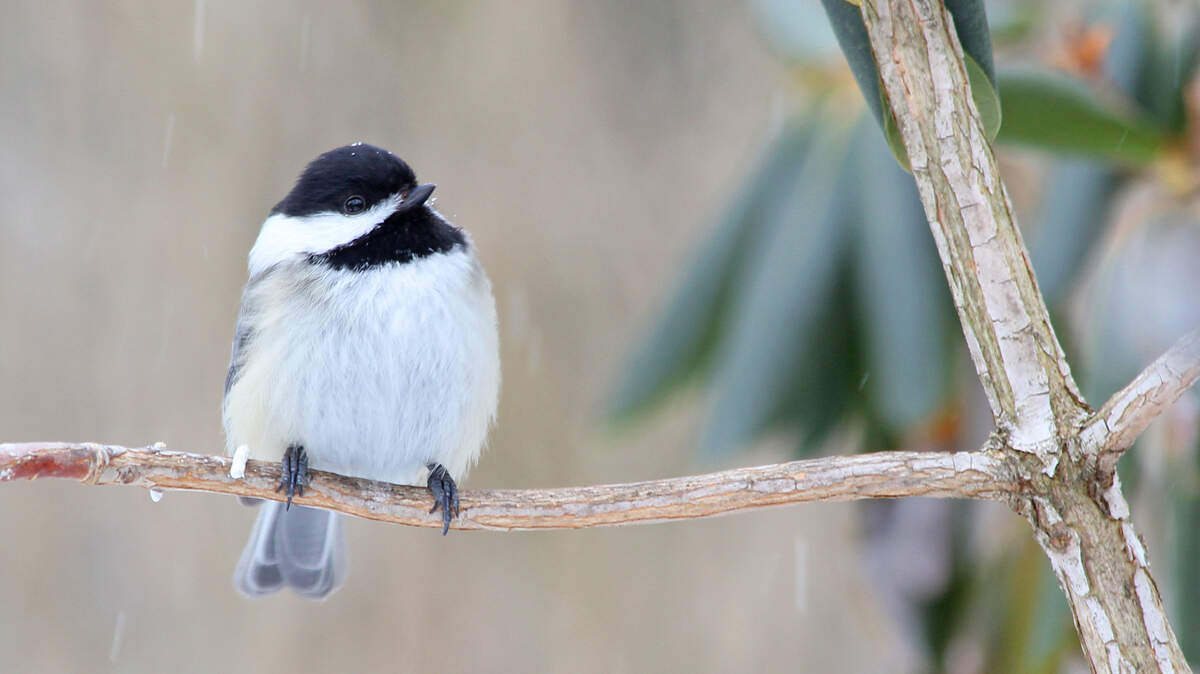
Seasons are marked by the movement of birds, too. We have our year-round residents — chickadees, cardinals, bluebirds, downy woodpeckers, blue jays and others. However, the majority of our bird species are just here spring through fall. The parade south actually begins in August, peaks in September and October, and slows to a halt in early winter.
Although “flight control” is busy directing a steady flow of birds out of Pennsylvania each fall, there is a changing of the guard. A few species of birds actually migrate into Pennsylvania for the winter.
Some of these, such as snowy owls, common redpolls, evening grosbeaks, crossbills, or northern shrikes, do not visit every winter or arrive in small and/or scattered numbers. Others, such as the dark-eyed junco, fly here from Canada each fall by the millions — and that number is no exaggeration.
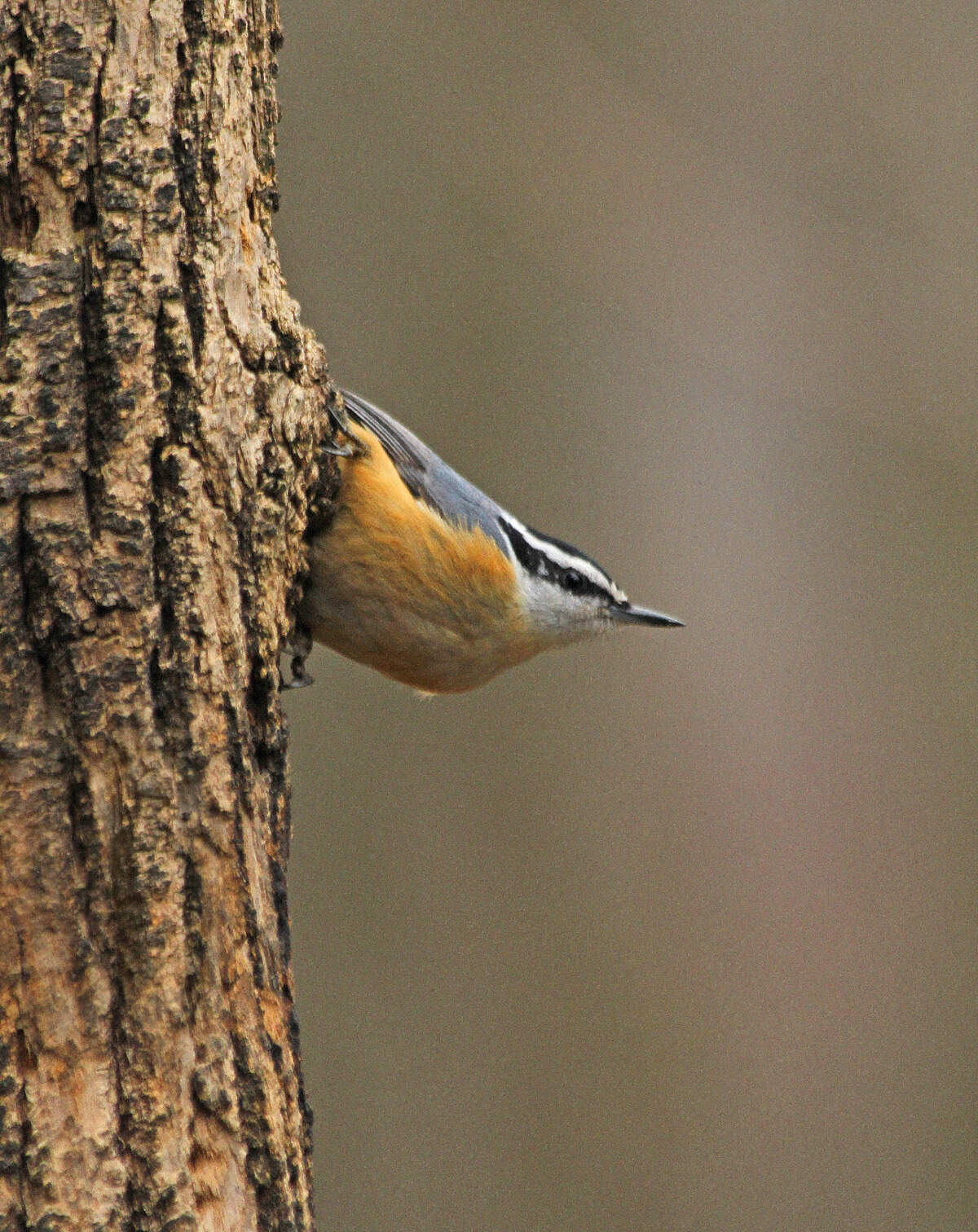
Juncos are far from an endangered species. The Cornell Lab of Ornithology estimates the total junco population at over 630 million birds. They usually arrive in Centre County in September and leave in the spring. Other regular winter visitors include the rough-legged hawk, American tree sparrow, white-throated sparrow and red-breasted nuthatch.
I have already observed good numbers of juncos and white-throated sparrows, but not as many as last year at this time. What a difference a year makes. On December 20, 2020, there was a foot of snow on the ground, upward of 50 dark-eyed juncos, and a dozen or so pine siskins at my birdfeeders. I have seen only one red-breasted nuthatch so far this fall/winter, and that bird was in Snyder County.
Last winter, I drove to Spring Mills to see a small group of evening grosbeaks that visited feeders there, and my daughter and I traveled to Midstate Airport near Black Moshannon State Park to see a visiting northern shrike.
The mass exodus and inflow of new species help to make the birding world interesting. Of course, nothing is more intriguing than the oddities that show up for no apparent reason. Last January, I traveled to the Reading area in hopes of seeing a painted bunting, a southern coastal bird that typically travels even farther south during the winter. The last time that I had observed one was over a decade ago in my son’s backyard in South Carolina. Nonetheless, the owners of the property where the bunting frequented reported that the bird had spent four of the past five winters near their house and its well-stocked birdfeeders. Fortunately for me, the brightly colored male painted bunting made my trip worthwhile with its predicted appearance.
I birdwatch with anticipation as the new year begins. What winter migrants will show up in Centre County during the next three months? What unusual bird might I see? How will my sightings compare with last winter?
This is the first year that I have had a brown creeper frequenting my suet cakes on a daily basis. I have yet to see any tree sparrows on our property, although I have spotted them in nearby birding spots. Surprisingly, the many goldfinches I had in August have dwindled to one or two.
The COVID-19 pandemic has caused many people to turn to our wonderful outdoors for safe enjoyment. State park attendance and state forest use has increased. Kayak and canoe sales are up, as well as the number of people purchasing Pennsylvania fishing licenses. Birdwatching is also on the rise.
As we are set to experience yet another COVID variant, why not get out and enjoy the parks, public forests, state game lands, lakes and streams? Who knows what rare bird you might see.