
Afield: What to know about bird migration, ticks and more this spring in Centre County
This is a hectic time for most lovers of the outdoors. Trout season is in full swing and area streams have continued to flow with excellent water levels. Spring turkey season begins statewide on April 30, and I have seen many turkeys during my local travels — including a few real longbeards.
Area trout stocking continues, with sections 4 and 5 of Black Moshannon Creek to be stocked with browns, rainbows and golden rainbows, on April 26. Wolf Run will also be stocked with rainbows on the same day. Bald Eagle Creek is scheduled to be restocked on April 27, from below the Keystone Select area at Soaring Eagle Wetland north of Port Matilda, downstream through Julian, Unionville and Milesburg to Sayers Lake.
Additional trout stocking will occur the following week on Big Poe Creek, Cold Stream Dam, Pine Creek, Poe Lake, Sixmile Run and the South Fork of Beech Creek. Check the Pennsylvania Fish and Boat Commission website at www.fishandboat.com for details.
Bird migration
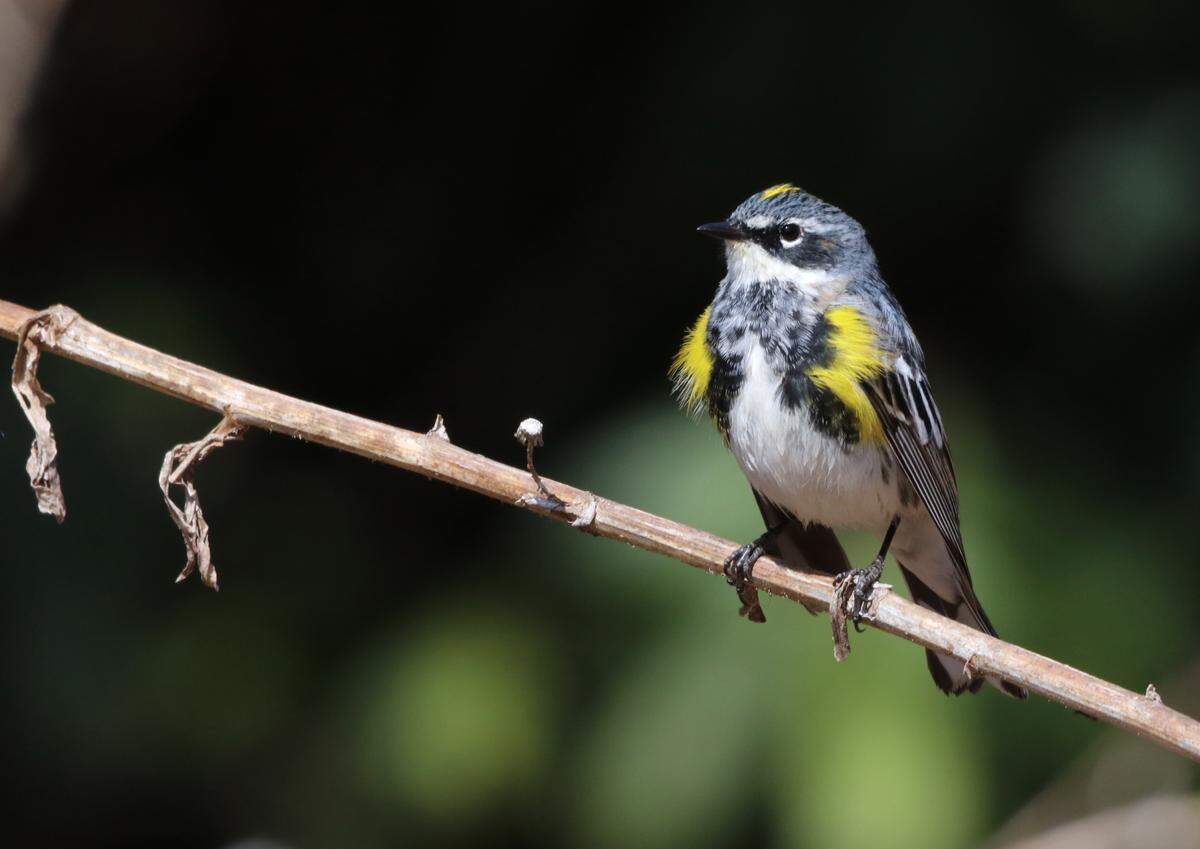
The next four weeks are also an exciting time for birders, with new feathered friends arriving almost daily. Although a few yellow-rumped warblers stick around all winter, large numbers of them are passing through Centre County right now. Palm and pine warblers have been around for over a week. Other warblers have begun to trickle into the county — including black and white, yellow, and orange-crowned warblers. Soon the trickle will become a steady stream as more than 20 species of warblers move into, or pass through, the county.
Due to arrive during the next two weeks are the colorful ruby-throated hummingbirds, scarlet tanagers, rose-breasted grosbeaks, Baltimore orioles and indigo buntings. If you have not done so already, yes, it is time to put up a hummingbird feeder.
In 2020, both rose-breasted grosbeaks and Baltimore orioles showed up at my home in the Bald Eagle Valley on April 29. Last year, it was on April 28. On May 5, 2021, I had scarlet tanagers and the first indigo bunting of the year show up at my birdfeeders.
It is no accident as to when birds arrive or pass through Pennsylvania in the spring. Timing is affected not only by wind and weather, but mainly genetic programming based on the hours of daylight. There is no way for a bird leaving South or Central America to know what that weather will be like when they arrive in Pennsylvania. Migration and nesting are timed to take advantage of abundant food supplies. If these two things are not in line with food availability, birds can die and nests fail.
Our warming earth, climate change and extreme weather events are impacting birds in many ways — most are not good. An article by ornithologist Scott Weidensaul, a former Pennsylvanian, in the spring issue of Audubon magazine details how some bird populations are adapting to the change. Fortunately, researchers are documenting this change and wondering how much change can occur in what is evolutionarily a short time.
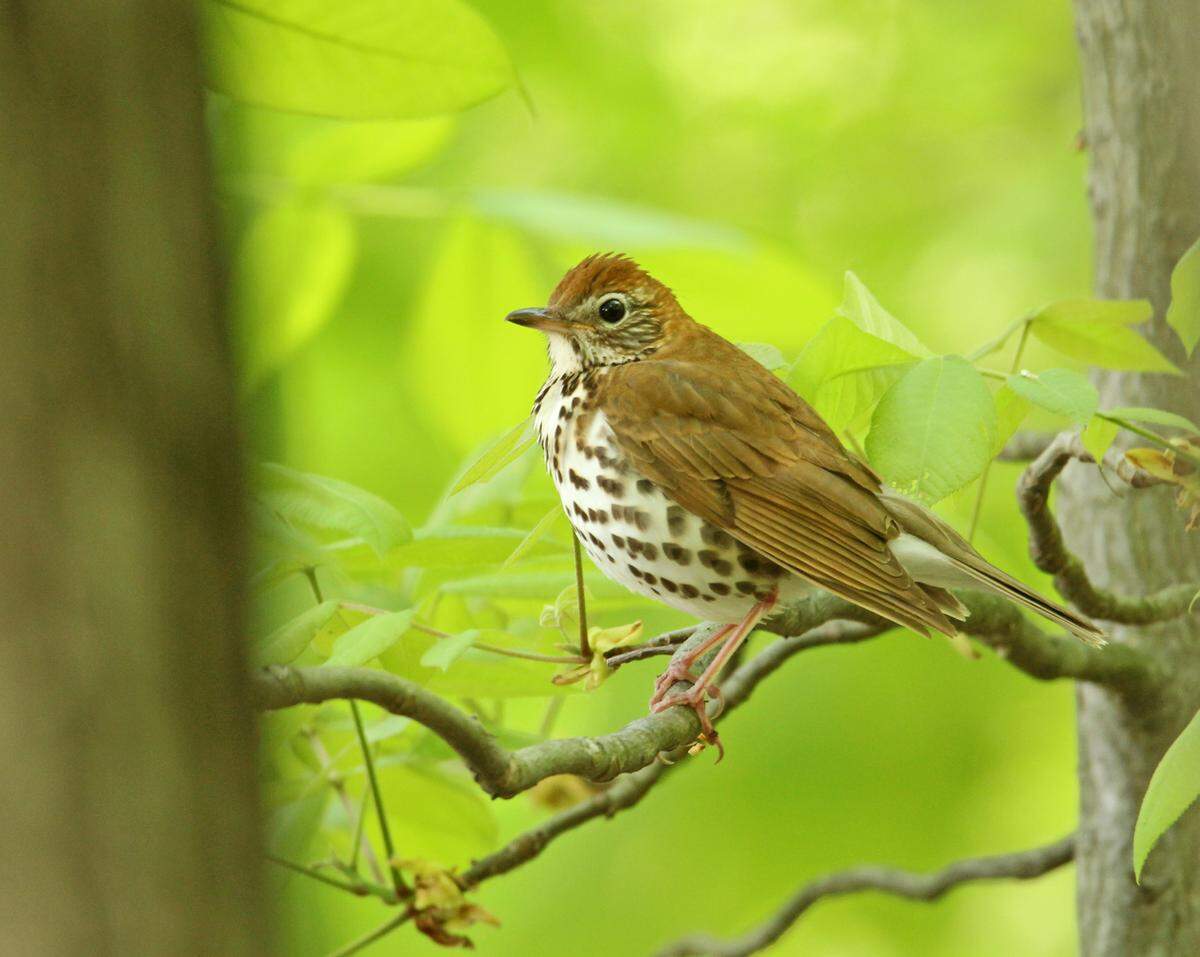
As an example, Weidensaul mentions work done in southwestern Pennsylvania by researchers at Carnegie Museum of Natural History’s Powermill Nature Reserve. By studying bird banding data, they were able to determine that wood thrushes, a forest bird related to robins, now arrive in southwestern Pennsylvania five days earlier than they did in the 1960s. However, the most significant change involved their breeding and nesting time — a full 22 days earlier than 60 years ago. This means that adult birds have less time to recover from the stress of migration before starting to nest.
Tick season
Unfortunately, spring is also tick season, and now, in addition to bacteria-caused Lyme disease and anaplasmosis, a new disease is spreading across the state — deer tick virus or DTV. DTV is a viral disease that is transmitted by the black-legged deer tick — the same tick that spreads Lyme and anaplasmosis. Rodents also transmit DTV.
This disease, first documented in Pennsylvania in 2011, spread to 10 counties last year and 16 counties so far this year. This includes Centre County, where DTV was detected at Fisherman’s Paradise.
DTV is a more serious disease than the other two, with approximately 12% of infected individuals dying. The Pennsylvania Department of Environmental Protection recommends that hikers stay in the center of trails and avoid tall grass and shrubs. Those outdoor in potentially tick-infested areas should change clothing when they arrive home, and examine themselves for ticks.
Permethrin applied to clothing and allowed to dry before wearing the clothing has shown to be an excellent tick repellent.
Be safe and enjoy your time afield and astream.