
Afield: In outdoor world or in politics, extreme views rarely solve anything
Hunting season is upon us, and so is election season. Everyone is bombarded with advertisements, phone calls, billboards and texts asking for our vote and donations. At best, many of these pitches offer quotes taken out of context, cherry picked statistics and misleading information. Some are just outright lies. Such is the sad state of our political system.
Most of these political pitches share one thing in common — they offer extreme left or right polarizing positions. Extreme positions are rarely the best positions.
If you are reading this column, I hope that hunting, fishing and other outdoor sports, or maybe nature or environmental issues will factor into your voting choices. It is not my place to tell you who to vote for, but I encourage you to do some fact checking beyond what is offered in commercials and robocalls, and then find the candidates with the best fit for you.
Politics aside, extreme views are not uncommon in the outdoor world, either. And again, they are rarely the best positions for solving problems. A few cases in point will follow.
Sharing the water
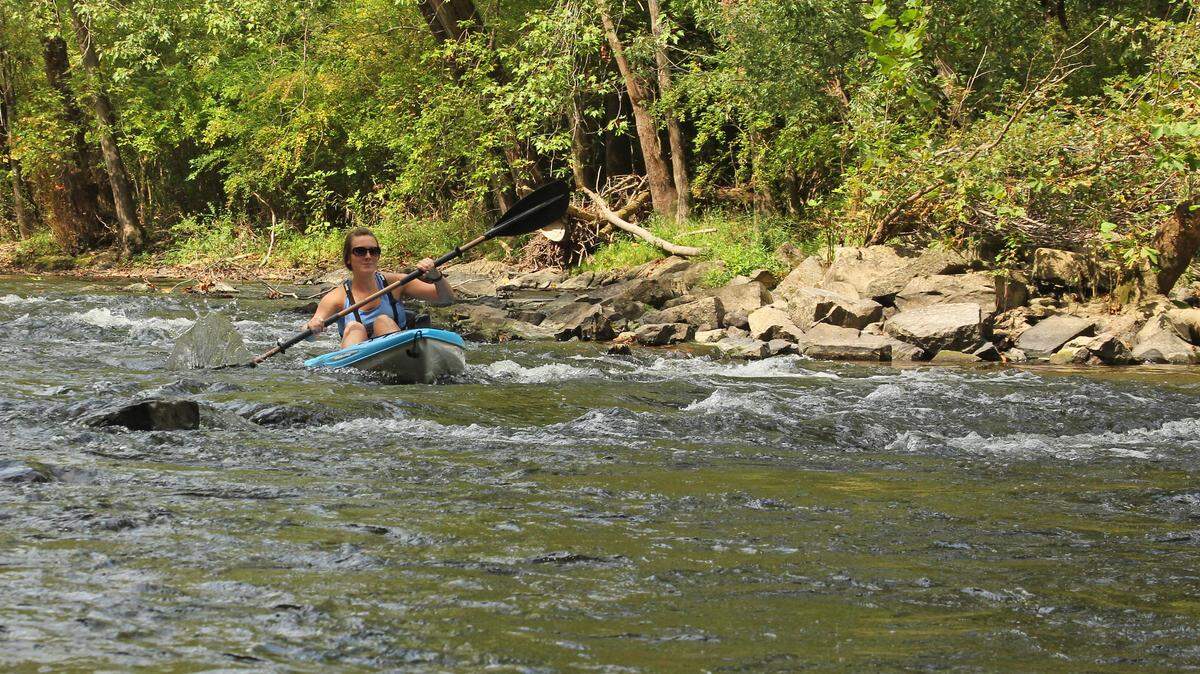
There is an ongoing conflict between kayakers and canoeists and trout anglers. In a recent local paper, I read a letter to the editor touting an extreme position about the conflict. The flyfishing guide suggested that the Little Juniata River was too valuable of a trout fishing resource to allow kayakers and canoeists access. I am sure that there are other trout anglers who feel the same way about Spring Creek or Bald Eagle Creek below Milesburg.
I will be honest — it irritates me when a parade of paddlers drift by while I am fishing. However, I am also a kayaker, and neither group owns the water. The letter writer does not own the river, and he conveniently forgets that much of the river remains open to fishing only because it is navigable.
Self-appointed advocate
Then we have “whack ‘em and stack ‘em” Ted Nugent, a self-appointed advocate for hunting and gun ownership. Nugent is about as polarizing a figure as you can get. He has even threatened violence against advocates of gun control. By the way, according to online sources, he gets paid $50,000 to $100,000 per speaking engagement. So, I guess that it pays to be polarizing.
I am a gun owner, supporter of the Second Amendment and a lifelong hunter, but when I see Nugent, it is, well, simply embarrassing. Nugent does not represent me, and I am pretty certain that his extreme positions have never won over a single anti-hunter — and they never will.
Missing the point on wetlands habitats
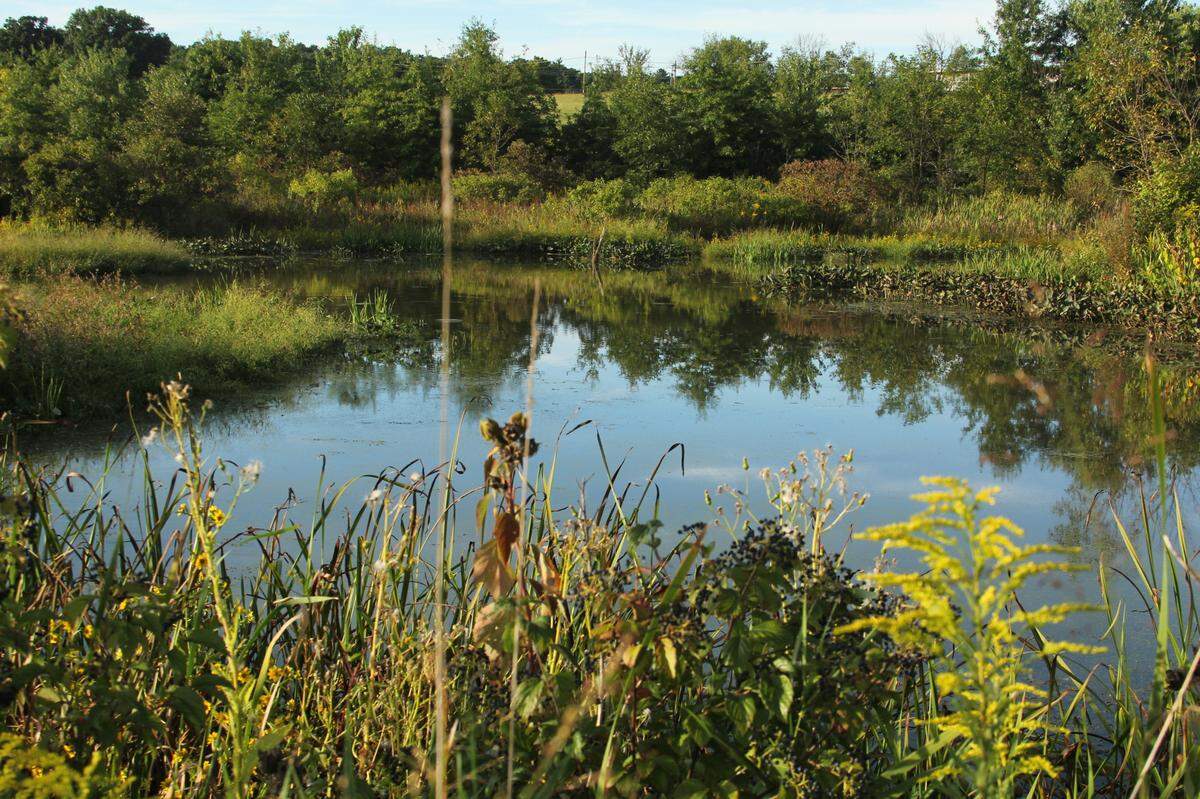
The Old Crow Wetland in Smithfield Township, Huntingdon County, has been a focal point of contention ever since Rutters announced plans to build a huge truck stop/gas station/convenience store immediately uphill from the wetland.
As a longtime user of that wetland for photography, birding and wildlife viewing, I am opposed to this construction based on current plans. With 220 avian species reported, this is currently the No. 1 birding spot in Huntingdon County. Well over 2,200 checklists have been reported to eBird. It would be a shame to have development put this unique wildlife habitat in jeopardy.
However, I bring this issue up because there was a period when the grass trails were not being mowed and some on social media hypothesized that the township was not mowing the trails as retaliation for protests against the Rutters development. Again, on social media, an environmentalist commented that the wetland would be better off if the trails were never mowed.
Wow, it is amazing how this extreme view misses the point. While it is true that in the short term, the wetlands wildlife would be better off without any human intrusion, the wetlands habitat would not. If the wetlands are destroyed, so goes the wildlife.
The Old Crow Wetland has hundreds of supporters because there has been access. I would venture to guess that without mowed trails, few people would be willing to brave chest-high vegetation. It would certainly eliminate the dog-walkers, casual birders and photographers. I would guess that use would decline by 95% of the current number — maybe more.
Stakeholder group should look for solutions that benefit all
Lastly, consider the extreme position put forth by three Pennsylvania Fish and Boat commissioners in April 2021. Under the guise of protecting wild trout and with no scientific evidence as support, the commissioners proposed to make approximately 3,000 miles of Pennsylvania’s best wild trout streams catch and release artificial lures only.
While they are supposed to represent all anglers, their move, if passed by the full commission, would have disenfranchised at least 80% of the license buyers who primarily fish with bait. Fortunately, the full commission did not support this motion.
In the outdoor world or in politics, extreme views rarely solve anything. In fact, the often have the opposite effect.
In light of this, a year ago the Pennsylvania Department of Conservation and Natural Resources created the Office of Outdoor Recreation. Just recently, the department announced the formation of a new stakeholder group — the Recreation Engagement Coalition. It contains a diverse group of people representing many outdoor interests. It is my hope that the group can calmly discuss viewpoints, make rational decisions and meet somewhere in the middle with solutions that will benefit all Pennsylvanians.