
And now a lesson from the IOC: Follow the money
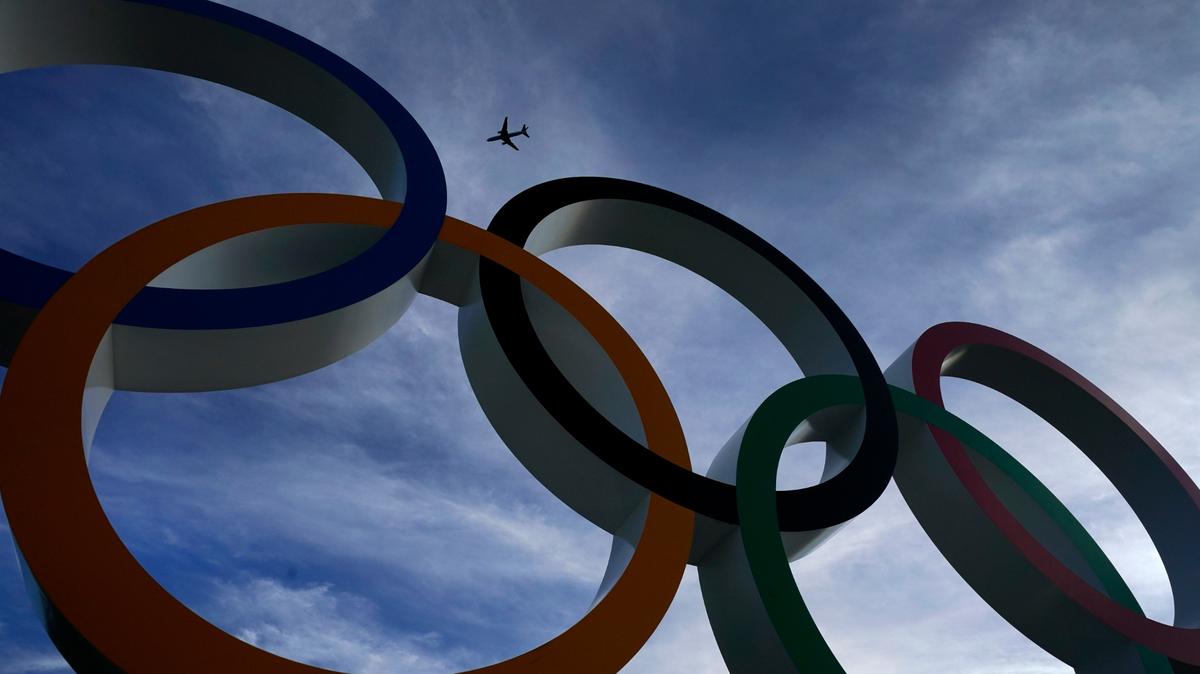
Just as we hit October and football and baseball turn interesting, I’d like to take a moment to mention the Olympics.
The Tokyo Games took place in July and August — that’s a reminder, in case they are fading from memory — and the winter version will come back around in February, this time in Beijing.
So why do we care?
Tokyo’s Olympics set a record for cost at $15.4 billion which, on the face of it, should be tough to do at an event known for chaotic planning and cost overruns. The games also were held over the objections of the majority of Japanese people, according to multiple polls.
China’s games, meanwhile, already are raising objections from naysayers calling out issues such as the host government crushing dissent in Hong Kong and the internment of Muslims in western China.
But anyone who thinks the Olympics will not happen in China is foolish. Exhibit A, they went ahead in Japan during a pandemic, even though they were delayed by a year. And there have been previous examples of relevant officials ignoring concerns about the games.
In 2016, Zika virus was supposed to get everybody in Brazil. The games went on.
In what seemed like a big concern at the time, in 2014 the unfinished Russian facilities in and around the Sochi Winter Olympics came in for heavy criticism as journalists tweeted out photos of broken doors and toilets in their hotel rooms. A @SochiProbz account on Twitter enjoyed a brief moment of stardom. Nonetheless, the games went on.
It was another era, but in 1980 and ‘84, the games were held despite Cold War boycotts.
You could say that the reason the Olympics march forward with humanity’s collective assent, despite being an economically dubious proposition for the cities where they take place, despite requiring the globe to turn a blind eye to the suffering of many people in host nations, is that on balance the spirit of fraternity and peace they generate is worth all that. Japanese Prime Minister Yoshihide Suga, who is stepping down amid widespread criticism of his leadership on COVID-19, essentially made that argument last week.
Or you could say the people suffering in any particular place are, generally speaking, a long way away from most other people on the planet, and empathy travels poorly. Pieces of both these reasons may be true.
But another, perhaps under-considered matter is the speed of the contemporary news cycle, along with the nature of sports.
Obviously, news has traveled faster in the first two decades of this century than it ever has, thanks to social media. Once the audience has the basic message — Zika bad, coronavirus bad — it sometimes can be difficult to keep the attention of the audience and editors if not much propels the story forward.
Then, once the Olympic flame is ignited, the globe turns almost completely to the competition itself and the stories contained therein. The Olympics is the world’s largest sports festival, after all, and it pits nation against nation. By the time it’s all over, journalists — to say nothing of broadcast rights holders — tend to look back with the first stirrings of nostalgia at the spectacular performances of particular athletes. The big issues before the games tend to get washed away.
Now, I’m not dumb enough to call for a ban on the Olympics or something equally ridiculous because of all this. I just want to point out to you, dear reader, that you’re being played. Because the International Olympic Committee knows from experience that, at least up to this point, any amount of heat it gets about where it holds the games, or any moral queasiness you feel tuning in, will ultimately get crushed under the weight and momentum of the Olympics themselves.
Hold that thought.
In Penn State sport’s journalism program we have a hashtag when it comes to sports business: #whogetspaid. It means if you see who benefits financially from a deal, you’ll understand how and why it got made. It’s not original, really. The Roman statesman Cicero asked, “Cui bono?” or roughly “Who benefits?” The Dude character in “The Big Lebowski” tries to say something similar at one point, citing Lenin.
So, who gets paid in a scenario where the Olympics get held regardless of the circumstances? Well, according to Stephen Wade, a former colleague at The Associated Press and an Olympic beat writer for the news agency, “the IOC earns 91% of its revenue from selling broadcast rights and sponsorships.”
I’ve always admired Wade for driving the conversation back to bottom line motivations. And recently, I noticed him dispensing Woodward and Bernstein-esque advice in a tweet. “Follow the money,” he wrote. “Always. Always.”