‘We’ve come a long way.’ Older LGBTQ+ State College residents reflect on what’s changed
AI-generated summary reviewed by our newsroom.
- State College has undergone significant change in terms of LGBTQ+ acceptance.
- Penn State added sexual orientation to its nondiscrimination policy in 1991.
- State College was declared a transgender sanctuary city in 2024.
State College Pride drew record-breaking numbers of attendees from Centre County and beyond to celebrate the LGBTQ+ community this year, but queer history has not always been a parade in State College.
“When I first came out ... it was a lot different, you know?” said State College Borough Council member Kevin Kassab, who is the former LGBTQ+ Liaison for State College and member of the LGBTQ+ Advisory Committee. “You were a lot more concerned about people knowing and finding out your sexual orientation.”
Kassab, 68, has lived in State College for more than 43 years. During his youth, however, secrecy was how queer individuals maintained their safety and community.
“There wasn’t much to do here in State College,” Kassab said. “It’s called The Basement now, below The Corner Room, and that was Mr. C’s years ago. On Sunday nights ... we called it Gay Night. That’s what we had.”
With community gathering spaces at a minimum and stigma surrounding LGBTQ+ individuals on the rise, State College wasn’t exactly welcoming for its queer residents, but it had its advantages over the surrounding area.
“We’re a college town,” Kassab said. “College towns are generally more progressive, but we are surrounded by our rural communities. You do have issues and concerns that pop up.”
Golden Group builds community
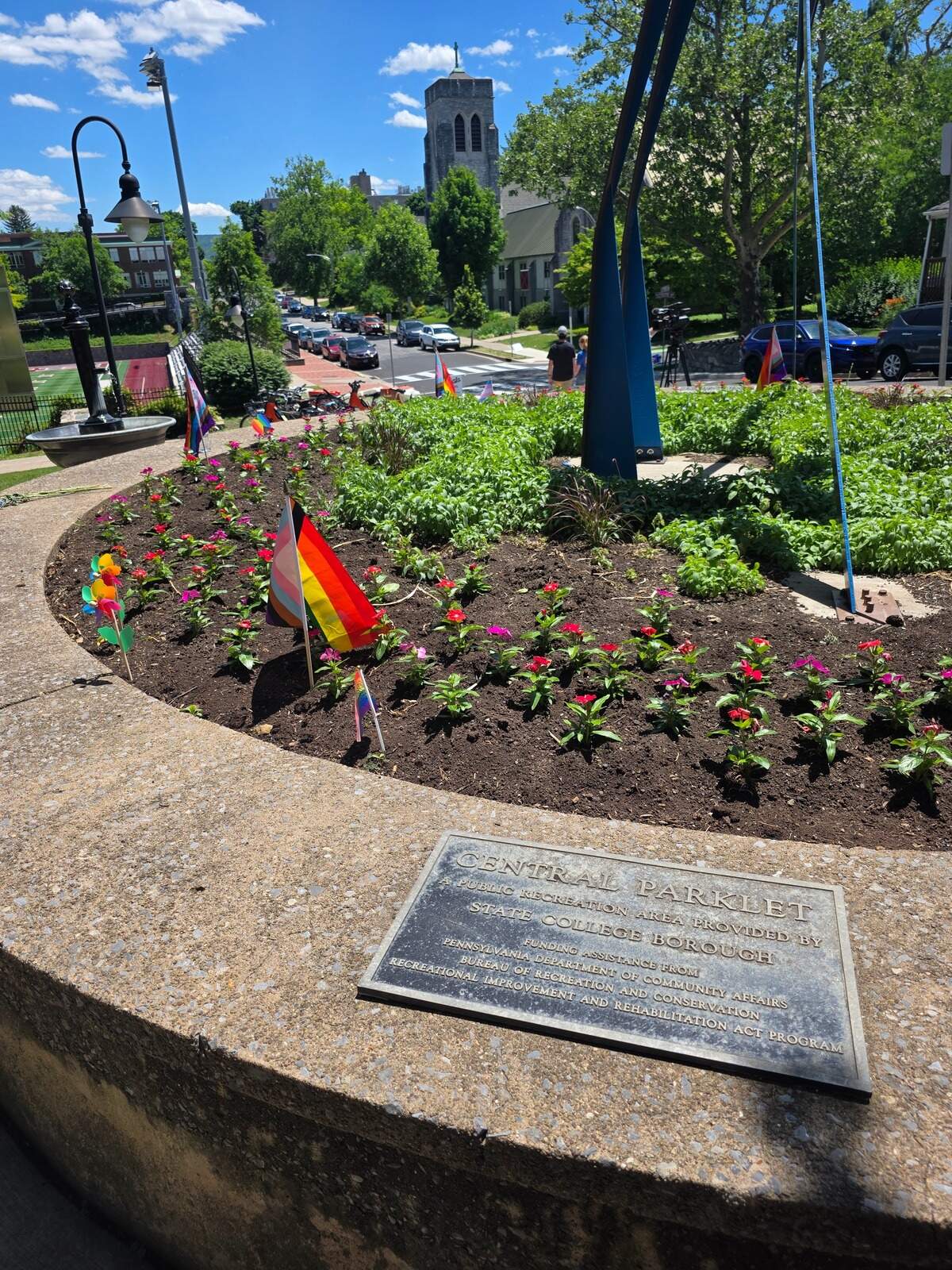
This type of lived experience was the foundation behind the Golden Group, a community group for queer residents aged 50 and older hosted by Centre LGBT+. The group, which meets at least once a month, is intended for older queer residents to share lived experiences and connect with peers who navigated their identities under similar circumstances.
“At its core, this group says that older queer people are not an afterthought; they are part of the community’s present and future,” Cat Cook, director of Centre LGBT+, said in an email. “It also means honoring the fact that older LGBT people carry lived experience, memory, resilience, and history that younger people can learn from. In that sense, creating a group for older members is not only about support, but also about visibility and dignity.”
In a youth-dominated community like State College, LGBTQ+ elders’ voices can fall by the wayside in discussions about community growth, local resources and even history, according to Cook.
The sentiment was echoed by Golden Group members and lesbian couple Sabrina Chapman and Marilyn Eastridge. The pair have been together for 46 years and married for 12. What makes Golden Group “special” to them is not only the ability to form a community within the group, but also how to voice their experiences to those outside of it.
“We’re more able, now, to talk to each other,” Eastridge, 88, former coordinator of exercise and sport science program at Penn State, said. “We just had about an hour’s conversation with a man ... a gay man, and we just talked about our experiences as young people and what it was like for us. ... They weren’t things we’d talked about before, and it was very freeing and liberating, still, to be able to talk to him comfortably.”
Adding protections at Penn State, beyond
Chapman and Eastridge have been living in State College since their late 20s, and they have seen the region through a lot of change, especially when it comes to the LGBTQ+ community.
“For a long time, The American Psychiatric Association considered [homosexuality] a mental illness,” Chapman, former director of Penn State’s Center of Women’s Studies, said. “I was maybe 32 when it was no longer declared a mental illness ... there were decades of closeted people.”
Chapman and Eastridge met while attending faculty women’s club. Eastridge, then a board chair of the Women’s Resource Center (now Centre Safe) and Chapman, the director of the women’s studies program, struck up a conversation about the placement of the program — not yet a major — within the university.
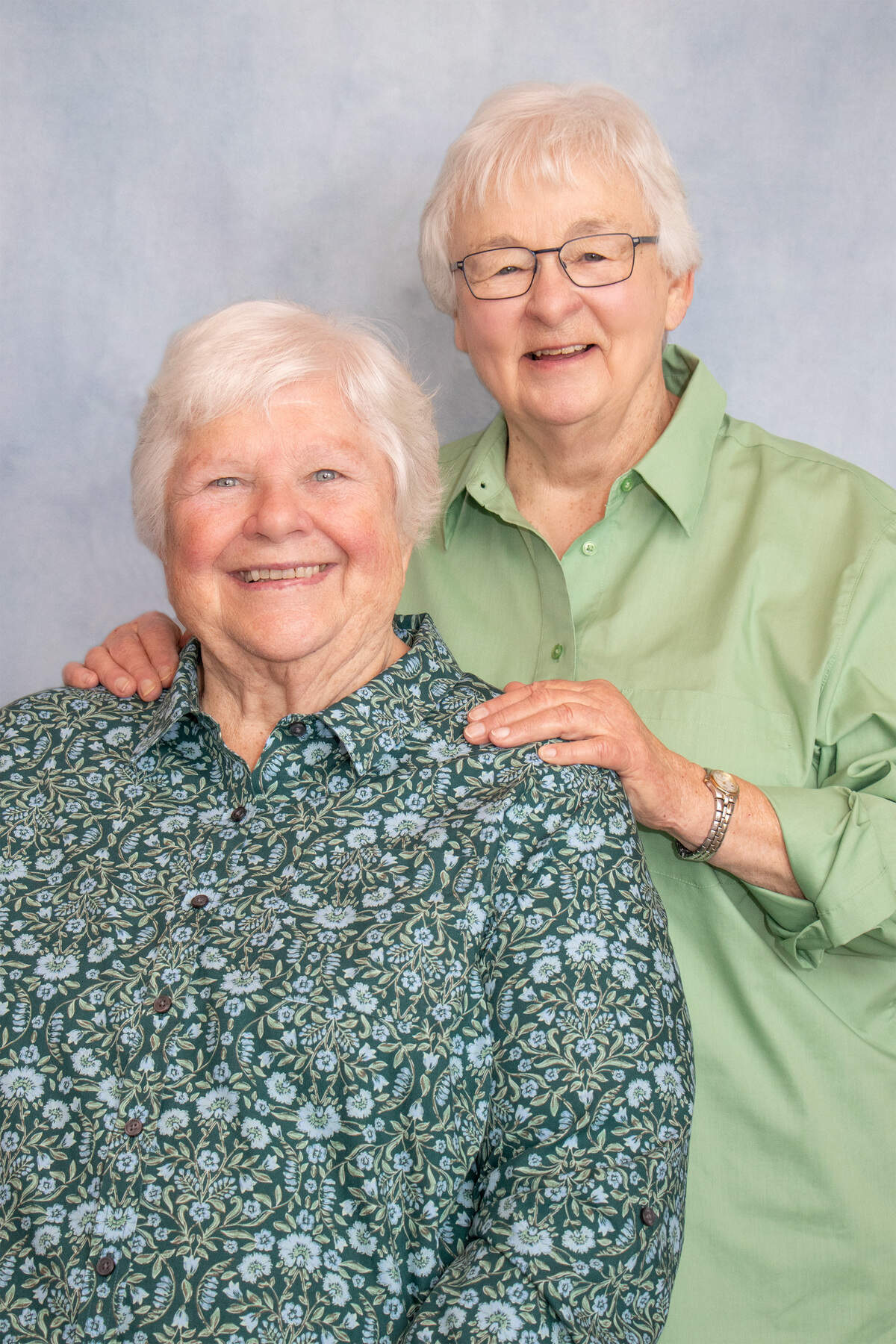
“[We] just had a very strong affinity for one another right from the beginning,” Chapman said. “Social justice just has run through both our lives.”
Now co-chairs of the Diversity, Equity and Inclusion (DEI) committee at Foxdale Village Retirement Community, Chapman and Eastridge recalled a time when protection from discrimination was still a relatively new concept.
“I remember from that time ... the faculty senate had to have hearings to present why sexual orientation should be included in the university’s nondiscrimination policy,” said Chapman. “And we both did that.”
“Joab Thomas was the president of the university at the time, and I had an appointment with him to discuss, first, the addition of same-sex partner insurance,” Eastridge said. “He read a letter to me from one university donor that said he, if they added [homosexuality] to the nondiscrimination policy, he would withdraw all his donations. I thought it was akin to harassment.”
Penn State officially added sexual orientation to its nondiscrimination policy in 1991, and with it, came decades of change for the LGBTQ+ community.
State College included LGBTQ+ individuals in the fair housing ordinance in 1993, the first of many municipal actions to broaden queer acceptance. According to Kassab, the borough later implemented a program that acknowledged same-sex partners in living situations, healthcare and other benefits, before the legalization of same-sex marriage.
Still more work to be done
Since 2021, State College has earned a perfect score on the Human Rights Campaign’s Municipal Equality Index (MEI), a rating system designed to determine how safe and accepting a municipality is for LGBTQ+ community members.
The borough has participated in the ranking since 2017, where it received an initial score of 73%, which Kassab said the borough invested significant time and effort in changing.
“We really worked hard with the Municipal Equity Index,” Kassab said. “We did things like gender-neutral restrooms within municipal properties.”
State College also declared itself a sanctuary city for transgender individuals in 2024.
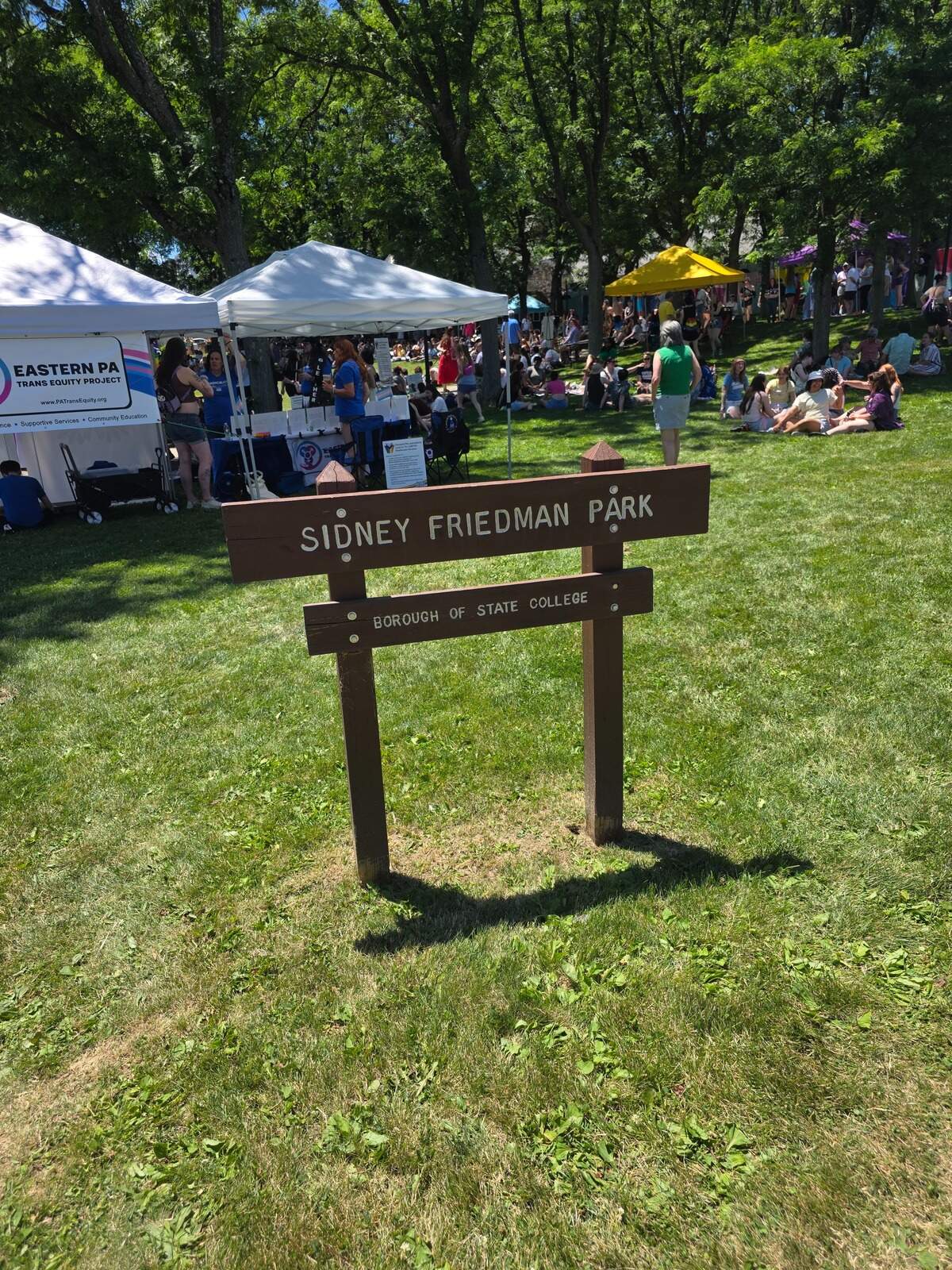
Sonya Wilmoth, co-chair of the borough’s LGBTQ+ Advisory Board and director of the Center for Sexual and Gender Diversity at Penn State, said the sanctuary city resolution was a major step for the borough.
“That proclamation really set the tone, I think, for the general public to say ‘Yes, you know, we are going to put things in place to protect the people that live here,’” she said.
While State College might have improved in terms of its acceptance, to many, the fight for queer liberation is far from over, especially in lieu of rising anti-LGBTQ+ legislation on the state and federal level.
“We’ve come a long way, but there’s still so much more,” Chapman said. “And what needs to be accomplished needs not to be eroded.”