
A year in crisis? Police in Centre County on track for record-setting mental health calls in 2019
READ MORE
Mental Health on Centre
In Centre County, there has been a dramatic increase in “302” mental health warrants. In March 2019, 29-year-old State College resident Osaze Osagie was shot and killed while police officers attempted to serve one of those warrants, sparking controversy across the community. “Mental health on Centre,” an ongoing series from the Centre Daily Times, explores how the mental health system is helping or hurting community members.
Expand All
‘A real failure in the community:’ County officials, residents search for mental health solutions
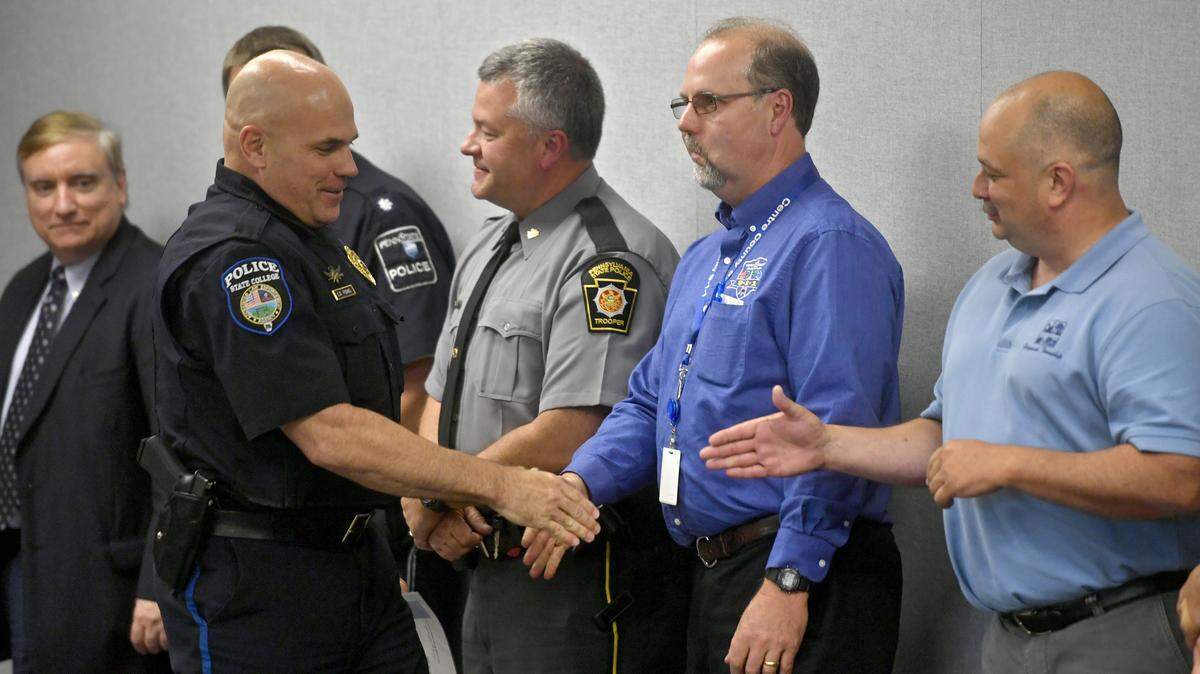
Centre County police are responding to more mental health calls. Is their training enough?
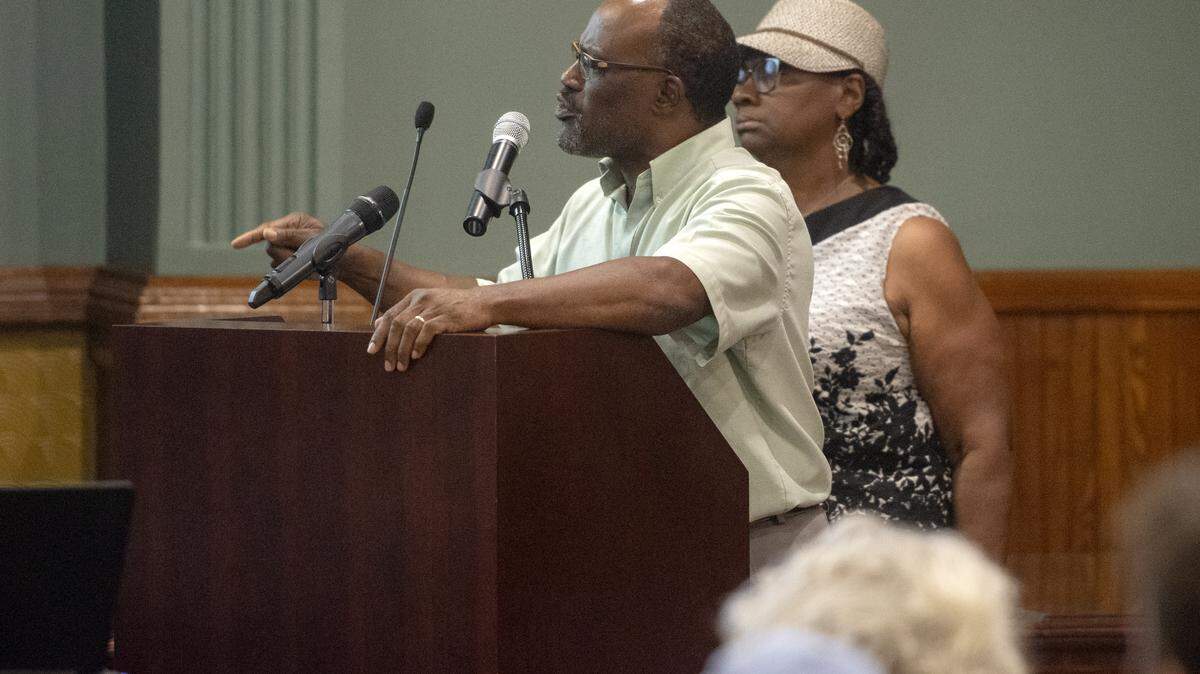
Where are the gaps in Centre County’s mental health system? Residents speak out
Centre County residents feel ‘unintended consequences’ of a transitioning mental health system
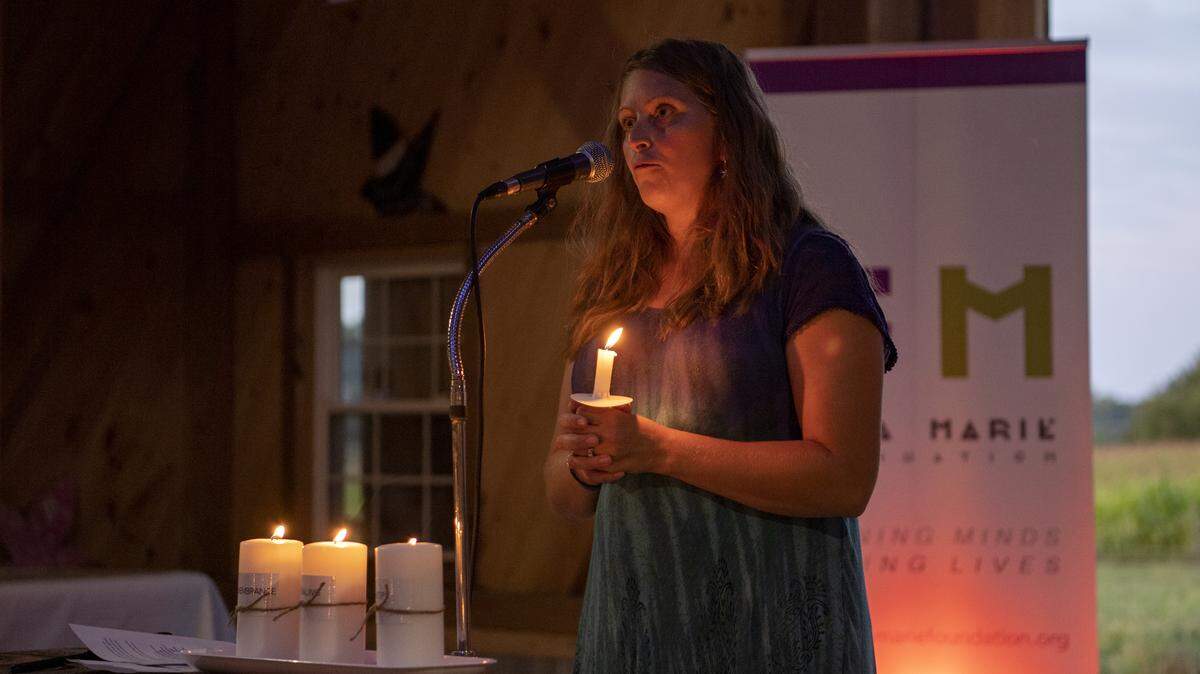
Amid rising suicide attempts in Centre County, ‘we need to be taking action,’ community members say
Police and first responders are on pace to respond to a record-setting amount of mental health, emotional distress or behavioral health crises in 2019 as conversations about mental health services in Centre County continue.
Crisis intervention team coordinator Tracy Small said 675 CIT calls were reported through Wednesday.
That nearly topped the 677 CIT calls reported in 2017 and is more than three times as many calls reported in from 2011, when the county implemented CIT training.
There is no “clear-cut” explanation for the increase, Small said, but she theorized it may be attributed to an increase in police officers who have CIT training.
About 85% of municipal police officers and 98% of full-time, sworn Penn State police officers at University Park have received the training.
“They now have a better understanding of the purpose of completing a CIT referral form, and they are therefore completing these forms more frequently to help link people to services,” Small said. “... There has also been a steady increase in the number of people in crisis in our community; particularly Penn State students, as it seems that number increases almost every year.”
Increases in students seeking services
The increase locally is not dissimilar from national trends on collegiate campuses. Nearly all have seen “huge increases” in students seeking mental health services, Penn State Counseling and Psychological Services Senior Director Ben Locke said.
The increases should not come as a surprise, he said, because the past two decades have been defined by national suicide prevention and mental health intervention initiatives.
It’s reflected in high schools that have anonymous reporting systems, colleges and universities expanding their mental health services and communities responding to an increasing demand.
“When I arrived here 16 years ago, community mental health providers in State College didn’t tend to be full until December,” Locke said. “This year, for the first time, we were hearing that community providers were full as early as August.”
A 2015 Center for Collegiate Mental Health report found counseling center utilization increased by an average of 30-40% from fall 2009 until spring 2015, while enrollment increased by only 5%. The average level of increase in demand, meanwhile, was about 30%.
There is not a “crisis in mental health,” Locke said. Instead, there is a “crisis in treatment capacity.”
“If you spend 15 years trying to convince people to go get a cancer screening, and then over those 15 years you never grow the number of people available to do cancer screenings, you’re gonna have a problem,” Locke said. “That’s exactly what’s happening in mental health. We did not proactively grow mental health treatment capacities while we were in the process of trying to convince an entire new generation of people to seek help willingly.”
Mental health system took spotlight after shooting
The county’s mental health system took the spotlight in 2019 after a State College police officer in March fatally shot Osaze Osagie, a borough resident with a history of mental illness, while trying to serve a mental health warrant.
Police have been called upon each of the past three fiscal years to serve an increasing volume of mental health warrants.
There were 283 involuntary commitment evaluations conducted during the 2016 fiscal year — 28% of which were voluntary. That number increased to 362 evaluations during the 2018 fiscal year, though 51% were voluntary.
“We believe education of our crisis services across families, community members and law enforcement are reflective in the trends,” county Human Services Administrator Natalie Corman said. “We are connecting people to treatment at their time of need, whether voluntary or involuntary. While evaluations have increased, it is not reflective in the involuntary hospitalizations, (which) have not increased, thus showing the increases in other treatments and supports.”
Following Osagie’s death, Centre County District Attorney Bernie Cantorna recommended a task force be created to address possible deficiencies in the mental health system in his 228-page report about the shooting.
County and local officials have largely followed through on that recommendation by creating a joint mental health task force that is spearheaded by State College.
The State College-Centre County mental health task force held its first meeting in September, but now faces the need to “reset” following the November death of Billie Willits, Commissioner Michael Pipe said earlier this month.
State College Borough Council pledged $200,000 to fund the task force, a racial equity plan and an outside consultant to review the police department’s policies and procedures.
Borough police Chief John Gardner and Assistant Borough Manager of Public Safety Tom King in July said they were eager to hear recommendations from the task force, including co-responder programs.
Centre County gains new service, but is set to lose another
In August, the county commissioners approved a nearly $695,000 contract for a new 24/7 walk-in center for crisis assessment. The facility, which is operated by the Center for Community Resources, opened at 2100 E. College Ave. earlier this month.
Mental health services within the county, however, were dealt a recent blow with the announcement that Universal Community Behavioral Health — which runs Can Help — plans to close its Bellefonte outpatient location in February.
The Center for Community resources is expected to fill the gap starting Jan. 2 with crisis intervention services, Corman said this month.
“We’re really going to try to work throughout our entire healthcare system for this,” she said. “Something like this impacts our entire health care system ... we’re going to maximize everything that our county has for this right now with this loss.”
The first assignment of the joint mental health task force, county Administrator Margaret Gray said, is to map and identify the county’s mental health resources — even if more are added in the future.
“We are in a very challenging time with respect to people accessing the treatment that they need, but the fact that they are coming forward, asking for help, asking for treatment and being identified as people who might need help should be characterized as a success,” Locke said. “We really did set out nationally to do exactly that, and now we’re all having to play catch up.”
This story was originally published December 19, 2019 at 8:36 AM.