2 locals aim to further race-based dialogue in Centre County with online series. Here’s how to watch
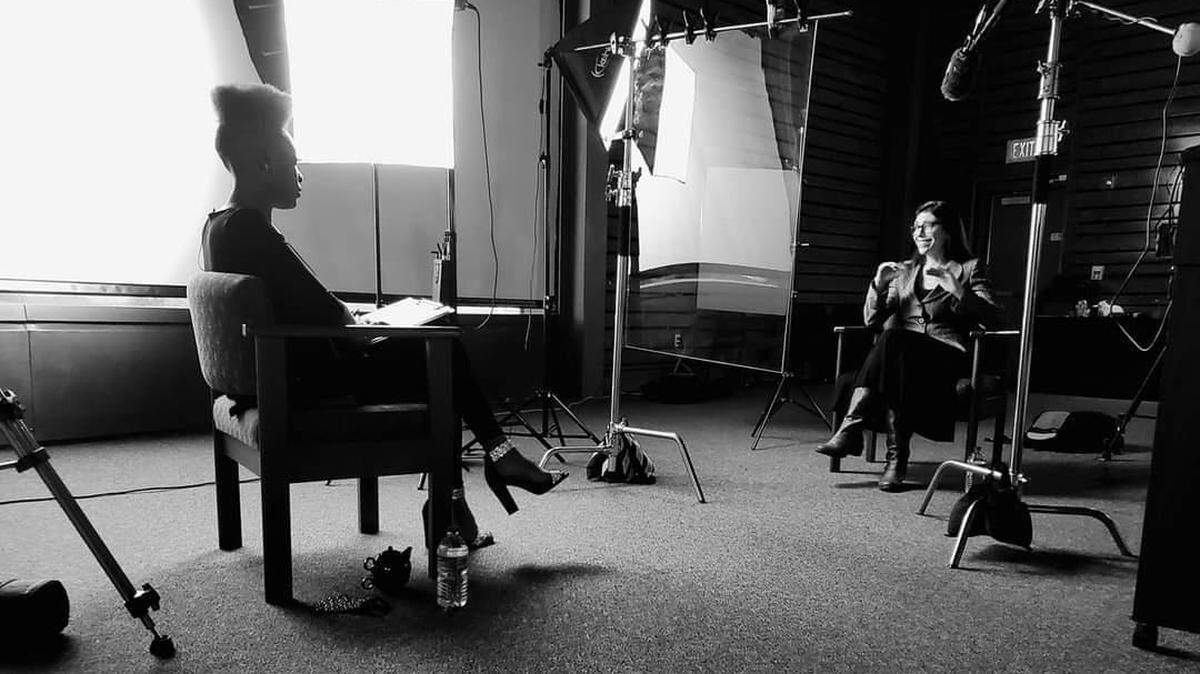
Tierra Williams, a local activist involved in the Black Lives Matter movement, often lingered this summer following the downtown marches and protests in State College. For more than an hour some days, supporters would approach her — often, white supporters — to pepper her with questions.
How can white people help? Why are you so angry? Can I touch your hair? (For the record, the answer to that last question was a “Hell no,” Williams said with a laugh.) It was then that Williams, a Black woman in her late 20s, realized: Centre County needs to start a much larger race-based dialogue.
After months of planning and generating ideas, and weeks of filming and editing, Williams’ realization is finally set to become a reality during Black History Month. She, along with producer/editor Pablo Lopez, will soon release “Black Tea,” a five-episode online series that will take a closer look at racial issues in Centre County — involving politics, religion, interracial dynamics, education and Osaze Osagie, the 29-year-old Black man who was shot and killed by local police in 2019.
The first episode is set to air at 7:30 p.m. Saturday, with each episode posted every Saturday night through March 6. Viewers can watch the show on the “Black Tea” Facebook or YouTube pages, where each episode will be available for free and can be replayed anytime after they’re posted.
“Having this opportunity to have a platform, where we can have conversations, I believe that can cease conflict,” Williams said. “This town is walking around like it’s Happy Valley but, if I go outside long enough, I still deal with microaggressions, implicit bias and racism. And I know I’m not the only one.”
Each episode will last about 30 to 40 minutes, with the first titled, “Post-Trump, Pre-Biden: Is America Great Again?” Episodes will feature three segments: a panel with community contributors such as State College Mayor Ron Filippelli, a brief Q&A with Williams — patterned after those post-protest questions — where the community asks about different issues, and a performance segment that might include African dancers, poets or musicians.
“The target audience is Centre County. Period,” Willams said. “It is the Black people in Centre County and the white people in Centre County. There’s a problem at both ends.”
For white people, Williams said, the problem is that racism around the county isn’t fully acknowledged. Her young son was once called a “spider monkey” by a teacher, an anecdote similar to Penn State’s Black Caucus president, who shared Sunday she was called a “monkey” earlier in her college career. Williams, who holds a B.A. in Speech Communication, said one teacher even said aloud, “I don’t know how to teach a Black child.” Microaggressions, or more subtle forms of racism, also happen multiple times every day.
For Black residents, Williams pointed out that the small community has an even smaller number of activists. Some might want to avoid the topic of race, especially if they feel accepted by their white friends and colleagues, but Williams said Black residents shouldn’t feel forced to hide their culture. One biracial supporter approached her during those summer protests and referred to herself as a “mixed breed” in a self-deprecating manner; Williams corrected her.
“We can sit down, and we can talk to each other,” Williams said, referring to both Black and white residents. “We can have these conversations. We have to call things for what they are. We have to acknowledge them. And we have to figure out a way to move past them — and I feel this show is giving people the proof that this can happen, that conversations can happen.”
Williams and Lopez first discussed this venture in October, at a sidewalk table just outside of Webster’s Bookstore Cafe. Lopez, CEO of Dark Mind Productions, returned two months later with news that he had received a grant from 3 Dots Downtown, a local organization that supports the arts. The two started filming Jan. 16.
Since then, the pair have gotten to work quickly, conducting more than 40 interviews while filming the segments. Work still needs to be done — but Williams’ hope is the same hope she shared over the summer.
She just wants to make a difference. And, she hopes, those who watch will want to as well.
If You Watch
What: “Black Tea” online series
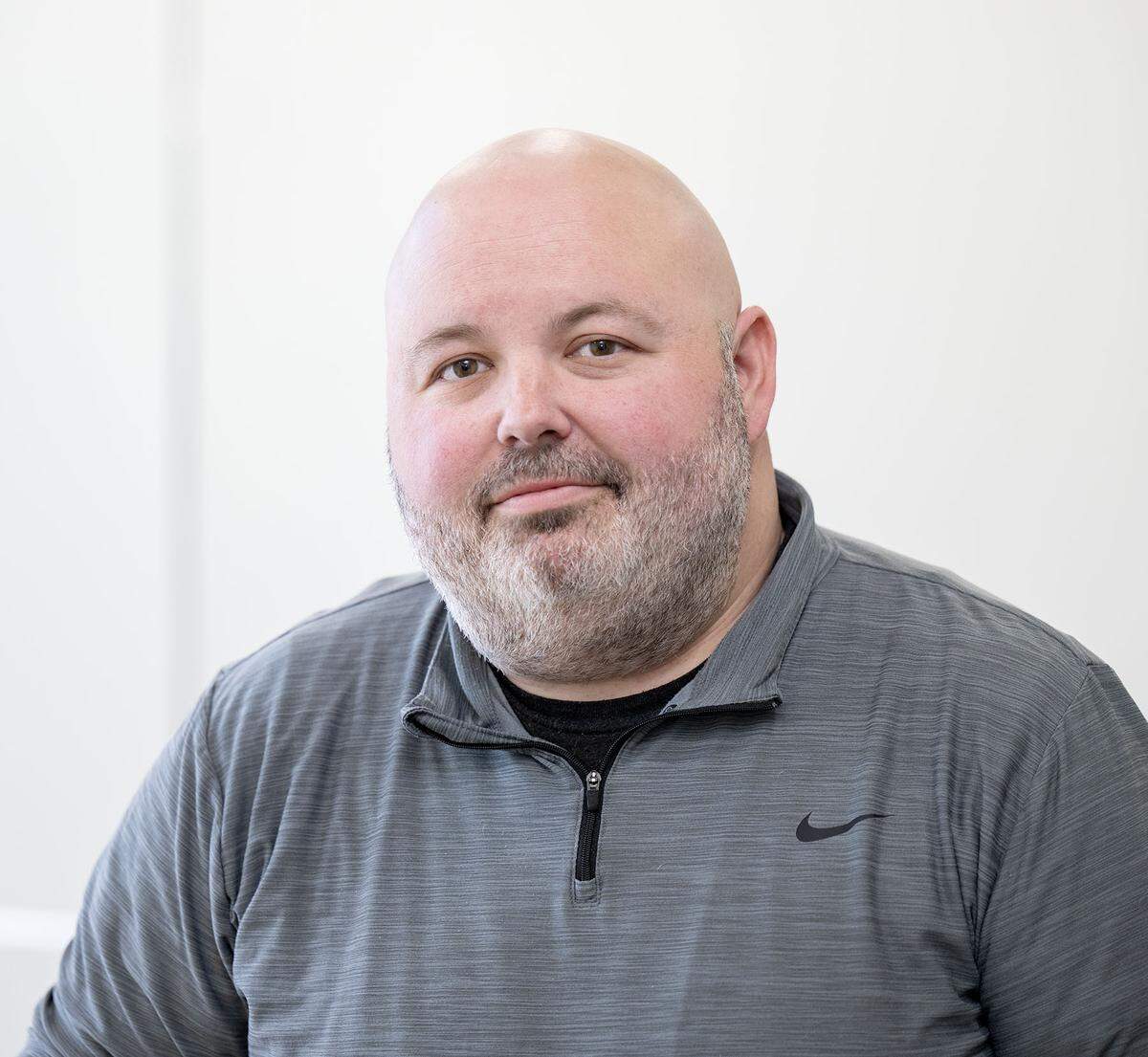
Who: Host/creator Tierra Williams and producer/editor Pablo Lopez
When: Episodes will be posted by 7:30 p.m. every Saturday, from Feb. 6 through March 6
Where: Online on YouTube (https://bit.ly/3aw5s7W) and Facebook (facebook.com/TierraWilliams.BlackTea)