Without a local EMS company, concerns of delayed ambulance service to Port Matilda loom
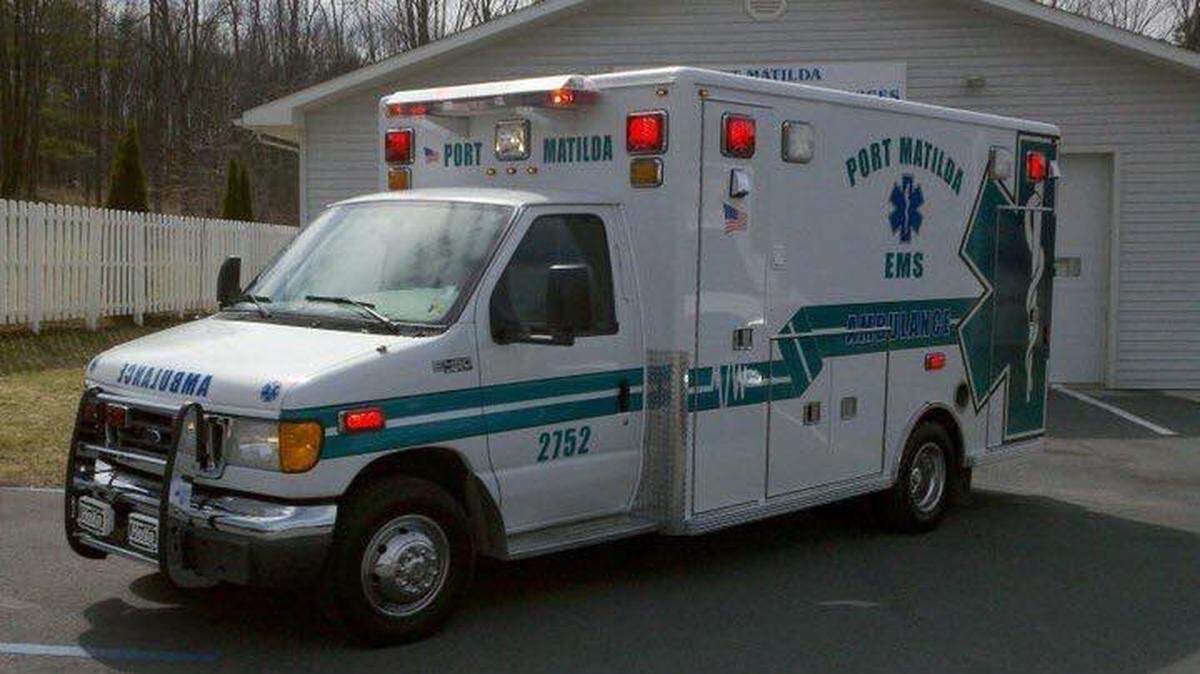
With the closure of the emergency medical service agency in Port Matilda, the borough and parts of surrounding townships may face longer response times during a medical emergency.
The Port Matilda EMS announced on Monday that it planned to close within three months, as it expects to be down to two part-time employees and one volunteer by the end of the year. A shortage of trained EMS personnel and an inability to provide competitive wages and benefits also contributed to the decision, according to its Facebook post.
The Port Matilda EMS coverage area includes the Port Matilda borough and parts of Halfmoon, Huston, Worth, Taylor and Ferguson townships.
Mark Lively, chair of the Port Matilda borough council, said the borough knew the closure was a possibility, as the EMS has been struggling for some time, but “didn’t realize just how imminent it was.”
“The borough council did our best to support them. We’ve given them increases in funding every year. We had another increase scheduled for next year. But it’s not like we’re swimming in money and, you know, we have other bills that have to be paid and other things that we have to do, but we always try to set aside money for the ambulance because we understand its vital position in the community,” Lively said.
Port Matilda EMS was the primary service for the borough, Lively said, and Centre LifeLink EMS was the secondary call. He said he plans to talk with Centre LifeLink to see what can be done moving forward and that the borough wants to cooperate with all of the surrounding agencies.
“We want to make sure that people have this necessary lifesaving service available to them, and we want to make this happen,” Lively said.
The Port Matilda EMS serviced parts of western Ferguson Township. Centrice Martin, township manager, said she’s also contacted Centre LifeLink and hopes they can discuss and explore options of continued EMS for all parts of the township.
Laura Dininni, chair of the Ferguson Township board of supervisors, said she was “saddened and concerned” to learn of the closure. She said Ferguson, like Port Matilda, has regularly contributed some level of financial support to the EMS. The crisis of emergency services that is seen across the state, particularly in less urbanized areas, should be a high priority for every elected official, she said.
“This year in our budget deliberation, the Ferguson Board touched on the need for a larger conversation with mutual aid partners in terms of how the Centre Region municipalities and the County can best ensure a fairly funded, uniform level of service of all emergency services for all our residents,” she said in an email. “I, personally, would welcome the opportunity to discuss this regionally, and further understand how we can prioritize public safety and maintain all (residents’) equal access to this essential service.”
She said recent requests from the Centre Region Council of Governments for the release of more funding for the multimillion dollar Whitehall Road Regional Park project “are a stark juxtaposition to this news and, for me, a reality check on our service provision priorities.”
Dininni provided the most recent data available in terms of emergency service to the township from outside of the Centre LifeLink service area. In 2019, the Port Matilda EMS responded eight times and 13 times through the end of November 2020.
Emails seeking comment from Halfmoon, Huston, Worth and Taylor townships were not answered Tuesday.
‘They will be missed’
Executive Director Scott Rawson said it is still unknown if Centre LifeLink will become the primary EMS agency for Port Matilda. He said the agency was sorry to hear about Port Matilda EMS’ plans to close.
In the past two years, Centre LifeLink EMS has seen an increase in responses outside of its primary service area, the Centre Region, from 9% to 14% of the total call volume, Rawson said. They’ll continue to plan and prepare for “increasing out-of-primary area responses without jeopardizing the response to our primary service area,” he said in an email.
While there may be another EMS agency covering the borough, there is some concern about a delay in coverage. During medical emergencies, minutes matter, Lively said. With the Port Matilda EMS, an ambulance was five minutes away from any place in town, he said. Once it is closed, if Port Matilda residents have to wait for an ambulance to come from State College, for example, that could be an added 15 minutes.
It is difficult to find EMS professionals and volunteers who are highly trained, Lively stressed. Insurance reimbursements to the EMS agency vary, payments are delayed and it all makes it harder for agencies to pay professionals for their work. Rawson said as a result of EMS funding issues and expenses, the agencies are unable to pay competitive personnel wages; a majority of EMTs and paramedics work multiple jobs.
“I’m glad that they hung on for as long as they did. They are a vital part of this community and they will be missed. We appreciate them and they will be missed,” Lively said.
Rawson said the closure of the Port Matilda EMS would not be the fault of the providers who worked there.
“The few EMTs they do have go above and beyond with their efforts and should be very proud of their dedication to their community,” Rawson said. “Throughout the country many ambulance services, especially rural services, are closing their doors leaving their communities at risk of significantly delayed response in an emergency.”
Rawson said annual memberships and donations are vital to EMS, but they only go so far. Insurance company reimbursement needs to be significantly improved, he said. EMS companies are required to respond to every call, regardless of a patient’s ability to pay, and the companies are only reimbursed for their services if a patient is transported to the hospital.
“Mixed in with patients who are covered by Medicare or Medicaid (which do not cover the cost of providing the service), have private insurance, or who have the financial means to pay an ambulance bill on their own are a significant number of people who are either underinsured or who have no insurance at all,” he said.
Plus, if a call is canceled during a response or if the patient refuses to go to the hospital, many calls end up with no patient to bill.