
How CSAs support ‘community and connection’ across Centre County
Living in Centre County means you’ve probably passed a farm or two on your daily commute. Local traditions — Christmas tree picking and farmers market visits — keep these rural farms alive. But, between 2012 and 2022, trends showed Pennsylvania had fewer farms. This makes supporting local farmers more important than ever, and luckily, there are a number of ways to do so.
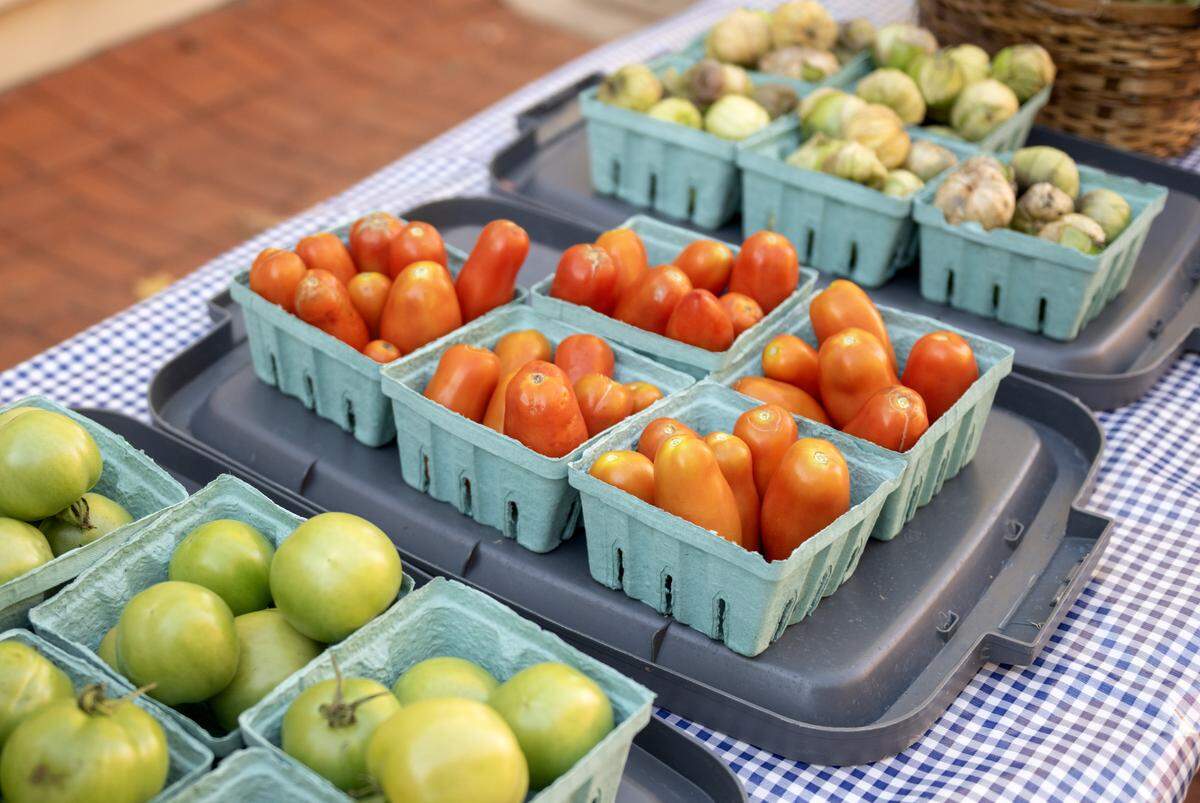
Community Supported Agriculture, better known as a CSA, is a way for farmers and consumers to collaborate in a uniquely hands-on way. Unlike the average farmers market, CSAs connect farms and community members through a subscription-based service model. By paying an upfront fee, CSA members subsidize farming costs while gaining fresh fruits, vegetables, and even meat from their local farms.
It’s an easy way to get your fair share of healthy foods while directly supporting the farmers working the land. CSAs make seasonal harvests that much fresher, and this fall, there’s no better time to bring a healthy diet and an array of tastes into the home.
Do you know your local CSA?
The local farmers who run a CSA put all their efforts into working the soil for themselves and the community. Sara Eckert, who co-owns Bellefonte’s Healthy Harvest Farm with her husband Dave Sandy, describes CSAs as a “reciprocal agreement.”
“It really gives us a feeling like we’re doing something that means something to other people, not just to ourselves,” Eckert said. Eckert and Sandy have run Healthy Harvest Farm for 14 seasons, dedicating their working hours to the fruits and veggies growing from their soil.
“This is our sole source of income, so a CSA provides a lot of stability when that’s the case. We have worked on other farms that did farmers markets, restaurant sales, and CSA, and we just really felt like a CSA was the way to be the most financially viable and stable,” Eckert said. “We support [the members], they support us, and it’s a sense of community and connection that people are often lacking lately.”
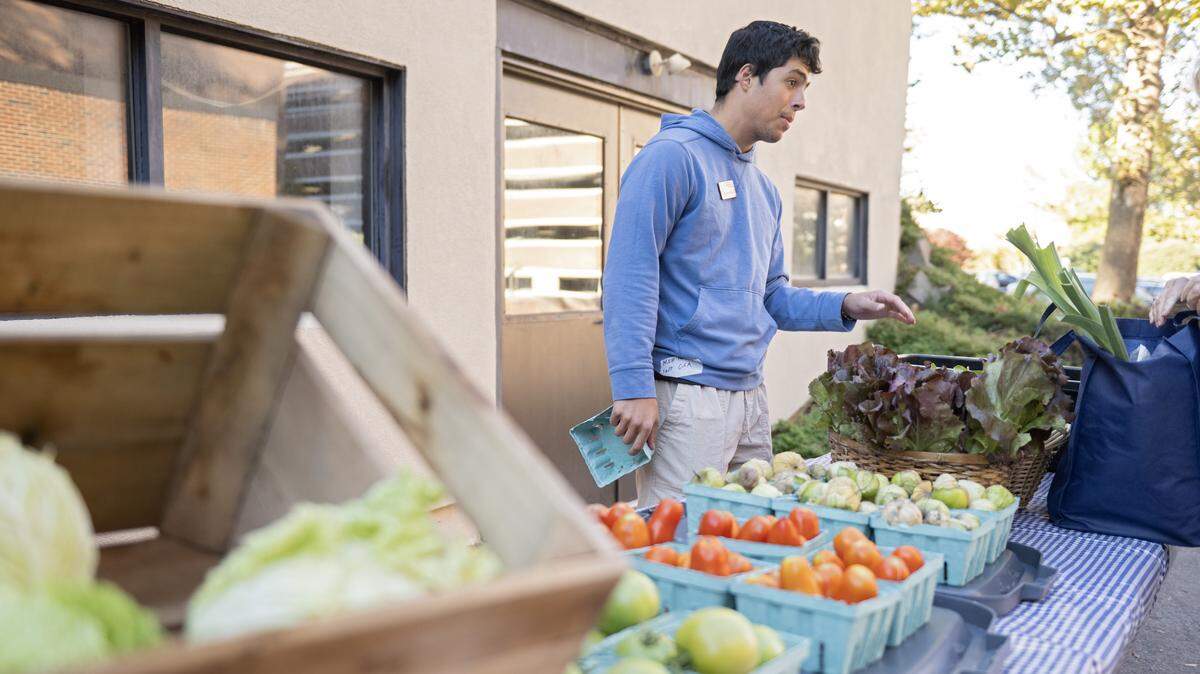
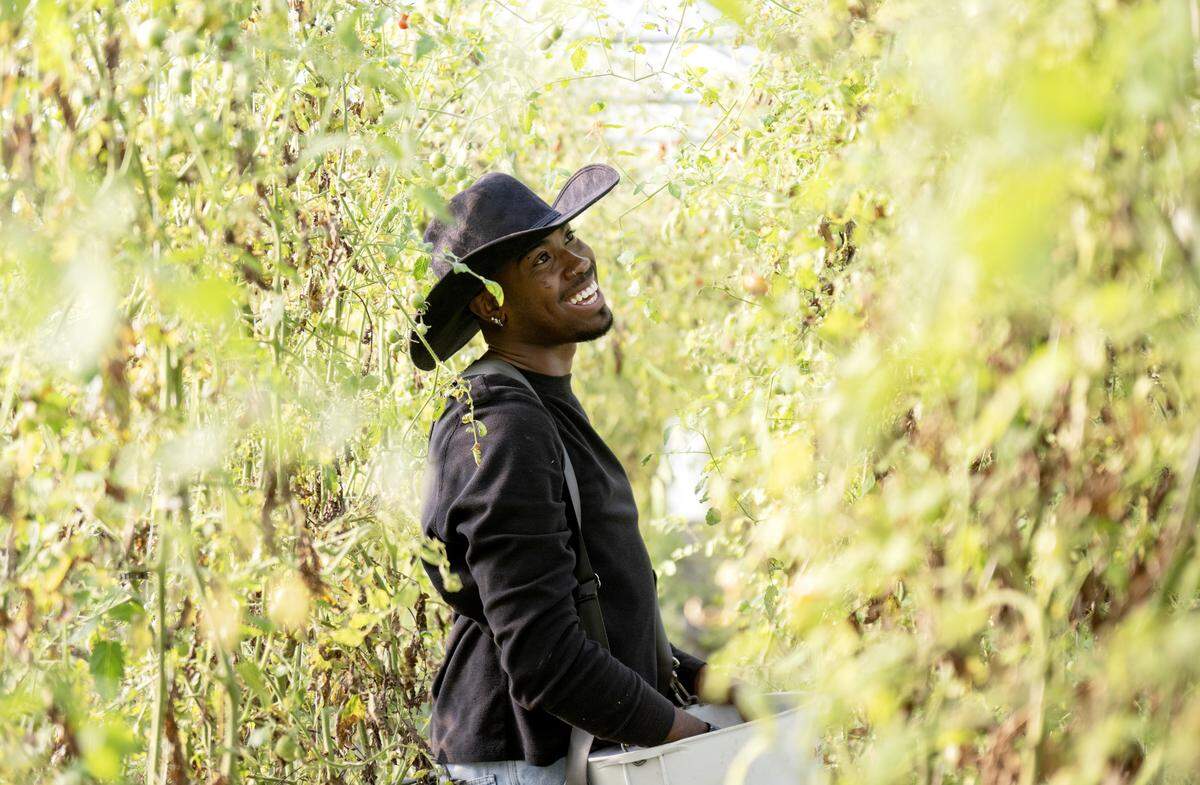
Sebastian Arauz, a farm intern at the Student Farm at Penn State, brings that same love of the CSA community to his role. “People walk by and wonder, ‘Well, what is this?’ So, we get to tell them about the CSA program and show off what the farm is.
“I love being able to talk about the Student Farm. CSA members will come and ask questions about the produce, and I get to tell them about what the produce is, how it’s grown, and what’s happening on the farm.”
The highs and lows of farming
Not only have these farms provided fresh produce for years, but they’ve also done their part to lower greenhouse gas emissions, which trap heat in our atmosphere and directly cause Earth’s hotter climate. More than 25% of global greenhouse gas emissions come from our global food system — with a third of that food ending up as waste — but reducing food loss and waste is a highly recommended climate solution.
Project Drawdown’s Drawdown Explorer lists reducing food loss and waste as an “emergency brake” climate solution, which means keeping farm food out of landfills and in the stomachs of community members creates a large impact on the changing climate, no matter how small the farm.
First opened in 2016, the Student Farm is part of Penn State’s Sustainable Food Systems Network, which reported 747 distributed CSA shares and 1,909 total pounds of food donated in 2024. Their partners, Food Recovery Network @ Penn State, clocked a total of 9,153 pounds of food recovered that same year, meaning they avoided 34,781 pounds of greenhouse gas emissions by ensuring food didn’t go to waste.
It can be hard to push for sustainably less food waste when Mother Nature is going against the tides, warming up with each passing year.
“Climate change is real, and it is drastically affecting our farming system,” Eckert said. “We have extreme periods of drought, and then when we do get rain, it’s often in torrential downpours, which is not great.
“That’s been a huge challenge for us. We do have an irrigation system, but it’s hard to keep up with irrigation when it gets severely dry and very hot. This very hot, dry summer was not great, both for the plants and for the farmers. So that’s I think our biggest challenge.”
Other CSA farm challenges include employee hiring, pest control, accessibility and affordability, as well as both a surplus and an underabundance of food variety for both farmers and customers.
“It’s a great option for farmers in general being able to get that money up front, but there is a risk that if something goes wrong, you’re losing out,” Arauz said. “I know that certain farms may even decide not to produce certain things because they know they’re going to have a bad crop.
“I can say from the subscriber end, it’s suffering from success. A lot of people say it’s a lot of produce, and that’s not just our CSA. That’s a common thing with all CSAs.”
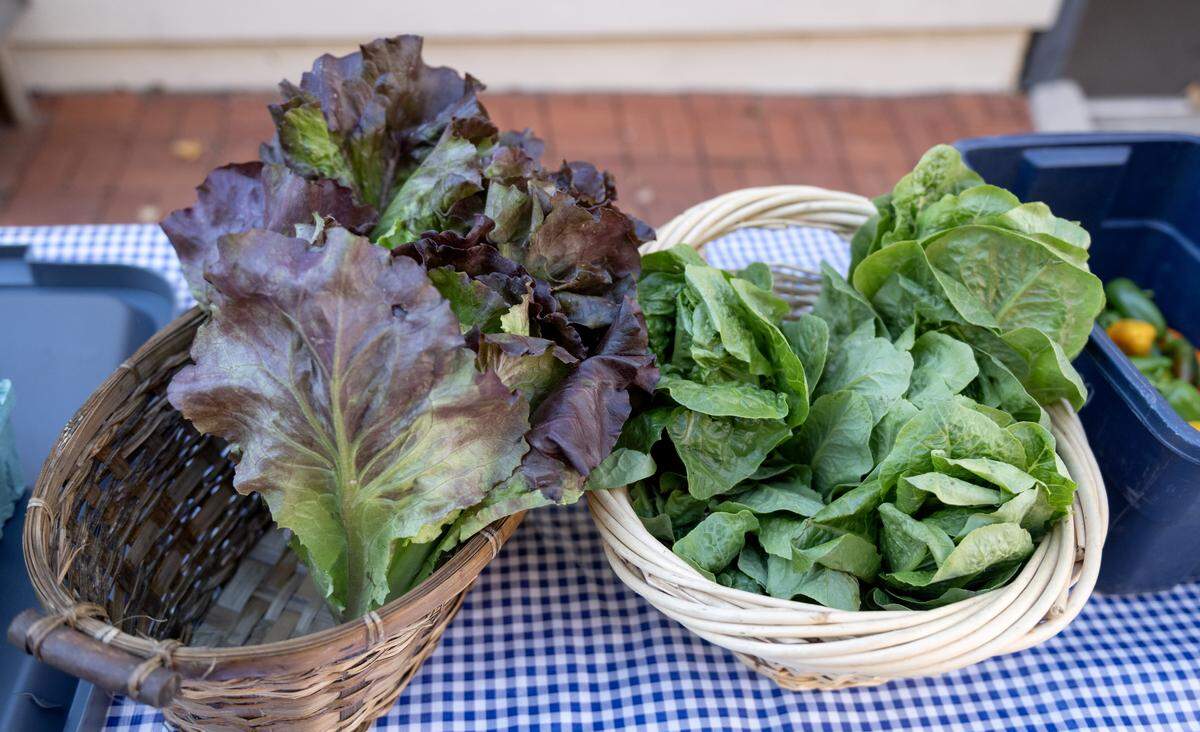
Not knowing how to cook all that produce, many households inadvertently add more food waste to the equation, which is why some CSAs like Healthy Harvest Farm have provided recipes with their shares to mitigate that waste.
The biggest thing combating these setbacks has been the community stepping up to play their part, even during hard times like the pandemic. For Eckert and Happy Harvest Farms, “the pandemic brought a lot of people to the CSA.” After sending an email early in the pandemic offering to keep customers if they couldn’t make their payments, Healthy Harvest Farm subscribers responded in droves.
“The overwhelming response was people offering to pay for other people’s share if they couldn’t afford it. So, from that point forward, we do have what we call our Financial Assistance Fund, and so customers can pay into that, and then other people can ask for help out of that fund.”
How to find a Happy Valley CSA
If you’re ready to get to know your local Centre County CSAs, Eckert advises popping your ZIP code into LocalHarvest.org, where you can find the closest CSA to you. The best part is there’s more than one way to CSA.
“You can look on everyone’s website and just see what system you think works for you,” Eckert said.
The Penn State community can visit the Student Farm on Fox Hollow Road every Thursday from 4:15-5:30 p.m. to check out the CSA distribution site up until the first week of November.
“Check out our socials,” Arauz said. “Usually right around March 1 is when we’ll open up the portal for people to buy shares. It fills up very quickly, and so you’ve got to make sure you’re on there immediately.”
Whether you choose pick-up or delivery, produce or protein, local CSAs have made their mark on Centre County. Local CSA subscribers have celebrated their larger produce portions compared to grocery store kinds and enjoy eating with the seasons, even recommending collaboration with neighbors or friends if a share is too big. In the end, CSAs and the Centre County community are helping Pennsylvania’s rural farms survive, and Eckert wears her appreciation on her sleeve.
“I think it’s really important to mention hats off to all the people in the community who participate in CSA programs, whether it’s ours or someone else’s,” she said. “They’re making an investment in their belief system, and we try really hard to honor that in return.”