
Benner Township residents await answers 6 years after PFAS contamination. What to know
AI-generated summary reviewed by our newsroom.
- A 2024 consent order has Penn State pay ~$565K and fund POET systems for 43 homes.
- Residents want medical surveillance and blood tests; not required in agreement.
- Consultant studying PFAS plume; timeline unclear and long-term costs possible.
Residents of Walnut Grove Estates in Benner Township say they remain stuck in limbo six years after dangerous PFAS chemicals were found in their groundwater, with no permanent solution in sight.
Penn State was identified as the responsible party in a 2024 agreement with the Pennsylvania DEP, but residents say they’re frustrated by a lack of communication and accountability.
FULL STORY: Benner Township residents remain ‘in real limbo’ 6 years after PFAS discovery
Here are key takeaways:
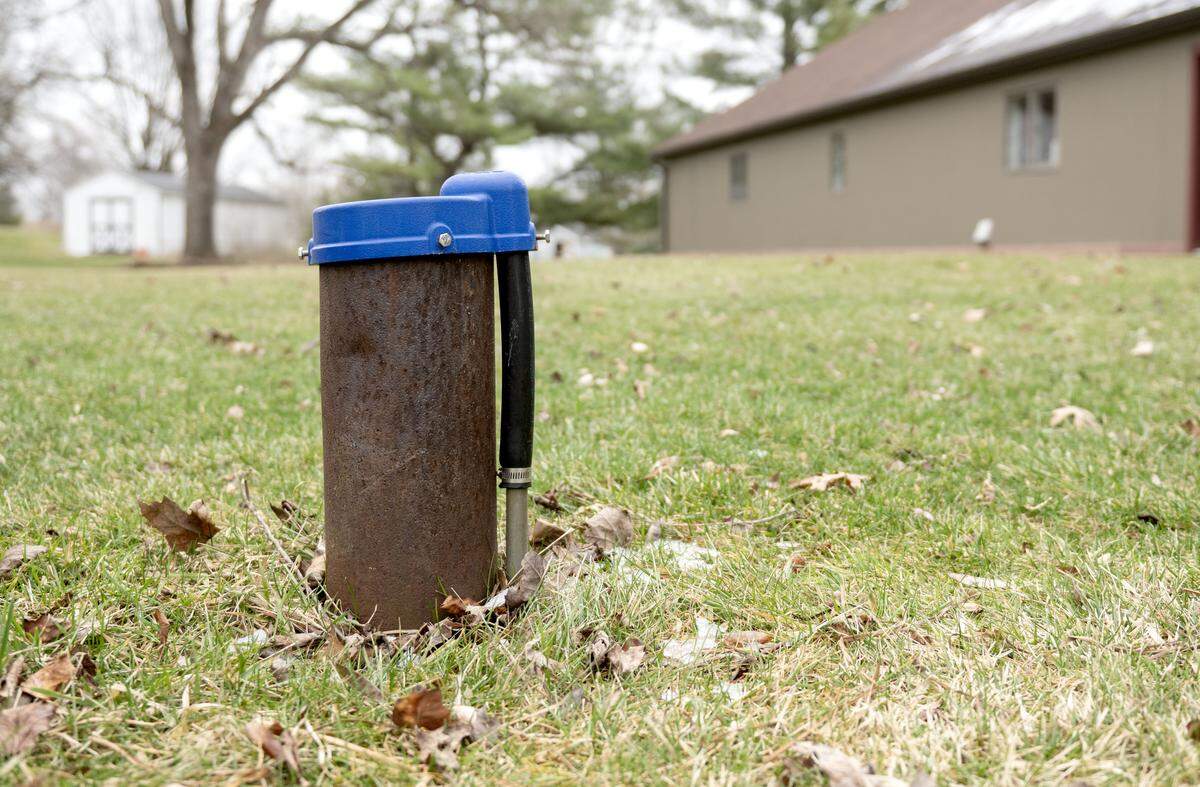
- The source: PFAS contamination came from firefighting foam used during training the State College Regional Airport, owned by Penn State. The foam leaked into the groundwater supply of 43 homes in Walnut Grove Estates, located less than one mile from the airport.
- The agreement: A November 2024 consent order required Penn State to pay about $565,000 to the DEP for investigation costs and to install and maintain point of entry treatment (POET) systems in affected homes for at least two years.
- Health fears: Residents reported health problems they believe are linked to PFAS exposure, including cancer and osteoporosis. They want medical surveillance and blood testing, which are not required under the current agreement.
- Property concerns: Homeowners had to mark their deeds due to the contamination, and many fear their home values have dropped. “We can’t move because no one wants to buy a home like this,” resident Rick Weyer said.
- What’s next: Environmental consultant Roux Associates is studying the underground PFAS plume to determine a permanent fix. There is no set timeline for when the study will be finished or approved by the DEP.
- The cost risk: If current filtration systems are deemed the final remedy, homeowners could be stuck paying roughly $2,000 a year in testing costs alone, plus thousands more for filter replacement and toxic waste disposal.
The summary points above were compiled with the help of AI tools and edited by journalists. The full story in the link at top was reported, written and edited entirely by journalists.
This story was originally published April 4, 2026 at 5:11 AM.