How Bellefonte is honoring, preserving its Underground Railroad history
AI-generated summary reviewed by our newsroom.
- Bellefonte has several sites associated with the Underground Railroad.
- The museum's top-floor room is believed to have hidden freedom seekers.
- Local Historia hosts a seven-stop self-guided Underground Railroad tour.
READ MORE
America250: Centre County history
We’re highlighting unique parts of Centre County history as the nation celebrates its 250th anniversary. Follow along below.
Expand All
How Bellefonte is preserving, honoring its Underground Railroad history
‘A special place.’ How a new book honors the history of the Mountaintop
Philipsburg was first PA town with electric streetlights. It wants the world to know
New film tells little-known story of Revolutionary War soldiers’ graves in Penns Valley
When most think of Bellefonte, the first things that come to mind are likely its beautiful Victorian architecture, the scenic Talleyrand Park or maybe the many Pennsylvania governors that hail from the area. But the historic borough also has deep ties to the Underground Railroad, which some are trying to bring to the forefront.
That history traces to before the Civil War and June 19, 1865 — the date enslaved African Americans in Texas were told they were free and which is celebrated today with the national Juneteenth holiday — and includes several prominent buildings within the borough, along with some key figures that lived there.
According to Local Historia’s Underground Railroad walking tour website, which was founded by Bellefonte Area School District teacher Matt Maris, the Underground Railroad “is not limited to physical houses and structures but is rather a network of people who operated in the context of often unpredictable circumstances” — although Bellefonte has an abundance of both important people and places.
“Composed of neither trains nor tracks, the Underground Railroad was the network of people — Black, white, Native American, wealthy and poor, men and women — who assisted African Americans escape the institution of slavery in the 19th century,” the website reads.
The people and places
While there’s likely an uncountable amount of people and places that were connected with the Underground Railroad in Bellefonte, one of the most well known was William A. Thomas, an abolitionist and successful Quaker businessman who provided sanctuary and financial support for freedom seekers.
Thomas lived at 266 N. Thomas St. and owned many ironworks and sawmills in the area. He opened up both his homestead and his businesses to freedom seekers who were traveling north. He also provided freedom seekers with jobs in his mills whenever possible, according to Local Historia.
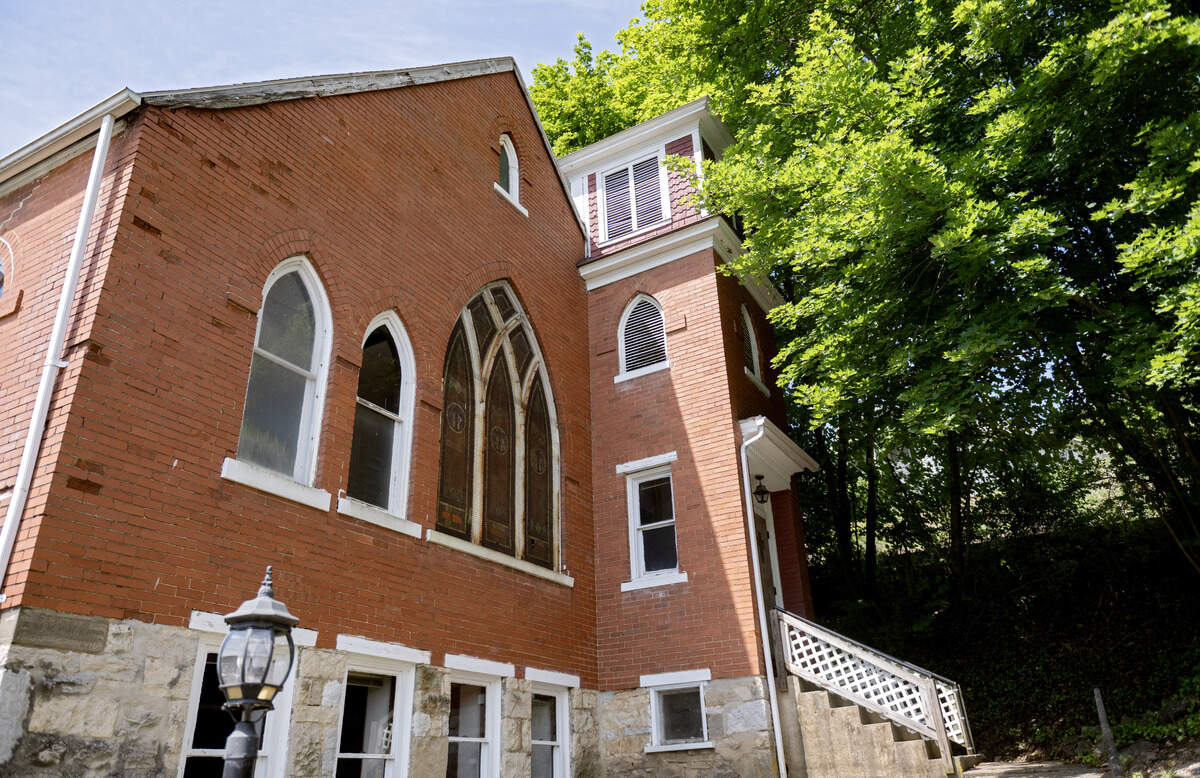
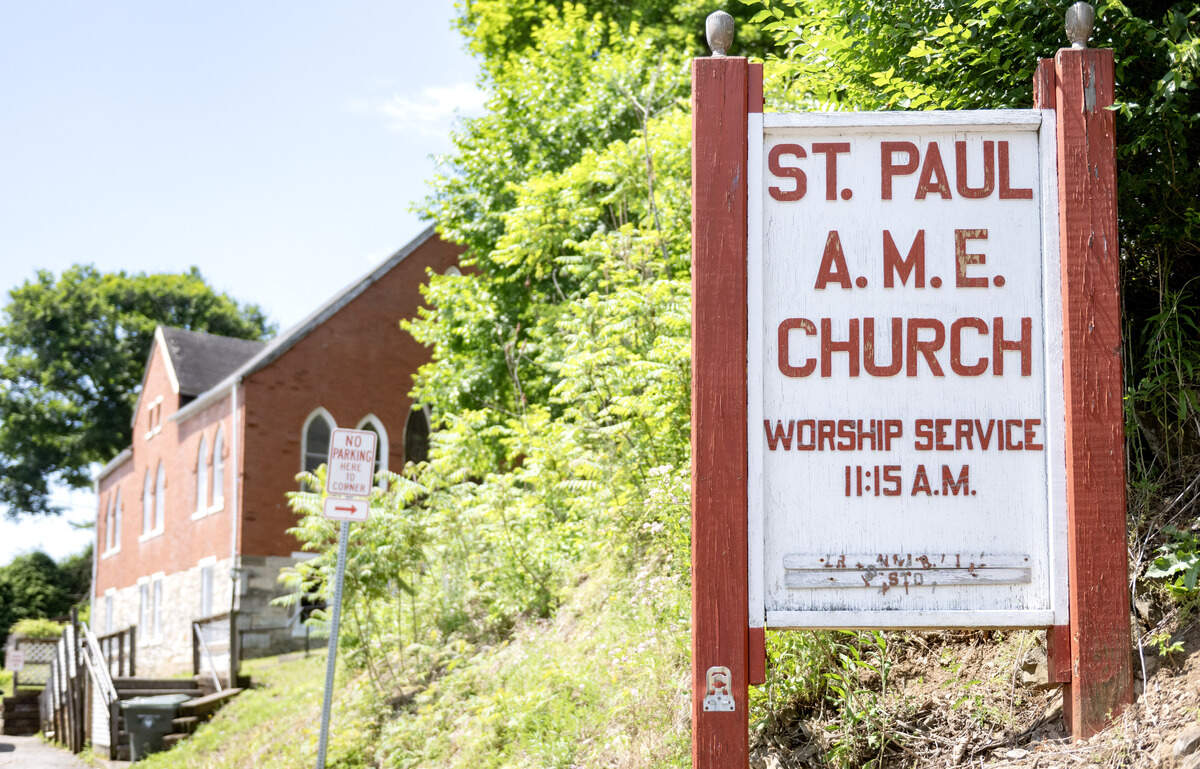
Thomas deeded the land for the St. Paul African Methodist Episcopal (AME) Church in Bellefonte, which is located at 121 St. Paul St., was once a major hub for the area’s Black community, and also has connections to the Underground Railroad, as Local Historia’s website outlines.
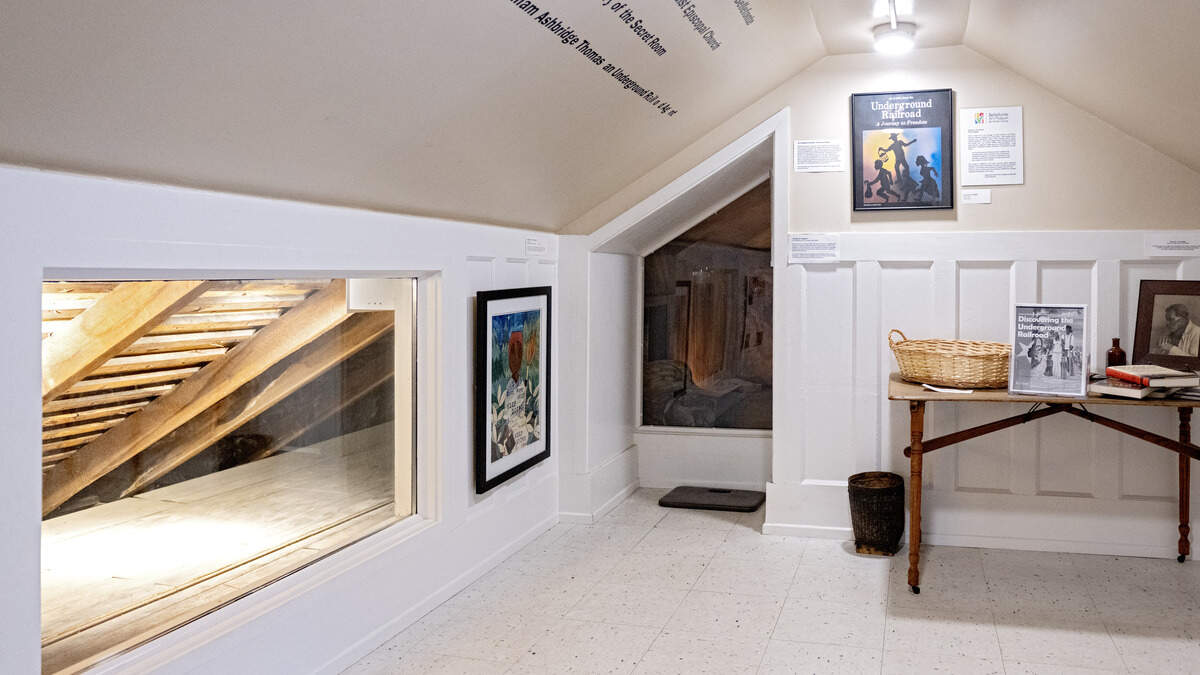
His son, Jacob Valentine Thomas, lived in the Linn House at 133 N. Allegheny St. — the current home of the Bellefonte Art Museum — in the 1850s. He is thought to have harbored freedom seekers in his attic, with a secret room on the building’s top floor.
Mary Wilson Benner also lived in the Linn House in the 1840s, and is thought to have harbored freedom seekers during her time there, too — history the Bellefonte Art Museum is trying to draw attention to with a permanent exhibit.
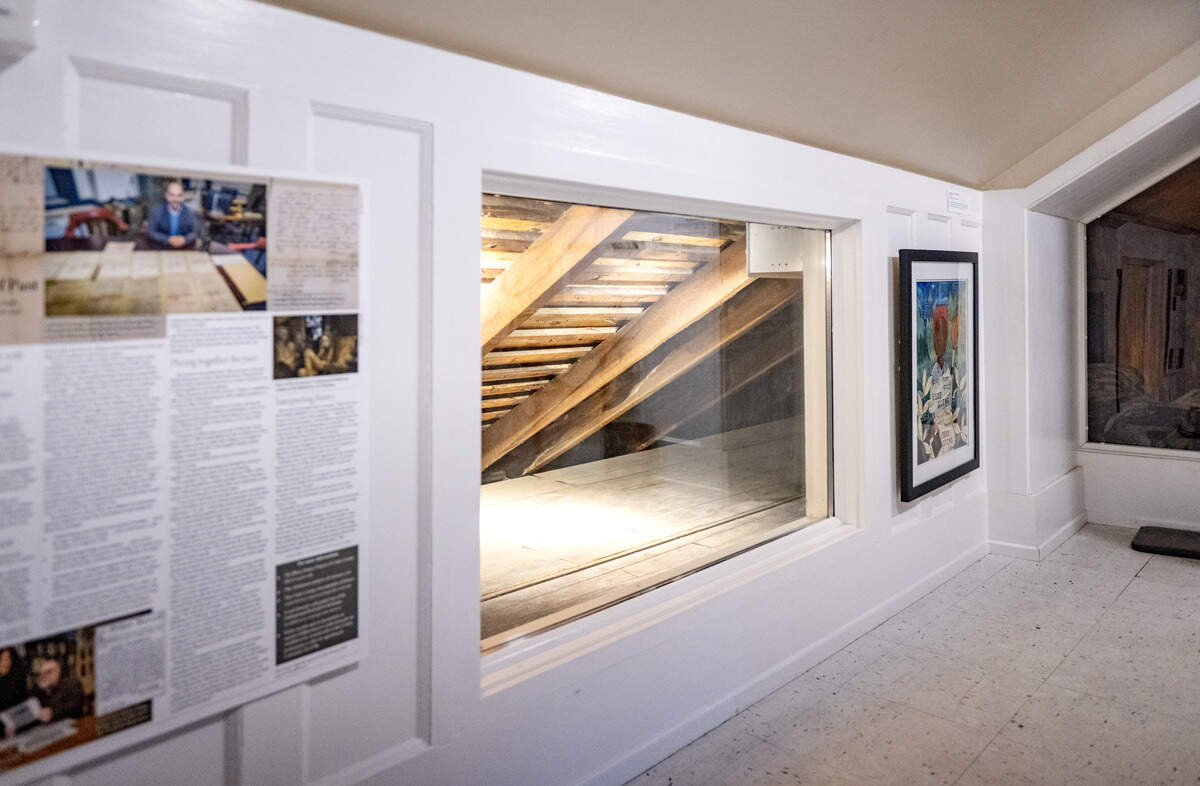
“One day I pulled into the back parking lot, and saw this window all the way up on the top floor of the building that I had never seen before, right above my office on the second floor,” Lori Fisher, the museum’s executive director, said. “I went a little further up there, and I discovered that there’s actually a whole empty room back there that we believe was used for the Underground Railroad.”
Local Historia notes that another prominent figure in Bellefonte’s Black history is William H. Mills, Black man who founded his own barbershop at 211 W. High St. — the current home of Governor’s Pub — in 1871, which remained open through 1931.
At the barbershop, it’s said that Mills gave haircuts to many prominent figures of the abolitionist movement at the time, including Frederick Douglass in 1872 while he was on a town-speaking series.
Local Historia’s website also states that Mills was a leading member of the AME Church, successfully petitioned the local school board to desegregate Bellefonte schools in 1885 and had ancestors who formed the famous Mills Brothers quartet, which was inducted into the Vocal Group Hall of Fame in 1998.
Some other Underground Railroad sites in the borough noted by Local Historia include the Centre County Courthouse, which displays the names of Black soldiers who fought in the Civil War, and the Samuel Harris House at 203 E. Howard St., where cabinetmaker Samuel Harris and his wife Nancy Petriken Harris used a secret room on the third floor to hide freedom seekers.
Preserving and honoring the history
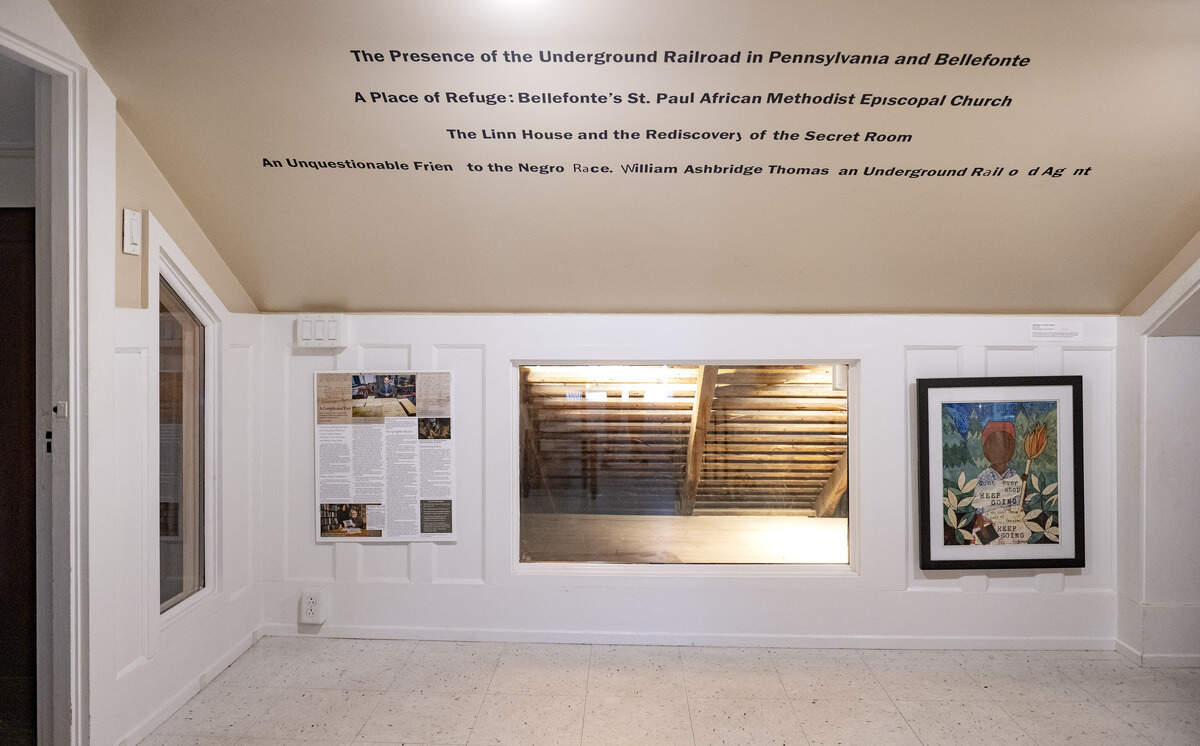
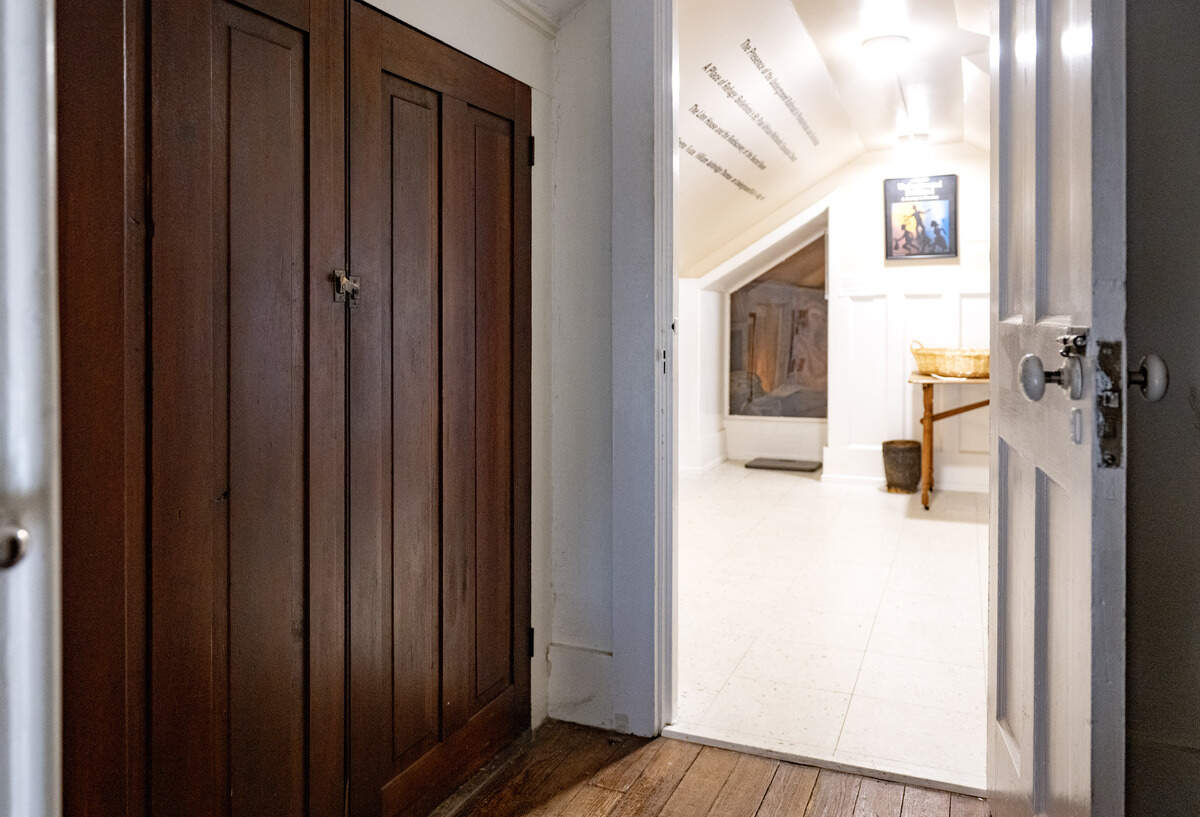
Bellefonte Art Museum’s “A Journey to Freedom” exhibit was set up on the museum’s top floor and displays a collection of Underground Railroad information, along with the hidden room that is believed to have once housed freedom seekers.
“I always tell people it’s rumored to have been a stop, because we don’t have any documentation that proves that,” Fisher said. “Obviously it was illegal for people to be doing this sort of thing at the time, so there was never anything written down about it. It was mostly passed down by word of mouth.”
The exhibit is located in a small room and details where, exactly, freedom seekers would’ve hidden if they were staying at the Linn House. Visitors are able to visit the museum and its Underground Railroad exhibit for free from noon to 4:30 p.m. on Fridays, Saturdays and Sundays, or by appointment.
The art museum also ties into another effort to commemorate the area’s Underground Railroad history — Local Historia’s self-guided walking tour, which was created by Maris, who could not be reached for comment.
Along the tour are seven stops, each highlighting a unique aspect of Bellefonte’s history. Included in these stops are the art museum, the Samuel Harris House, Mills’ former barber shop, the St. Paul AME Church and buildings in the courthouse and Gamble Mill areas.
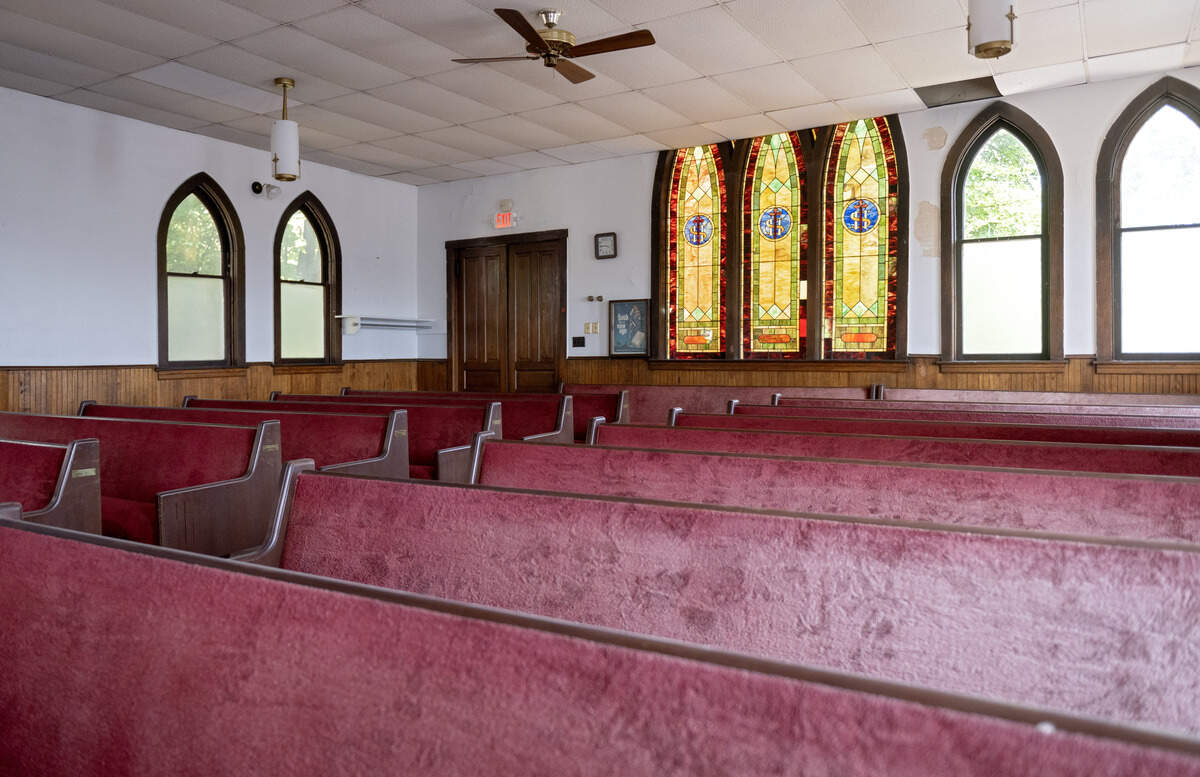
At the AME Church, which has been closed since 2021, an effort to return the church to its former glory is ongoing. The Rev. Renita Green started with the church in late 2022 and restoration efforts started about a year and a half ago.
No services are currently being held at the church, and when Green saw it first the first time, it was in a rough state — the drop ceiling in the church’s sanctuary had caved in, water had flooded the church’s first floor and its furnace needed to be replaced, along with its water heater and inner piping.
Following that work’s completion, the church is “already looking a lot better than it did,” said Green, who added she’d like to turn the church into something that can still honor its rich history, while also serving as an asset to those who live in the area.
“I very, very much want to make sure that history here is preserved and told in ways that are authentic to the community that created the history,” Green said. “Maybe it could be turned into some sort of learning center. Learning about racism is important, but learning how to be anti-racist is just as important, so I’m interested in exploring how to promote that through this space.”
A dessert fellowship will be held at the church from 6:30-7:30 p.m. on Tuesday, June 23, where Green is looking forward to meeting members of the community.
For those who are interested in learning more about Bellefonte’s Underground Railroad history, visit Local Historia’s self-guided walking tour website at www.localhistoria.com/tap-into-history. More information on the Bellefonte Art Museum and its Underground Railroad exhibit are available at www.bellefontemuseum.org/underground-railroad.