Penn State will move forward with plans to remove historic Centre County barn
AI-generated summary reviewed by our newsroom.
- Penn State will remove the historic Kepler Barn but no timeline is set.
- Organizers were unable to raise $500,000 by June 1 to stabilize and preserve barn.
- Interactive exhibit will preserve legacy of farms at the Rock Springs ag research center.
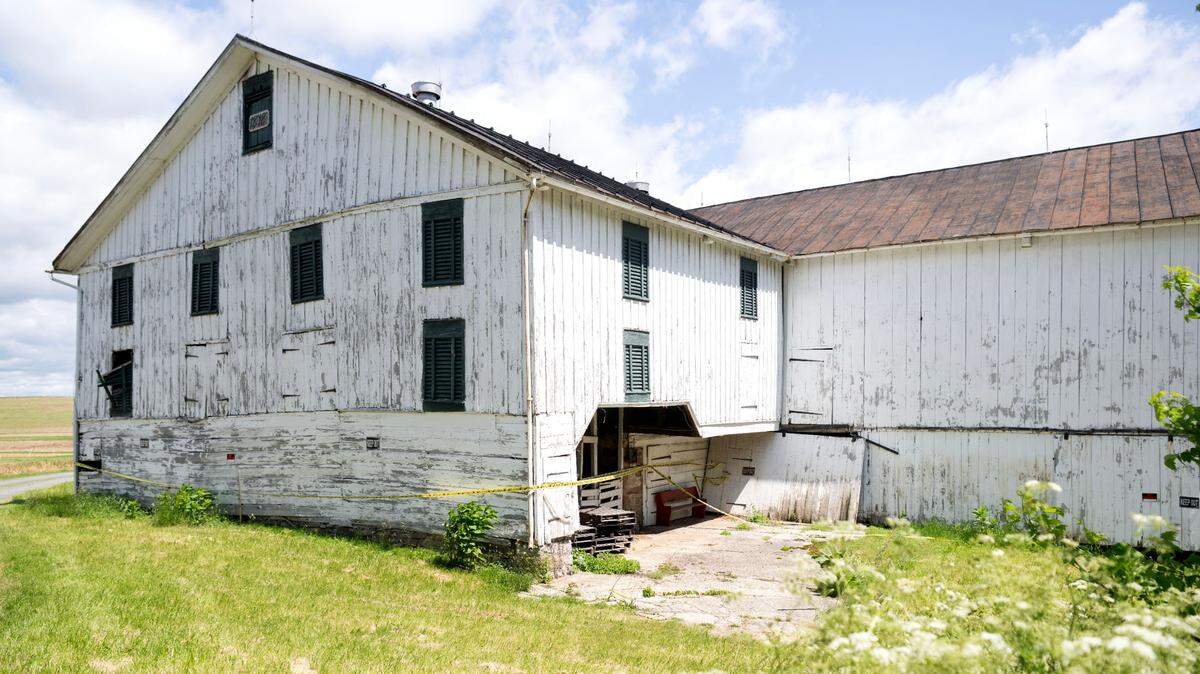
Penn State will move forward with removing a historic barn in Centre County after fundraising efforts taken on by relatives of the farm’s early owners, local community members and organizations didn’t raise the amount needed to save the barn.
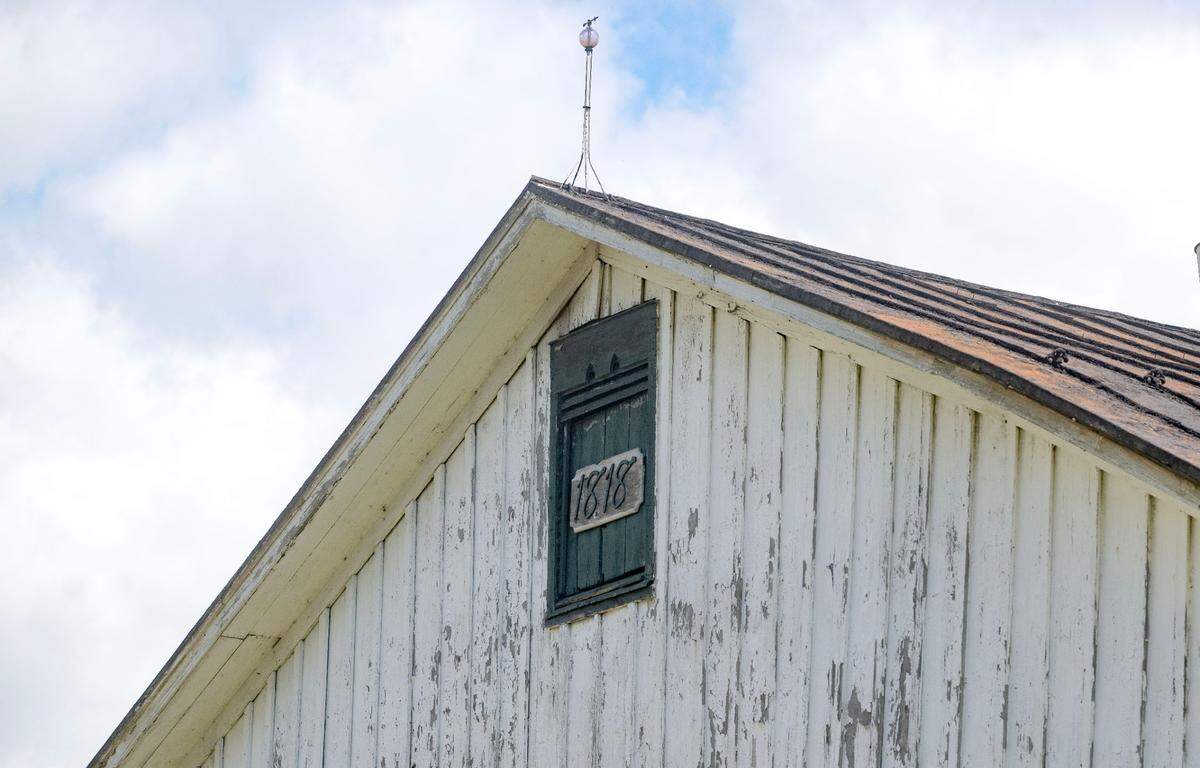
Kepler Barn has stood along state Route 45 in Ferguson Township for about 200 years and has a rich history, between the “remarkable” female farmer who owned and operated the farm in the late 1920s and being one of the largest 19th-century bank barns in the area.
Penn State purchased the farm in 2006 and it is part of more than 2,000 acres of land that makes up the agricultural research facility, near where Ag Progress Days are held. But in the years since, the barn has become “structurally unsound and unsafe for occupancy,” Penn State previously said in a statement. It pointed to the barn’s age, additions and hazardous materials, as well as the university’s budget.
The university agreed last June to “pause” plans to demolish the barn, and then this past spring gave organizers a deadline of June 1 to raise $500,000 to stabilize and preserve the barn.
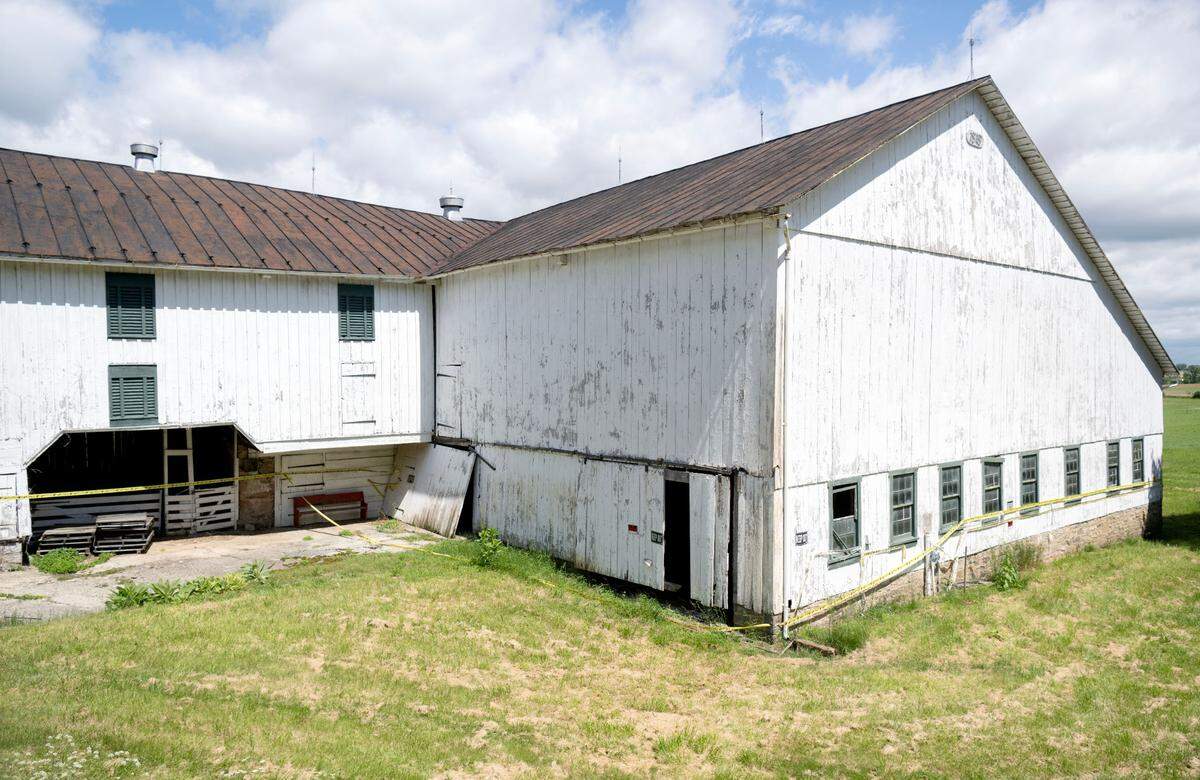
In a statement, a university spokesperson said while they greatly appreciate the fundraising efforts led by the Historic Barn and Farm Foundation of PA, they’ve informed the university that they were unable to raise enough funds.
“Since the fundraising target was not met, we will now begin exploring options for the barn’s eventual removal, but no specific dates have been set. Included in that planning will be considering potential avenues to salvage and reuse materials from the original barn,” the spokesperson said.
Priscilla deLeon, president of HBFF, thanked those who supported the fundraising efforts and were dedicated to preserving the barn.
“While Penn State says this barn will not be saved, your support reaffirms that these structures matter, and that losing them weakens the connection to our agricultural roots,” deLeon said in a written statement.
The barns are more than just buildings, she said, they’re “living pieces of history.”
“If we allow them to vanish, we lose more than timber and stone. We lose the stories, ingenuity, and culture they embody,” she said.
Raising $500,000 in two months was an “almost impossible task,” said Vicky Kepler Didato, whose great aunt, Millie Kepler, took over the farming operation in the late 1920s after her husband, Aaron Kepler, died. But it was a task worth taking on to save the history of the barn, she said.
“This has been a gargantuan task for so many. If my Aunt Millie taught me anything from the example of her life it was, ‘Work hard, give it your all, and if it doesn’t turn out the way you wanted then look for the silver lining,’” Kepler Didato wrote in an email.
That silver lining is that in the five years she spent researching this project, she was able to meet many farmers and historians who helped reconnect her with her farming roots.
“A book is being compiled featuring some of the hundreds of photographs and stories that were shared with me along the way about the Barn, Millie Kepler and the Underground Railroad,” she said. “My gratitude is deep for my Kepler ancestors that came to Central Pennsylvania in 1790 and the other pioneer farming families that helped settle the region that is now known as Happy Valley.”
The HBFF and deLeon recognized the efforts of a committee to save the barn, including Curtis Vreeland, Chris Macneal, Chris Witmer, Jeff Marshall and Doug Reed. They also honored Kepler Didato for her countless hours researching the life and legacy of Millie Kepler.
“Vicky and Millie, both remarkable women, driven by passion and conviction, embody the spirit of preservation. Their commitment reminds us why this work matters,” deLeon said.
Although the physical barn structure will be gone in the future, a university spokesperson said through the Pasto Agricultural Museum, Penn State is working to preserve the legacy of the farm, along with a dozen other family farms that make up the Russell E. Larson Agricultural Research Center at Rock Springs.
“Museum staff and student interns are nearing completion of the first phase of the ‘Land and Legacy of Rock Springs’ initiative, which will launch at Ag Progress Days 2025 with an interactive exhibit, digital story map, and physical artifacts aimed to preserve local agricultural heritage,” a university spokesperson said.