Penn State Arboretum donates harvest to food bank in volunteer-driven effort
AI-generated summary reviewed by our newsroom.
- Penn State Arboretum volunteers donate weekly produce to local food bank.
- 2025 harvest nears record with 1,899 pounds donated by early fall season.
- Effort promotes food education, with design led by horticulture technician.
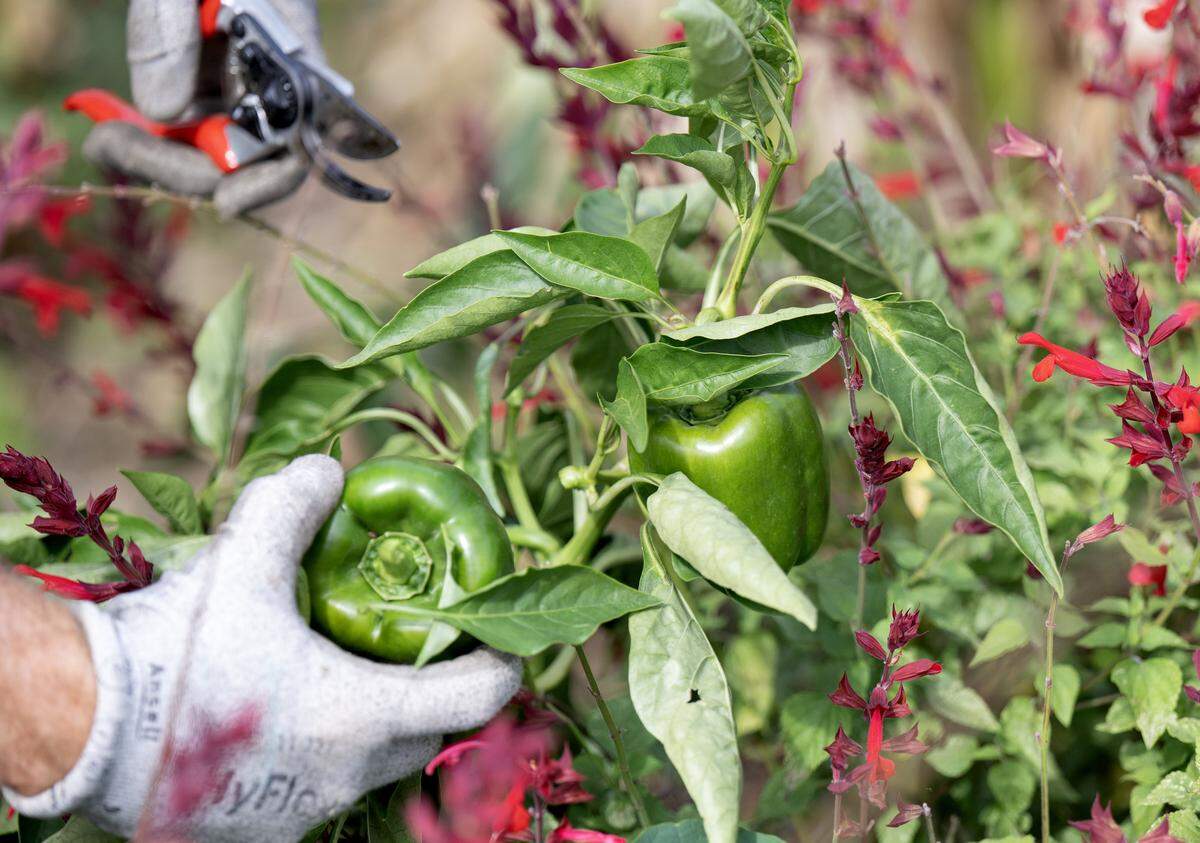
A group of volunteers and Penn State Arboretum staff gathered Tuesday morning to harvest and pack produce to donate to the State College Food Bank— an annual tradition that results in hundreds of pounds of food for residents in need.
Aubrey Tallon, volunteer program manager, gave a few remarks before the volunteers dispersed to the Pollinator and Bird Garden to start the day’s work.
Shortly after, Tallon was stung in the eye by a bee. It was her first time being stung in the garden and though she’ll have to spend some time nursing her eye, she took it in stride.
“The bees are important to our crops, because without the bees pollinating the crops, the crops wouldn’t grow,” Tallon said. “We want those critters in here, even sometimes when we collide with them in surprising ways ... that doesn’t diminish their value to the ecosystem and to us.”
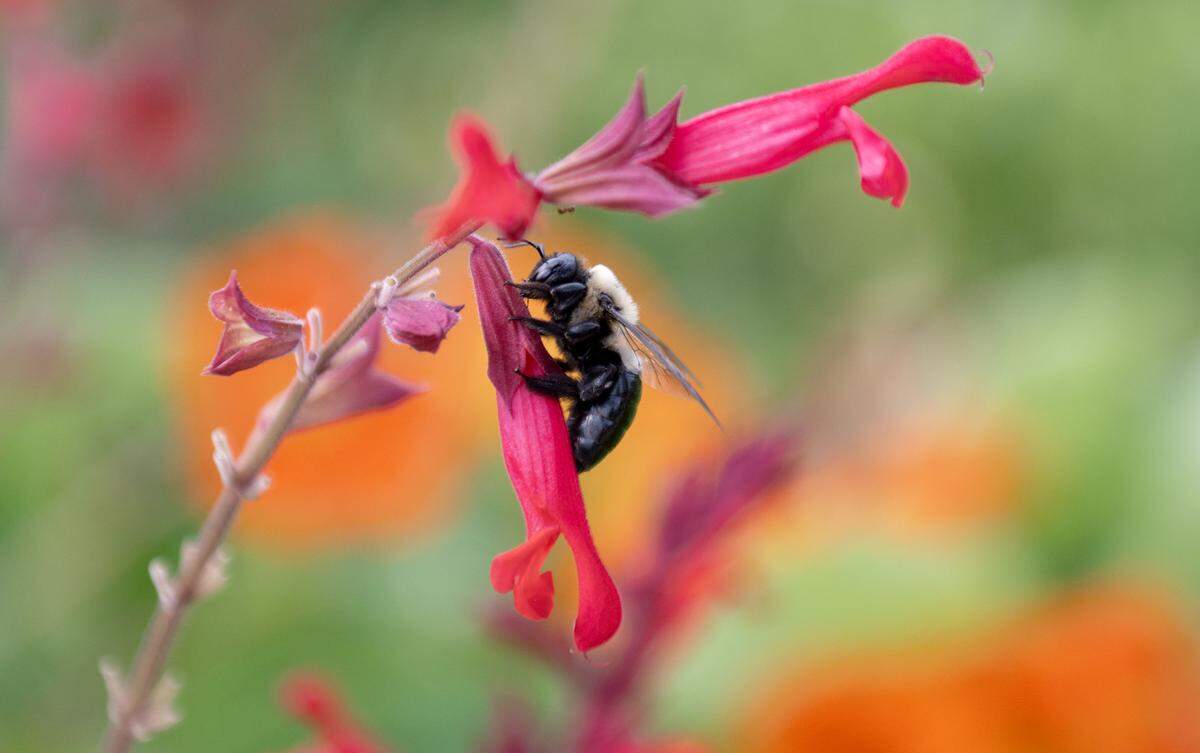
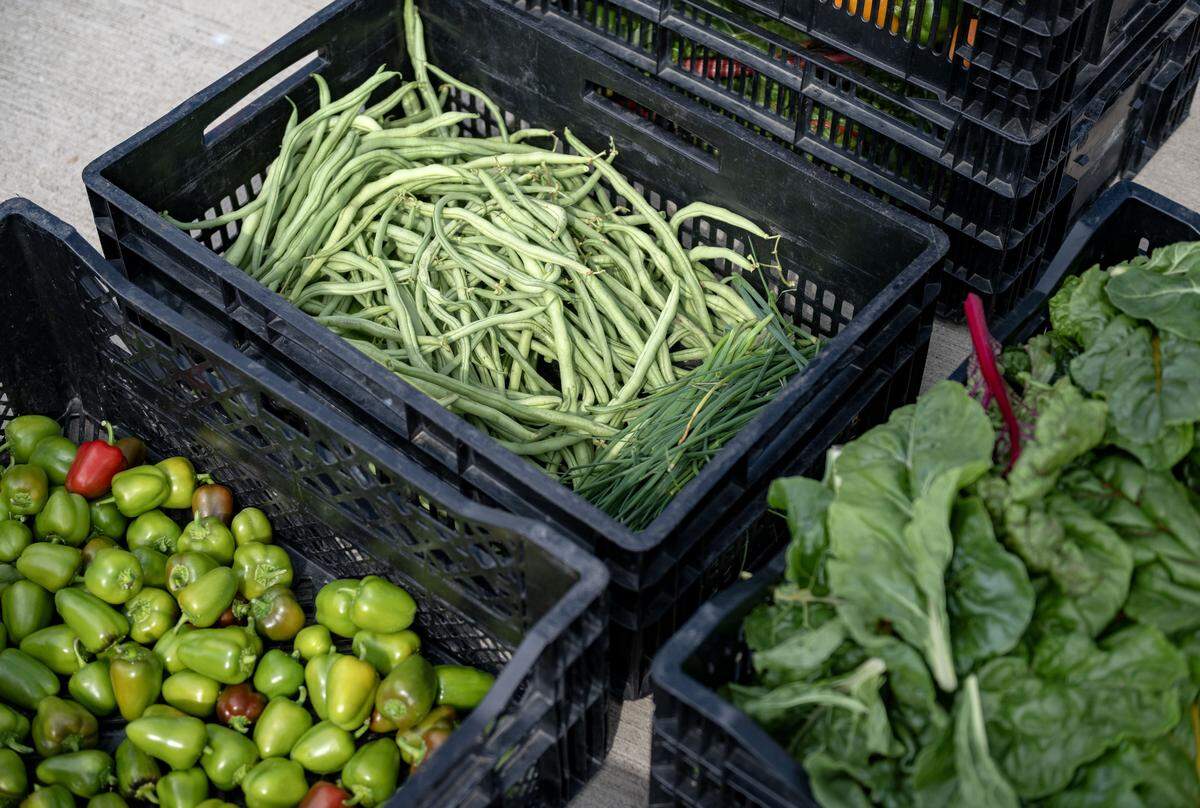
The critters she’s referring to include bees, birds and moths, all of which were present as a handful volunteers harvested crops such as bell peppers, okra, Swiss chard and beans. The group hopes to beat the record of 2,116 pounds of produce that was donated in 2023.
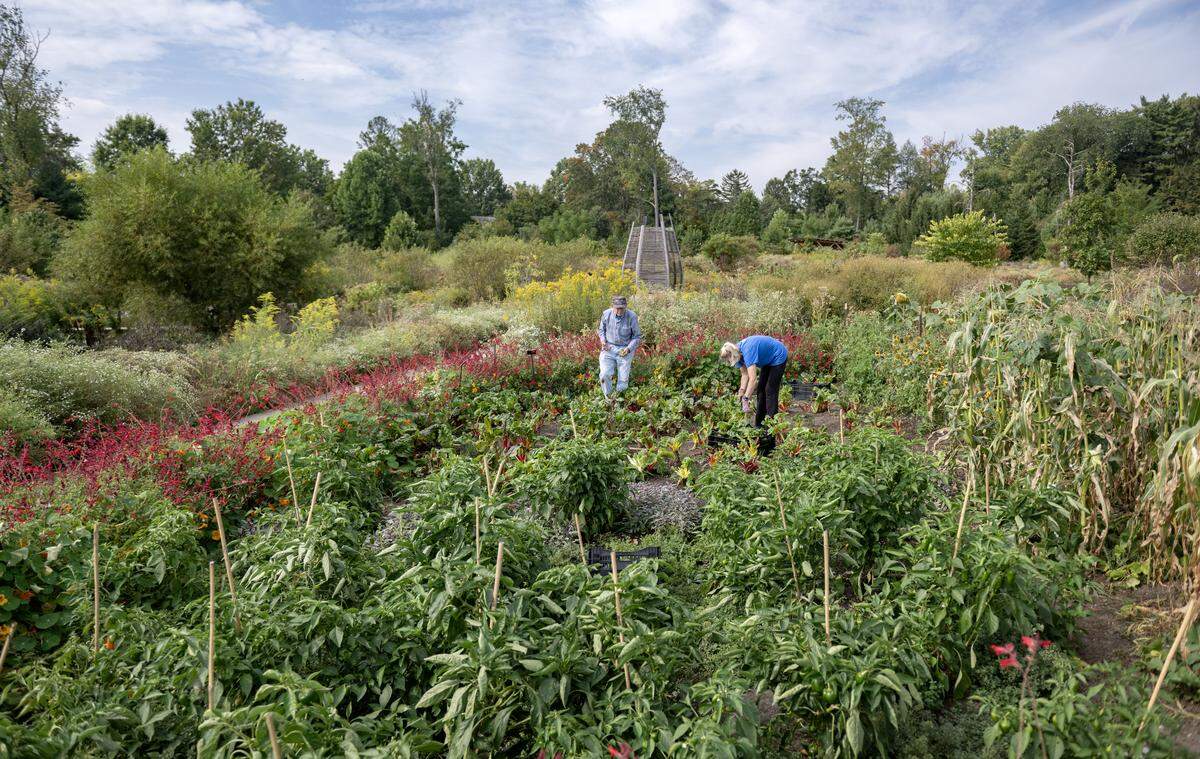
So far this growing season, they’ve donated 1,899 pounds of produce, according to Tallon, which means they’re well on their way to surpassing that record.
On Wednesday, a volunteer will collect the packaged produce from the landscape shop in the refrigerator and run it down to the food bank. This donation process happens every Wednesday, from June to November.
“This is a very tangible way that we can give back to the community, “ Tallon said. “It’s easy to see that we’re delivering three crates of tomatoes to a food bank, that feels real and that feels tangible.”
The State College Food Bank has seen a rising demand for its services in recent years, with rising costs, economic pressures and cuts to SNAP benefits also expected to have an impact.
Tallon said the harvesting process is volunteer driven and they welcome everyone, including students. There’s a short training process and those interested should visit arboretum.psu.edu.
“In America we are very very separated from the process of our own food production,” Tallon said. “This gives people the opportunity in the role of volunteers, to come and learn more about the process of food production and how the food actually gets from farm to your table.”
But before volunteers can begin the harvest, there must first be crops to pick, which is where Travis Wilcox comes in.
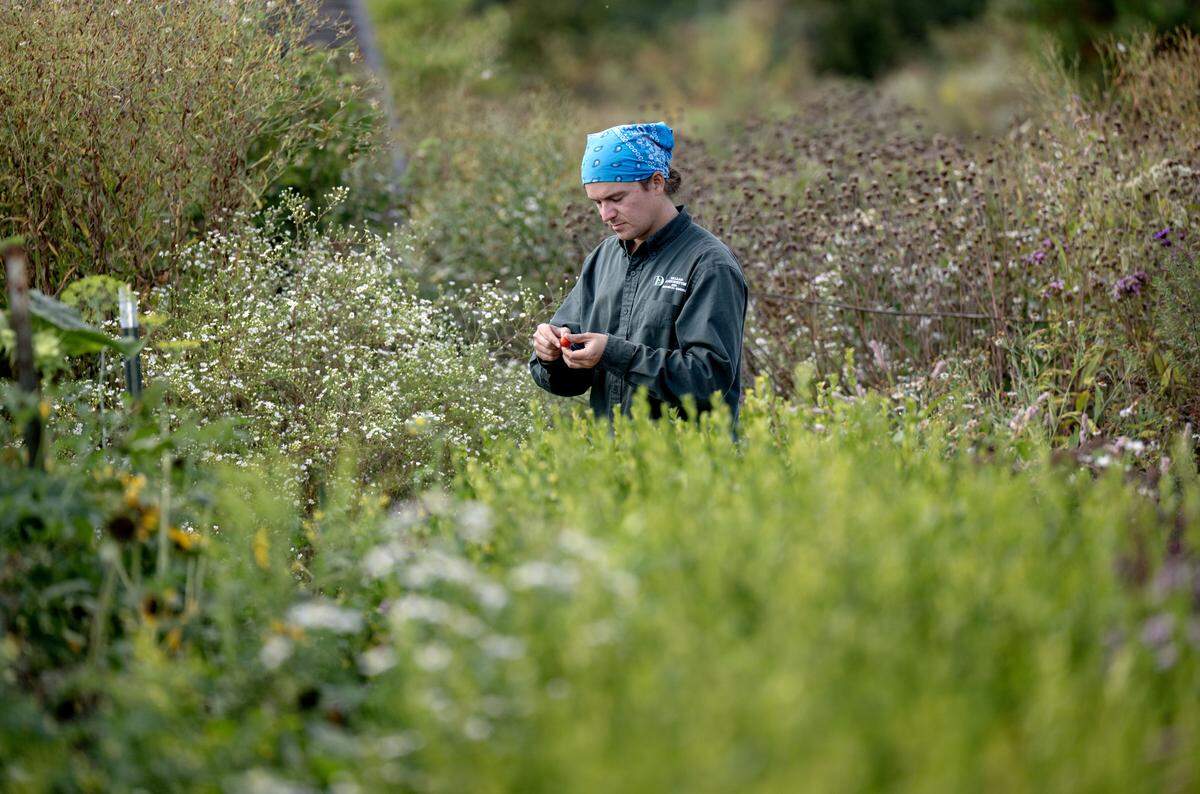
Wilcox, a horticulture technician, is responsible for the planning and design of the vegetable plot. This was his first year in the role, and he said it was “pretty cool” to see his pen and paper drawing of the design come to life. Last winter after lots of research, he scribbled a sort of abstract drawing of where he wanted different crops to be.
“Admittedly, I planned a little too much,” Wilcox said. “I had to spend a lot more time in the vegetable garden than I would have liked.”
His hope for next year’s harvest is to get as much harvest as they do this year.
“This year’s going to be a record-breaking harvest,” Wilcox said. “I’m almost certain.”
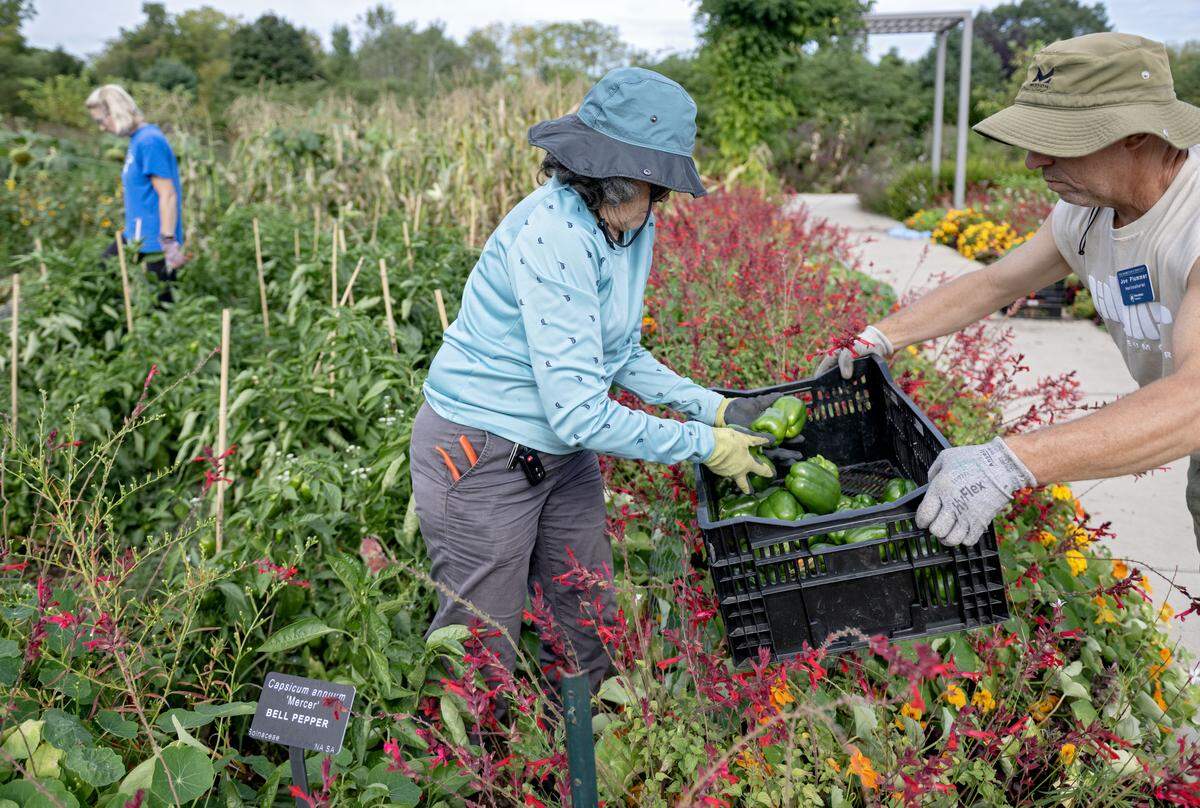
Theresa Facini, who first began volunteering three years ago when her grandson accepted an internship at the Arboretum, considers the experience “good aromatherapy.” Facini said she has “half a green thumb,” so it was a good fit for her.
“My favorite part is the congeniality of all the people I work with,” Facini said. “It’s wonderful. What God and nature does with a little sun and water.”
Facini said she’ll be there for next year’s harvest as well, partly because she finds gardening “therapeutic.”
“It’s wonderful ... the beauty of it all,” she said.