Student-led State College IFC adds two frats that were suspended by Penn State
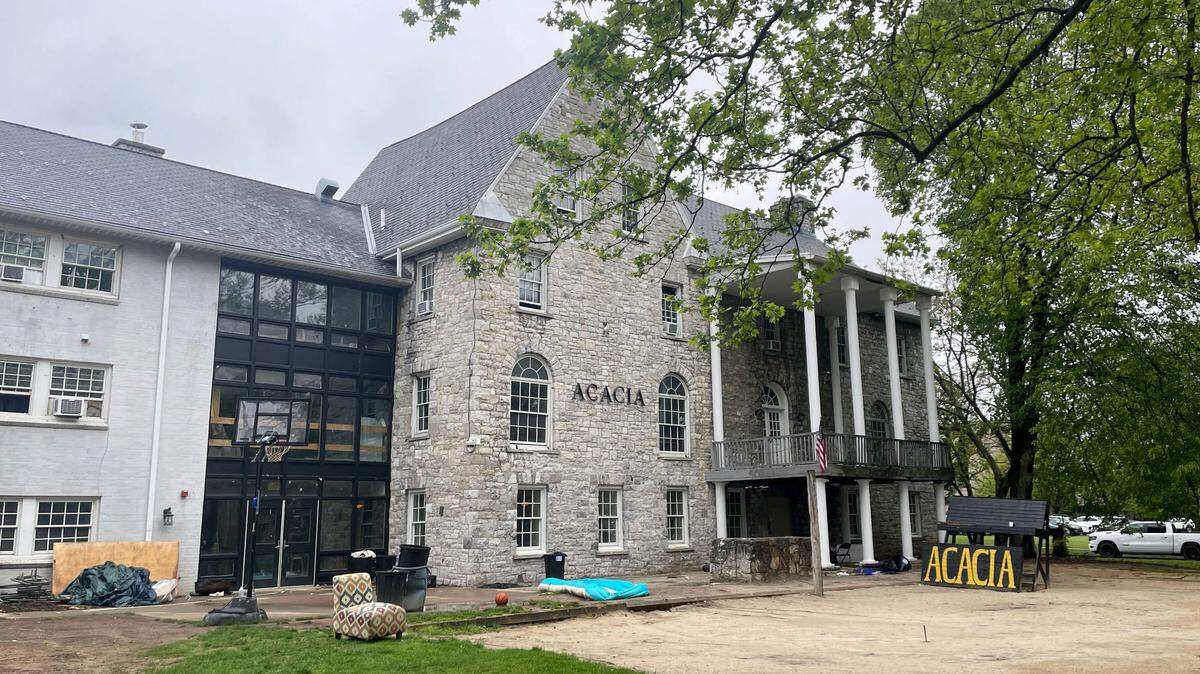
Two fraternities Penn State suspended for hazing have joined the growing State College Interfraternity Council, an independent, student-led council created last spring.
Acacia and Sigma Pi fraternities joined the State College IFC, the council announced Monday, bringing the council to five fraternities. They joined the founding members Pi Kappa Alpha, Sigma Chi and Tau Kappa Epsilon. Penn State officials have called the formation of the State College IFC “deeply concerning” due to lack of university oversight.
In a press release, the State College IFC said adding Acacia and Sigma Pi “marks a significant step forward in the SCIFC’s commitment to fostering a strong, community-oriented, and safety-conscious fraternity experience.”
“We are thrilled to welcome the men of Acacia. With a rich history and a commitment to academic excellence and personal growth, Acacia is a valuable addition to the council,” The President’s Council of the SCIFC said in the release.
They added that “Sigma Pi brings a strong tradition of leadership and service to the SCIFC.”
In a written statement to the Centre Daily Times, Penn State strongly discouraged students from affiliating with the unrecognized organizations, and reminded the community that all students are subject to its code of conduct.
“These rogue fraternities had been previously suspended by the University because of confirmed findings of hazing. When those hazing investigations were opened, both fraternities chose to preemptively remove themselves from university recognition, a step that put their members at further risk, particularly around hazing and alcohol abuse,” a university spokesperson said.
Penn State placed Acacia on organizational suspension indefinitely in May after the university investigated reports of misconduct and hazing. Allegations that prompted the investigation included members seeking medical care following forced alcohol and tobacco consumption, acts of servitude and extended periods of required participation without adequate rest, the university previously said.
The fraternity ultimately declined to engage in the university’s reformative process and withdrew their recognition from Penn State, a May release from the school stated. Given the misconduct and the chapter’s lack of engagement, Penn State determined an indefinite suspension was warranted, with a minimum of four years.
But the Acacia fraternity continued to operate as an unrecognized organization off-campus, despite the suspension, and did so with the support of their international organization.
Sigma Pi has a similar story. The fraternity was put on interim suspension in April and placed on indefinite organizational suspension in July. Penn State’s office of student accountability and conflict response began investigating the fraternity in March after it received multiple reports of “alleged physical and mental abuse, forced consumption of alcohol, forced consumption of undesirable substances, forced physical activity, and forced servitude,” a July university release states.
Before the student conduct process concluded, the frat chose to voluntarily withdraw from university recognition. The chapter was still found in violation of Penn State’s hazing policy and was issued a formal suspension, with a minimum of four years.
Despite the suspension, Sigma Pi continued to operate as an unrecognized organization off campus, with backing of its international headquarters, the university previously said.
In its statement, Penn State said there are positive aspects of Greek life, and they would continue to work with “responsible organizations.”
“We urge students, parents, alumni and others to educate themselves fully on how individual organizations are operating. The positive aspects of fraternity and sorority life are well worth protecting — the value of brotherhood and sisterhood and the great leadership and service associated with fraternity and sorority life — and we will continue to collaborate with responsible organizations while doing all we can to protect our students from the documented harms associated with unaffiliated chapters,” a university spokesperson said.
The founding State College IFC members announced in March they were banding together and starting a “transformative journey” for Greek life at Penn State that aimed to redefine the experience for fraternities and create a more inclusive and engaging environment. The SCIFC will have an independent and student-run governance model supported by their international fraternities, and will follow the North American Interfraternity Council guidelines as well as the guidelines of each member organization, organizers said during a March press conference announcing the council.
At the time, the founding members said a main reason they formed the SCIFC was to free themselves of reforms that came out of a 2019 agreement Penn State made with the family of Tim Piazza, a fraternity pledge who fell and later died after a night of excessive drinking in 2017 at the now-defunct chapter of Beta Theta Pi. Part of the reforms included requiring students to complete at least 14 credit hours before participating in fraternity or sorority recruitment.
“We recognize the need for a compliance focused environment that empowers chapters to lead themselves. This student-led approach is particularly important for freshmen recruitment as it fosters a welcoming atmosphere centered on positive activities and community involvement,” Sam Lanza, founding president of the SCIFC and former president of the Sigma Chi chapter, said in March.
“We also want to stress that as an independent IFC, we are self governing and we’re able to rush freshmen, who then benefit from a longer and more fulfilling Greek life experience. The bottom line is that we want our chapter to be free from the compliance environment that has existed since the Piazza agreement went into place.”
When the State College IFC was announced, Penn State issued a statement on the “rogue” council, strongly discouraging students from affiliating with the groups and urging them to avoid events hosted by the groups.
“With no University oversight, they have a greater potential to threaten the well-being of those who participate in their events,” the university said at the time, noting that two of the three founding members had been suspended by the university due to their “documented dangerous behavior.”
The release from the State College IFC stated they held a retreat for the five chapters in August, with a main component of a risk management certification program. The release said the mandatory training, led by the council’s risk partner, Standing Stone Consulting, “established a unified and proactive approach to event safety and responsible chapter management, setting a clear standard of well-being for the entire community as they began the academic year.”