
Election 2022 voter guide: Thompson, Molesevich face off in PA’s 15th Congressional District
READ MORE
2022 Pennsylvania election guide
The Pennsylvania general election is Nov. 8. Voters must be registered to vote by 5 p.m. Oct. 24
and apply for an absentee or mail-in ballot by 5 p.m. Nov. 1. Polls are open from 7 a.m.-8 p.m. Nov. 8 for in-person voting. This voters guide was compiled by the League of Women Voters of Centre County with assistance from the League of Women Voters of Pennsylvania.
Expand All

Election 2022 voters guide: Hear from candidates for PA governor, lieutenant gov.
Election 2022 voters guide: Learn more about the Pennsylvania candidates for U.S. Senate
Election 2022 voter guide: Thompson, Molesevich face off in PA’s 15th Congressional District
Election 2022 voters guide: Meet the Centre County candidates running for the PA House
Pennsylvania U.S. Representative District 15
Description of office: The U.S. Constitution requires that the House of Representatives be composed of representatives from each state, elected in proportion to population. There are 435 members of the House of Representatives, with 17 representatives allotted to Pennsylvania after the 2020 census. A U.S. representative must be at least 25 years old, have been a citizen of the United States for the past seven years, and be a resident of the state they seek to represent at the time of the election (though not necessarily the same district). The House of Representatives is responsible for introducing and voting on bills, resolutions and amendments, and for approving the budget. Representatives also serve on various policy committees. The House may send articles of impeachment of elected officials to the Senate and elects the president if there is a tie in the Electoral College.
Term: 2 years
Salary: $174,000
Vote for ONE.
Candidates (choose 1):
Mike Molesevich

Party: Dem
County: Union
Occupation: Energy & environmental consultant/contractor
Education: MS, energy & environmental policy, Bucknell University, Union County, and BS, environmental science, Juniata College, Huntingdon County
Qualifications: Mike is a former borough mayor, council member, current business owner, energy and environmental consultant, helping communities, businesses, industries, in rural central PA for over 40 years.
Campaign Website: padistrict15.org
Campaign Facebook URL: facebook.com/FriendsofPA15
Link to position on abortion: padistrict15.org/issues
Questions:
Q: What issue(s) would you prioritize, and how would you work with others in government to get legislation passed and signed into law?
A: My first priority is my oath of office to support and defend our constitution against all enemies both foreign and domestic, and hold other elected officials accountable to do the same. My second priority is to support a strong, ready and modern military and our allies, and support the men and women in our armed forces and veterans after they have served our nation. My third priority is to support our democracy and freedom to choose our elected officials, healthcare, reproductive rights, religion, books in our schools, and other daily choices in our lives without influence of big government or political party. Working with others begins by listening to others, all information and options to make decisions in the public interest.
Q: What will you do in office to ensure all eligible voters have equal access to free and fair elections?
A: Vote, support all eligible voters’ right to vote. Make it easier and not more difficult to vote. Protect election employees, officials, and volunteers from threats and intimidation from groups or individuals. Review and revise election laws as needed and necessary. Review and revise the influence of money in our elections such as Citizens United. Consider open primaries and some public funding to level the playing for more candidates to seek elective office. No incumbent should run unchallenged. Ensure that redistricting is an open, transparent, and fair process to prevent gerrymandering by any political party or special interest.
Q: What measures, regulations, or acts, if any, would you support to mitigate climate change?
A: The future belongs to the efficient and sustainable users of our natural resources. Everything we do creates waste, heat, and carbon emissions. The laws of physics, science, and thermodynamics cannot be repealed — by anyone. The simplest and fastest ways to reduce emissions are by improving efficiency and eliminating (or recycling) waste as we transition, as quickly as possible, from burning fossil fuels to renewable and sustainable fuels for thermal, electrical and mechanical tasks. Fossil fuels will always be needed as components of consumer goods and will become too valuable to burn. We all, as users of energy and resources, must maximize efficiency, eliminate waste, transition to renewables, and use science to educate our children.
Q: How do you view the role of the U.S. in responding to challenges facing the international community?
A: We must continue be a world leader on all fronts including economics, finance, trade, development, environment, resources, sustainability, climate, and security. Being a world leader requires competent and experienced personnel in all levels and positions to maintain our position of leadership.
Glenn “GT” Thompson
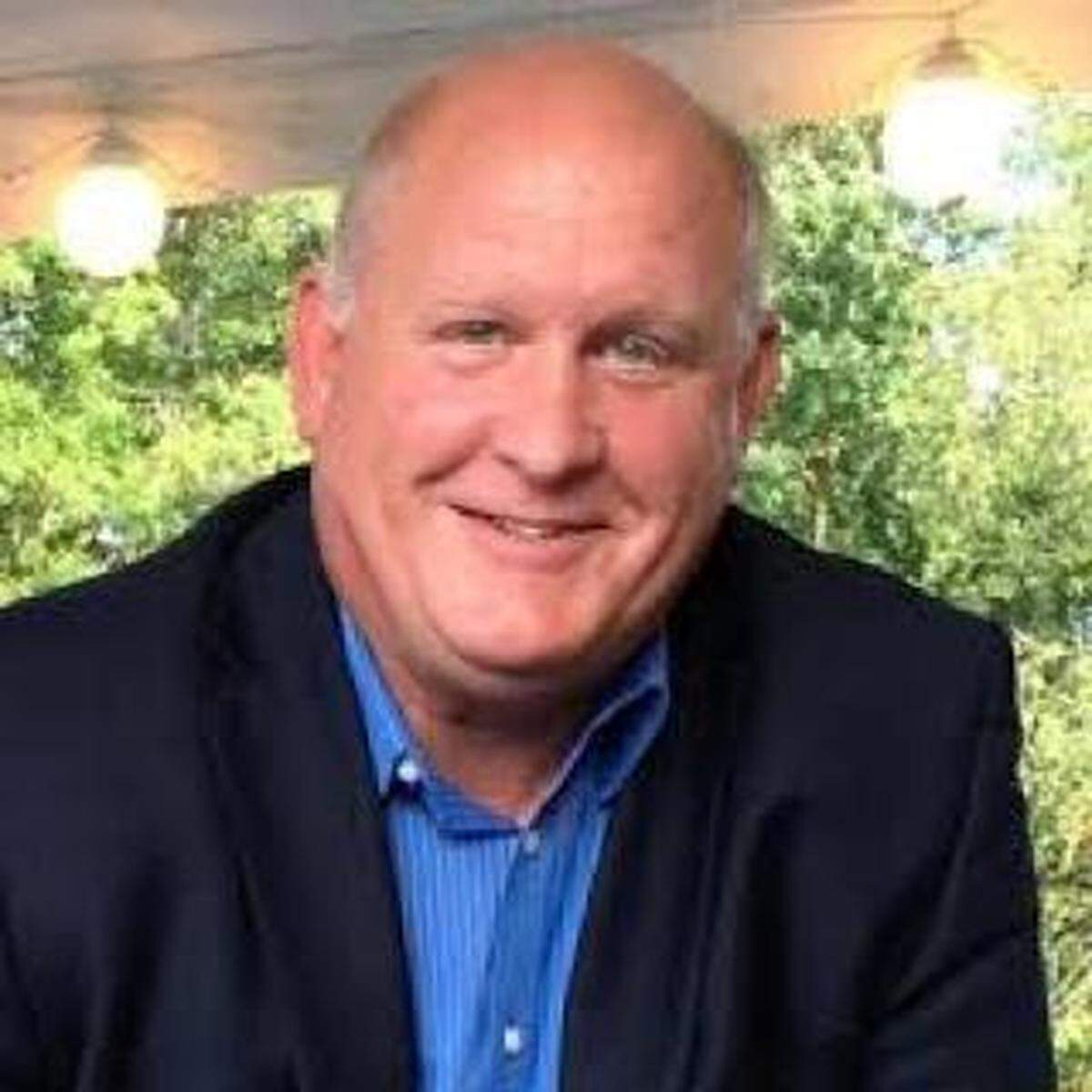
Party: Rep
County: Centre
Occupation: Member of Congress
Education: B.S. the Pennsylvania State University, M.A. Temple University
Qualifications: Former therapist and licensed nursing home administrator; former Bald Eagle school board member; former Centre County GOP chairman; member of Congress PA-5 (2009-2019); member of Congress PA-15 (2020-current).
Campaign Website: GTThompson.com
Questions:
Q: What issue(s) would you prioritize, and how would you work with others in government to get legislation passed and signed into law?
A: Millions lack access to reliable, high-speed internet service, particularly in rural America. COVID-19 highlighted the urgency for connectivity, as so much of life shifted online. I will continue to work to close the digital divide and bring connectivity to rural America. Throughout my time in Congress, I have consistently worked in a bipartisan manner to achieve common ground and consensus. I credit my career in healthcare and volunteer experiences, whether scouting, as an EMT and firefighter, or on school board. Each provided me the ability to work with people from all walks of life. I believe the constituents expect this from their voice in Washington. It is an honor to serve them and I am humbled by their continued support.
Q: What will you do in office to ensure all eligible voters have equal access to free and fair elections?
A: Free and fair elections are the foundation of our democratic system of government. It is imperative we maintain the integrity of our electoral process and ensure every American’s right to vote. While I encourage efforts to reduce illegal activities in our federal elections, Congress needs to respect the role state and local governments play in shaping their own electoral processes. Discrimination of any kind is completely unacceptable. This is not a partisan issue; all Americans should push for inclusion and participation in the electoral process.
Q: What measures, regulations, or acts, if any, would you support to mitigate climate change?
A: As Republican leader of the House Agriculture Committee, I and my colleagues have introduced bills to improve forest management, increase access to precision agriculture, restore healthy soils, and produce responsible energy and conservation incentives. We cannot sacrifice a healthy economy for a healthy environment, and vice versa. Natural solutions work, and we know that farmers, ranchers, and foresters are the key to those solutions. I also have authored the SUSTAINS Act, which will encourage private-sector partnerships by encouraging businesses to support sustainability through investment in conservation practices. Thoughtful, science-based policies will help promote a stronger agriculture economy and healthier environment.
Q: How do you view the role of the U.S. in responding to challenges facing the international community?
A: The U.S. plays a critical role in shaping international policy together with those countries that share our values. There are a number of diplomatic tools at our disposal to discourage bad actors from inflicting harm. I am a strong supporter of the U.S. Institute of Peace, which Congress established in 1984 with President Reagan, to improve national security and global stability by reducing violent conflicts abroad. We should always strive to mitigate conflict through diplomacy, but as an Army dad, I know we must also continue to have the best funded, highly trained, and lethal fighting force on the planet. And we must be there for our troops when their service concludes.