
Can you burn leaves in your Pennsylvania yard this fall? See what state, local laws say
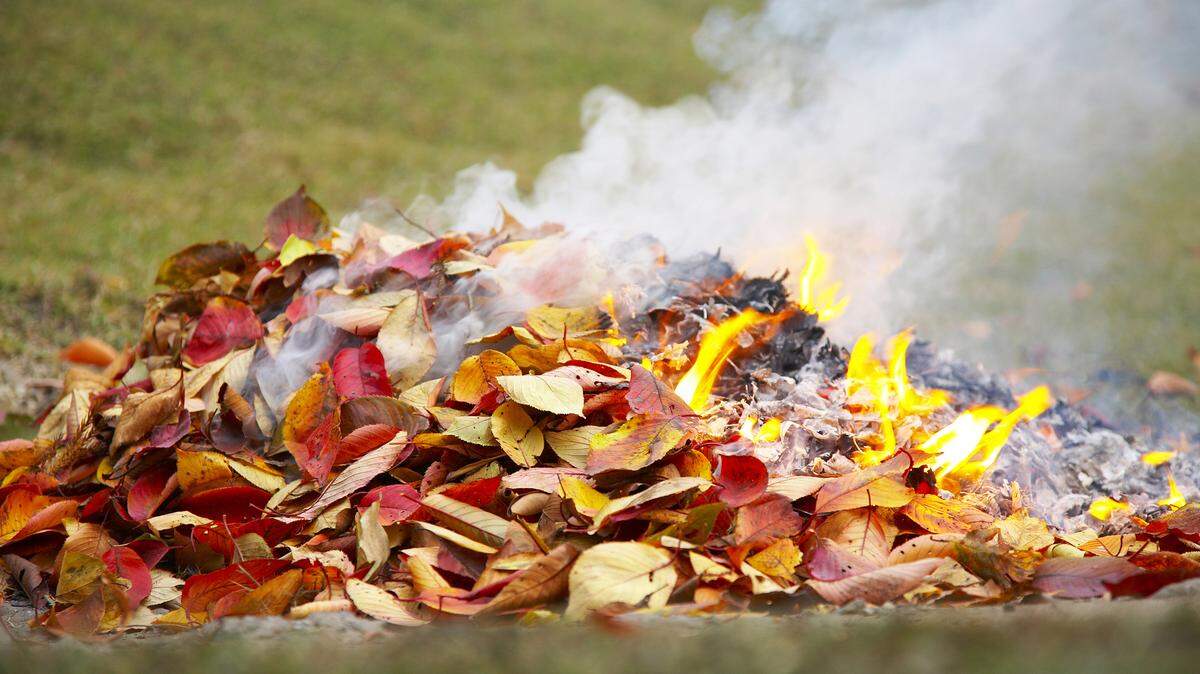
As we move farther into autumn and fall foliage begins to peak, fallen leaves are slowly but surely piling up across Pennsylvania.
Generally, trees with broader leaves shed their foliage each fall and winter to prevent leaves from freezing and ensure their survival. Those fallen leaves can become a nuisance for homeowners, as heavy layers can smother lawn grass, prevent new growth in the spring and even promote mold diseases and turf damage.
Those hoping to clean up an ever-growing supply of fallen leaves might take up a rake or a leaf blower, but is burning a pile in your yard an option in Pennsylvania? Here’s what state guidelines and local laws have to say.
Can you burn leaves in your Pennsylvania yard?
Probably not. According to regulations within Pennsylvania’s code, people are prohibited from conducting the open burning of any material inside an air basin. The commonwealth defines these sites as geographic areas, which are usually valleys, as places where air tends to stagnate. More than a dozen air basins are recognized in Pennsylvania, including several near Pittsburgh, Philadelphia and other major population centers.
The code also advises against openly burning materials outside of air basins if emissions are visible, if “malodorous air contaminants” are detectable outside of your property, if emissions interfere with “the reasonable enjoyment of life or property,” if emissions damage plants or property or if emissions are harmful to human or animal health, Pennsylvania’s code reads.
Pennsylvania’s code offers some exceptions for open burns. Fire officials and other experts may set fires to prevent or abate hazards, control diseases or pests or produce “agricultural commodities” on a farm. Fires set solely for cooking food or supporting recreation and other ceremonial purposes are considered exceptions, too.
Additionally, exceptions are offered for fires that burn “domestic refuse” on property occupied by two or fewer families so long as the burn does not affect the property’s occupancy. According to the Pennsylvania Department of Environmental Protection, domestic refuse does not include demolition waste, insulation, treated wood, paint, furniture, metal, electronics, automobile parts, waste oil, petroleum products and more.
Burning leaves and other trash in your yard may produce health risks for you and your neighbors. According to the DEP, burning leaves and other trash can produce short-term effects, including coughing and irritation of the respiratory tract and eyes. Long-term exposure to chemicals produced from controlled burns may lead to cancer, emphysema and other health concerns.
Burning leaves and other items in your yard can serve as a significant fire hazard, the Pennsylvania Department of Conservation and Natural Resources warns. Fallen leaves scattered on the ground throughout autumn create a notable fire hazard.
The agency estimates roughly 99% of all wildfires in the commonwealth are caused by human activity. The burning of debris is considered the leading cause of Pennsylvania wildfires.
Are there specific laws against burning in Centre County?
Most municipalities across Pennsylvania likely offer their own takes on regulations that prevent or advise controlled burns. Punishments for violations generally include small fines or brief stints in jail for repeat offenses.
The State College borough, for example, bans the outdoor burning of leaves and trash, though exceptions are in place for fireplaces, outdoor cooking and controlled bonfires. Nearby College Township prohibits the burning of trash and vegetation “on all lands not primarily used for agricultural purposes,” while the Bellefonte borough outlaws all burning of garbage “and rubbish of any kind” within the borough limits.
Regulations concerning open burns may vary from place to place, so be sure to check with your municipality’s code before attempting to burn leaves or trash on your property.
%202.JPG)