These 10 vehicles are stolen the most in PA, report says. Did yours make the list?
AI-generated summary reviewed by our newsroom.
- Pennsylvania ranked eighth nationwide for vehicle theft volume in the first half of 2025.
- NICB data show Pennsylvania thefts led by Honda Accord, CR-V and Hyundai Elantra.
- Federal officials urge parking in well-lit areas and the use of locks and anti-theft devices.
Although vehicle theft rates have recently declined in Pennsylvania, the commonwealth is still eighth in the nation for vehicle thefts by total volume, according to new data from the National Insurance Crime Bureau.
A “pandemic-fueled surge” in vehicle thefts peaked in 2023, the NICB reports, and the U.S. is now seeing a decline in vehicle thefts. As part of that surge, a 2022 viral TikTok challenge showed viewers how to steal certain Kia and Hyundai models using common tools, and police departments reported increased theft rates of those models as a result.
Hyundais still topped the list for most stolen vehicles in the U.S. for the first half of 2025. The top 10 most commonly stolen vehicles in the nation so far this year are the Hyundai Elantra, Hyundai Sonata, Honda Accord, Chevrolet Silverado 1500, Honda Civic, Kia Optima, Ford F150, Toyota Camry, Honda CR-V and Kia Soul, according to NICB data.
For the first half of the year, Pennsylvania reported 9,489 vehicle thefts, with 21,430 reported in 2024. The commonwealth ranked eighth in the U.S. for thefts by volume for the first half of 2025, NICB reports. The commonwealth saw a 6% decrease in vehicle thefts from the first half of this compared to last.
Washington, D.C., California and Nevada reported the highest vehicle theft rates per 100,000 residents for the first half of 2025. From the first half of 2024 to the first half of 2025, Alaska was the only state to report an increased theft rate, NICB reports. The state saw a 26% increase, “largely driven by theft trends in the Anchorage metropolitan area.”
Most commonly stolen vehicles in Pennsylvania this year
Here’s how the most commonly stolen vehicles compared in the first half of 2025 for Pennsylvania, according to NICB:
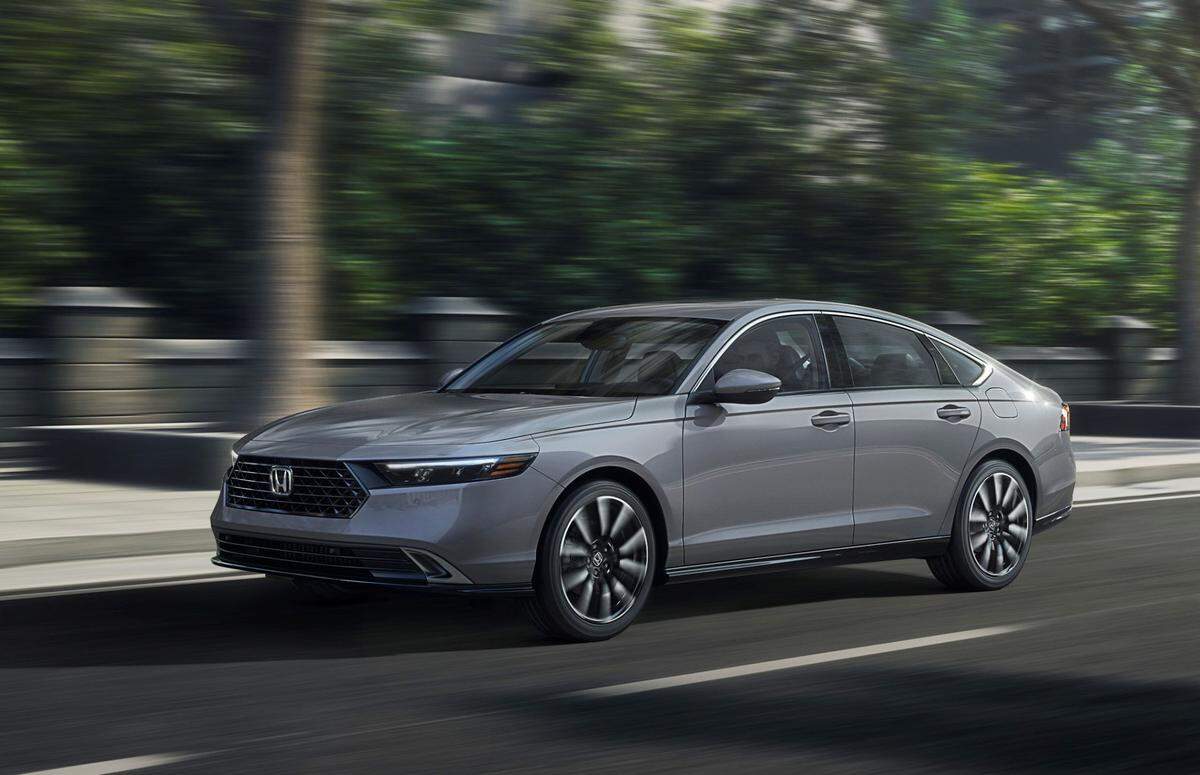
1. Honda Accord: 579 reported thefts
2. Honda CR-V: 544
3. Hyundai Elantra: 424
4. Hyundai Sonata: 352
5. Nissan Maxima: 290
6. Honda Civic: 274
7. Jeep Grand Cherokee: 229
8. Infiniti Q50: 191
9. Nissan Altima: 179
10. Acura TLX: 170
Some of these models were also among the most commonly stolen last year in Pennsylvania. The top 10 vehicles most subject to theft in the state last year include the Hyundai Elantra (1,081 reported thefts), Hyundai Sonata (972), Honda Accord (725), Honda CR-V (704), Jeep Grand Cherokee (522), Nissan Maxima (464), Honda Civic (455), Kia Optima (409), Nissan Altima (372) and Infiniti Q50 (371).
How to protect your vehicle from theft
More than 850,000 vehicles across the U.S. were stolen last year, the National Highway Traffic Safety Administration reports.
The simplest way to help decrease the risk of your car being stolen is to make sure to lock it and take your key with you, according to the NHTSA. You should also close and lock all windows and doors when you park and park in well-lit areas when possible.
Along with cars themselves and vehicle parts, items such as purses, laptops, cell phones and other valuables are also common targets, according to the NHTSA, so it’s a good idea to avoid leaving important items in your vehicle, especially if they’re visible.
You may also consider installing an anti-theft device, such as alarms, steering wheel locks, immobilizing devices or vehicle recovery systems.
If your vehicle is stolen, the NHTSA advises taking the following steps:
- File a stolen-vehicle report to your local police department and be sure to keep a copy of the report and/or case number. You may be asked for your vehicle’s license plate number, make, model, color, vehicle identification number and any other identifying characteristics.
- Within 24 hours, file a claim with your insurance company.
- If you find your vehicle, immediately contact the police department and your insurance company.