
Climate watch: New solar projects and more climate news from around Pennsylvania
There are several solar energy items to discuss as we begin 2026.
Bill to allow plug-in solar
Thirty-one members of the Pennsylvania House of Representatives — including three Republicans — co-sponsored HB1971, legislation to eliminate barriers to people wanting to access plug-in solar energy. Small-scale plug-in solar systems costing relatively little can be placed on a flat surface such as a balcony or a yard and can reduce a home’s electric bill. It’s a good alternative for homes or apartments where rooftop solar isn’t an option. The technology, however, is not widely used because most states, including Pennsylvania, have interconnection rules that discourage it. The bill was referred to the House Energy Committee.
Philly inks pact for Clearfield County solar
In December, the city of Philadelphia officially signed a 20-year contract with Oriden Power, a subsidiary of Mitsubishi Power, to buy electricity from a solar farm in Clearfield County. The Abes Run project is expected to be operational by the end of 2026. It will produce enough electricity to power six City Hall buildings. Combined with power now generated for Philly by a solar farm near Gettysburg, the city will get 36% of its electricity from renewable sources.
Permits OK’d for Philipsburg-area solar project
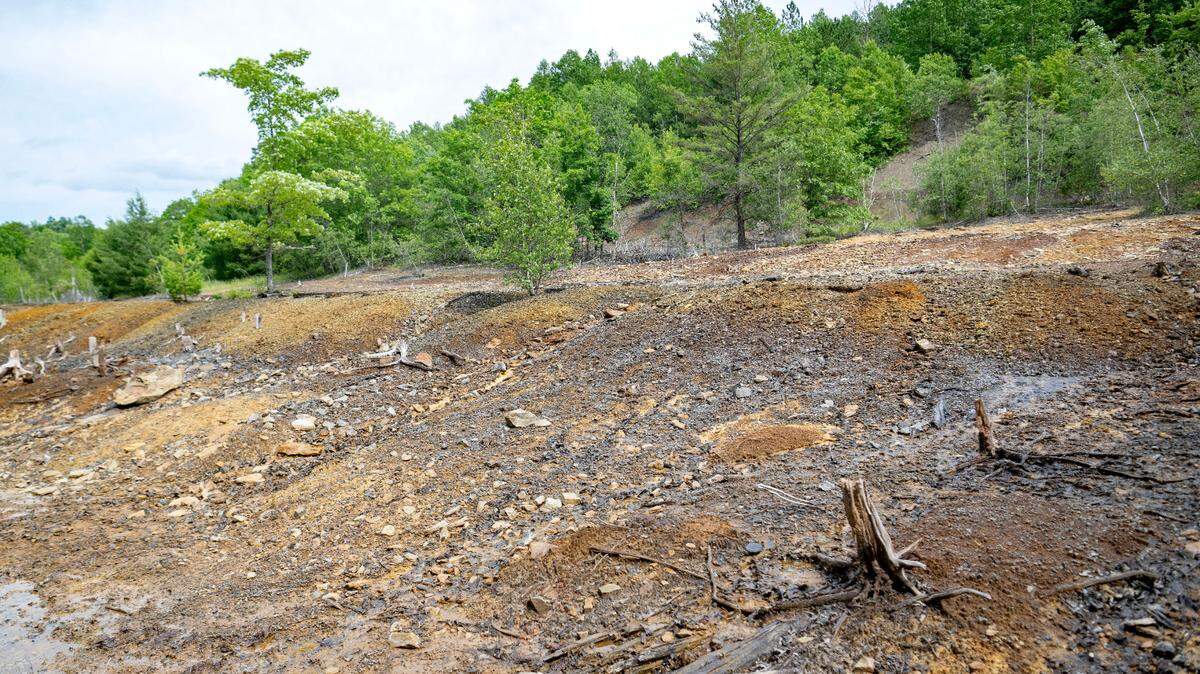
As reported earlier in this newspaper, Rush Township supervisors have approved permits for a 265-megawatt solar project. When operational, Black Moshannon Solar should generate $2 million in tax revenues for the Phillipsburg-Osceola Area School District and $700,000 in direct tax payments to Centre County. The project is planned on 2,000 acres of toxic coal mine lands. It is expected to generate enough electricity to power 200,000 homes.
Solar at Susquehanna U.
About 30% of the electric power required to run Susquehanna University in Selinsgrove now comes from solar panels, the school reports. The 2,300-student university has the largest on-campus solar array in Pennsylvania. There’s no need for gas-powered lawn equipment either. Sheep from a neighboring farm act as natural lawn mowers on the 14-acre 12,000-panel solar array.
2018-19 government shutdown hiked emissions
Coal-fired power plants emitted more particulate matter than normal during the 35-day federal government shutdown in 2018-19. That’s what Penn State researchers documented in a study published in the Journal of the Association of Environmental and Resource Economists. A Penn State press release reads: “This increase may be caused by the temporary reduction of efforts from the power plants to limit pollution, according to Ruohao Zhang, assistant professor of agricultural economics and lead author on the paper.”
Richard W. Jones is a member of the State College chapter of Citizens’ Climate Lobby. Reach the chapter at PaStateCollege@citizensclimatelobby.org.