‘Quite a turnaround’: Penn State’s program for physically disabled athletes is relaunching
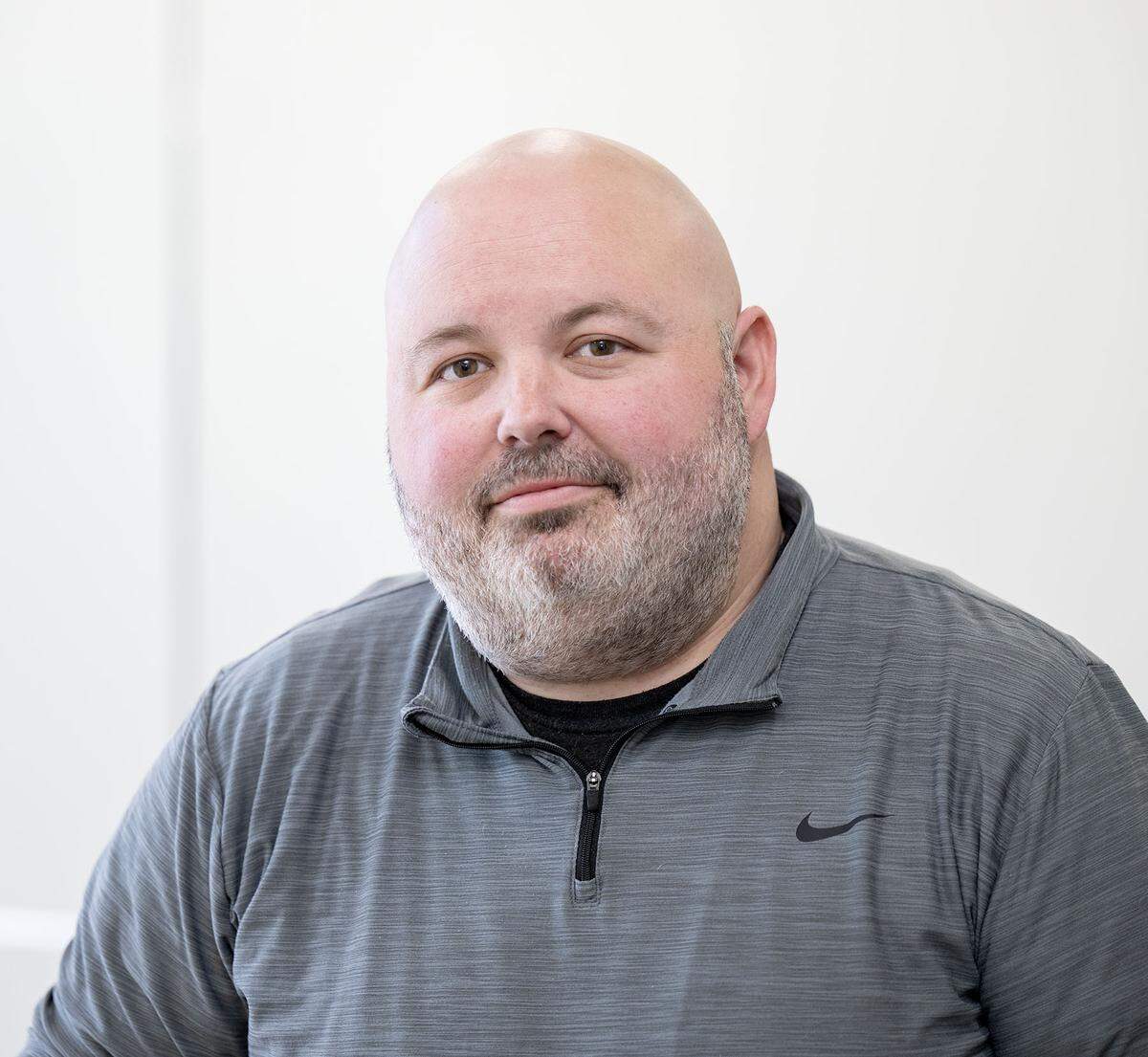
Penn State graduate R.J. Shirey admitted he wasn’t sure if this day would ever come.
Eighteen months ago, in the fall semester of his senior year, the State College native wondered aloud if Penn State’s program for student-athletes with physical disabilities would ever resume. He couldn’t be blamed for harboring doubts.
The university “paused” the program for nearly 3 years due to COVID-19, keeping it stalled even when varsity athletics resumed. Then it moved the program from Intercollegiate Athletics to Student Affairs, a shift that denied Shirey — the lone remaining student-athlete — the ability to use varsity facilities, lean on varsity resources or even wear a varsity Penn State jersey.
But, finally, that’s changed.
“I was worried it was going to collapse, to be honest with you, but here we are,” said Shirey, who won national titles in the javelin and shot put last summer. “They’re trying to slowly rebuild the program, and it’s looking a lot better.”
Saturday will mark the official relaunch, or revitalization, of a program now called Adaptive Athletics. The program is now back under Intercollegiate Athletics, a full-time director/coach has been hired, and a “celebration” — or fundraising — event will be co-hosted this weekend by Sue Paterno and Dana Harris. (Tickets for the 7 p.m. event at Pegula Ice Arena remain available online for $100, and those interested can also choose to donate separately at RiseAboveAbility.com.)
Getting back on track
The relaunch caps off a yearslong struggle filled with exasperated boosters, angry alumni and puzzled supporters. Every question still hasn’t been answered, such as whether student-athletes with physical disabilities will have access to the varsity tutors, but those who fought to get to this point say the program is on the right path.
“It’s been quite a turnaround,” said booster Todd Hilsee, one of the leading voices in the program’s resurgence. “Penn State got the message; they heard the message.”
Donors and former student-athletes told the CDT that cracks in the program began forming even before COVID-19 turned the world on its head. Former Athletic Director Sandy Barbour appeared to de-emphasize the program, they said, and it eventually struggled to keep up participation.
The program’s plight was made public in December 2022. According to Hilsee, two trustees at the time — Anthony Lubrano and Ryan McCombie — picked up the cause and took it to the administration, who seemed receptive to some of the proposed changes.
Other changes, such as moving the program back to Intercollegiate Athletics, took more convincing. (Hilsee’s insistence his Adaptive Athletics endowment was only designed for the ICA certainly didn’t hurt.) But the admin eventually relented, and those involved with the program credited university President Neeli Bendapudi and Athletic Director Pat Kraft for their support.
“The university has been very supportive of it, in terms of giving us the right amount of bandwidth,” said Chuck Sypula, founder and chairman of Rise Above, the booster organization for Adaptive Athletics. “I think we’re really in the position of taking off. Our vision is to help Penn State get this program back to where it once was, which was one of the top 3 or 5 programs in the country.”
Kraft, who started in his role in July 2022, expressed gratitude to those like Sypula who pushed for change.
“We know sports in general can significantly enhance the physical health and mental well-being of all students and this inclusive program supports those things, providing opportunities for more student-athletes to thrive,” he said in a written statement. “The interest and involvement of the surrounding community is beneficial for everyone to raise awareness and enhance the program, and we are grateful for the efforts.”
A ‘life-changing’ program
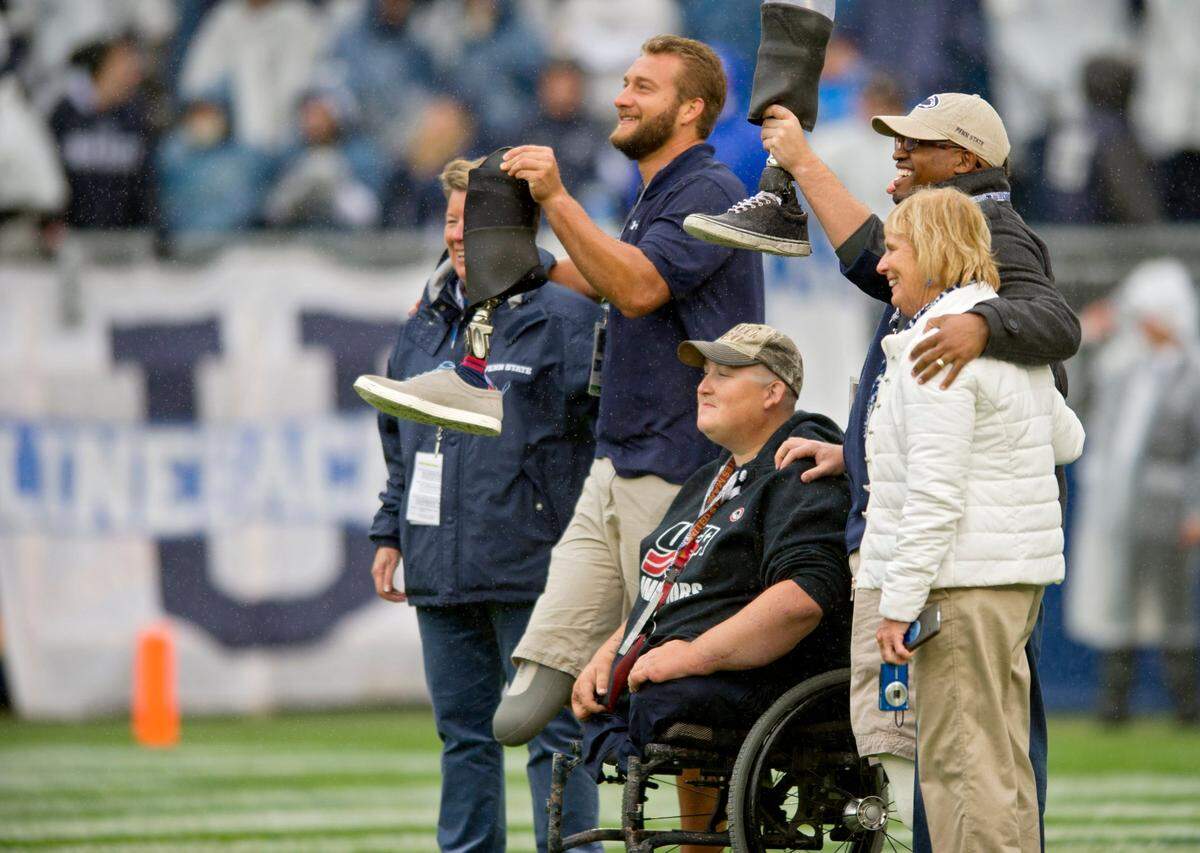
The Nittany Lions once boasted a rich history in producing national champions and U.S. Paralympians. Alum Kortney Clemons became the first Iraq War veteran to qualify for the U.S. Paralympic team. Swimmer Sean Brame, a quadriplegic amputee, helped break an American Paralympic record in 2018 in the 200-yard medley relay.
“Not only did it set up my athletic success and the friendships I still have from the program today,” added alum Maggie Redden, who took part in the 2008 Paralympic Games in Beijing. “But it set me on a good path the rest of my life.”
Talk to student-athletes or coaches about the program, and the word most often used is “life-changing.”
Jake Schrom was a student at Penn State Mont Alto when his right leg was amputated while working in landscaping. He said the program at University Park — where he later enrolled — helped restore his confidence. (He took part in the 2020 Paralympic Games in Tokyo as a powerlifter.) Shirey lost his left leg in a hunting accident, set national records in the javelin and shot put, and he didn’t try to downplay the program’s impact on him.
“I don’t want to say it made me feel whole again, but it did,” he said. “I know that sounds cringe, but it felt great being treated like a normal athlete. I never thought I’d win gold or set records, but I just had that determination — and now I have really fond memories and stories. It’s an important program.”
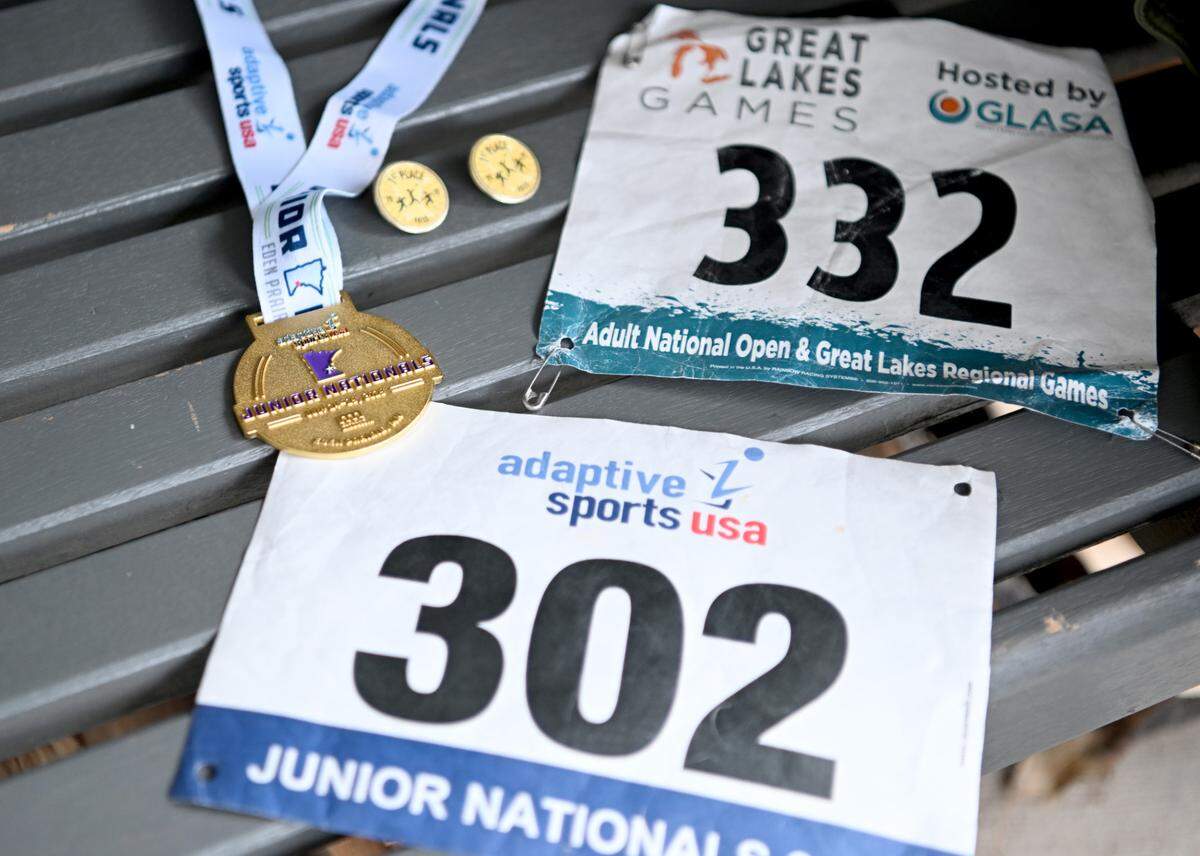
Maybe no athlete in the program’s history, which dates back to 1999, had a tougher run than Shirey. He had to fight to be reimbursed for hiring his own trainer because he didn’t have a coach for more than a year. And when he took part in regionals last summer, Penn State denied his request to wear a windbreaker jacket with the Nittany Lion logo since he no longer competed under the ICA. (The university changed the program’s status afterward.)
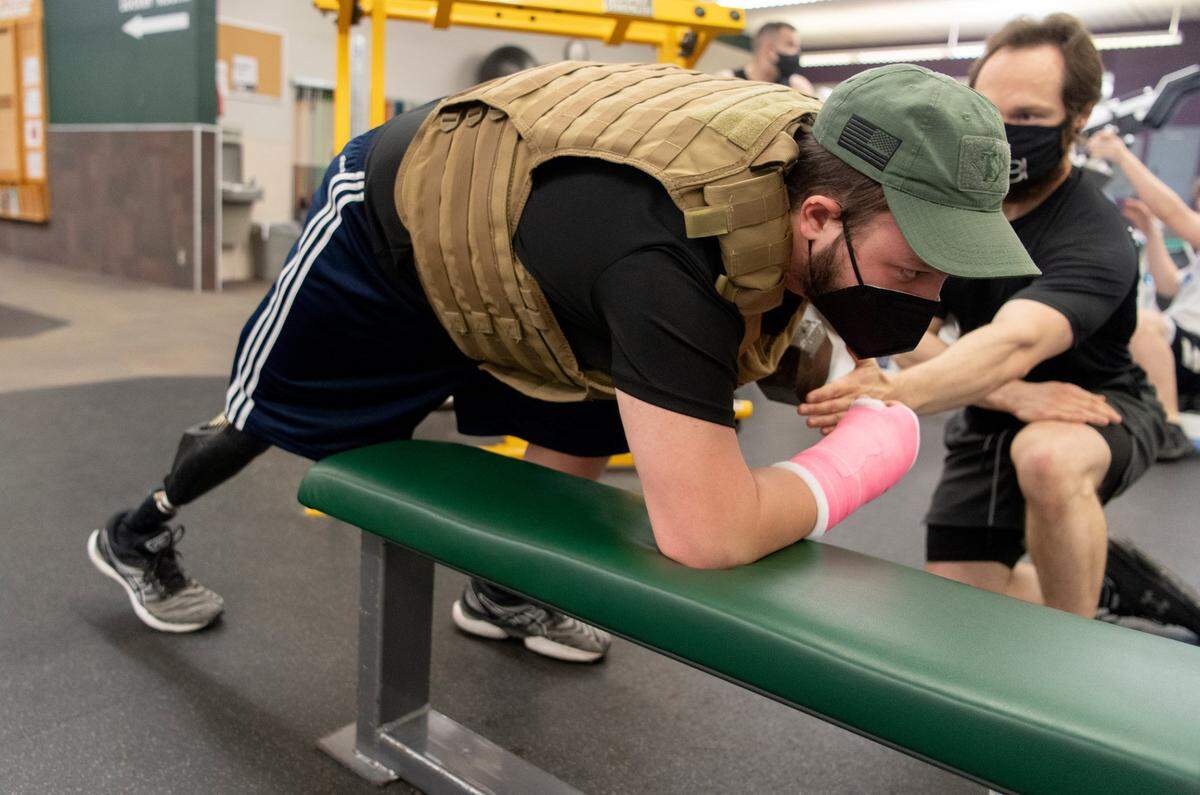
But Shirey remains “very hopeful” about the program’s future — largely because he has a lot of faith in new full-time director/coach Brenna O’Connor, a former Penn State track and field athlete whose passion others have labeled “infectious.”
O’Connor, who spent the last 20 years in Penn State’s Kinesiology Department, was hired on a part-time basis last spring but was promoted to full-time in November. She will focus on recruiting this next year — she already has at least one verbal commitment — and looks to get this program regularly competing by then.
Because she’s been ingrained in the Penn State community for so long, O’Connor knows how many are eager to help the program succeed. One assistant volleyball coach already helps host sitting volleyball clinics, for example. Another is familiar with sled hockey. Others told her they’d be there to help her with swimming. She called her position a “gift from God” — and she’s determined to make the most of it.
“If someone says they want to be a part of this program, I’ll find a way where they can compete,” she said. “Our whole goal is to provide a place for these athletes to have a place to train and compete, so why would I turn them away? That would just tell them, again, they’re not welcome or there’s no place to go. We don’t want to give them that message.”
O’Connor choked up while recalling one memorable interaction, where she bumped into a Penn State couple and their spunky 8-year-old daughter, who had a physical disability. They shared they didn’t think she would have any athletic opportunities growing up — and were shocked to learn about the PSU program. “They literally jumped up and down,” O’Connor remembered.
“These are the types of things we come across,” O’Connor said about recruiting trips and accompanying Shirey last year. “I had people yelling at me ‘We are!’ or they asked, ‘Oh my God, what kind of programs do you have?’ Because of our location, it’s great for people who live in PA but also Connecticut, New Jersey, New York, Ohio, northern Virginia. ... All of these people, for the last 5 years, had to consider going to Alabama or Michigan or Illinois or Arizona because, if you were a top athlete, those are the places you would look at.
“And now they’re excited to see Penn State again.”
This story was originally published August 2, 2024 at 12:00 PM.