As Beaver Stadium renovation work continues, Penn State’s AD shares new details about project
Penn State’s Beaver Stadium project is pressing forward, and new details have been released about what it will entail, what it will look like and more.
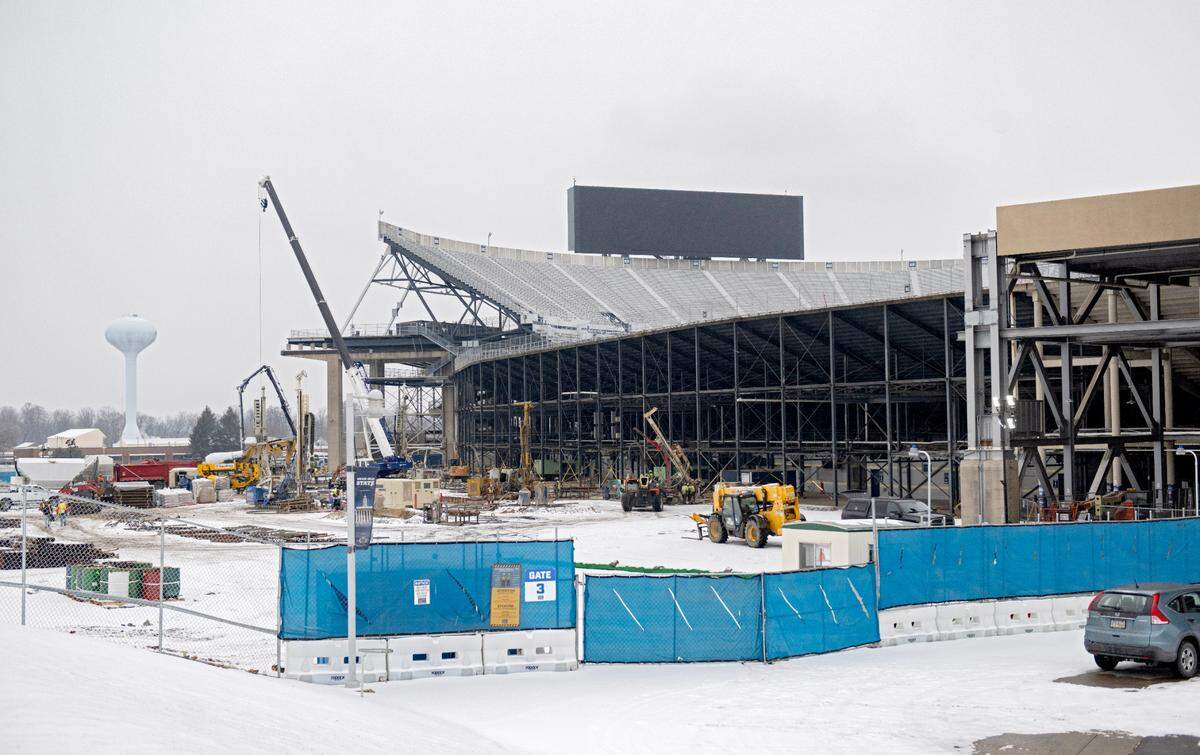
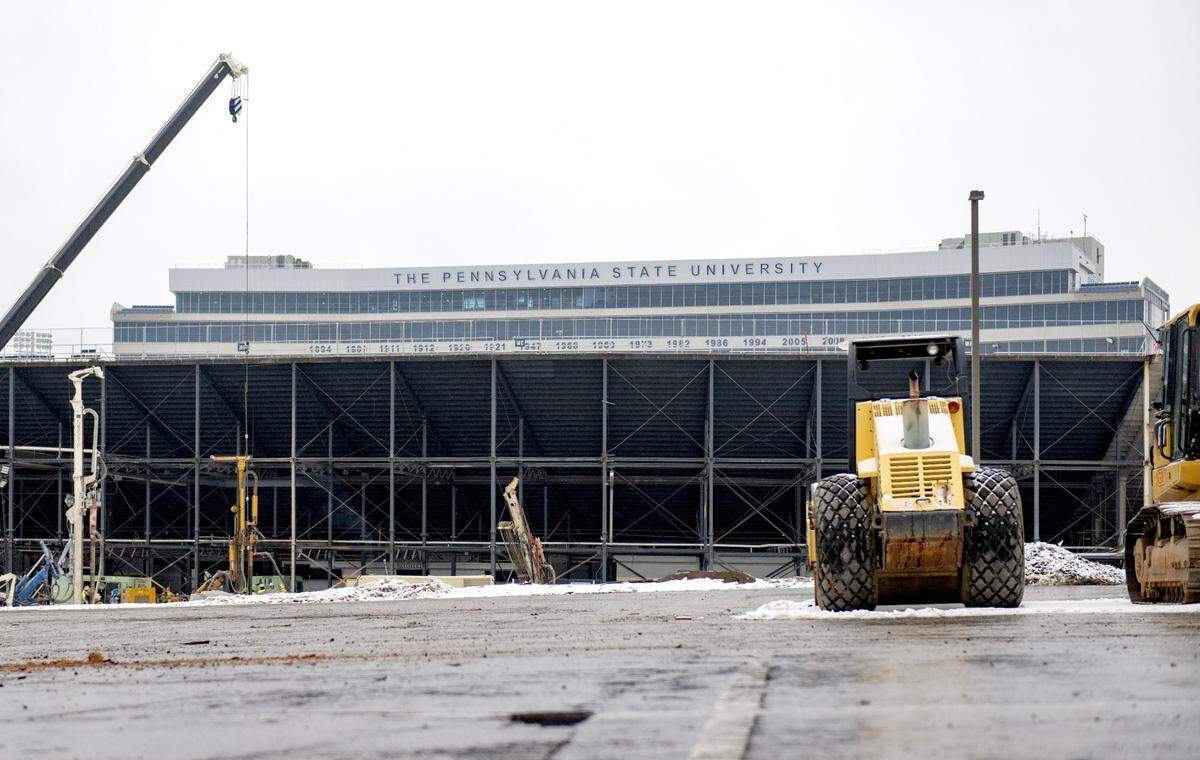
Penn State’s board of trustees approved up to $700 million in spending on the renovation project last May, with work beginning on the stadium shortly thereafter. Since then, some improvements have already been made — including the addition of several escalators and improved WiFi — leading up to the demolition of the press box in early January. But additional details about the full scope of the project design and timeline have been scarce in recent months.
Penn State athletic director Pat Kraft and his staff recently spoke about the project with a small group of reporters.
Here’s a look at new details.
Design
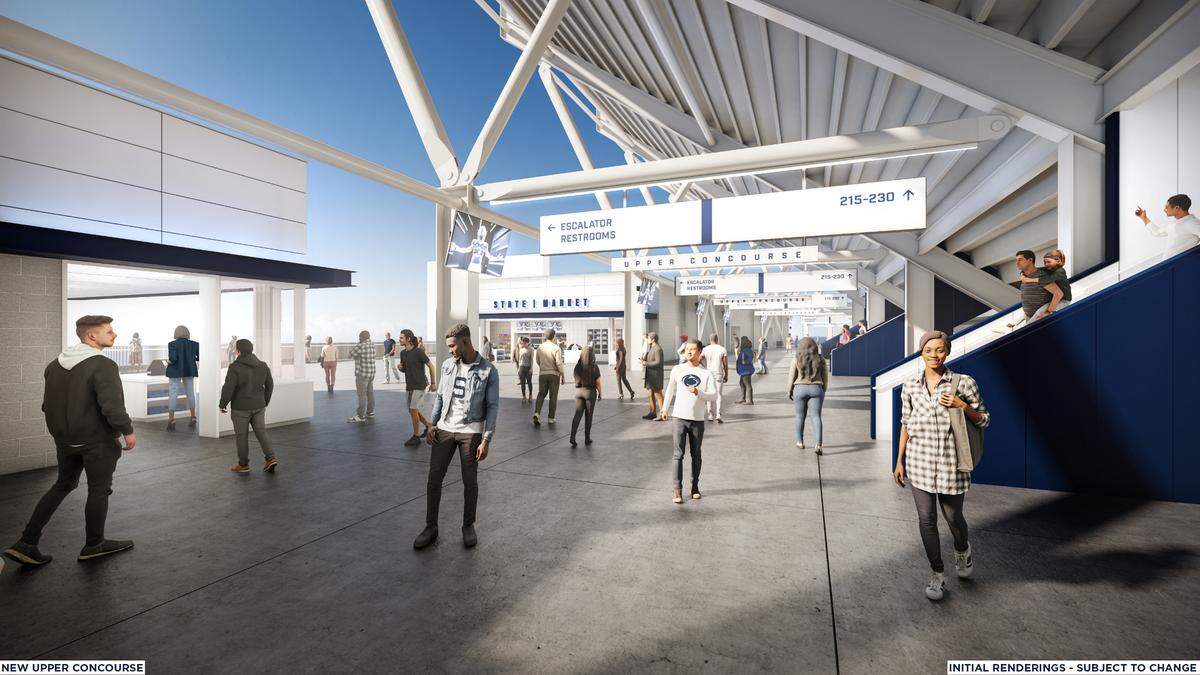
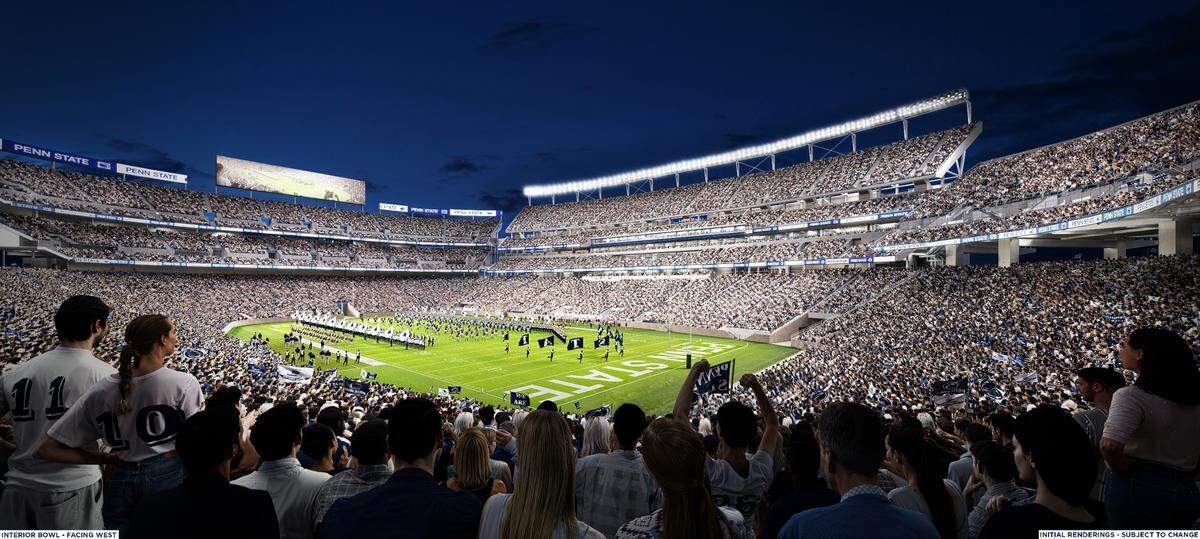
Penn State’s west side — where the press box was demolished and where work has been ongoing since — will look much different following the renovations. It’s where premium seating will be located.
The structure itself will be 30 feet higher than the previous iteration of the west side, and will include stadium seating on top of the premium sections. Those seats, while not having built-in chair backs, will have roughly 25% more room per seat than what the stadium currently has.
Kraft had told the Centre Daily Times in August that the design was expected to be done last fall. And while there could be small changes moving forward, he said the design is essentially now done.
“As you know, the design process is a gradual one,” Kraft said. ”We continue to fine-tune the design and ensure Beaver Stadium’s needs are addressed. In the end the guiding principle for all of this it to ensure that the legacy of this incredible facility and environment continue for years to come.”
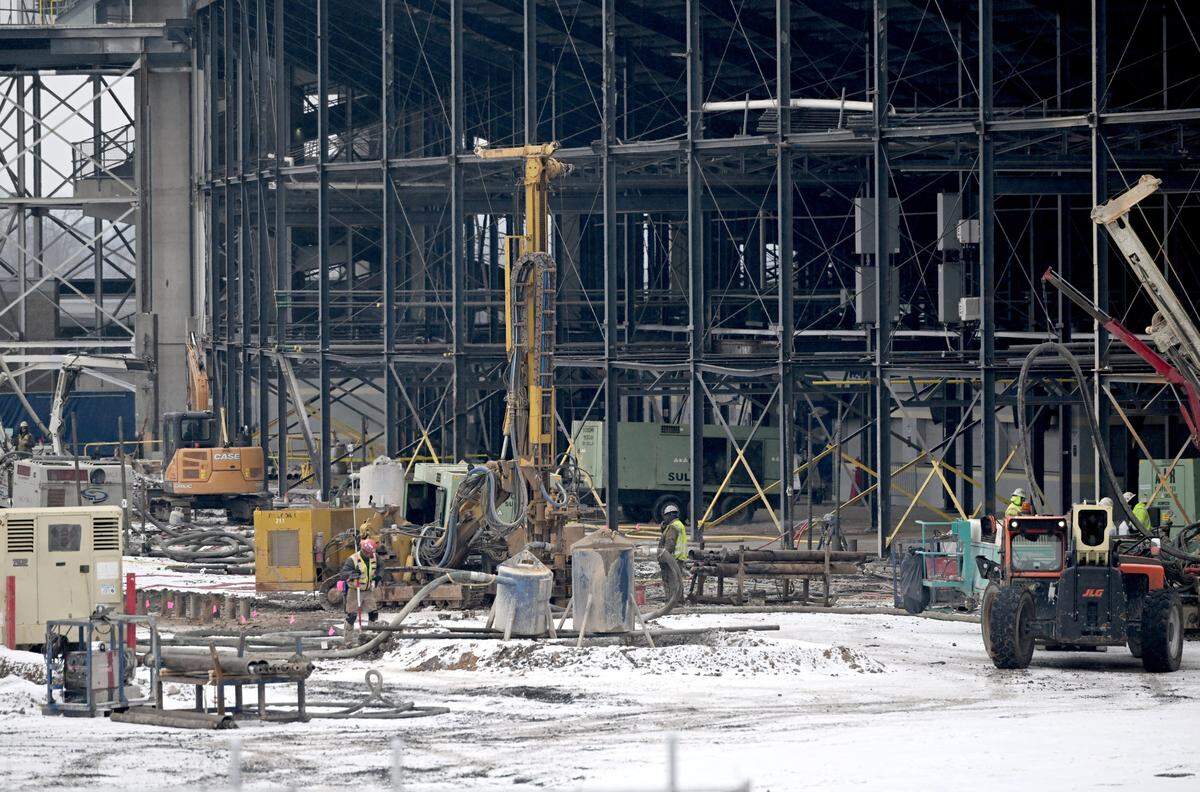
The steel and structure for the first phase of the project will begin going up this spring, with temporary seating to follow on the west side. Those seats, along with temporary seating in the northeast and southeast corners of the stadium, are scheduled to be in place this summer with a target date of Aug. 1.
There will be roughly 7,900 seats displaced by the demolition that took place in January (about 6,100 season tickets and 1,800 student tickets), but all of those will be replaced with the temporary seating.
When the construction is finished, fans on the west side will be much closer to the field — by at least 100 feet.
And while most of the construction will be to the stadium itself, there will be additions outside of the structure, too.
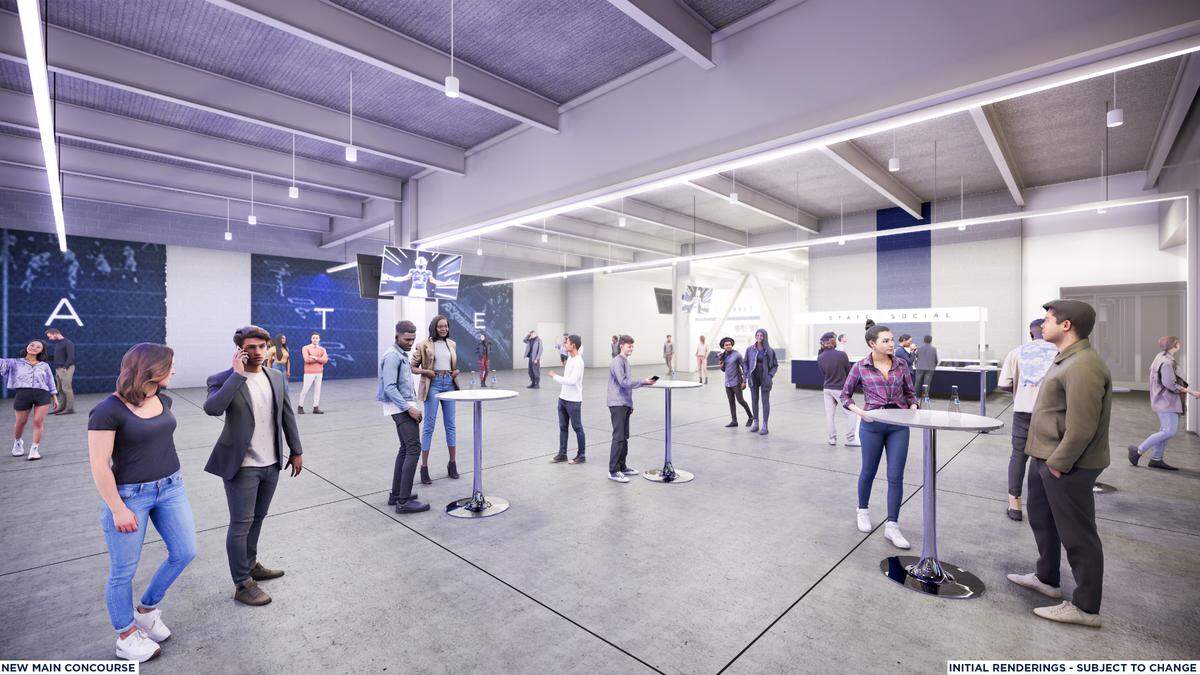
“Similar to what we did at Gate F this year, we are going to continue to expand the perimeter of the stadium,” Kraft said. “It allows us to improve ingress, egress and general circulation in the building and also gives us more space to activate and offer unique experiences to our fans.”
As previously noted in other university releases, the west side will also feature a welcome center for the university that will serve as the beginning of all tours of Penn State once construction is finished.
Ticketing and the Legacy Fund
For the 2025 season, the 6,100 ticket holders that have been displaced by the construction will be the only group that can pick new seats because of the renovation. They will be able to move lower if they want, or they can take spots in the temporary structures that will be in place.
Season ticket holders were sent an email on Jan. 7 describing the process for renewals for those who have been displaced. Once the normal process begins, those people will have a deposit in their account that can be renewed that will not have a seat location. Renewing it will qualify the account holder for an appointment to select new seats. Once the stadium-wide renewal window ends, those people will be able to choose their new location.
Kraft and his staff’s decision-making process for the additional seating and changes was impacted by the survey they sent to season-ticket holders, which indicated many respondents would pay 15-30% more for tickets if it meant improvements were made.
“The survey results showed our fans wanted more seating options,” Kraft said. ”In the current building, we essentially have three different options and price points. Bench seating, club seats and suites. That’s it. The survey showed our fans had a strong interest in chairbacks, multiple sideline club options and loge boxes, which is similar to what they’ve seen in other venues when we travel for postseason games.”
Ticket prices will also go up — for the first time in five years — due to the creation of a new Legacy Fund, which was announced on Feb. 7. The fund will create a new “nominal” fee on parking and tickets, among other amenities (including concessions and novelties), according to the release.
Kraft said those fees — the exact amounts have not been publicly announced — will help Penn State compete across all sports.
“We felt it was important to create the Legacy Fund to ensure the health of our programs and our facilities into the future,” Kraft said. “This is a small but meaningful way our fans can impact our student-athletes and their experience. We have always been an institution that has meshed athletics success with academic achievement, and this fund will be a way for us to continue to provide the resources needed for student-athlete scholarships and maintain our 23 athletics facilities.”
New seating offerings, including premium
Premium seating on the west side — where it hadn’t existed previously — will be 25% of the total seating on that part of the stadium. The rest will include club suites, loge suites and a lower bowl that has chairback seating for the suites and clubs, along with additional chairback seats that can be purchased individually.
“I think the most important part of the new offerings is there will be something for everyone,” Kraft said. “Someone who wants a budget conscious option for their family will find that. Someone who wants a premium, unique game day and seating experience can have that. And everything in between.”
The new seating options are also critical from a financial standpoint, Kraft said.
“The incremental revenue these options bring in allow us to enhance and elevate the building and also address the maintenance and upkeep that will ensure Beaver Stadium continues to be home to one of the best environments in all of sports for years to come,” he said.
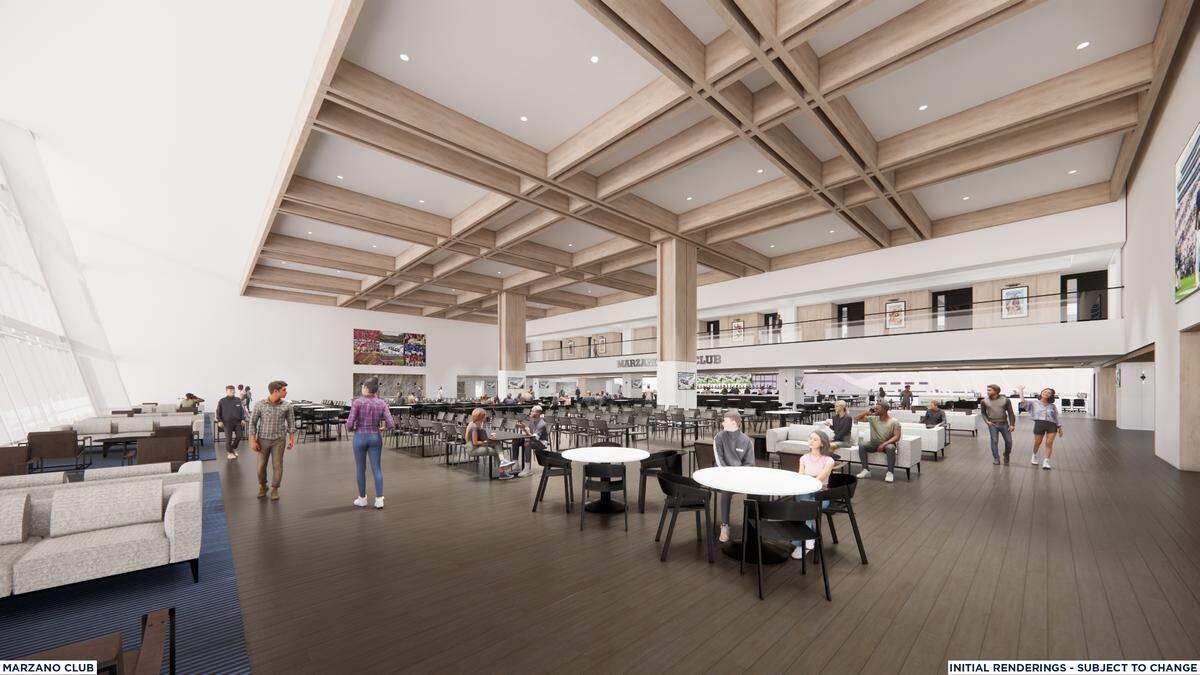
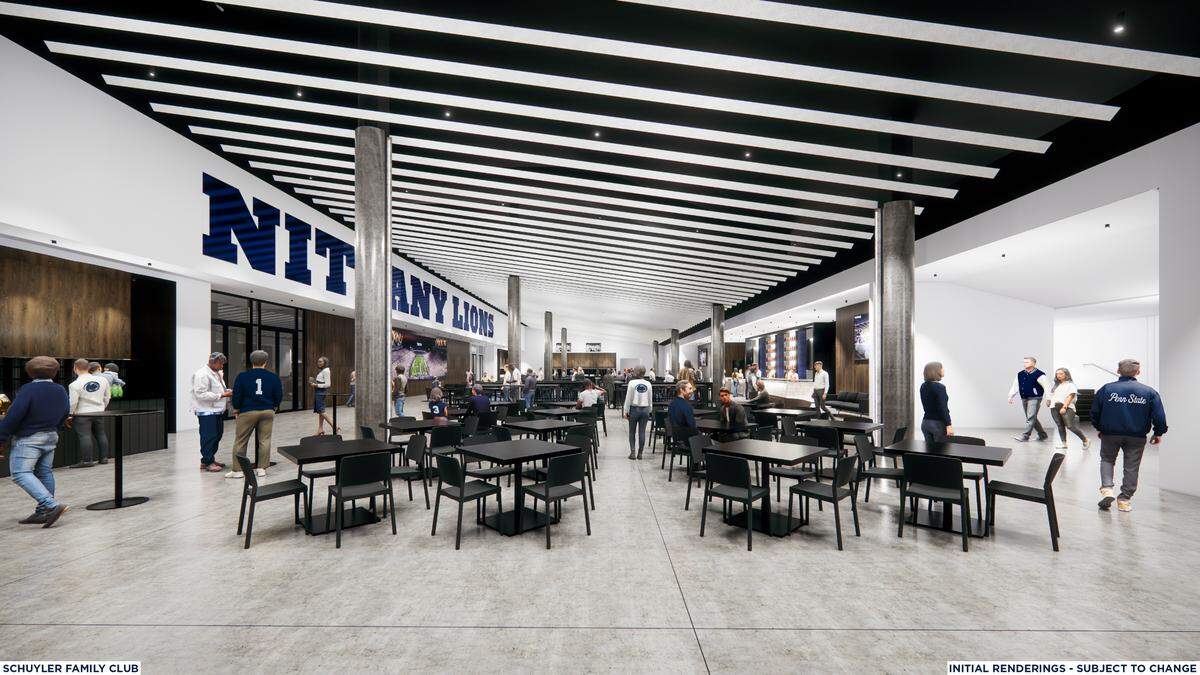
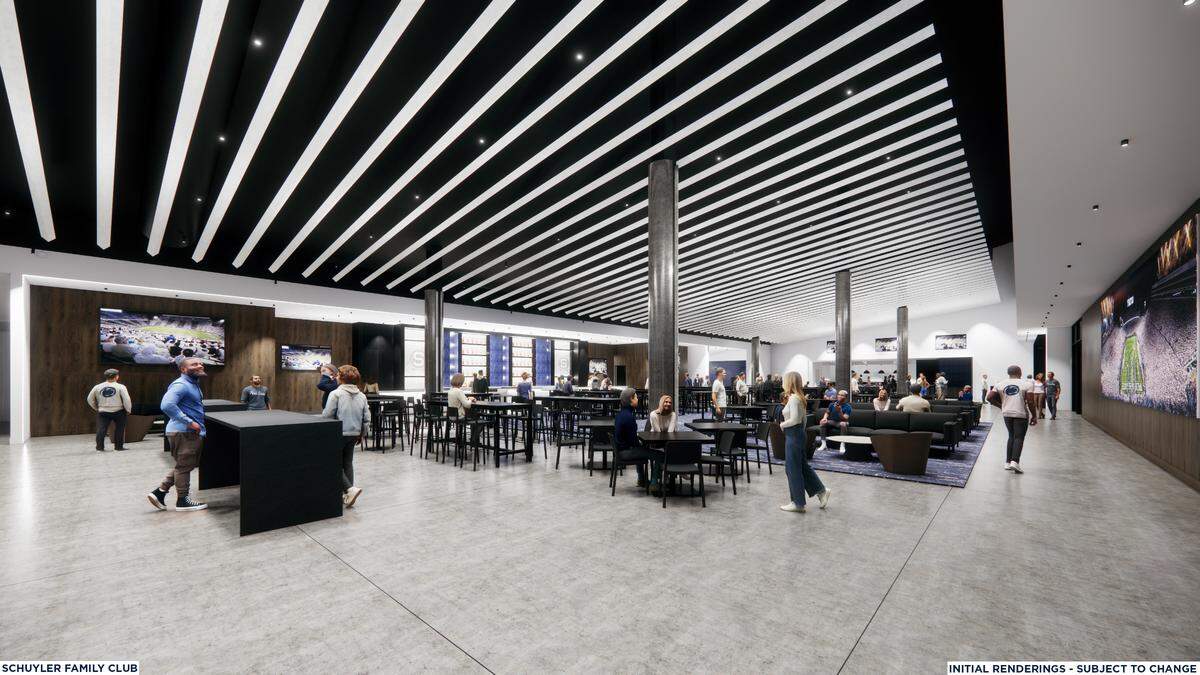
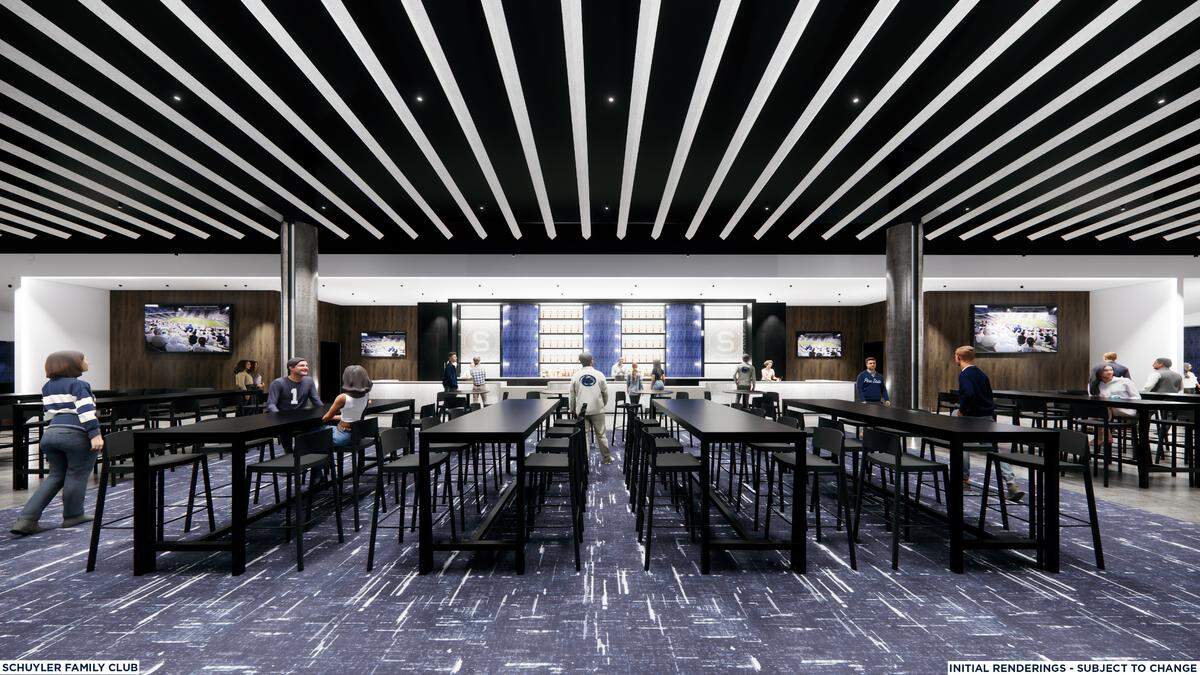
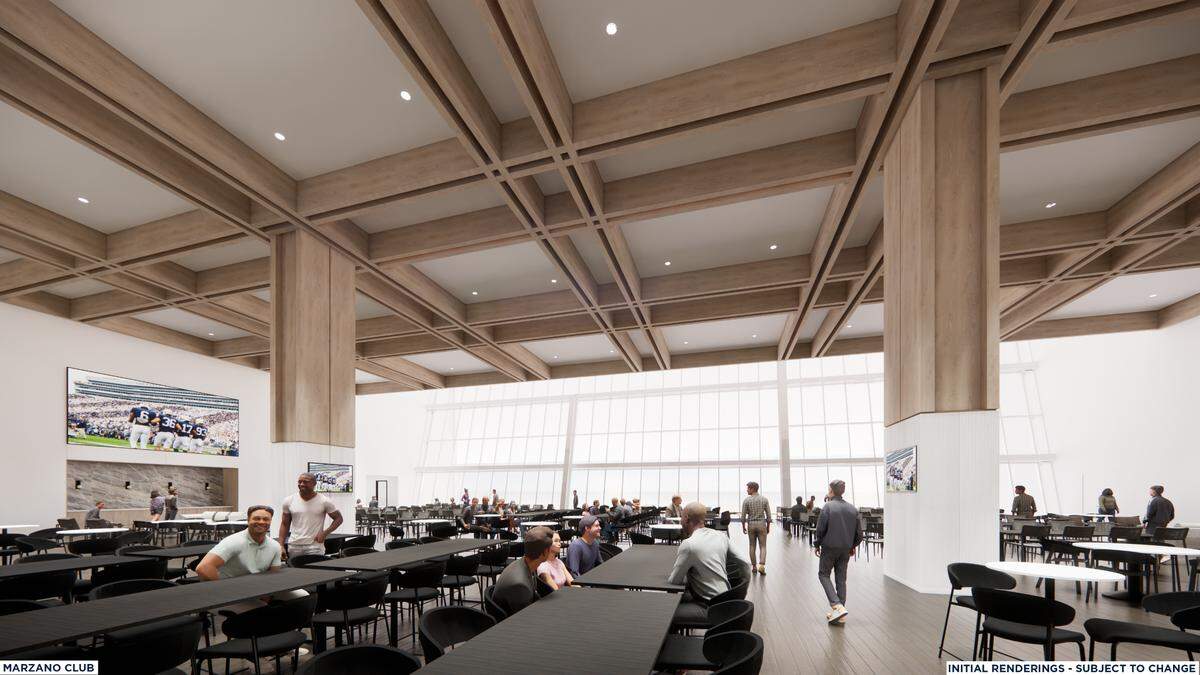
The premium seats will include two clubs — the Marzano Club and the Schuyler Family Club, named after the two families (one of which is former Penn State board of trustees’ chairman Matthew Schuyler’s) that made multi-million dollar donations to the renovation project.
The former will feature 35,000 square feet of usable indoor space and can hold a 1,000-person seated event, allowing for it to be used year-round for events. On game days it will come with 2,500 seats for the game.
The year-round use was a point of emphasis during the construction for Kraft and his staff.
“Making Beaver Stadium a year-round venue was one of the components of this project that was important to us as we went through the planning process,” Kraft said. “For us, we wanted to have a community impact with the revitalized Beaver Stadium that will be felt more than on football Saturdays. It was important for us was to provide a front porch for the university to welcome prospective students and alumni to Happy Valley, as well as on-campus space for events. In addition, having the ability to host a number of different events in the stadium, as well as in new event spaces will provide a revenue stream for us to be able to support our 31 sport programs.”
The Schuyler Family Club will feature 30 loge suites that will also include a back bar and will occupy the chairback seating from roughly the 30-yard line to the opposite 30-yard line.
There will also be eight 1,200 square foot founders level suites. All of the clubs will be all-inclusive. No specifics on pricing have been released.
Odds and ends
- The projected cost is still set to remain no higher than $700 million.
- Kraft’s goal is to get $130 million in gifts toward the stadium from donations. The current total is $70 million.
- The press box will move to the east side of the stadium, as will the coaches’ booths. Both were previously on the west side of the stadium.
- The broadcast booth will remain on the west side of the stadium.
- Audio and lighting improvements will both be part of the stadium renovation, including lighting on top of the west side.
- Some other renovation projects are also set to finish up this year.
- The Greenberg Sports Complex will be done by August. It is for all athletes and will include wellness and recovery spaces.
- The renovation of the soccer facilities are set to be done by mid-October.
- The indoor practice bubble will be in place for this fall for use by athletic programs to help alleviate scheduling issues in current facilities.
This story was originally published February 13, 2025 at 10:00 AM.