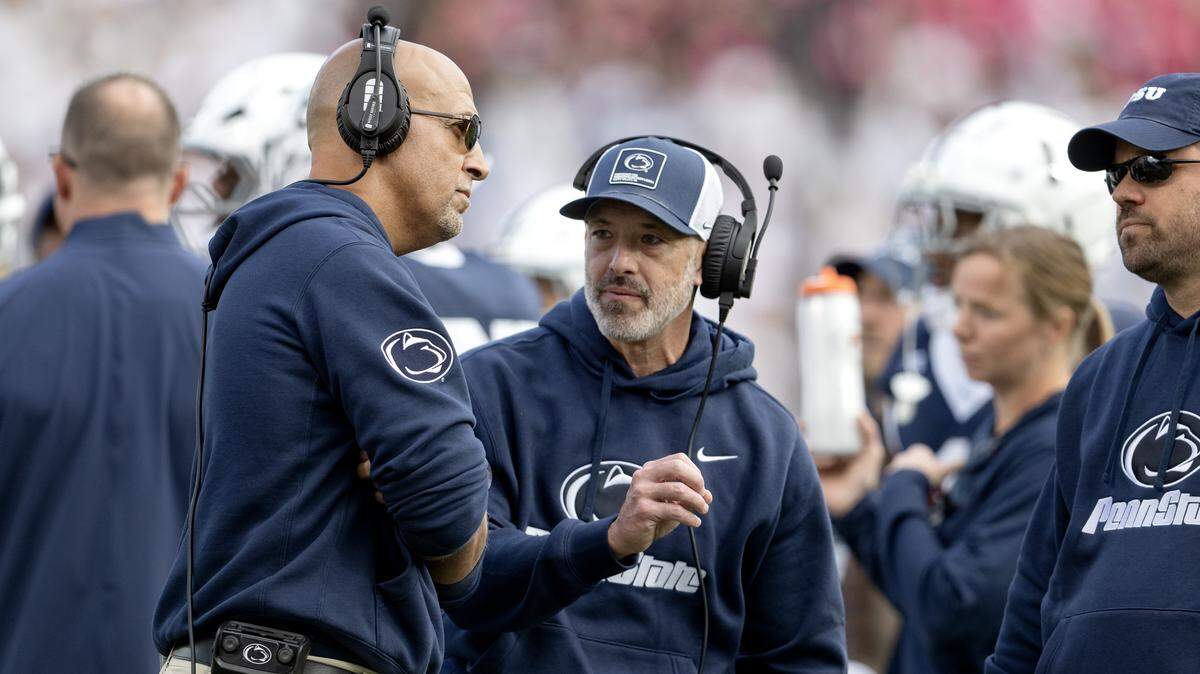
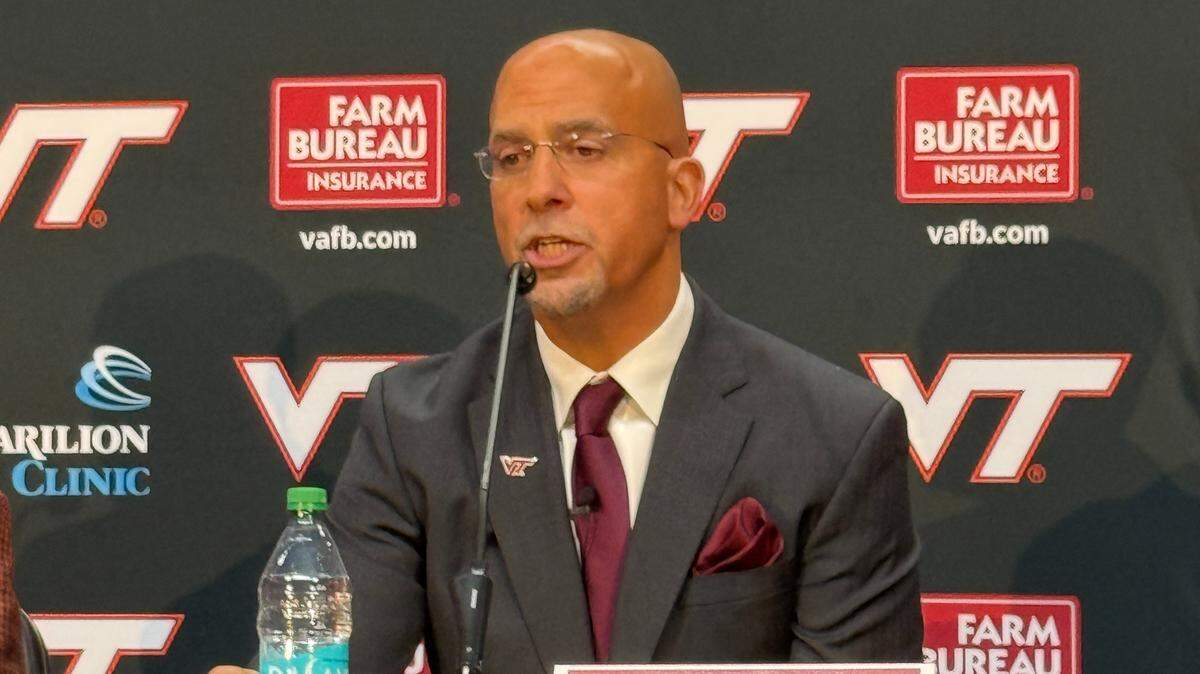
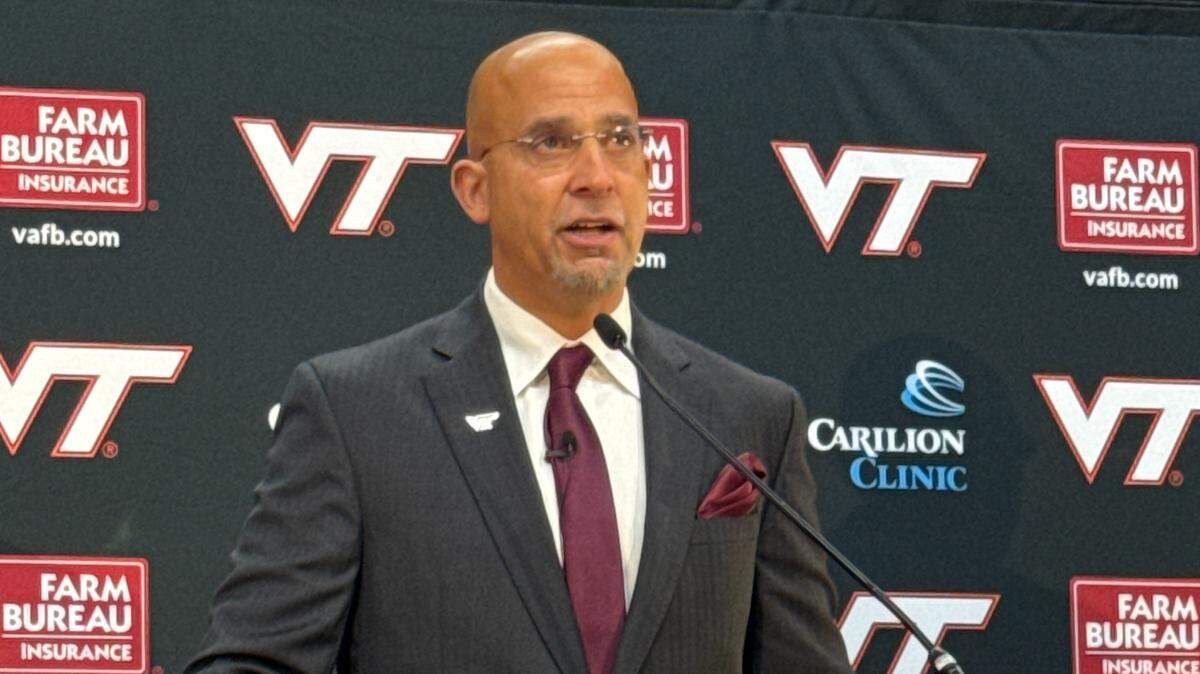
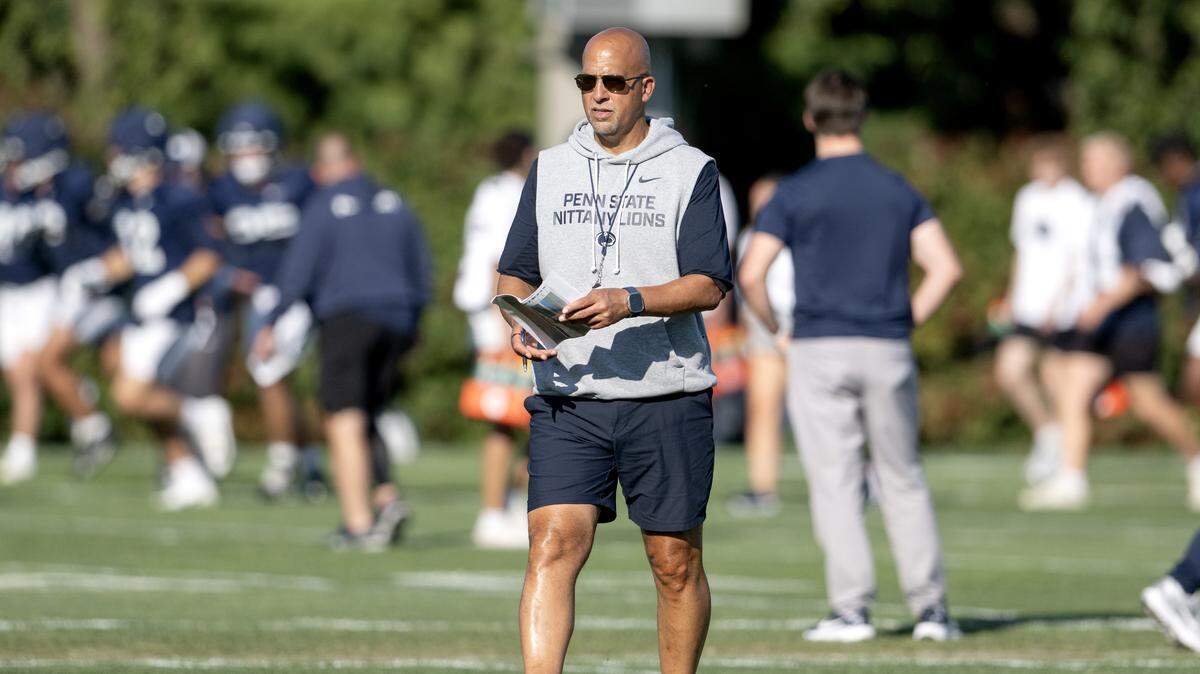
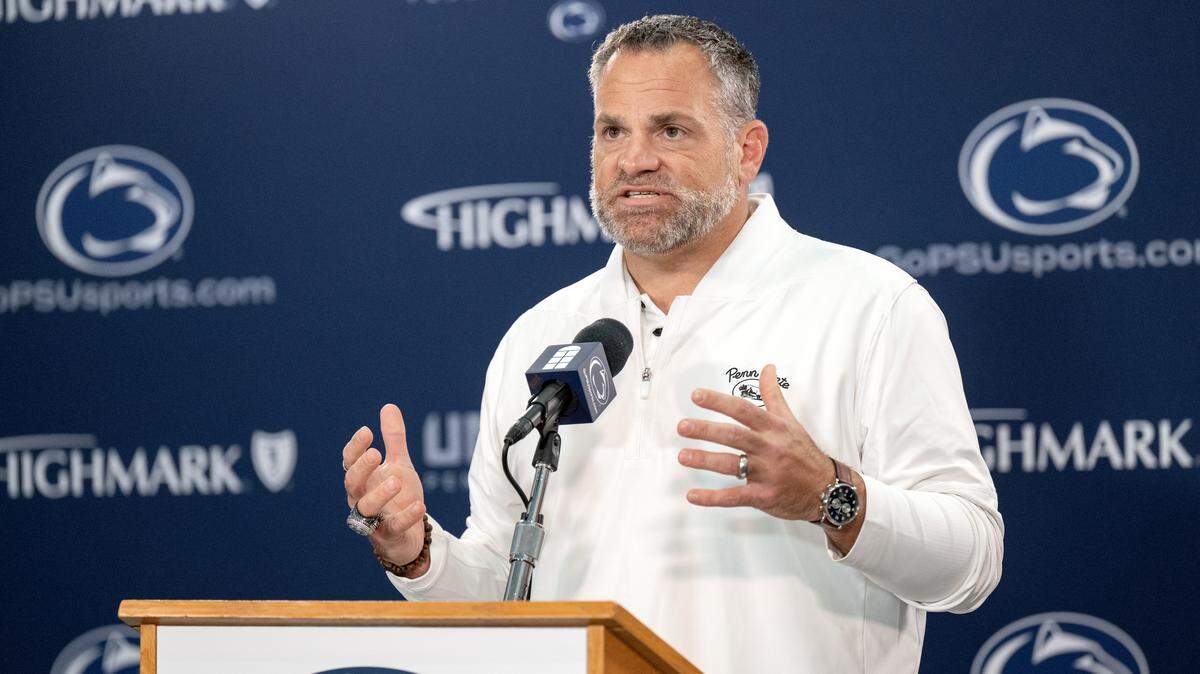
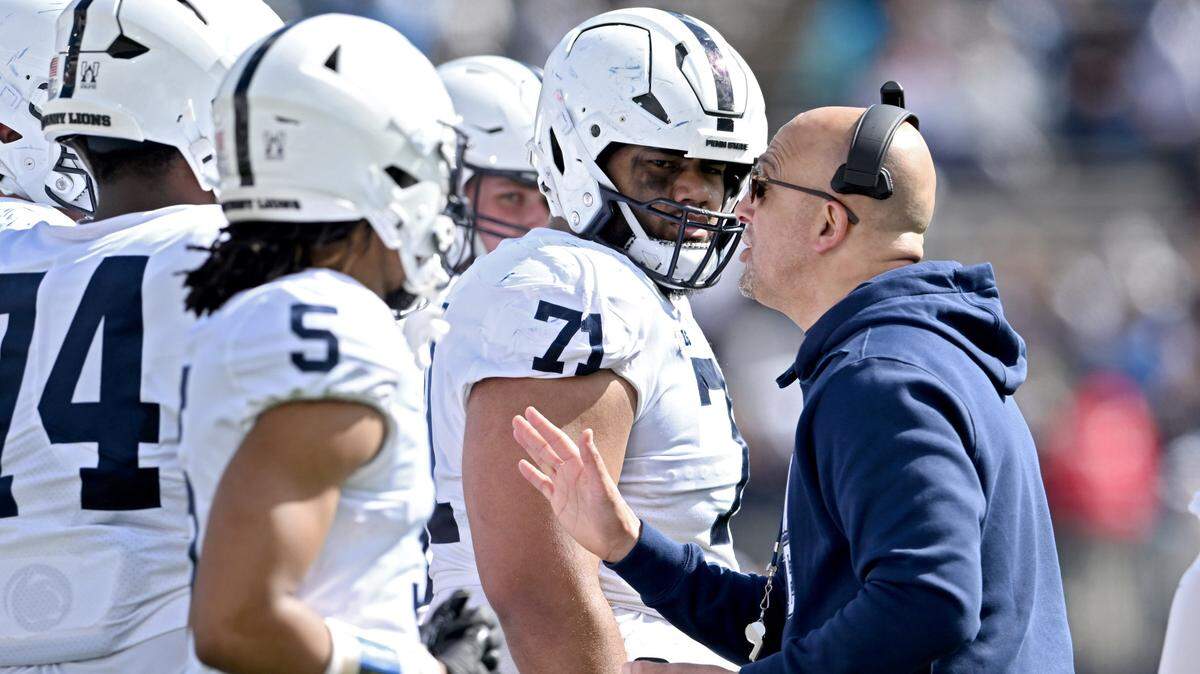
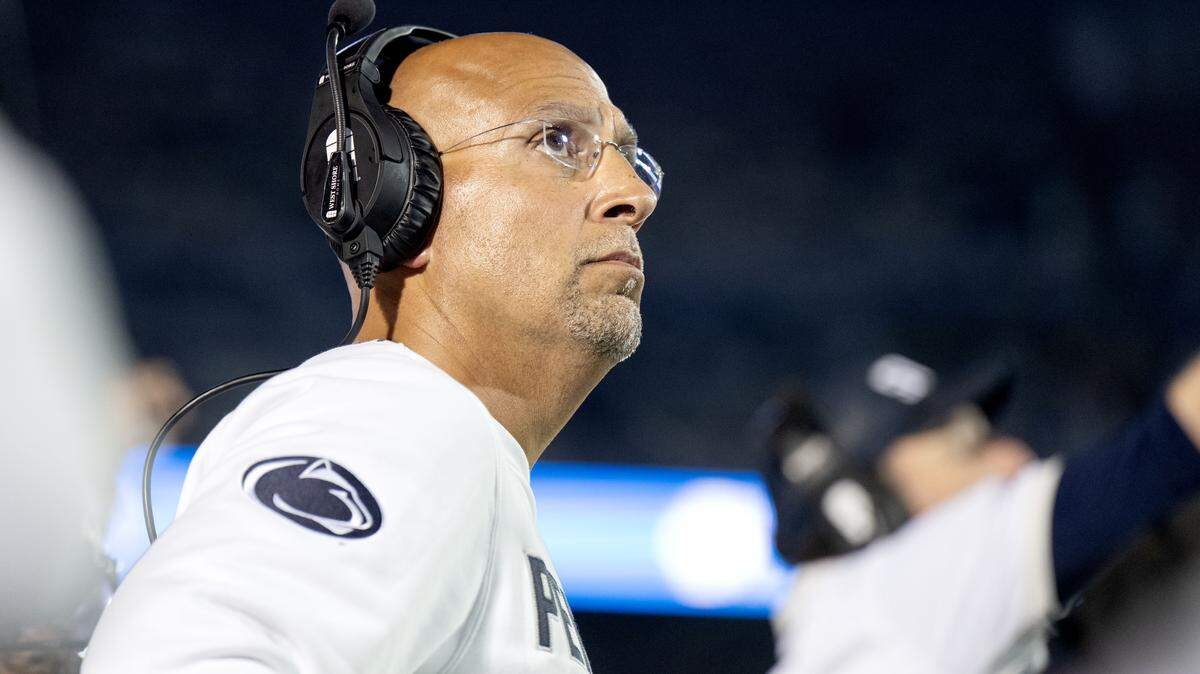
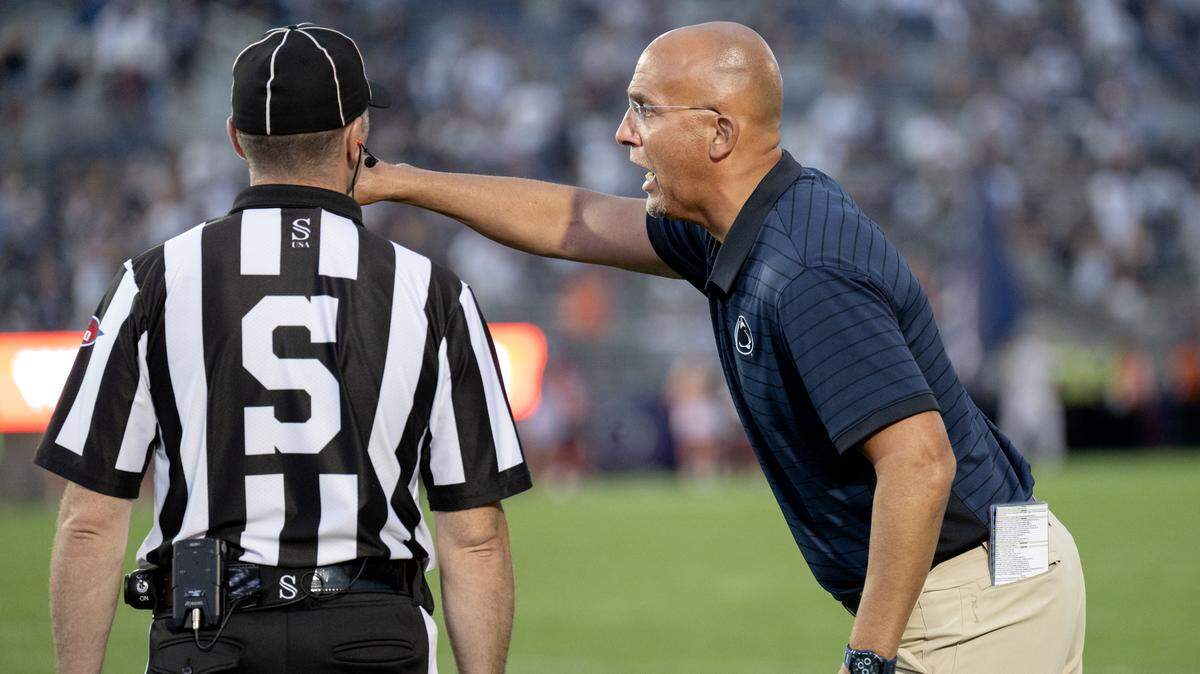
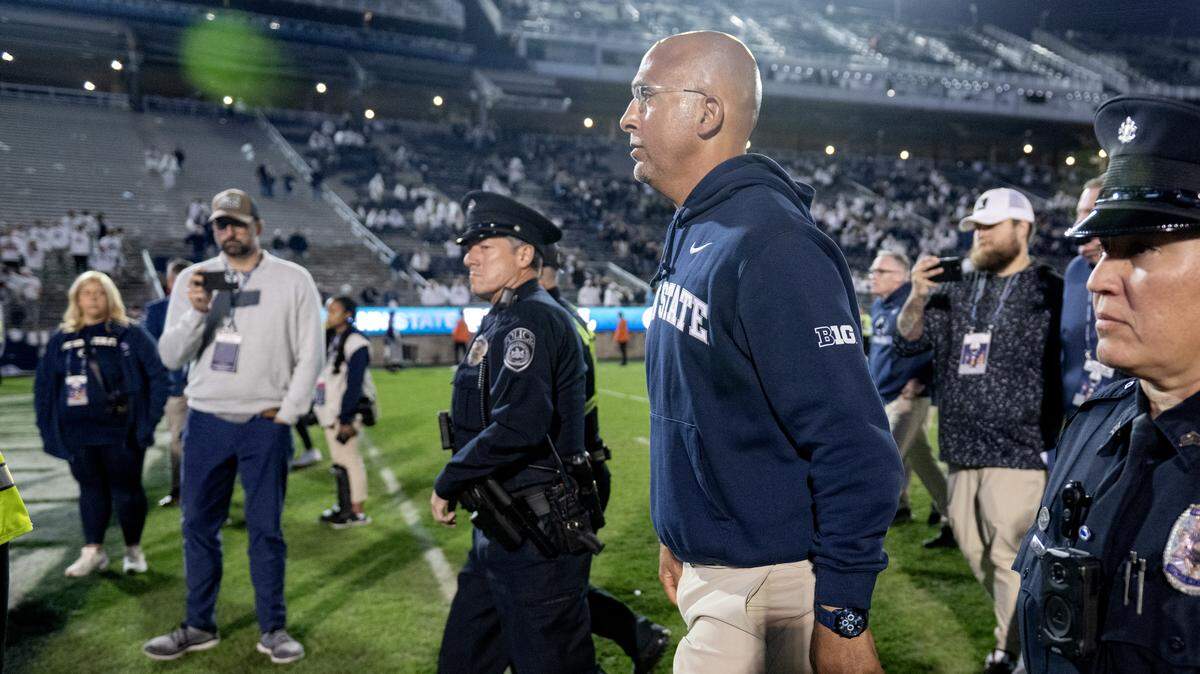
What we know about Penn State coach James Franklin’s reported $49M buyout
AI-generated summary reviewed by our newsroom.
- Penn State faces a reported $49M-plus buyout paid in annual installments.
- Payment mirrors salary through 2031, averaging about $8M per year.
- Buyout ranks among largest in NCAA history.
READ MORE
Penn State fires James Franklin
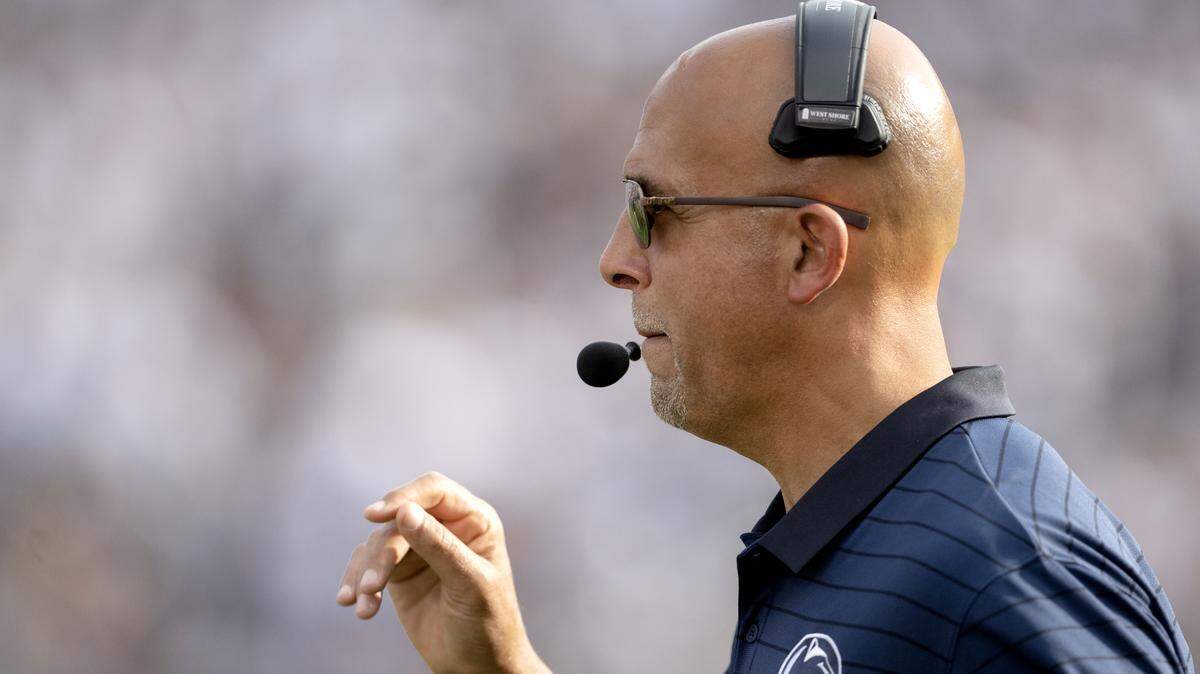
The James Franklin era is over at Penn State.
Expand All
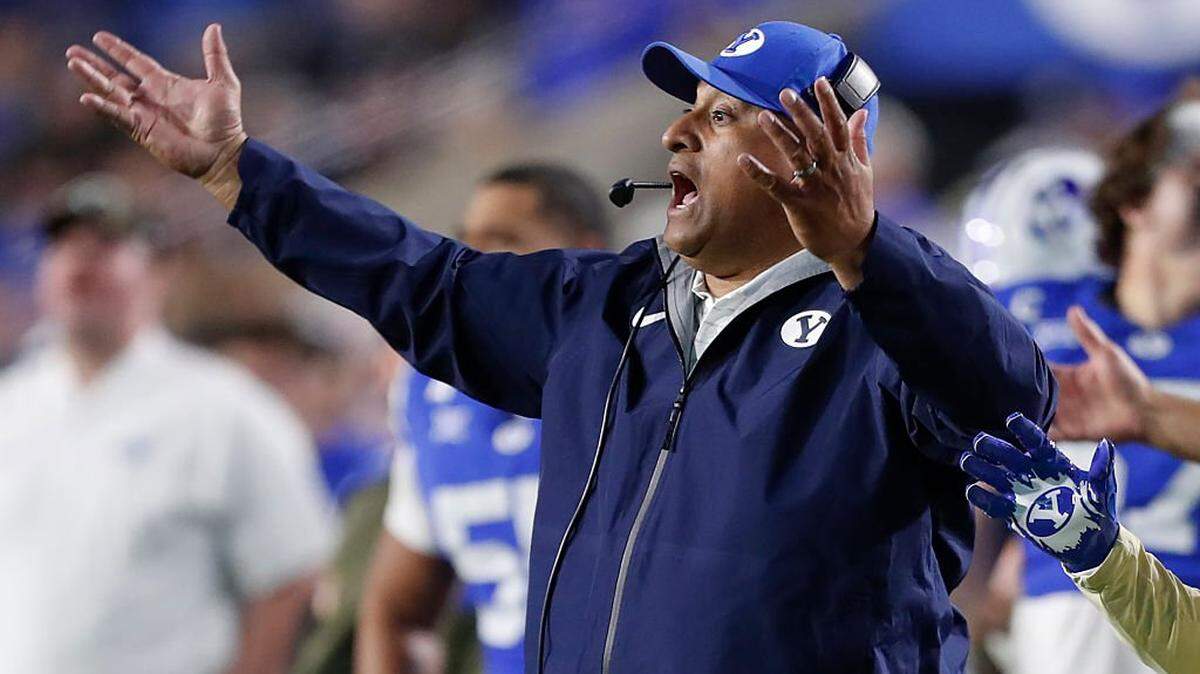
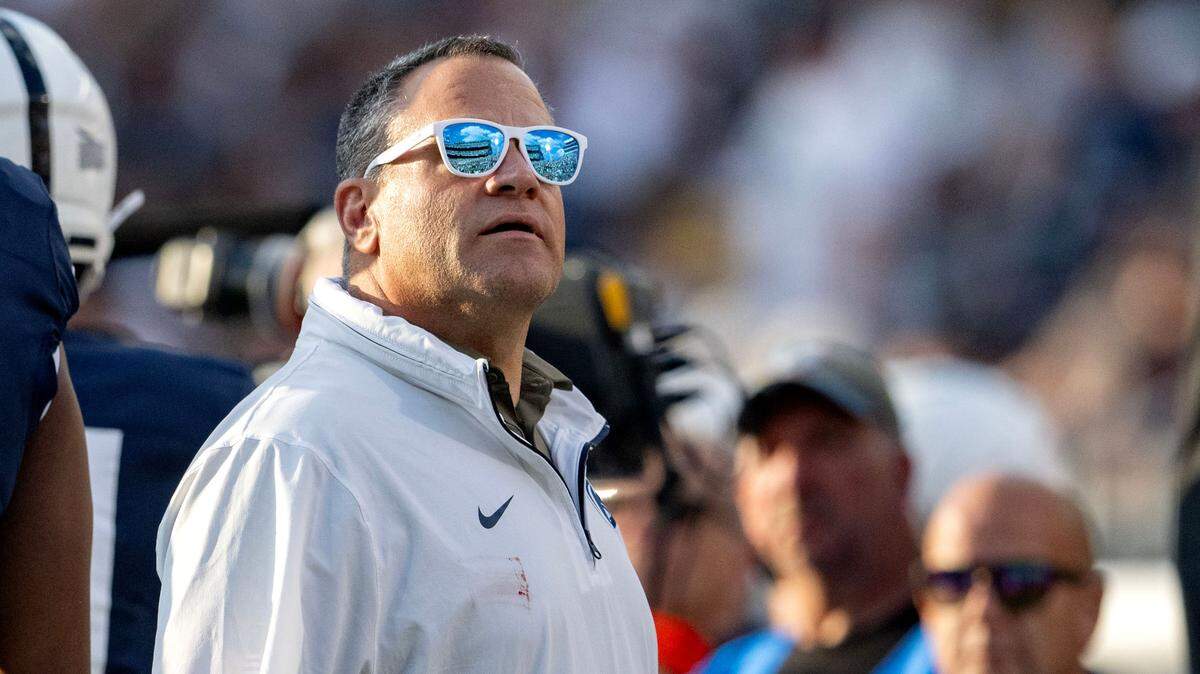
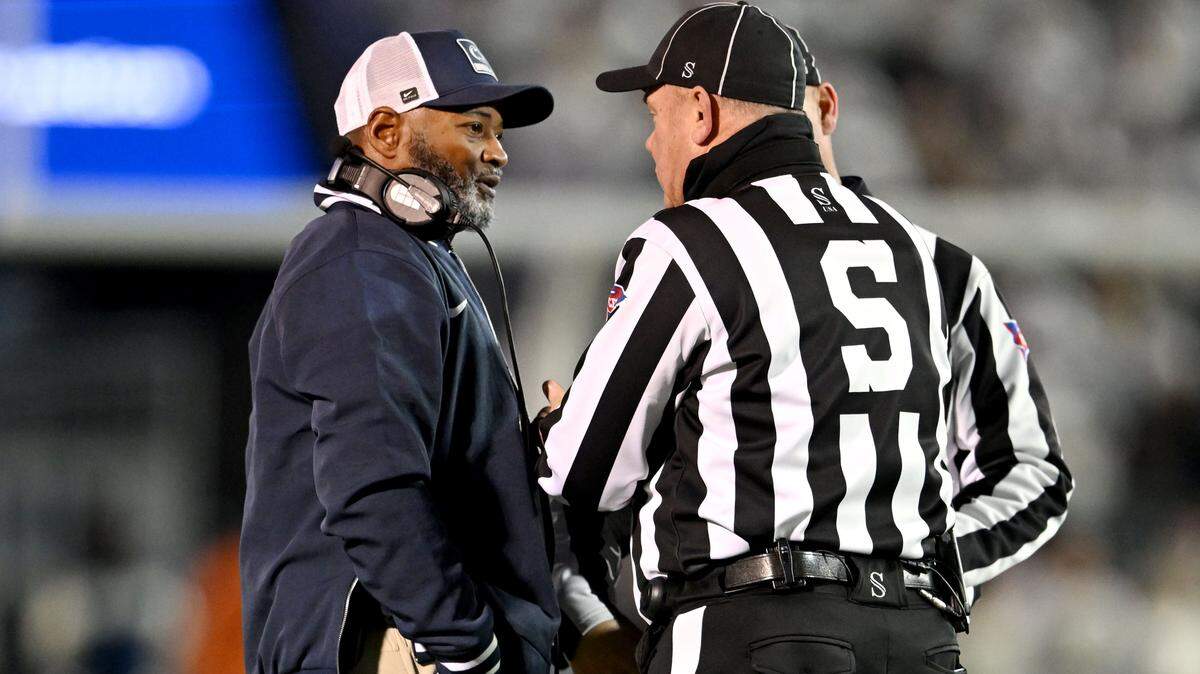
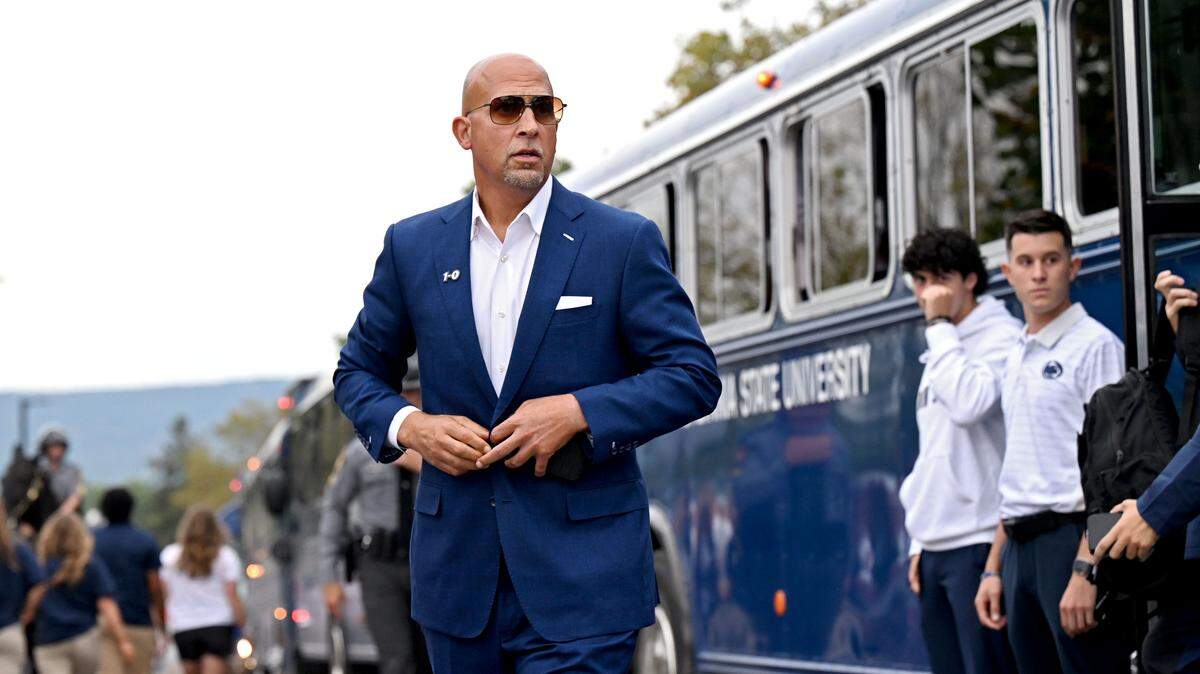
While questions still remain about James Franklin’s massive eight-figure buyout after the Penn State football coach was fired Sunday, some answers are at least coming into focus.
Franklin’s buyout is estimated to be more than $49 million, and a source told the Centre Daily Times’ Jon Sauber that it will not be paid out as a lump sum. Instead, the source explained, it can be paid out over the length of the contract.
In other words, Franklin can essentially continue to get paid as if he’s the head coach — until the contract ends after the 2031 season. That averages out to a little more than $8 million a year, a hefty annual sum but more manageable than $49 million at once.
Why’s the buyout so high?
Franklin signed a 10-year extension in November 2021 — under previous athletic director Sandy Barbour — that went into effect in January 2022.
“With this contract,” Barbour said in a press release announcing the extension, “we are signaling our sustained commitment to being one of the premiere programs in the history of college football.”
Rumors had circulated in previous seasons about Franklin potentially bolting for greener pastures, and the 10-year extension was seen by Barbour as a necessary commitment. Franklin’s contract stipulates that, if he’s fired without cause, he’s owed the sum of his base compensation, supplemental pay and life insurance loan times the number of years left.
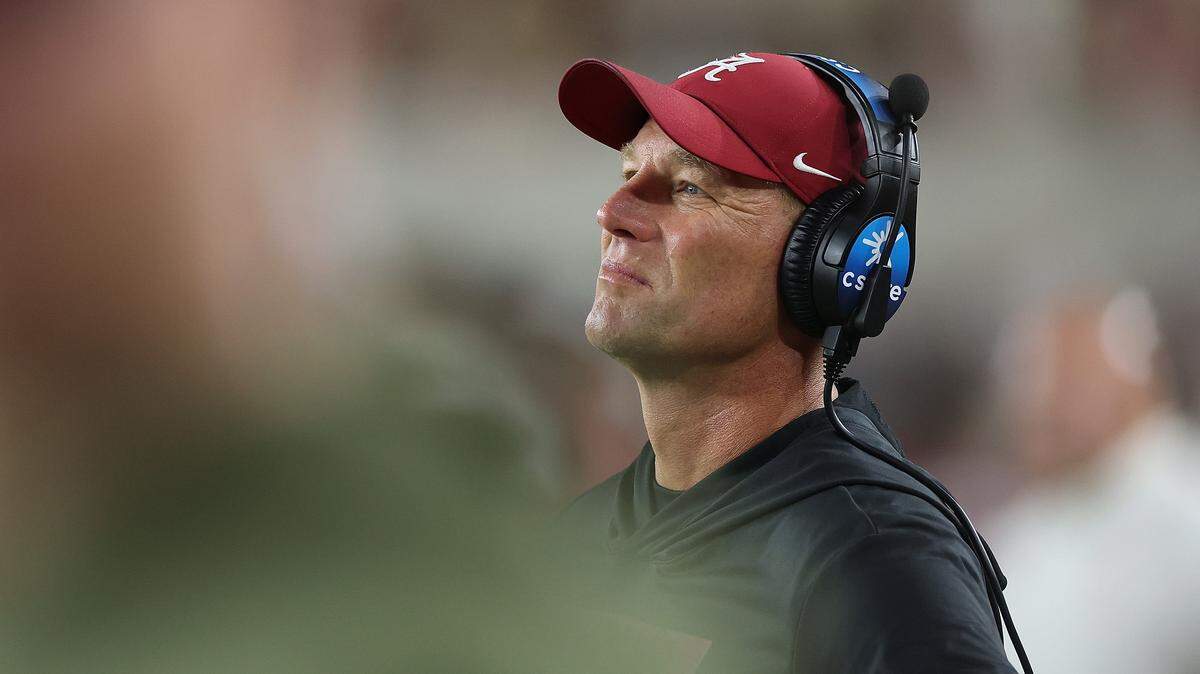
Franklin’s buyout is one of the country’s largest. According to Sports Illustrated, Franklin has the nation’s ninth-highest buyout this season — behind coaches such as Georgia’s Kirby Smart ($100M+), USC’s Lincoln Riley ($90M) and Alabama’s Kalen DeBoer ($70M). All three have their teams ranked within the top 20; Penn State is currently unranked after starting the season at No. 2.
Is there precedent for this?
Such a large buyout is obviously unprecedented at Penn State, which has had just three full-time (not interim) head football coaches since 1966. But buyouts this high still don’t happen often in college football.
Franklin’s roughly $49 million buyout is believed to be the second-largest in NCAA history, behind only Texas A&M’s reported $76 million buyout of Jimbo Fisher in 2023. (Notably, that buyout was also paid out over several years.)
How can PSU afford this?
It’s unclear if a wealthy booster, or group of boosters, stepped up here. But annual Big Ten revenue could also make a difference. A USA Today article earlier this year estimated that each Big Ten school — outside of Oregon and Washington, which will be gradually phased in — will receive about $75 million this fiscal year from the conference’s media-rights deal.
That being said, some of that money is already earmarked elsewhere. For example, Penn State’s new Palmer Museum of Art uses up to $4 million annually from that share to pay off debt. And the football program is largely expected to support the entire athletic department.
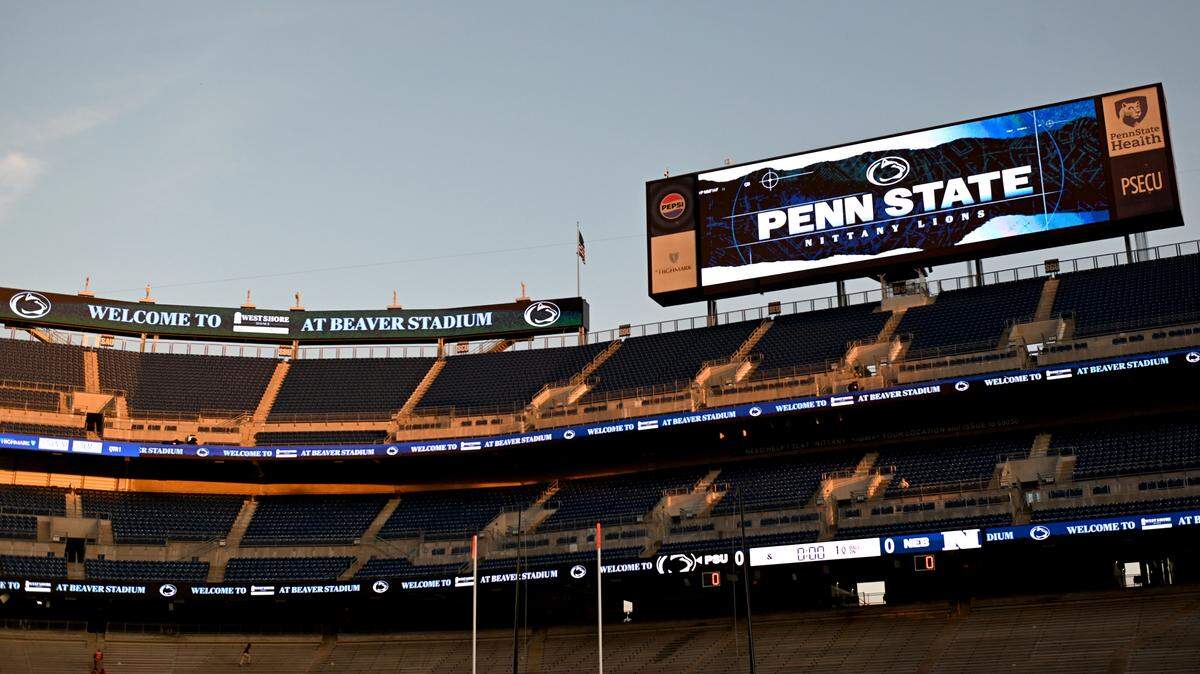
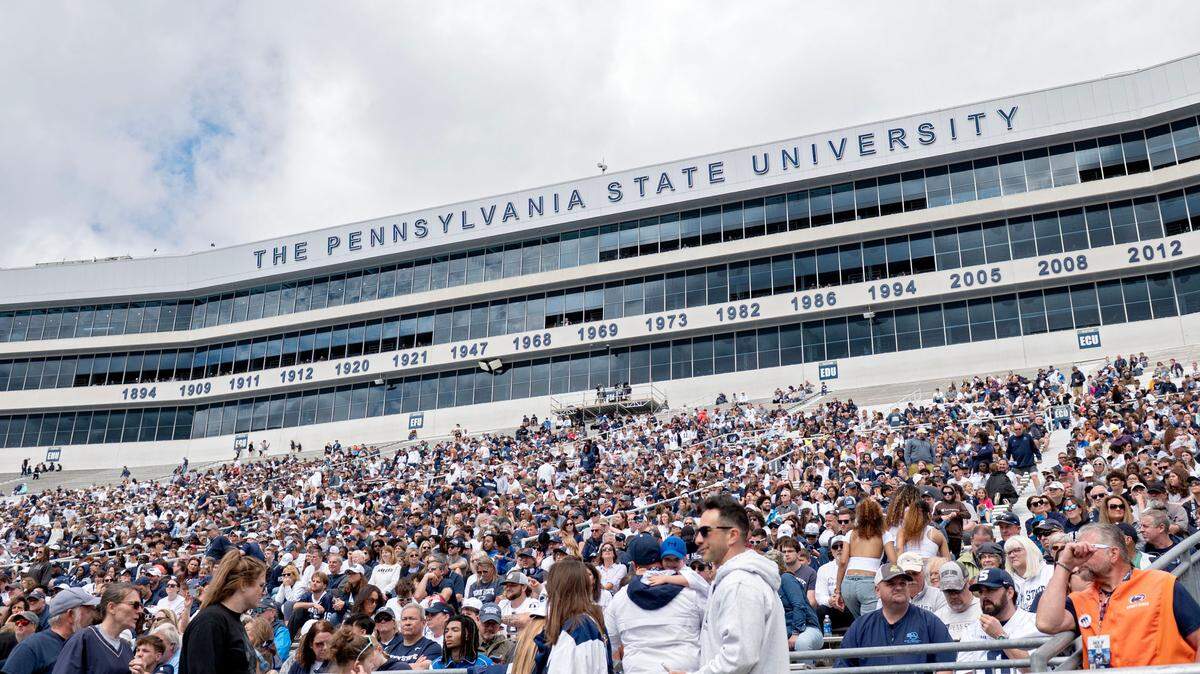
It’s not immediately clear how alumni will react to the buyout, but the university likely isn’t making big donors or employees very happy. Penn State is in the midst of a $700 million renovation project to Beaver Stadium, and it’s battling financial issues that just led to its board of trustees denying funding for its public media station (WPSU) and forcing it to shut down by summer. The university also announced plans to close seven commonwealth campuses by 2027.
Interestingly enough, the board recently scheduled a new meeting for Monday that intends to revisit the WPSU issue.
Franklin’s financial terms
Below is the financial term sheet for Franklin, including his yearly base salary, supplemental pay, guaranteed annual compensation, retention bonus, and more.
CDT staff writer Jon Sauber contributed to this report
This story was originally published October 12, 2025 at 4:28 PM.