This marks the 60th year of Arts Fest. Take a look back at the very first
.jpg "Pennsylvania Gov. Raymond P. Shafer poses in May 1967 with a poster announcing the first-ever Central Pennsylvania Festival of the Arts that was taking place just two months later. Shafer later helped open the first-ever Arts Fest by being on hand for the festivities and attending a local play.")
READ MORE
Centre County festival weekend 2026
It’s that time of year in Centre County — tents, food trucks and stages are popping up for events like the Central Pennsylvania Festival of the Arts and the People’s Choice Festival. Find full coverage below.
Expand All
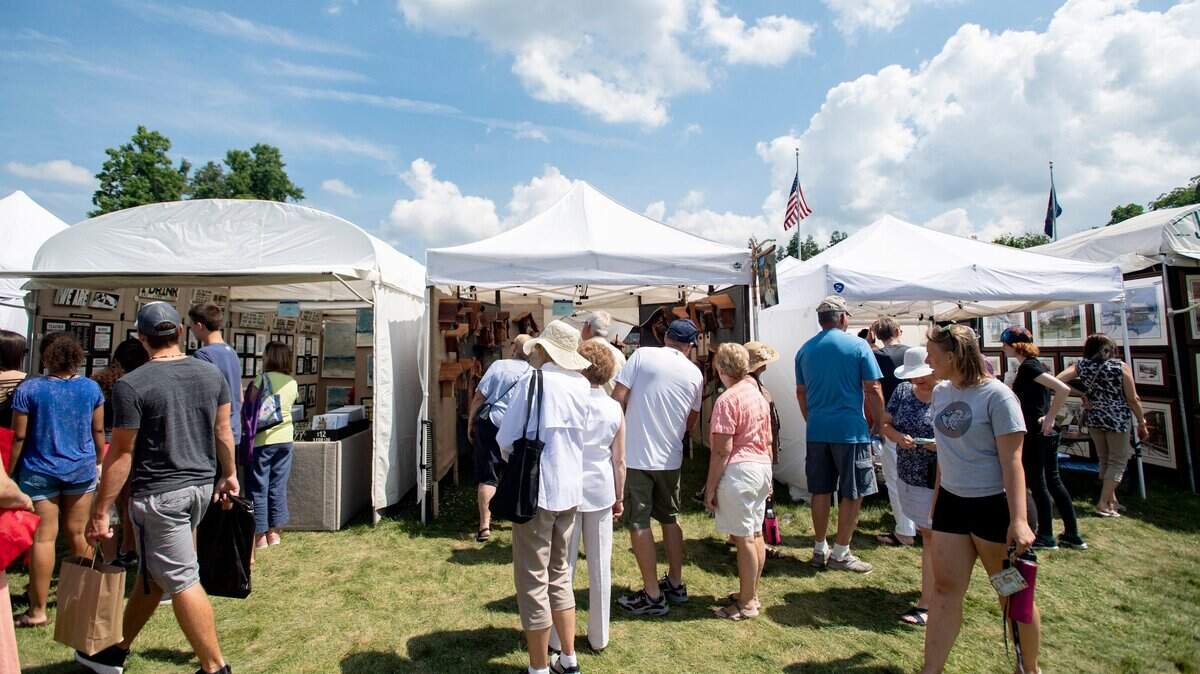
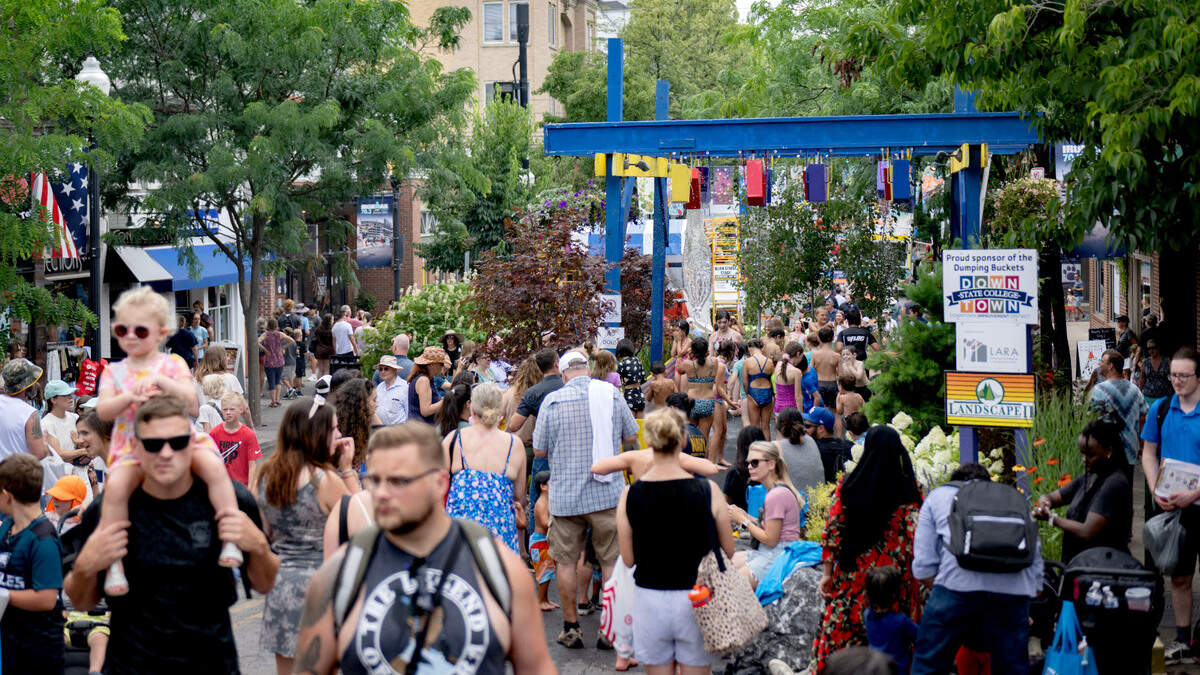
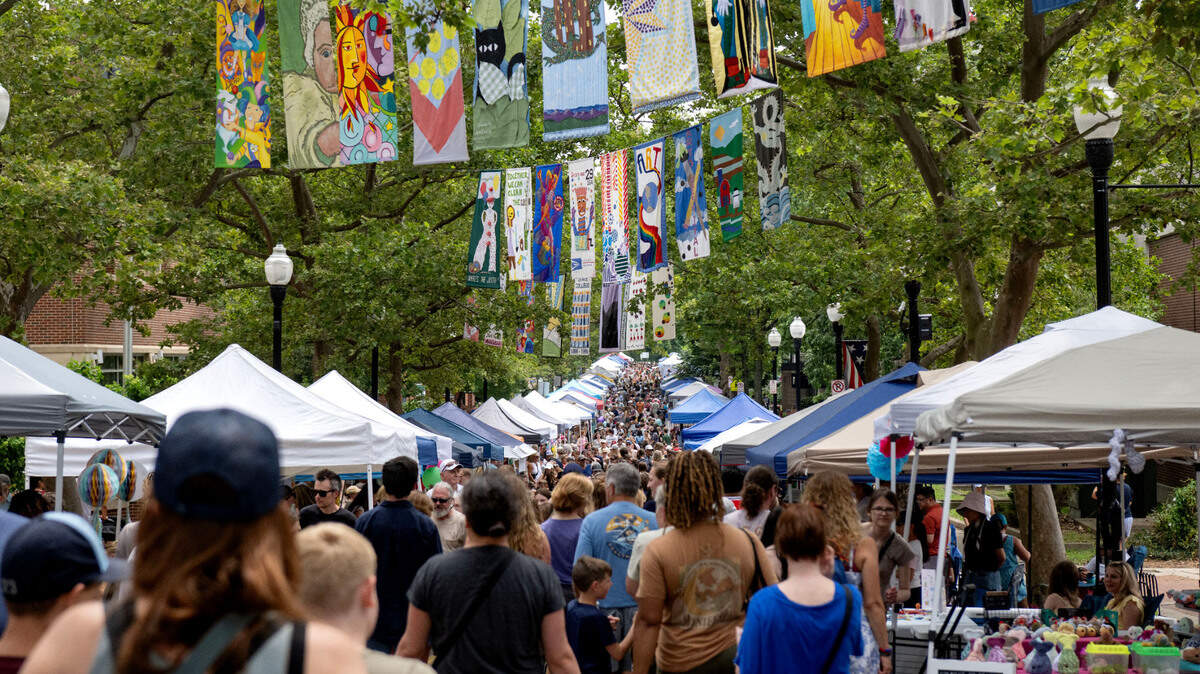
The Central Pennsylvania Festival of the Arts, better known as Arts Fest, has evolved into the area’s most anticipated event of the summer. It’s ranked as one of the best art fairs on the East Coast, and it draws more than 125,000 visitors to State College every year.
And the roots of the festival, now celebrating its 60th season, couldn’t be more humble.
Although the idea for “some sort of summer art show” was first discussed over the winter of 1966 in hopes to drum up business downtown, planning didn’t start in earnest until May — a little over two months before the first-ever Arts Fest was set to begin. Organizers envisioned a “miniature New York and Paris” smack-dab in the middle of Pennsylvania for a nine-day stretch, from July 22-30, and Gov. Raymond P. Shafer publicly hoped it would lead to a “cultural Olympics,” the Centre Daily Times reported at the time.
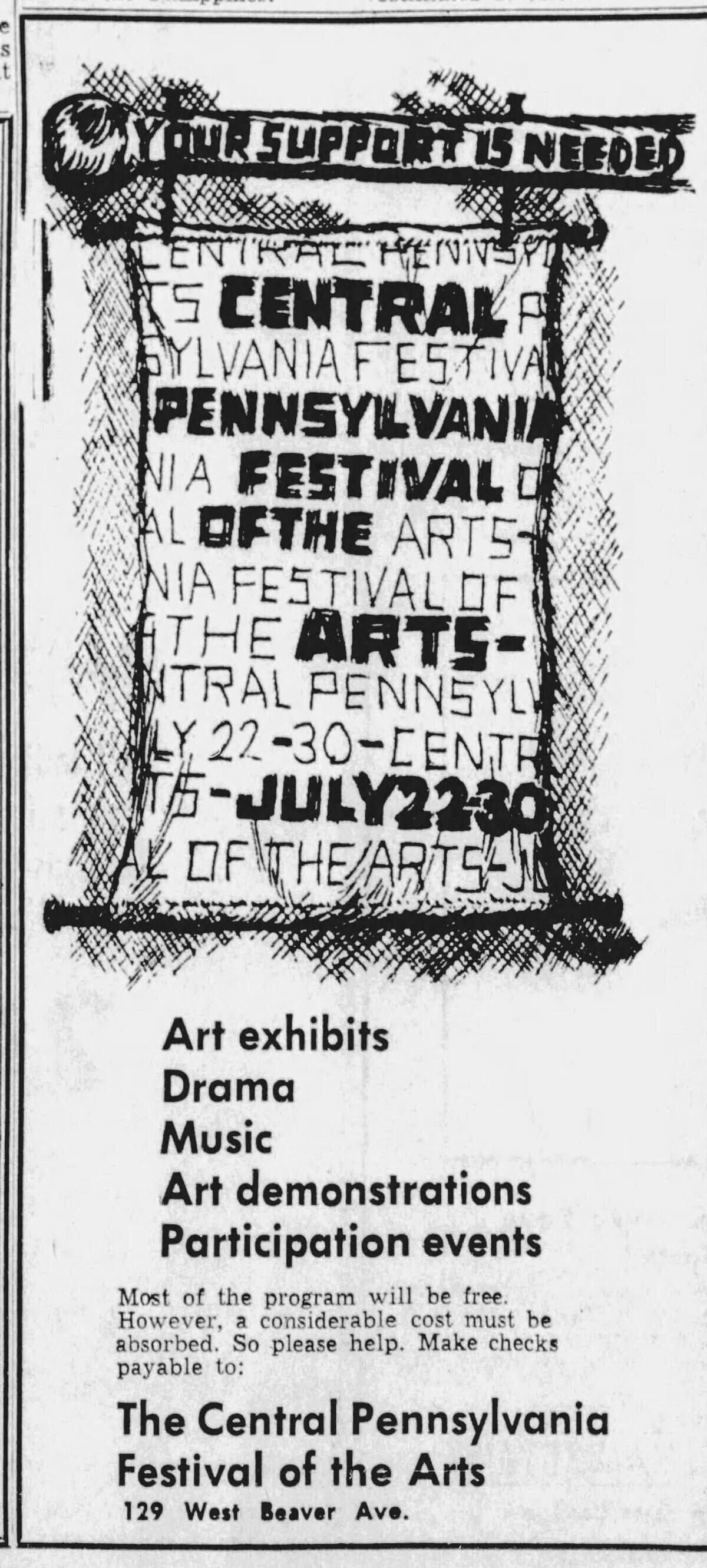
With such little time to prepare, the two organizing groups — State College Area Chamber of Commerce and Penn State College of Arts and Architecture — wasted no time in getting the word out. Once the program was set, some 10,000 brochures were printed, along with 200 posters.
Small groups of volunteers were briefed on activities, and they then drove to eight neighboring counties armed with posters and program brochures to make sure Central Pennsylvania knew all about Arts Fest. By mid-June, CDT staff writer Beth N. Gray wrote that few could’ve predicted Arts Fest “would sprout and swell into masterpiece size and form.”
Excitement was building. A CDT editorial in early July wrote that the last week in July “promises to be one of the most exciting in Centre County history” thanks to the festival.
The entire community appeared to buy in. Rather than important details being missed or forgotten during such flurried planning, volunteers — including many Penn State professors in music, arts and theater — stepped up to make sure everything was picture-perfect.
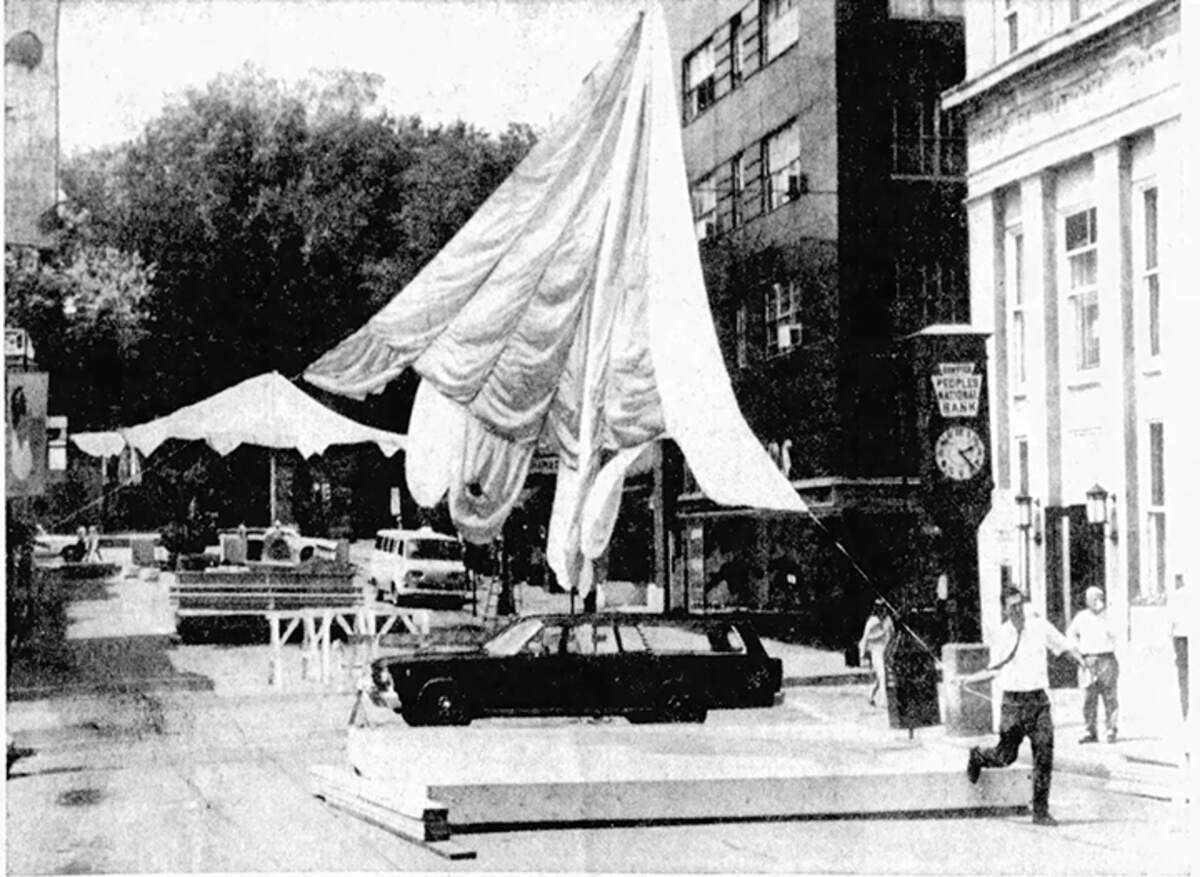
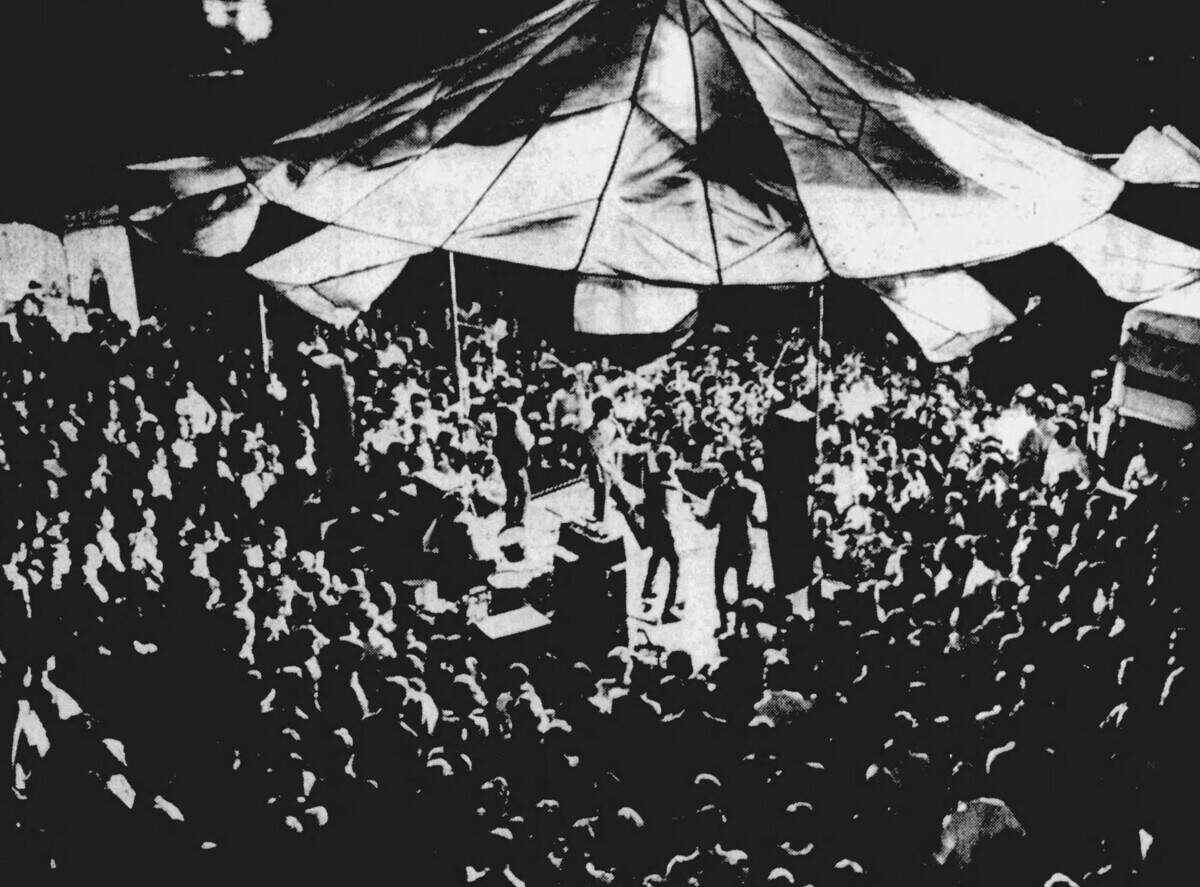
One example: On South Allen Street, which would be closed to traffic due to two stages and three 30-foot parachutes hung over them, the road barriers were initially planned to simply be the usual wooden sawhorses. But two PSU pioneers in landscape architecture, E. Lynn Miller and James R. DeTuerk, instead proposed adding flowers and green space.
They convinced a Harrisburg nursery to donate trees, a New Jersey company to loan them large bowl-shaped planters and residents to freely give petunias, geraniums, zinnias and marigolds.
That level of thought and cooperation ultimately made the first-ever Arts Fest a hit.
“I am unbelievably delighted with ... the spirit and enthusiasm of the many, many people who made this possible,” Jules Heller, Arts and Architecture dean and festival chairman, told the CDT after the conclusion of the first-ever Arts Fest. “The next Festival should be even better. And succeeding ones should prove incisively that the creative and performing arts hold a meaningful place in the lives of the citizens of this region.”
What was the first Arts Fest like?
Centre County was in the middle of a years-long drought in July 1967, according to CDT accounts at the time. But that changed during the week of the first-ever Arts Fest, which began on a Saturday but didn’t see its first dry day until Wednesday.
That didn’t seem to deter visitors.
Some 15,000 people showed up for the weeklong celebration, leading the CDT to label the event a “smashing success” — with a tongue-in-cheek correction the next day, referring to it instead as a “splashing success.”
Organizers rolled with the punches. Experimental films were shown around 9:30 p.m. on South Allen Street, and they proved especially popular. One documentary focused on French artist Marc Chagall, while another film looked at the Vietnam War with animated paper cutouts. Because of the crowd, organizers decided to add a few more showings into the mix.
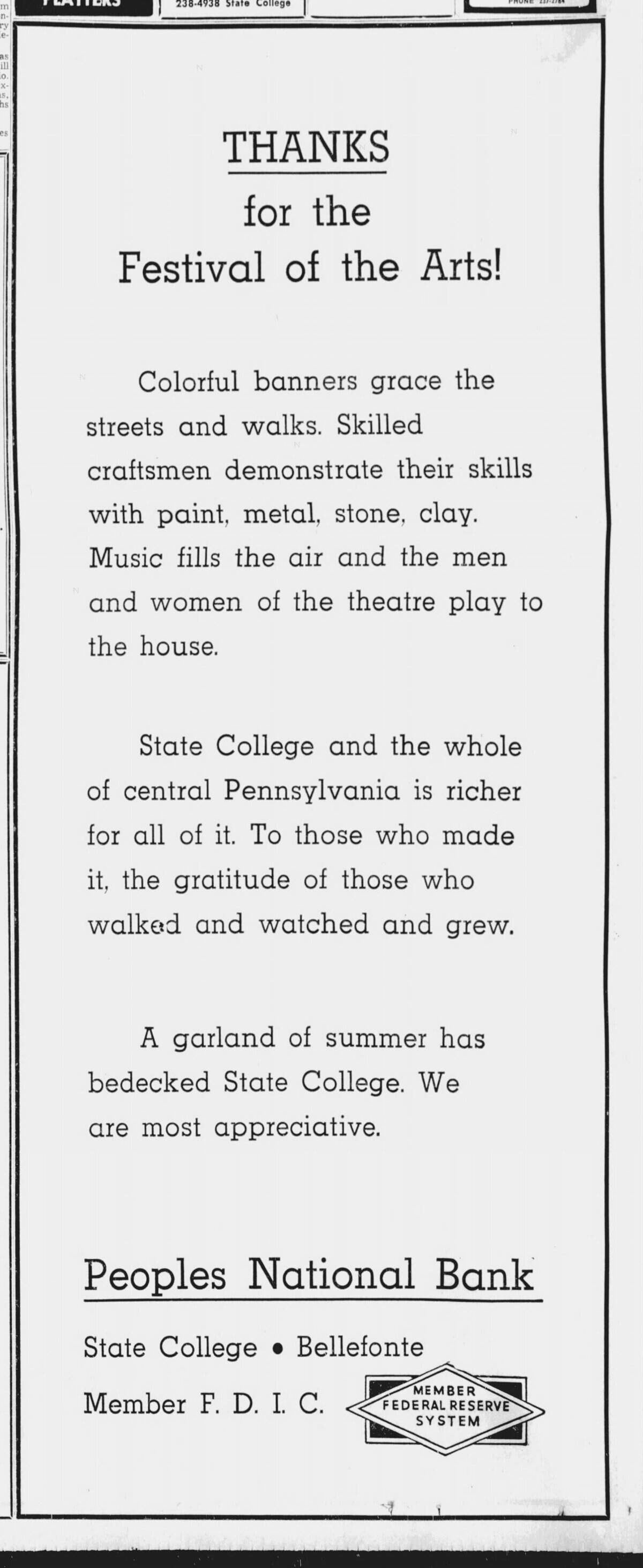
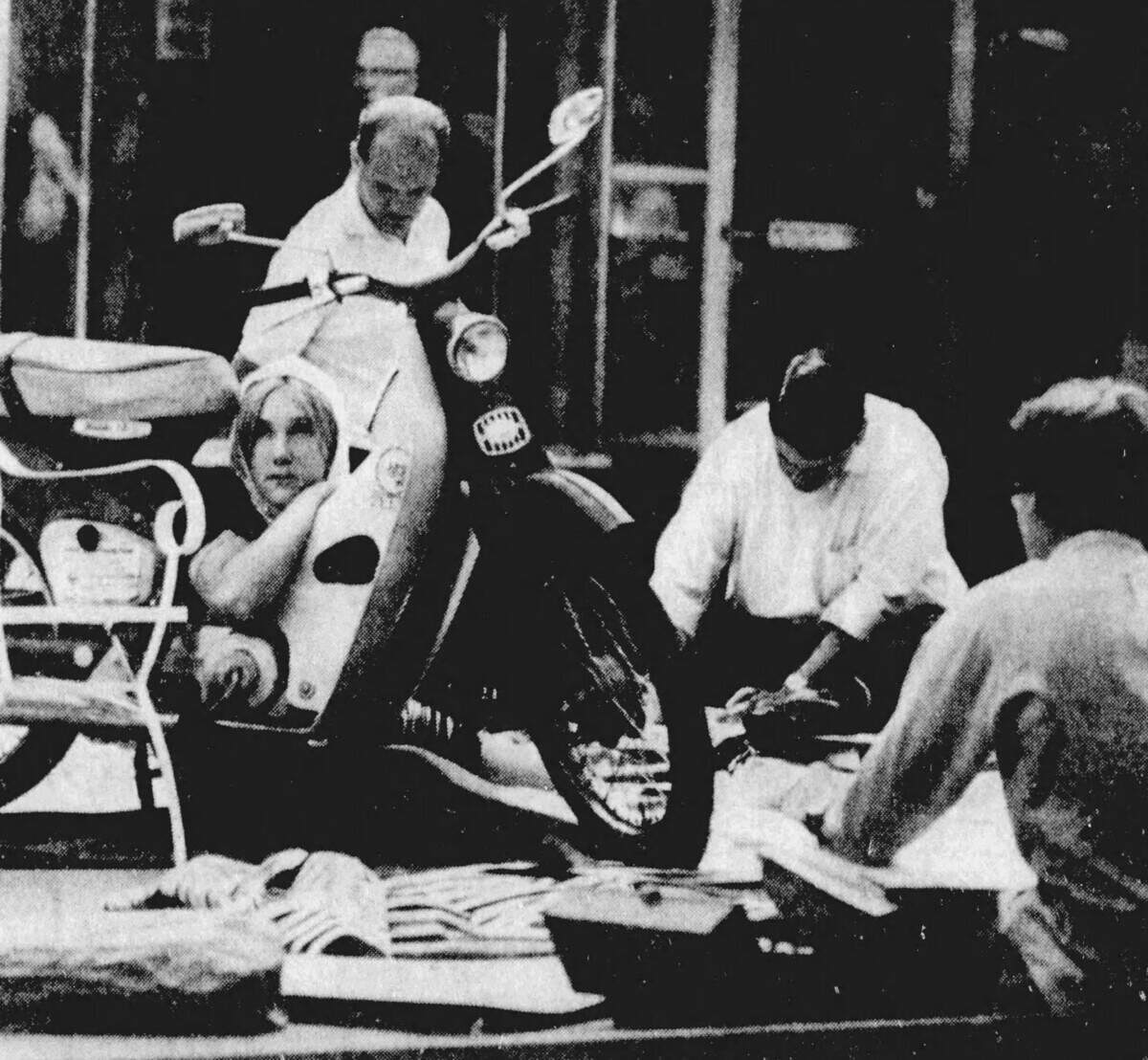
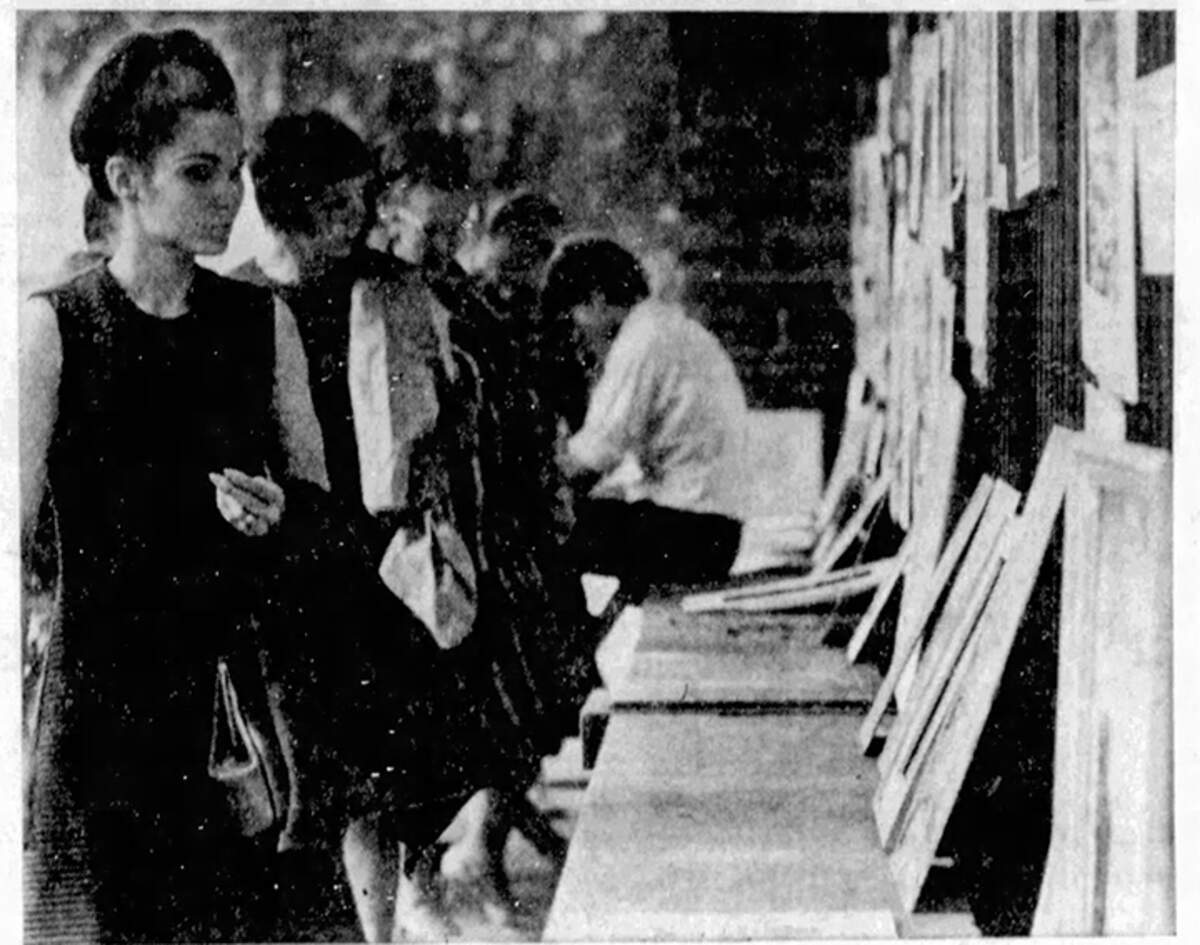
When the first-ever Sidewalk Sale commenced at 10 a.m. Saturday along College Avenue, where each artist was given 10 linear feet along a temporary fence, one artist told the CDT the place was “mobbed” until dinnertime. By Tuesday, organizers publicly announced the Sidewalk Sale would informally continue all week when they were initially scheduled for only two Saturdays.
“I remember being excited because it was a way for a poor student to make some money,” graphic designer Dolly Carr, who passed away in 2024, told WPSU in 2019. “And I think that’s the way most of us felt; we could make a couple of extra bucks.”
The scenes and details during the first-ever Arts Fest were plentiful:
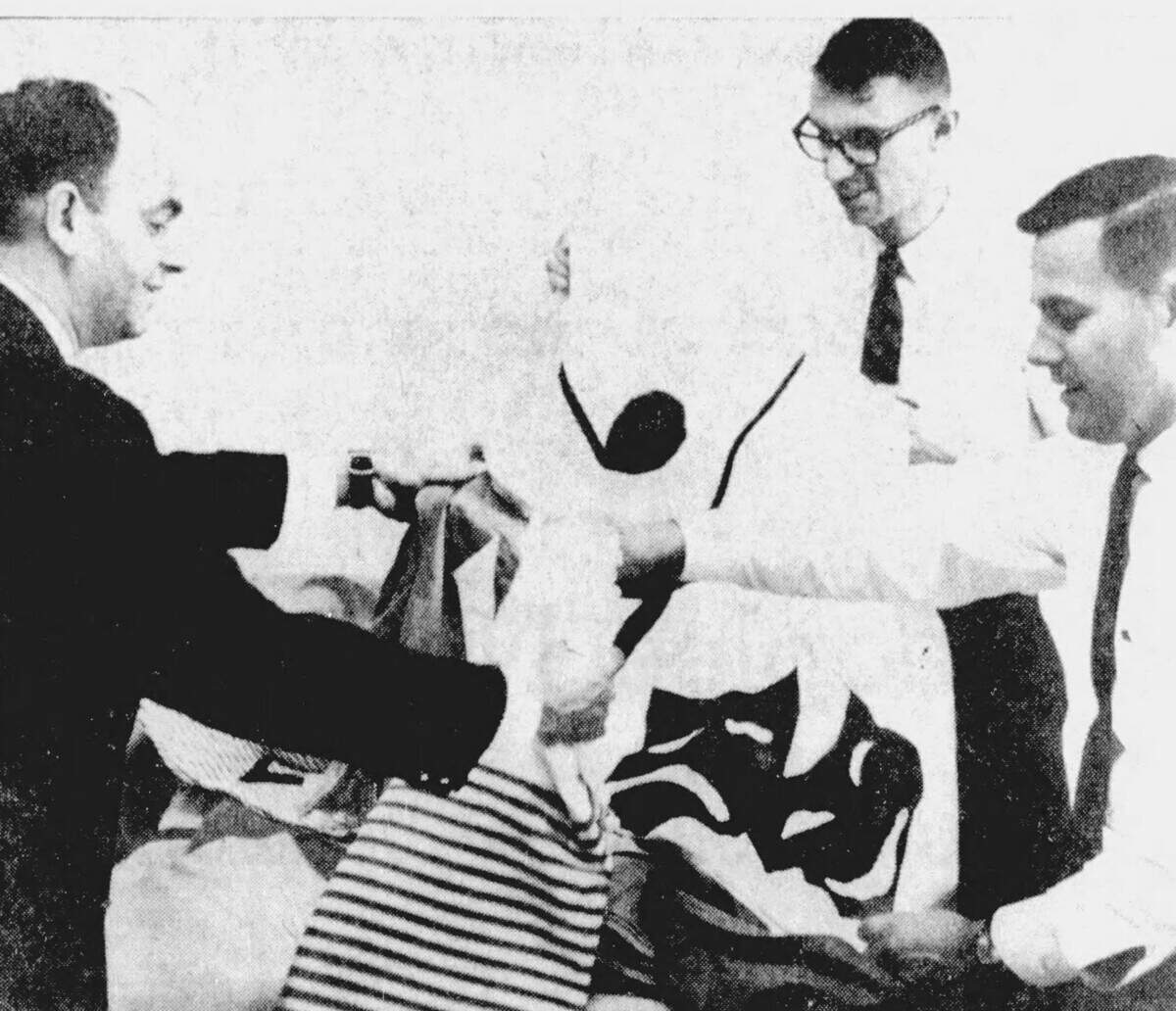
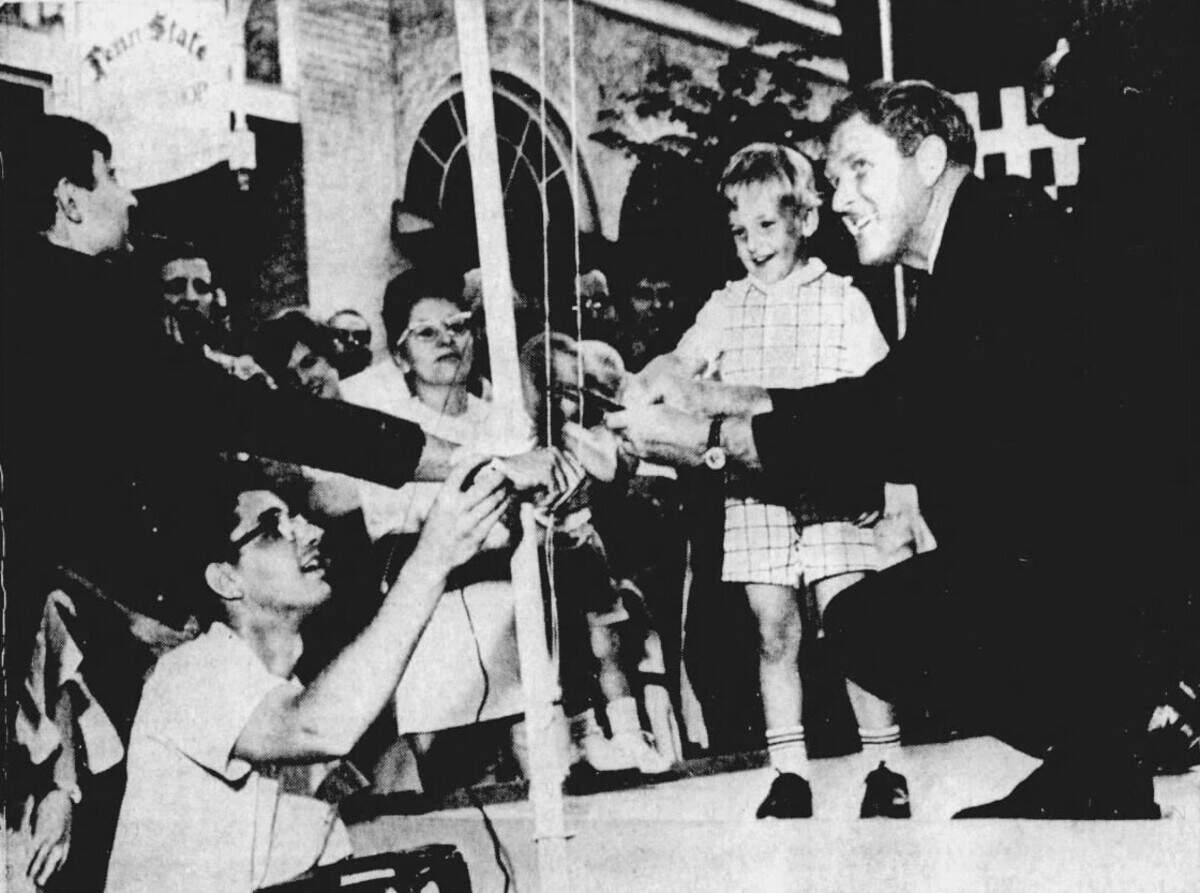
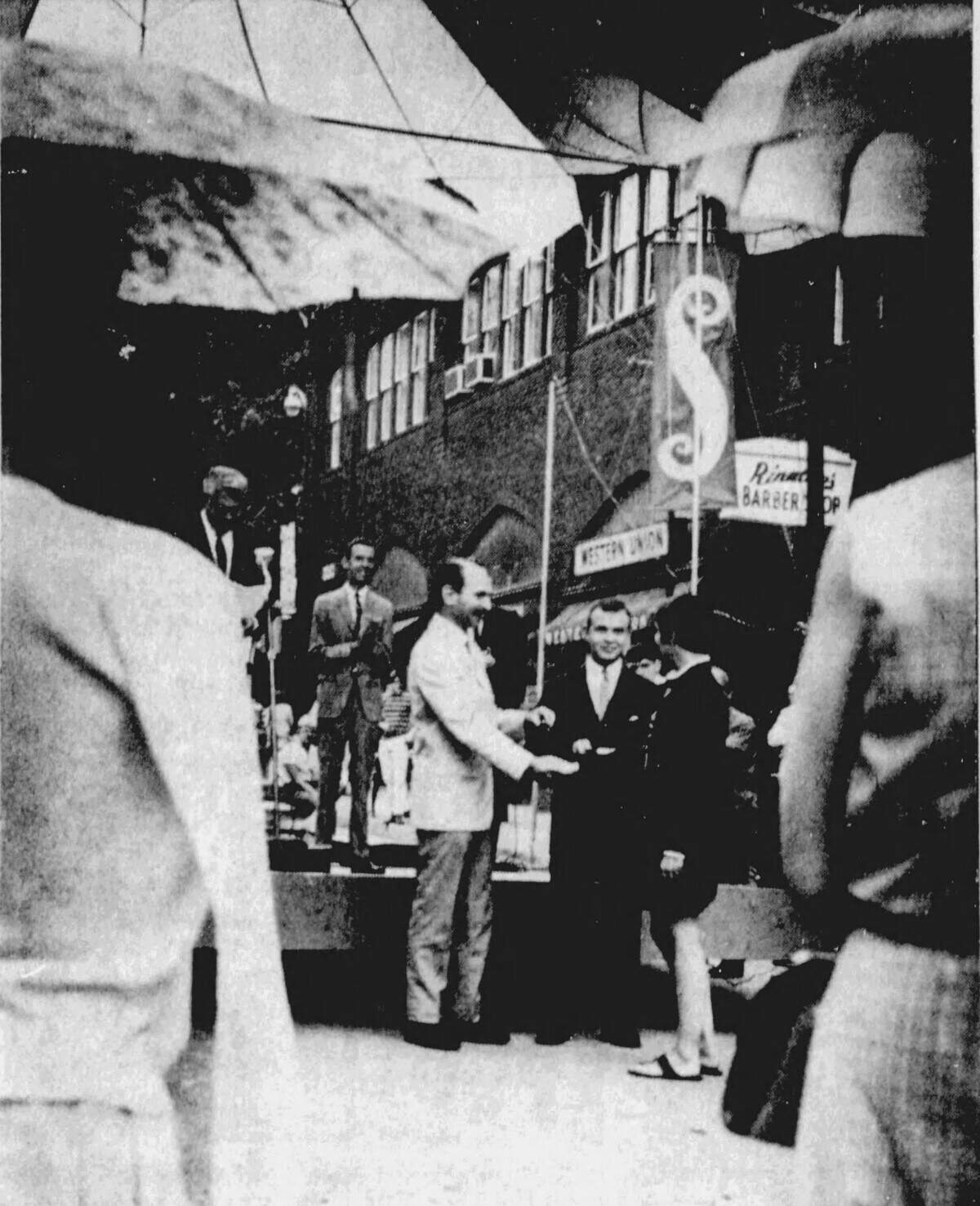
- More than two dozen performances, including at least nine plays and two puppet shows, were scheduled. Gov. Raymond P. Shafer officially opened Arts Fest by unfurling a banner after arriving via helicopter on the Old Main lawn, and later attending Tennessee Williams’ “The Rose Tattoo,” where his son — a Penn State student — played a role.
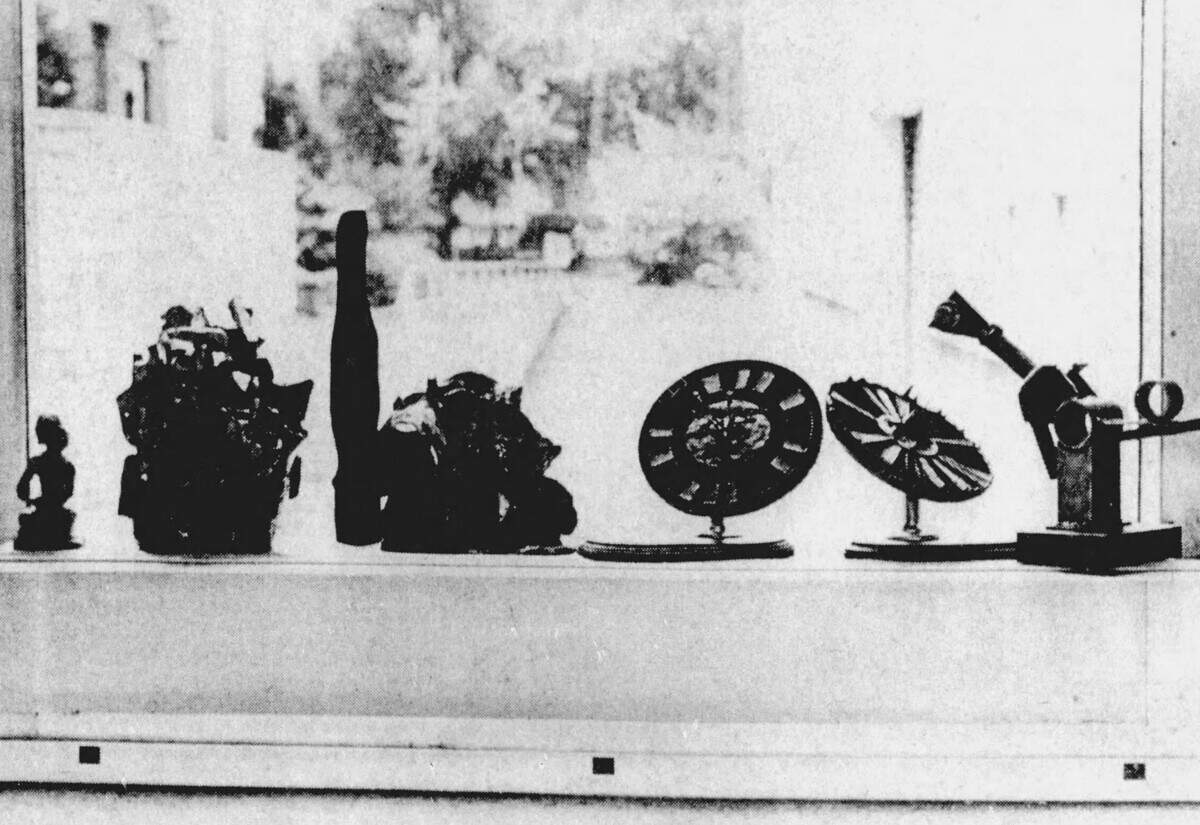
- About 450 works were submitted for the Festival Exhibition, with many works housed in different buildings on Penn State’s campus, such as paintings/sculptures in Hammond Building and paintings in the HUB lounge. One of the judges included the decorated Will Barnet, who was later awarded the first Artist’s Lifetime Achievement Medal (National Academy of Design) and the 2011 National Medal of Arts by President Barack Obama.
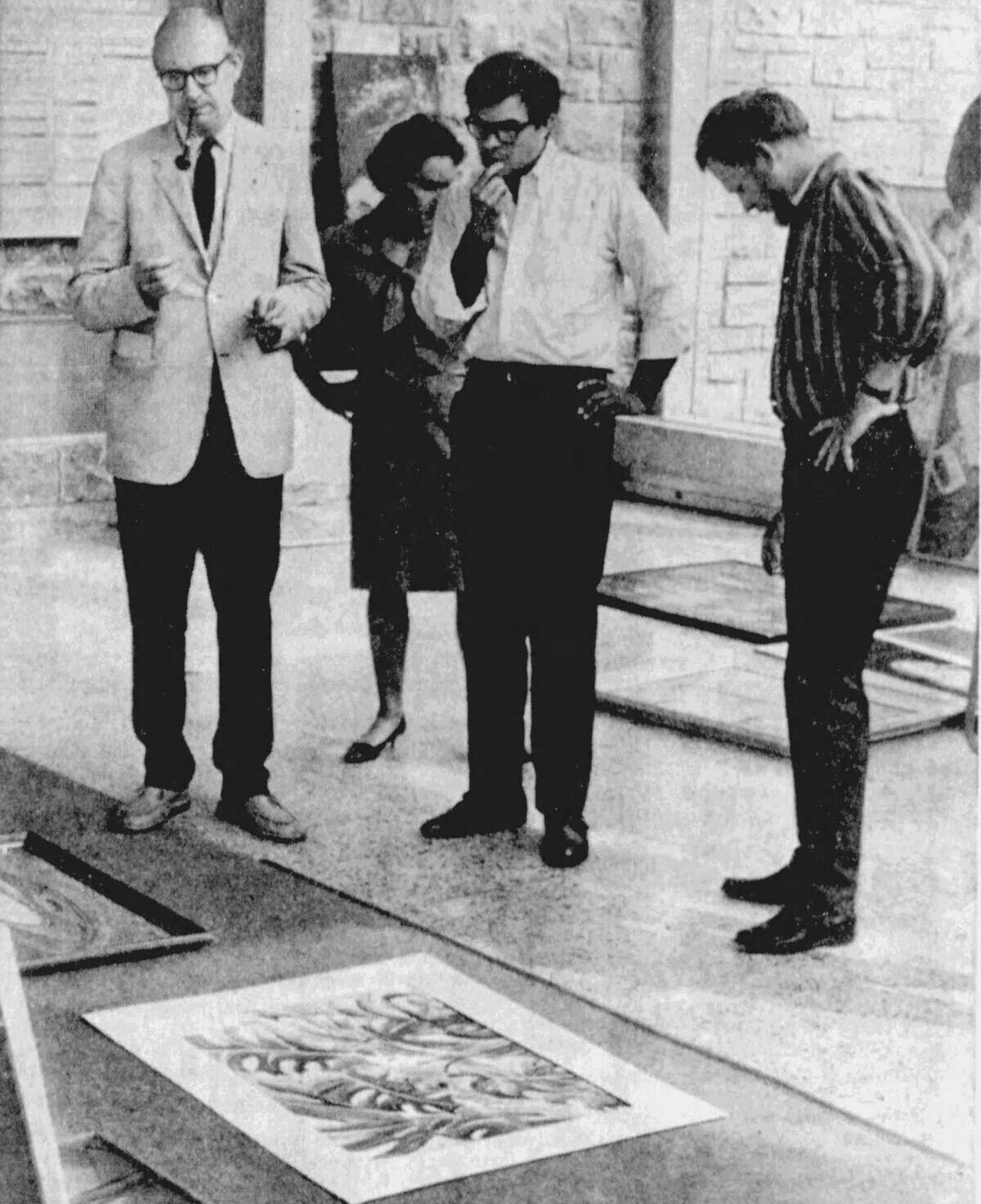
- The best in show for the first-ever Arts Fest was State College resident Bruce Shobaken, who was awarded a gold medal and $250, the equivalent of about $2,500 today. Local resident Donna Allen earned first place among the 30 entries for 7-foot banners. She utilized a yellow mesh in her design and won $50, equivalent to about $500 today. (Philadelphia’s art festival also sent an additional 22 banners, not to be judged but in support of the Arts Fest and for decoration around town.)
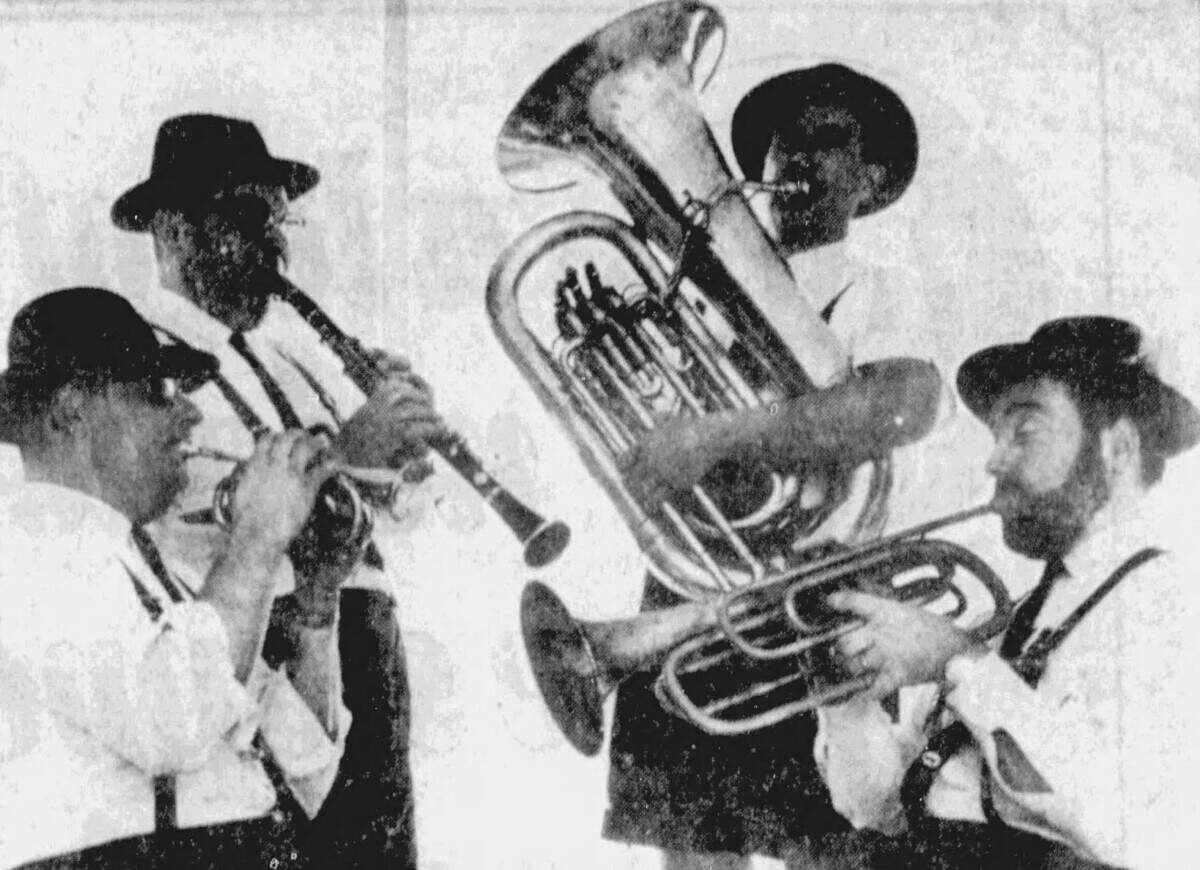
- Local bands to perform at Arts Fest included the Little German Band of State College, the Nittany Knights and Robin and the Hoods. The Little German Band played German and American folk songs while wearing green hats with feather plumes, the Nittany Knights sang songs such as “Goody Goody,” — and Robin and the Hoods were especially memorable. Rain pushed back their outdoor performance until 9 p.m., but the band dressed in red vests and green pants played for two hours while mixing in their own songs with covers of teen hits.
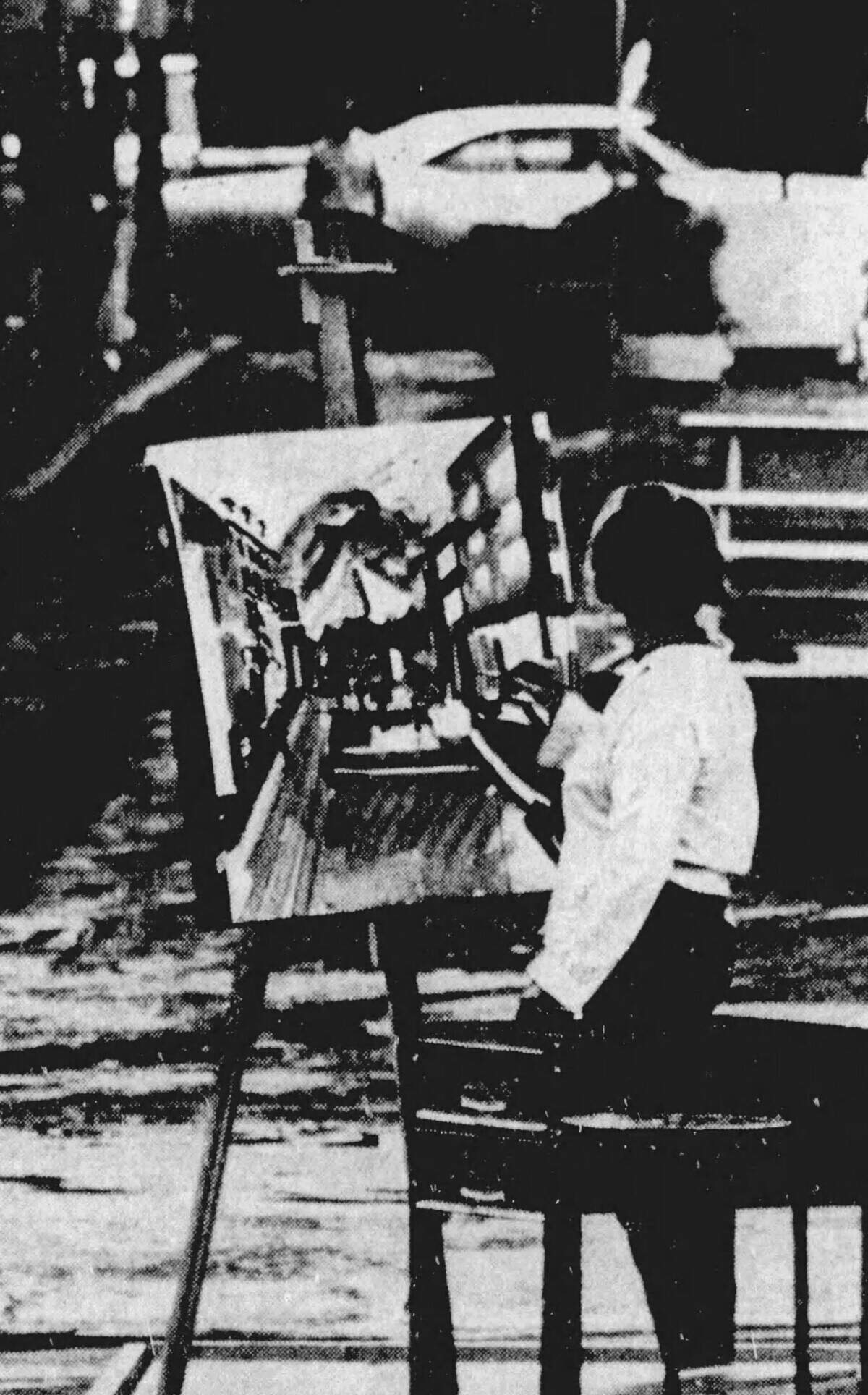
- The variety was as plentiful as it was intentional. Artists working with metal, ceramics, pottery, oil paints, etc. created from the stages on South Allen Street during the day to show residents what their art was about. A folk-dance program near the library drew “hundreds.” WPSU aired TV programming to complement Arts Fest. Students in high school (and below) put on small performances such as the 15 who performed at Schlow. Kids arts and crafts were displayed. Ballet was included as was music, banners, flowers — and other reports even mentioned kittens being available. “No matter what one’s tastes, he or she will find that we have made some provision to not only satisfy, but to inspire,” festival chairman Jules Heller told the CDT.
Looking ahead
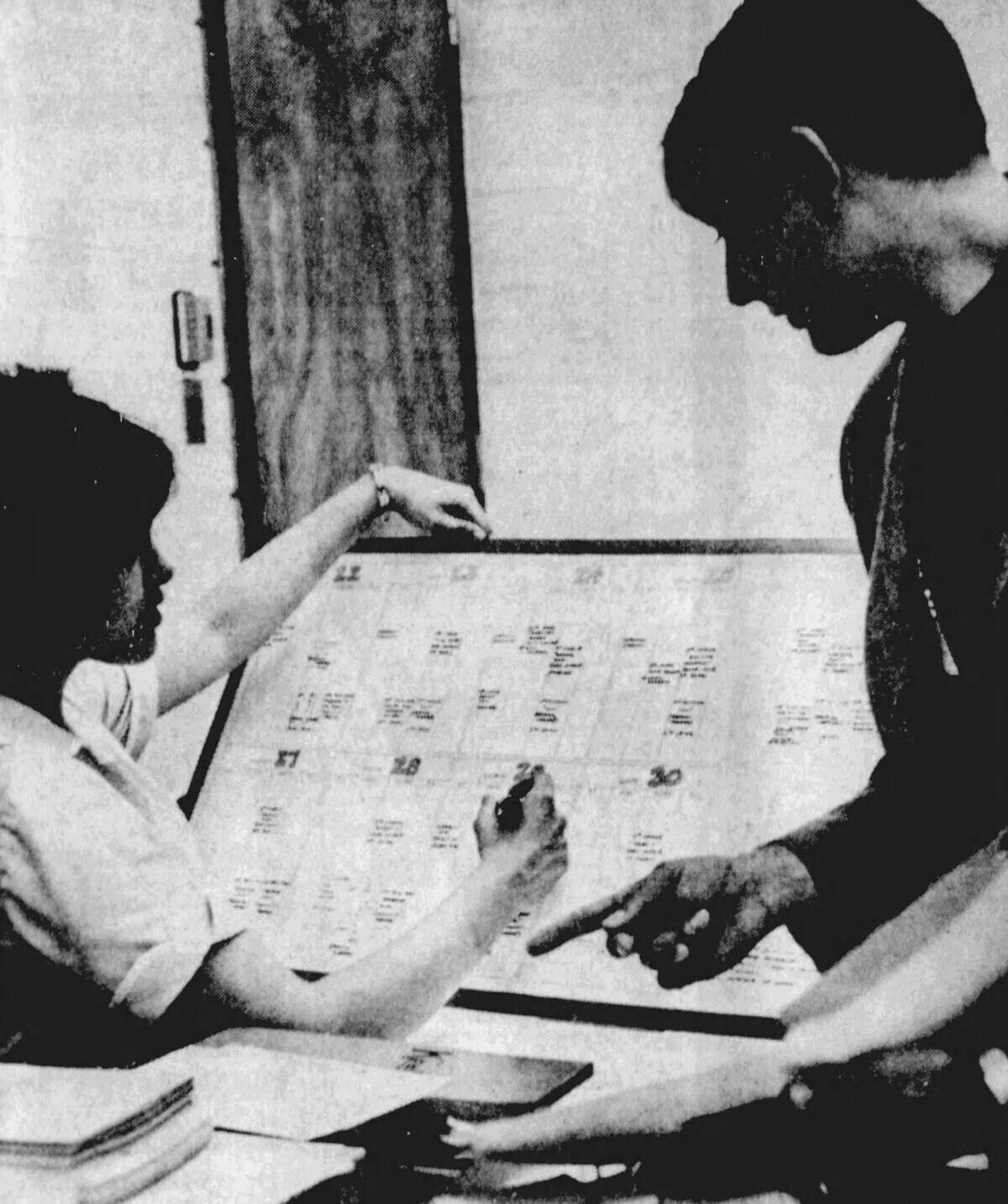
At several points before the first-ever Arts Fest took place, the CDT referred to the event as the “First Annual” Central Pennsylvania Festival of the Arts — signaling organizers knew even then this would become an every-year affair.
In putting together Arts Fest in 1967, organizers mused the chairperson should be an around-the-year position. And they saw the potential for future growth. The first Arts Fest was mostly just for the eight-or-so counties that make up central Pennsylvania; even those outside the area weren’t allowed to submit works for the Festival Exhibition.
Over the years, this humble festival has grown from a local celebration, to regional to statewide to nationwide. Every year, a handful of international artists are also on-hand, while at least 35 states are typically represented.
The community embraced Arts Fest back then, when Penn State’s University Park enrollment was about half (>25,000) of what it is today and when Lyndon B. Johnson was president. The “community” part hasn’t changed.
The 60th Central Pennsylvania Festival of the Arts kicked off Wednesday, July 8, 2026. And, with any luck, it’ll last at least another 60 years — all thanks to the residents, business leaders and Penn Staters who recognized decades ago just how important a summer festival of the arts could be.