‘One size does not fit all.’ How Centre County works to help its ‘hidden’ homeless
READ MORE
Hidden Homeless
In Centre County, homelessness looks much different than what most people have in mind. It’s not people sleeping on streets, but in cars, on couches, in temporary housing arrangements arranged by nonprofits. With no full-time, drop-in homeless shelter, and other shelters and services clustered within the Centre Region and inaccessible to rural residents, officials say the problem is growing and is in need of a collaborative solution. “Hidden Homeless,” a multipart series from the CDT, explores services and potential solutions.
Expand All
‘One size does not fit all.’ How Centre County works to help its ‘hidden’ homeless
Why homeless Penn State students are the hardest to find and hardest to help
Amid transition, Out of the Cold sets its sights on opening full-time homeless shelter

Rural homeless face unique challenges. Here’s how one central Pa. community is responding
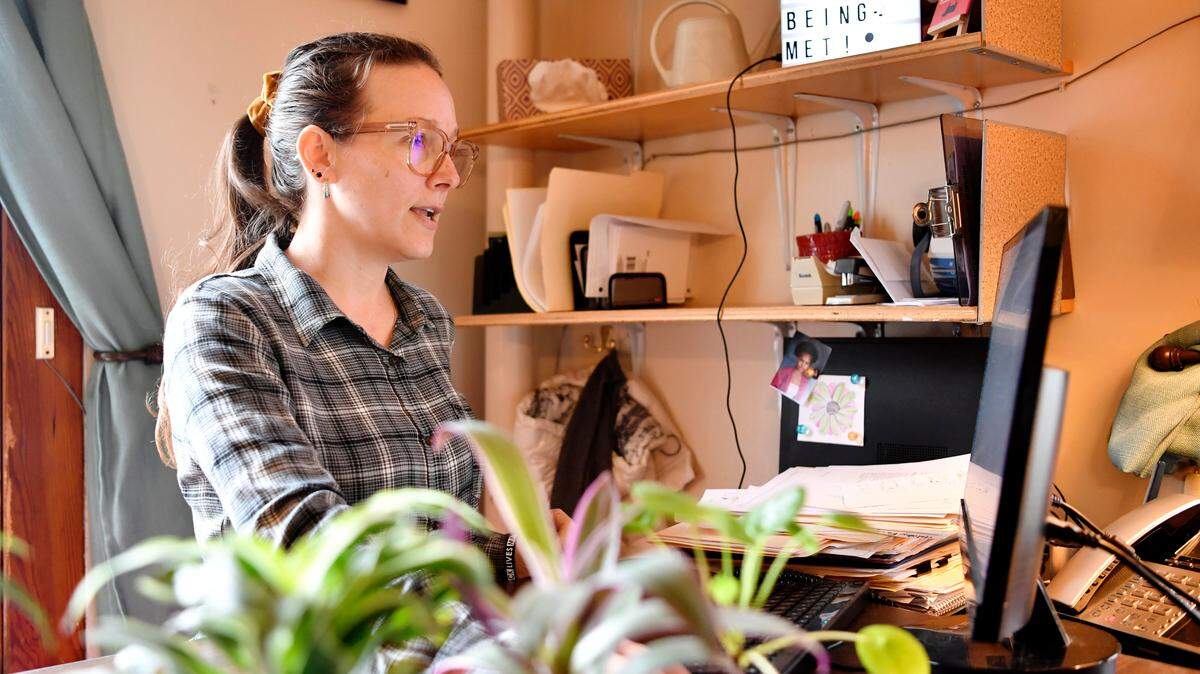
It’s been almost a year since Jennifer Stahl closed on her house in State College — a milestone for anyone, but with special significance for someone who was homeless for years.
Growing up, she moved more than 20 times throughout the United States before landing in Centre County and getting help from residents, local organizations and housing assistance programs. Now, she works at one of the organizations that helped her, assisting a sometimes hidden population of those “suffering in this poverty matrix” in Happy Valley.
“The Centre County community is doing so much to address homelessness, especially in comparison to many other regions,” Stahl said. “I see opportunities for improvement, but everything takes staffing, and staffing takes money.”
In Centre County, homelessness is not a problem with a “one size fits all” solution, Director of Adult Services Faith Ryan said.
In January, the annual Point-in-Time count found 129 homeless individuals on the streets and in area shelters. That number does not include those sleeping on friend’s couches, or staying in hotels.
“Homelessness is fluid,” Ryan said. “I think that it will take a lot more data collection to know how many people are living in Centre County. I don’t have a number. I don’t know that anybody has a number.”
Breaking the cycle of housing insecurity
Growing up in the ‘90s, Stahl was “perpetually homeless,” moving almost 20 times from city to city before she turned 18. As an adult, her housing woes followed.
The first time homeless as an adult, Stahl was living in a shelter, pregnant with her daughter. On the cusp of motherhood, she struggled with food insecurity and financial instability.
Stahl now manages that shelter — Centre House — where she spent almost four months of her life. Located in downtown State College, the shelter provides a place for clients who are homeless or in crisis. A Housing Transitions program, Centre House is staffed 24 hours a day, seven days a week and houses an average of 80 guests per year in addition to serving more than 2,000 residents through other HT programs.
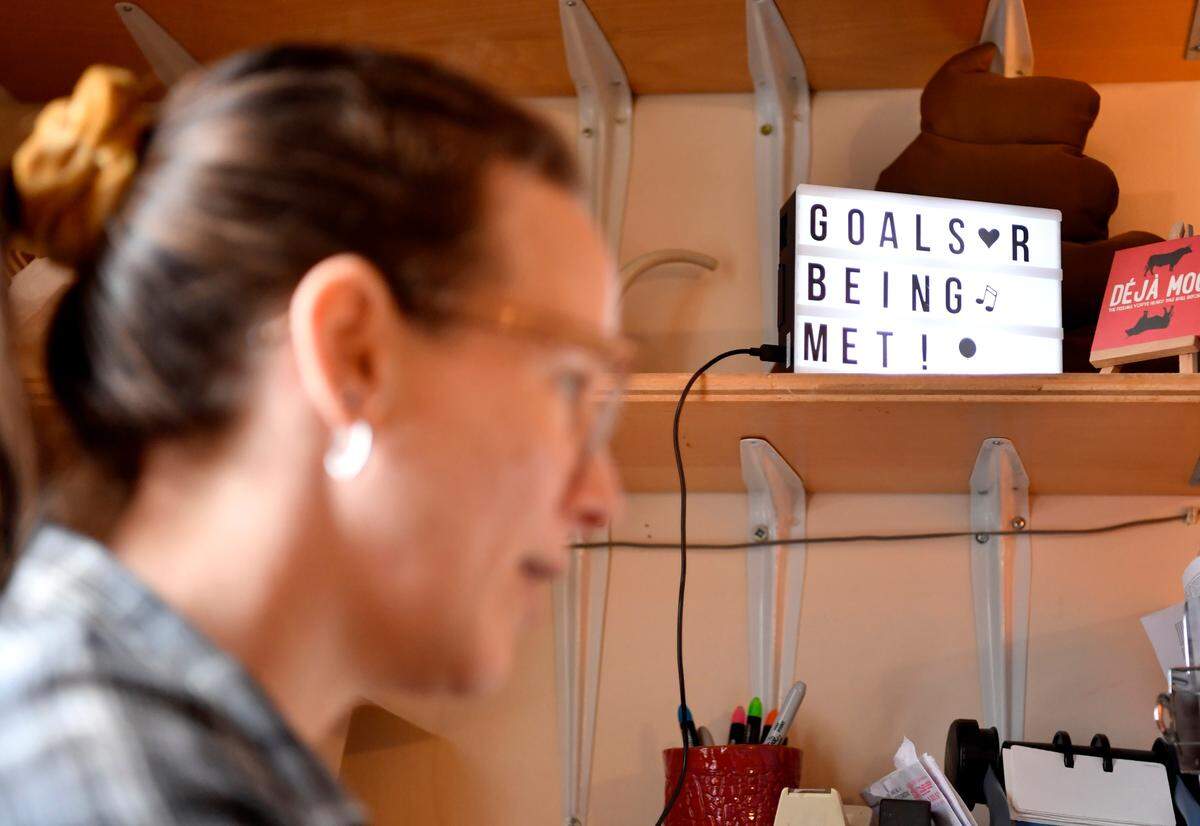
After leaving Centre House and as a new mother, Stahl enrolled at Penn State but was still faced with housing insecurity, so again, she sought help from HT.
Eventually, she moved into a transitional housing apartment. She lived there until she could afford her own apartment with the help of a Section 8 voucher, a program that allows private landlords to rent housing at fair rates to low income tenants with a rental subsidy.
“I had a kind and patient landlord who gave me a chance in one of his rentals where I lived for six years, which is still the longest place I lived,” she said.
After graduation, Stahl took a full-time position with the university where she worked until joining the staff at HT as a case manager. As the shelter manager, Stahl ensures Centre House is staffed 24/7, helps clients set goals and supports them during their stay at the shelter.
BEHIND THE STORY
MOREWhy did we report this story?
While working on a story about volunteers in a local homeless shelter, we realized Centre County’s homeless community was a growing population struggling with food insecurity, poor hygiene, unemployment, addiction and stigma. To learn more about the problems that come with housing insecurity, we visited homeless shelters and talked to current and former housing insecure people. Wanting to know what work was being done to address issues of poverty, we spoke to government officials and nonprofit staff members who work to provide resources to those in need.
Centre House serves a variety of guests — individuals and families — but usually works with people between ages 18-34. For Housing Transitions Executive Director Morgan Wasikonis, Stahl’s story is not unlike many who experience housing insecurity in Centre County.
Living paycheck to paycheck is one reason why many become homeless, Wasikonis said, adding that an unexpected expense or illness could lead to instability.
And the biggest obstacle the homeless population faces is trauma, Ryan said.
“I have no percentage off the top of my head, but the vast majority of people that are homeless have experienced significant trauma in their life whether it was childhood, adult or something recently,” Ryan said. “They have an enormous amount of barriers. It’s sometimes not just a matter of getting them a house and getting them a job.”
Stahl agrees, adding that it’s imperative to give people in the community opportunities to do better.
“Let’s not throw people away,” Stahl said. “Let’s keep giving people in our community opportunities to do better.”
Shelters are available but limited
Stahl’s home purchase last year was made possible by the State College Community and Land Trust as part of the first time home buyer program.
“As a child, there were no resources that I can remember,” Stahl said. “I was in a permanent state of feeling helpless. As an adult, I was assisted by way too many agencies and programs to possibly remember them all. Housing Transitions was a huge influence.”
While the Centre House Shelter program requires guests to be clean and sober, HT does offer housing programs that assist anyone experiencing homelessness in the county. Wanting to hold guests accountable, Wasikonis said Centre House residents are required to participate in programming and are responsible for checking in with staff.
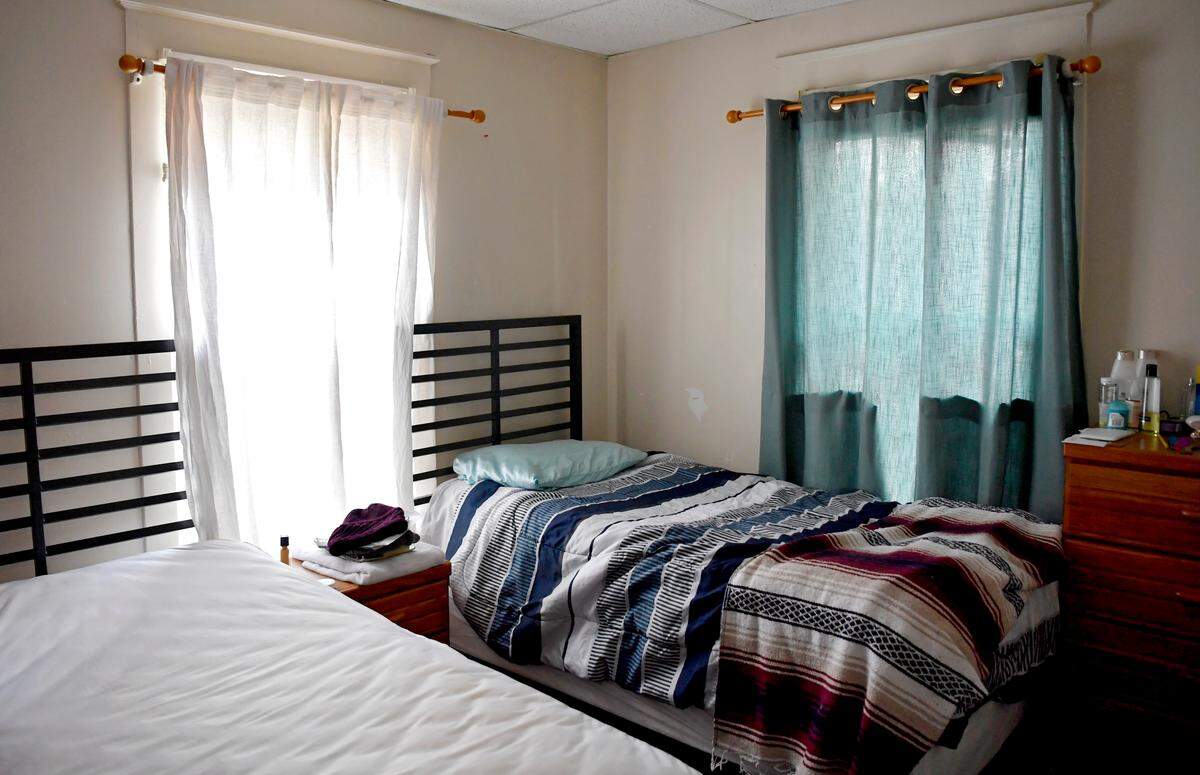
“It can be a really great place, but it can be a really challenging place as well,” Wasikonis said.
Centre House is one of a handful of shelters in Centre County, all of which are based in the Centre Region. Adult Services handles long-term housing solutions and assistance programs while local nonprofits manage emergency shelters and food and clothing donations.
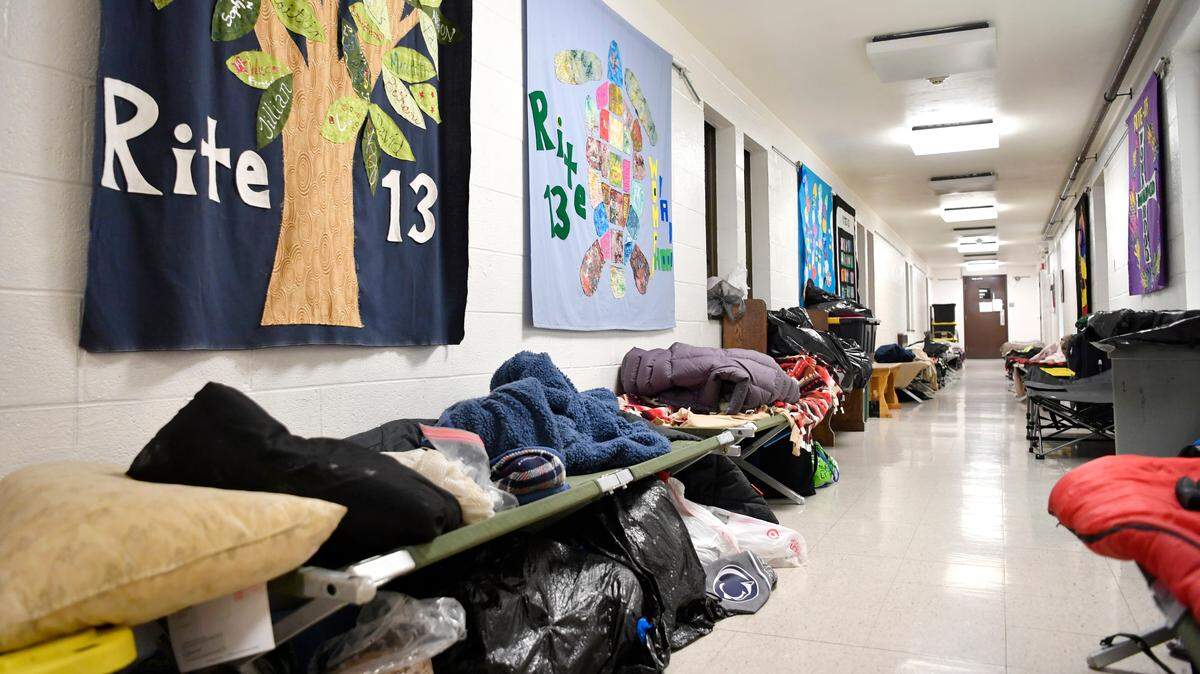
Out of the Cold: Centre County is a nonprofit organization with participating local congregations that rotate hosting an emergency shelter every night from mid-October to early May. After the closure of State College day shelter Hearts for the Homeless last year, OOTC3 also opened a day shelter.
The Centre County Youth Service Bureau operates one youth shelter and manages a supportive, independent living program that provides housing assistance to young adults, aged 16-21, who are homeless and without family support. The shelter, Burrowes Street Youth Haven, serves kids between 12 and 17 years old who are homeless, runaways or at risk of running away due to difficulties at home.
This year, Youth Haven provided short-term shelter for six kids and helped 33 through nonresidential services, which includes services provided to youth and families who were diverted from entering the shelter through case management and crisis counseling, YSB Executive Officer Christine Bishop wrote in an email.
Additionally, YSB’s independent living program served 23 young adults this calendar year. Participants live in supervised apartments while continuing their education or finding and maintaining employment.
Centre County outreach with a HUD focus
The county government could fund homeless shelters, but the majority of funds go to rental assistance, case management and housing programs. However, Ryan thinks more specialized shelters and space for families would better serve the community by honing in on specific demographics.
With 14-16 housing programs and a $1.2 million budget for the 2019 calendar year, staff try to make sure every client receives some kind of assistance even when funds have been depleted. The county’s rental assistance programs are available year-round, and Adult Services uses all of the available funding by the end of each month, Ryan said.
“I think oftentimes when money gets tight and problems get bigger, you see other entities try to find ways to build the wall, try to find ways to tighten up criteria,” Ryan said. “It’s their way to figure out how to serve the most well deserving, but one size does not fit all. I think, ‘let’s just help them.’ ”
Through state programs, county services and community partnerships, Ryan said officials are trying to expand housing assistance programs, but a “housing first mantra” — a HUD approach that offers permanent, affordable housing as quickly as possible — puts additional responsibility on staff to house everyone, even though that isn’t always possible.
But recording the county’s shortcomings isn’t something Ryan is ashamed of, adding that she and her three-person staff — aren’t able to reach everyone.
“I believe that we absolutely have to show what we can do, but we also have to show what we can’t do because of capacity. And if we don’t have that answer, then we’re never going to get more funding, more housing units, more anything because we’ll never be able to show need,” Ryan said. “We’ve had a lot of funding success by collecting that data.”
For a decade, the rental and mortgage assistance program had a cap of $8,000 per month, but after recording how many people were still without housing assistance, Ryan said the county was able to secure block grant funding — increasing the cap to $9,800 per month.
There is no one way to end homelessness, Ryan said, but if communities continue to brainstorm innovative housing solutions, she thinks stories — like Stahl’s — will happen more often.
For Stahl, getting back on her feet came with a great deal of help from the entire community. To name a few, she said Centre County, Interfaith Human Services, the Salvation Army, Penn State and the State College Police Department were instrumental in her success.
“It takes so much intense work by the individuals and by the agencies supporting the individual, but it’s not for nothing,” she said. “The Centre County community saved my life, which I believe, in turn, made a huge impact on my child and her impending adulthood. It is imperative that we support adults so that children have healthier outcomes.”
This story was originally published December 12, 2019 at 8:09 AM.