Looking back at Penn State football’s unique 100-plus year coaching history
READ MORE
New era of Penn State football
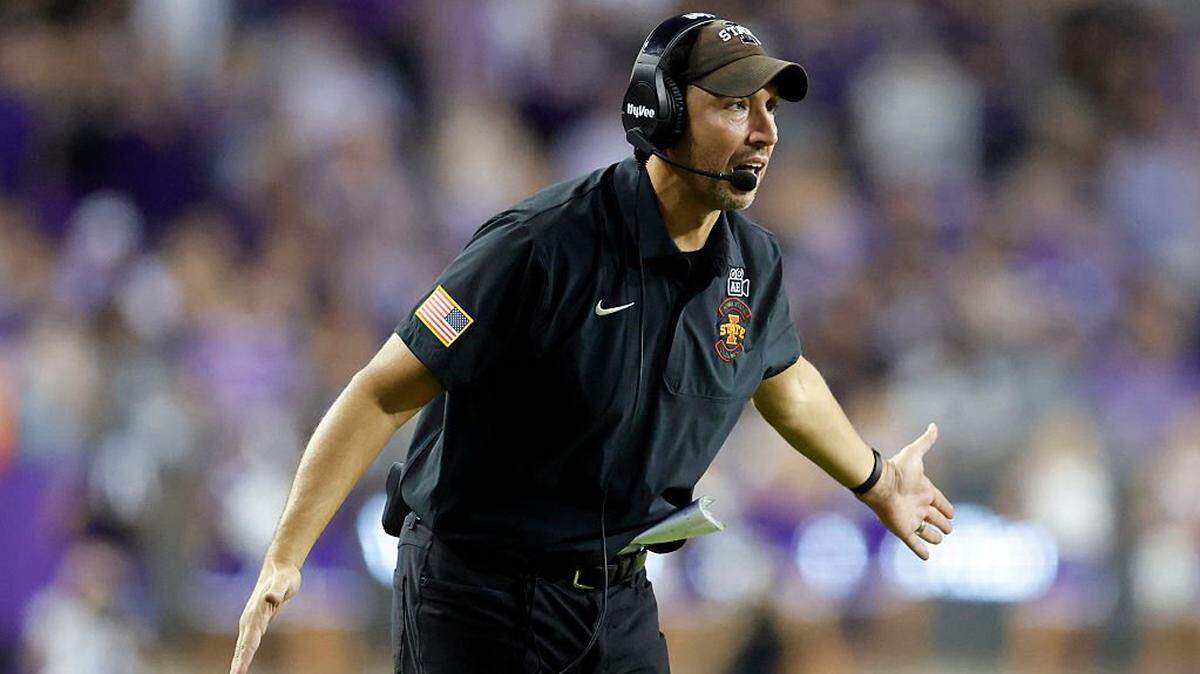
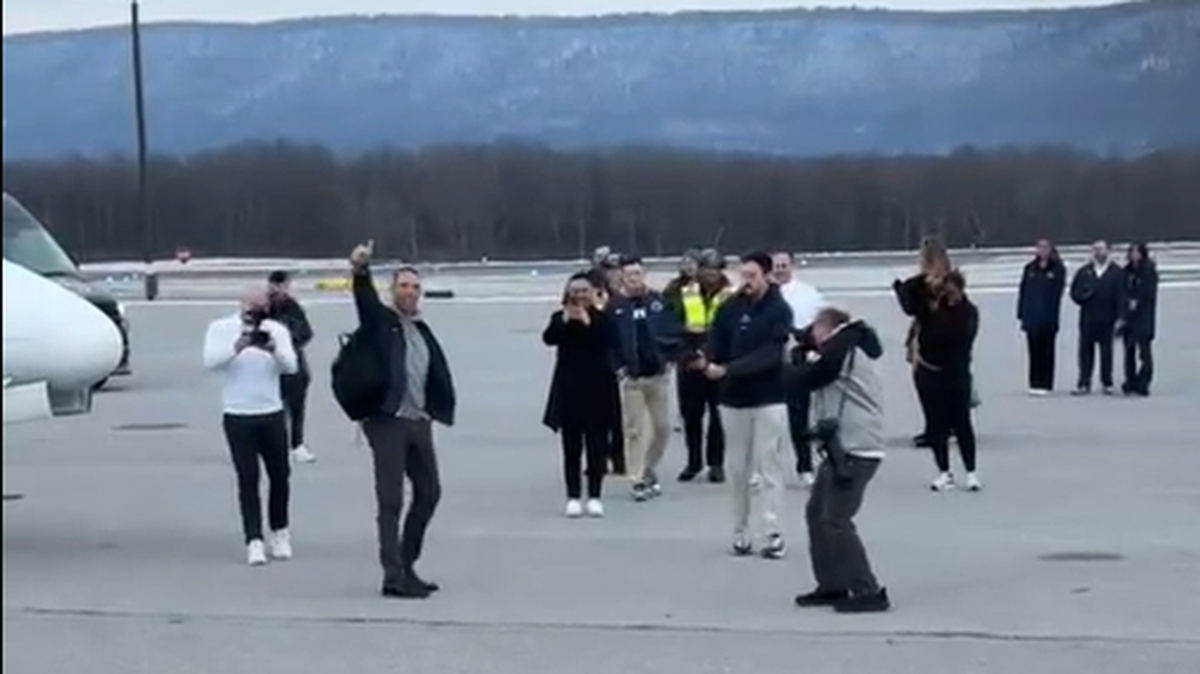
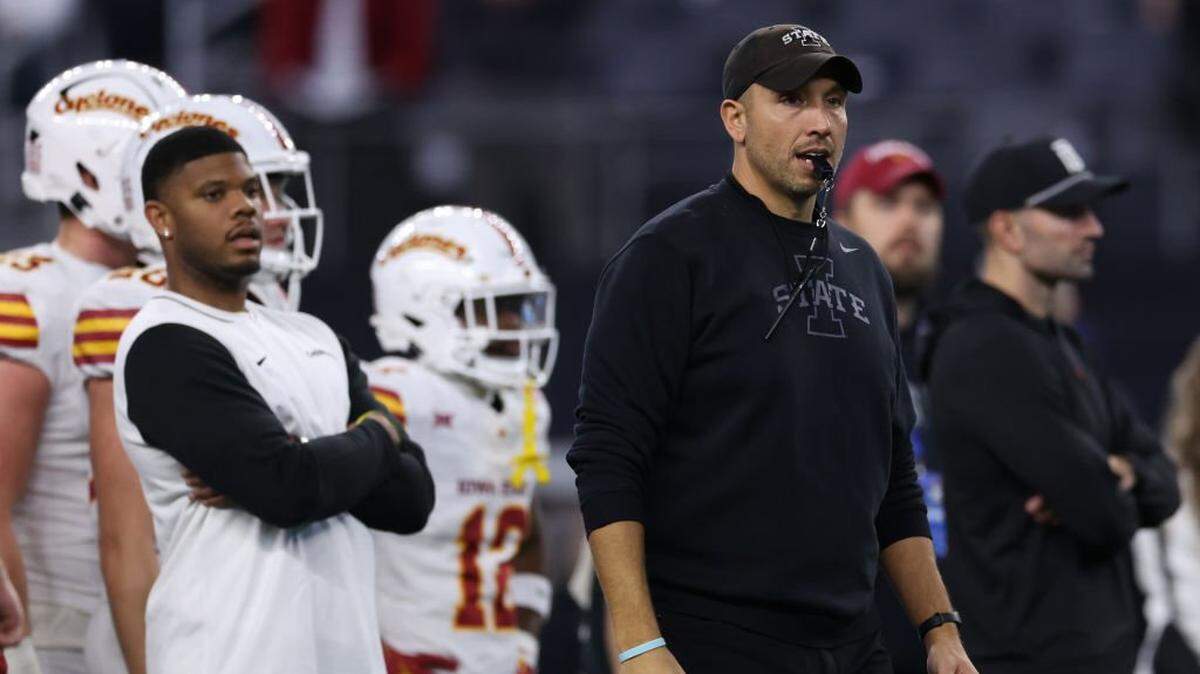
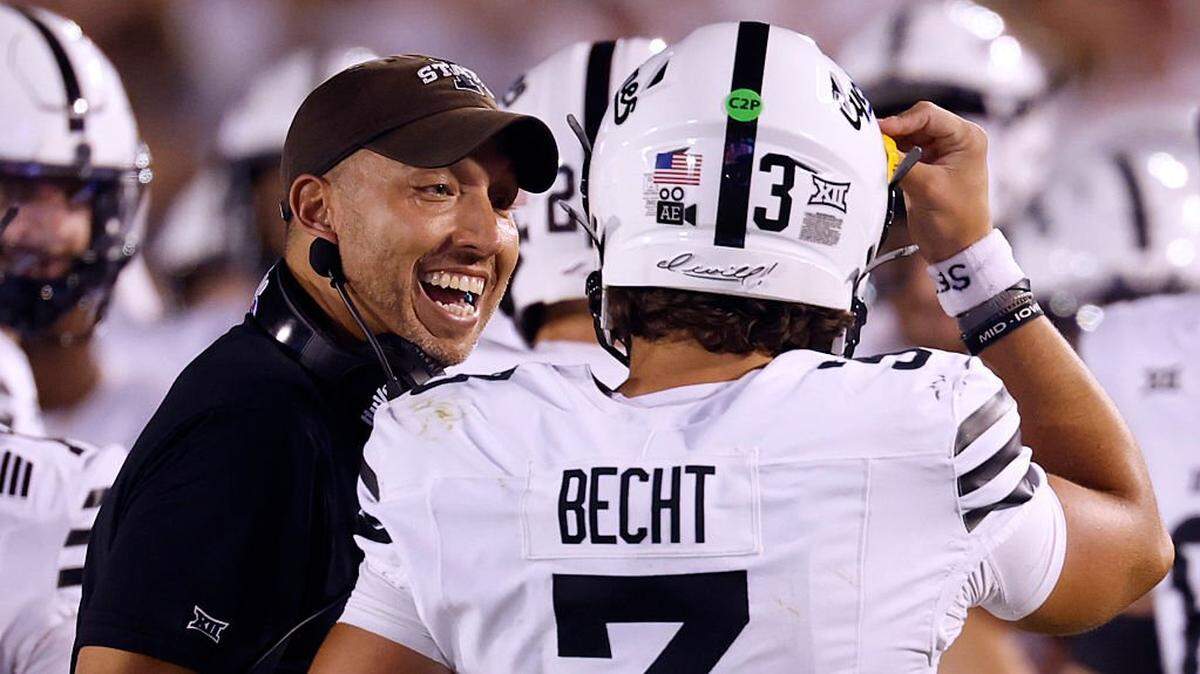
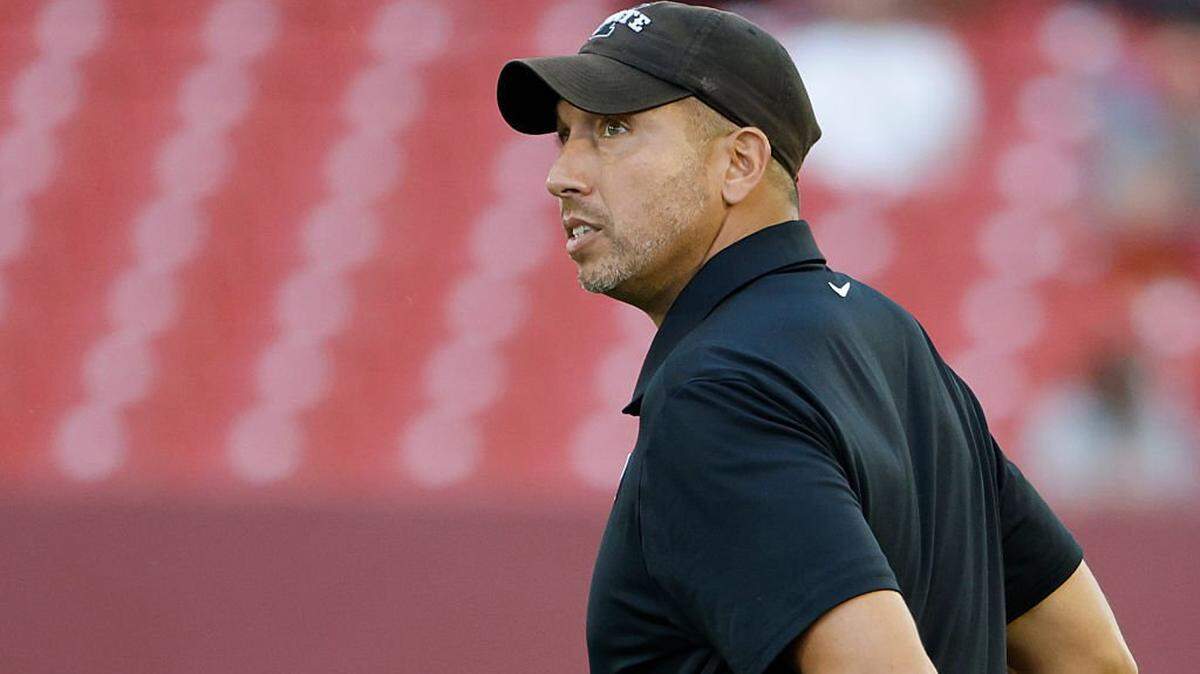
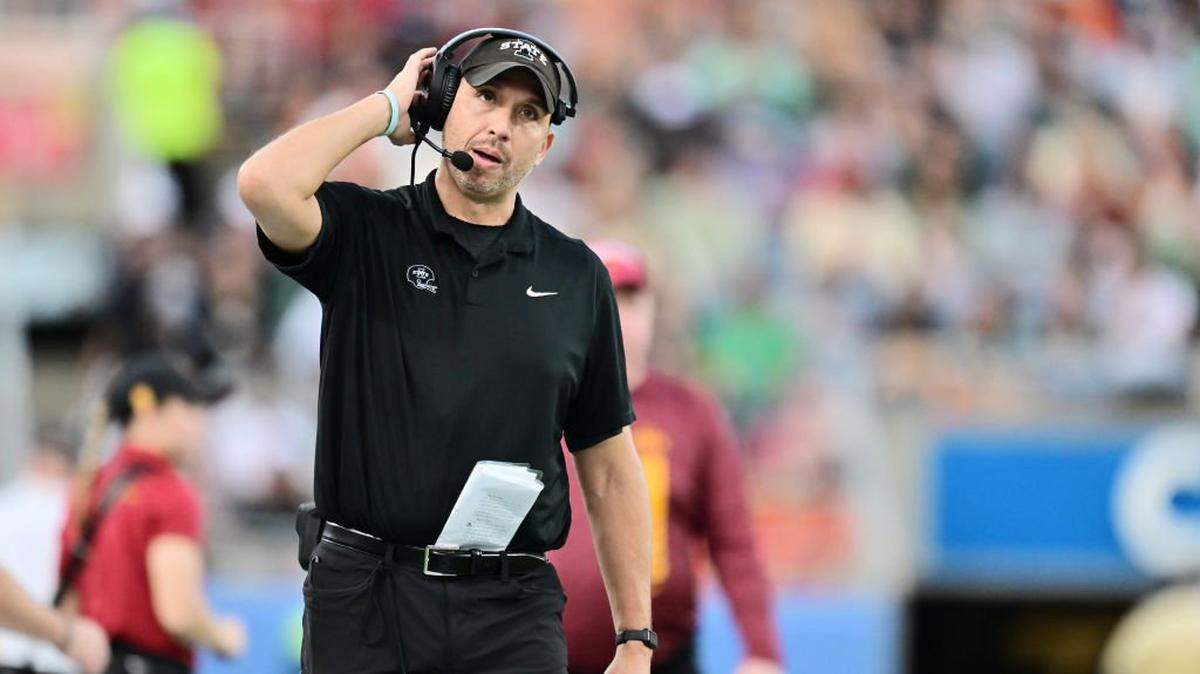
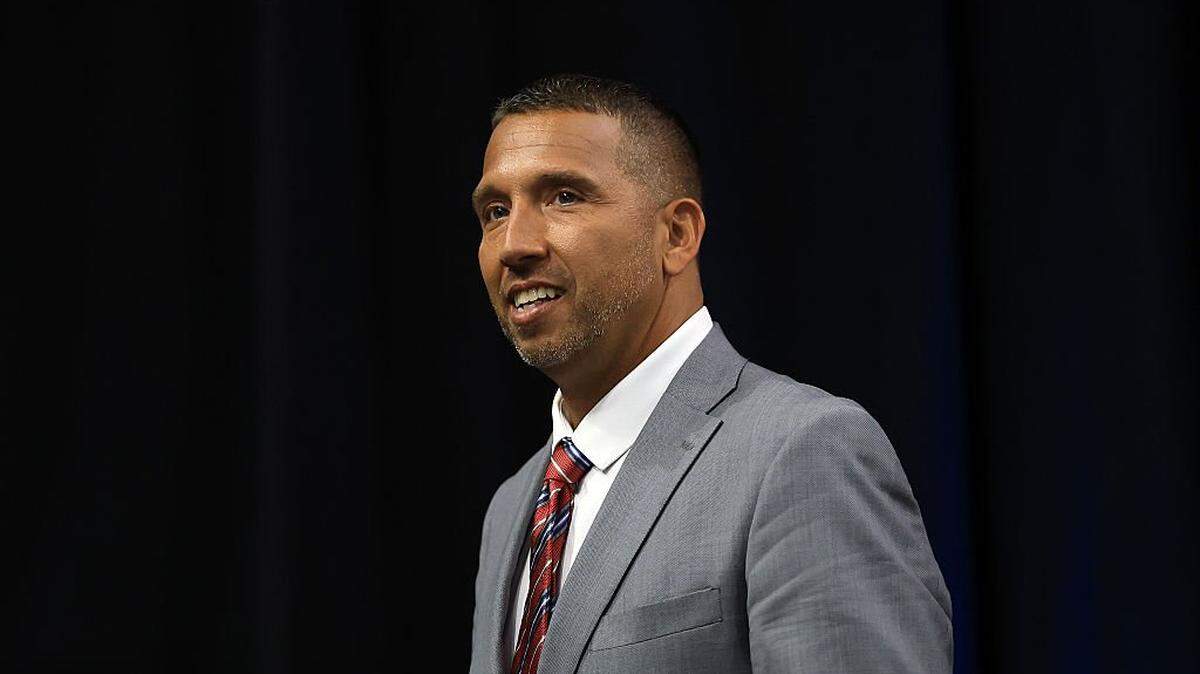
Penn State football has its next coach. Read more about Matt Campbell and what he’ll bring to the Nittany Lions.
Expand All
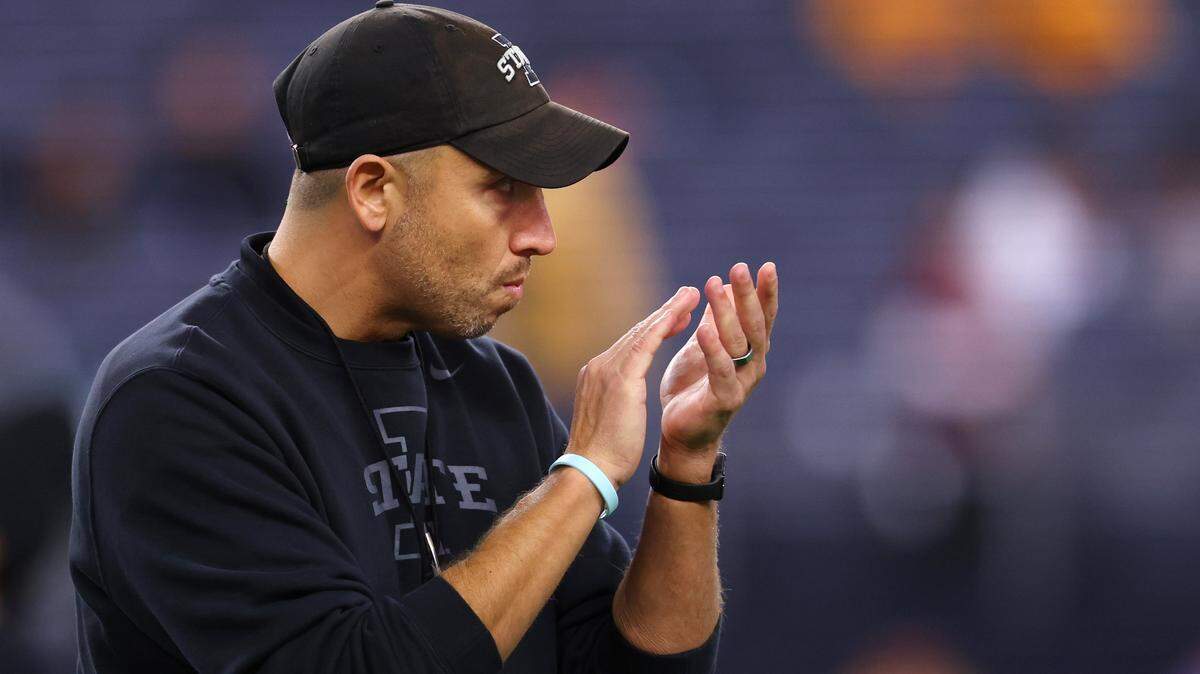
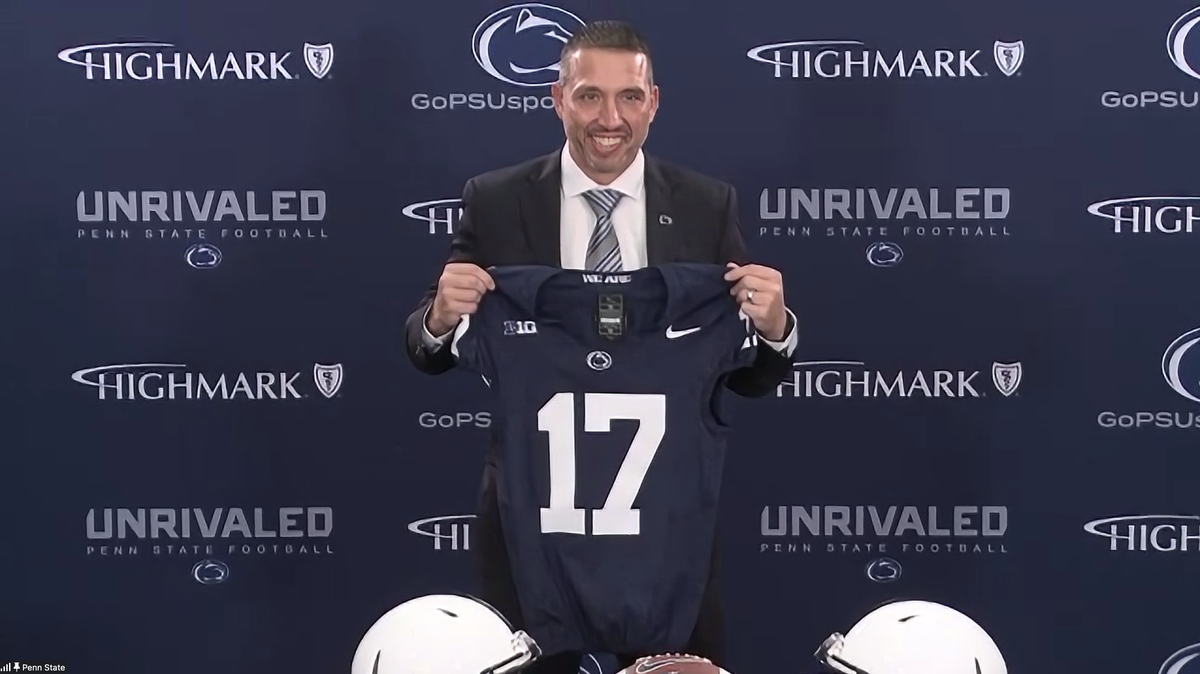
Matt Campbell is officially Penn State’s 17th head coach.
The Nittany Lions’ program boasts a rich history, one that spans 138 years, 13 undefeated seasons and 191 All-Americans. But how much do you know about the coaching history?
You know Joe Paterno, James Franklin and Bill O’Brien. But do you know what College Football Hall of Famer also coached MLB’s Pittsburgh Pirates? Or what coach was hired at 23 years old? How about what coach was responsible for the “first family of Penn State football”?
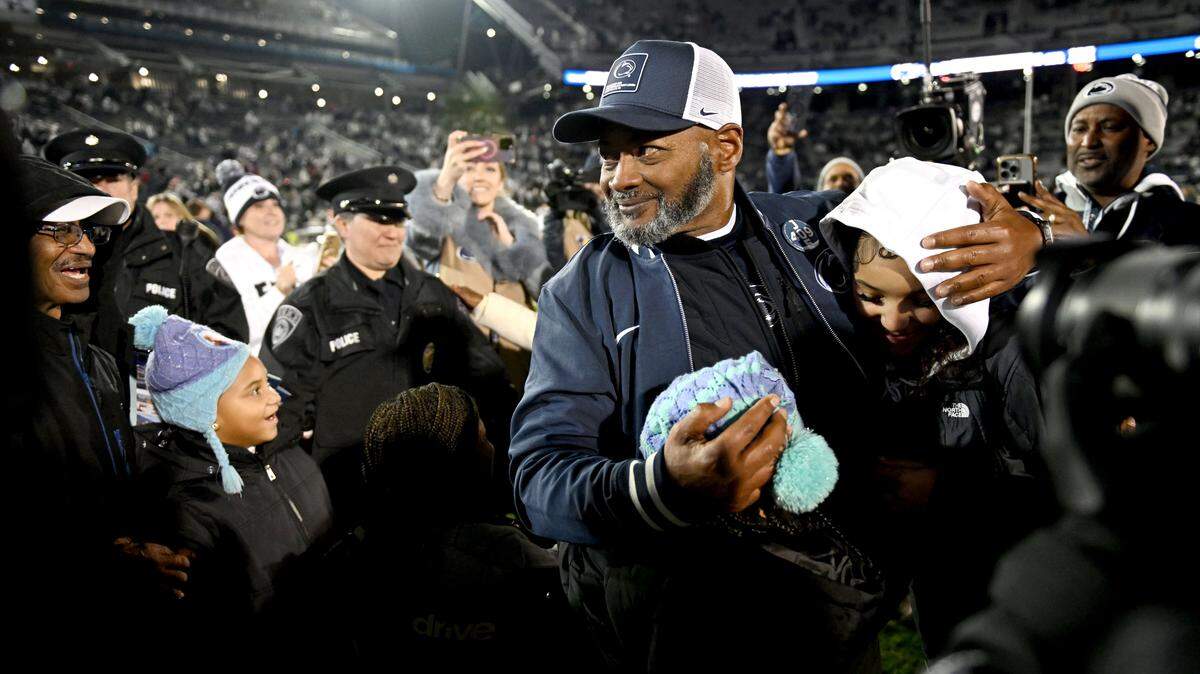
With Campbell succeeding Franklin, we thought it was the perfect time to look back on the Nittany Lions’ coaching history, minus the interims. (And, if you want more info on Campbell, you can find it here.) You’ll find an overview below, along with highlights on some names you should know, the modern coaches and some coaching trivia:
Coaching overview
| Name | Seasons | Wins | Losses | Ties | Win % | Bowls |
|---|---|---|---|---|---|---|
| No Coach | 1887-1891 | 13 | 8 | 2 | 0.609 | N/A |
| George Hoskins | 1892-1895 | 20 | 5 | 4 | 0.759 | N/A |
| Samuel Newton | 1896-1898 | 12 | 14 | 0 | 0.462 | N/A |
| Sam Boyle | 1899 | 4 | 6 | 1 | 0.409 | N/A |
| Pop Golden | 1900-1902 | 16 | 12 | 1 | 0.569 | N/A |
| Daniel Reed | 1903 | 5 | 3 | 0 | 0.625 | N/A |
| Tom Fennell | 1904-1908 | 33 | 17 | 1 | 0.657 | N/A |
| Bill Hollenback | 1909; 1911-1914 | 28 | 9 | 4 | 0.732 | N/A |
| Jack Hollenback | 1910 | 5 | 2 | 1 | 0.688 | N/A |
| Dick Harlow | 1915-1917 | 20 | 8 | 0 | 0.714 | N/A |
| Hugo Bezdek | 1918-1929 | 65 | 30 | 11 | 0.665 | 0-1 |
| Bob Higgins | 1930-1948 | 91 | 57 | 11 | 0.607 | 0-0-1 |
| Joe Bedenk | 1949 | 5 | 4 | 0 | 0.556 | N/A |
| Rip Engle | 1950-1965 | 104 | 48 | 4 | 0.679 | 3-1 |
| Joe Paterno | 1966-2011 | 409 | 136 | 3 | 0.749 | 24-12-1 |
| Bill O'Brien | 2012-2013 | 15 | 9 | 0 | 0.625 | N/A |
| James Franklin | 2014-2025 | 104 | 45 | 0 | 0.698 | 8-7 |
Notable coaches before JoePa
George W. Hoskins, 1892-1895
It’s worth reminding that college football was very different in its infancy. With no uniform eligibility rules in the 1890s, some non-students even competed on some college teams. So it wasn’t unusual at the time when Penn State hired a 27-year-old Hoskins as its “director of physical training” and he also played for the team as a player/coach.
Hoskins arrived after being an athletic trainer at the University of Vermont, and he was charged at Penn State with supervising a physical education program for all students, in addition to directing intercollegiate sports. He is not credited as the first athletic director, but as the first football coach. He technically boasts the highest winning percentage in school history (0.759).
He led PSU to a 6-0-1 record in 1894. He later coached Pitt for one season before eventually moving on to Bucknell, where he’s credited for coaching both basketball and football.
Bill Hollenback, 1909; 1911-1914
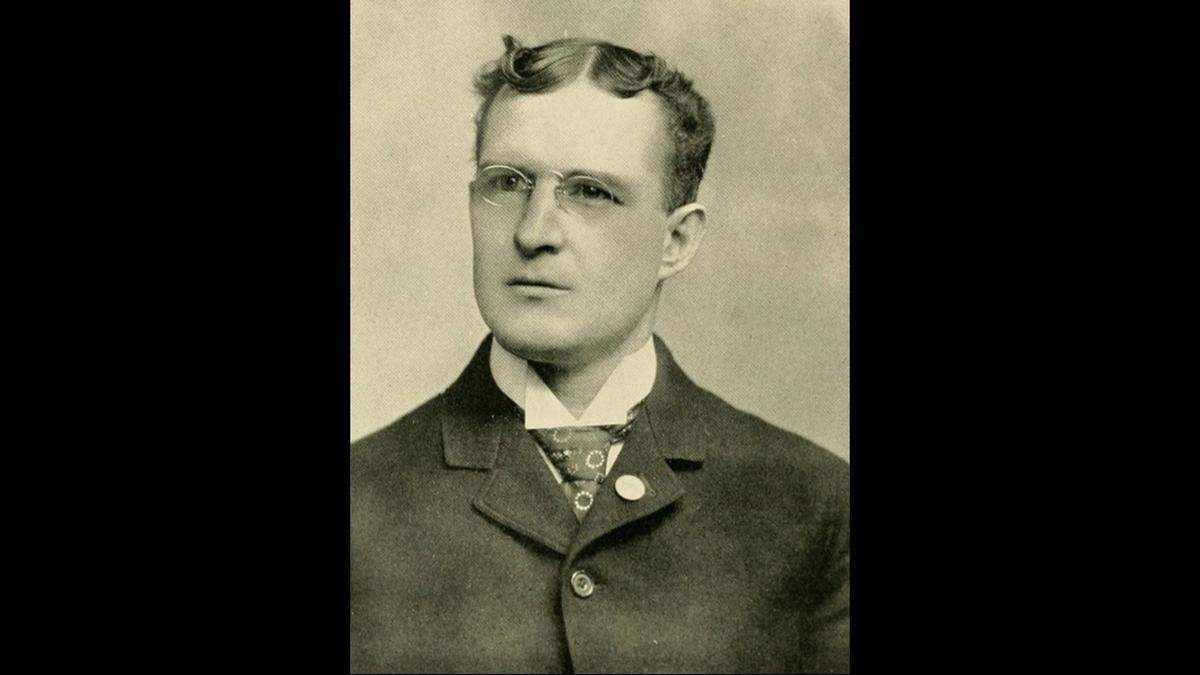
Hollenback was an All-America fullback at Penn until 1908 — and then became the youngest coach in the nation, at 23, at Penn State. He didn’t lose his first game with the program until his fourth season. And, besides Joe Paterno, he’s the only other PSU coach who can stake a claim to a national championship.
Because no national titles were awarded before 1936 until the Associated Press Poll began selecting a champ, titles before then were retroactively awarded by different foundations and selectors using subjective math formulas and reviews. The National Championship Foundation selected Penn State as its co-champs in 1911 and 1912, although others favored more traditional powers. Penn State has not claimed the titles.
Hollenback left Happy Valley after his initial season, when his brother Jack took over as coach when “Big Bill” left to coach Missouri. But Bill returned the next season and picked up right where he left off. In his first three seasons, Penn State went 5-0-2, 8-0-1 and 8-0-0. (The Nittany Lions outscored the competition in 1912 by a total score of 285-6.)
As a player at Penn, Hollenback was a three-time All-American who was inducted into the College Football Hall of Fame. Jim Thorpe once reportedly called the fullback his “greatest and toughest opponent.”
Hugo Bezdek, 1918-1929
Maybe no Penn Stater had a more interesting coaching career than Bezdek. Just to give you an idea: He remains the only person to ever manage an MLB and NFL team. He coined Arkansas’ nickname of the Razorbacks. He’s the only person to guide three different teams to the Rose Bowl. He coached Penn State to a 29-game win streak. And ... well ... you get the idea.
At Penn State, Bezdek still wore many hats. He coached football for 12 seasons, baseball for 11 seasons and even served as the interim basketball coach in 1919. He was also the athletic director through 1936.
Bezdek helped set a championship standard at Penn State, as the university racked up around a dozen total national titles when he was its athletic director. As the football coach, his teams were known as hard-nosed, and his style of play was flexible.
He led Penn State to its first bowl game, a 14-3 loss to USC in the 1923 Rose Bowl, and he had 10 winning seasons out of his last 11. He even managed the Pittsburgh Pirates for three seasons, and two of those came while he simultaneously coached PSU’s football team, since the football season started later in the fall back then.
He left Penn State to try his hand at coaching the NFL’s Cleveland Rams in their inaugural season, but was fired after going 1-10. (His only win came against the Philadelphia Eagles, 21-3.) He was inducted into the College Football Hall of Fame as a coach in 1954.
Bob Higgins, 1930-1948
You’re probably aware of the famed 1947 season, which culminated in the 1948 Cotton Bowl. Just to recap: Cotton Bowl officials asked Penn State to leave behind its two Black players — but the Nittany Lions refused. It was all of them or none of them. Well, Higgins was the coach at that time. (Steve Suhey was the captain. That’ll come into play later.)
Higgins was a former three-time All-American — twice on the first-team — for the Nittany Lions. He missed the 1918 season because he served as a U.S. Army officer in France, but returned in 1920 to again earn All-America honors. He returned to coach his alma mater about a decade later.
Higgins had only one winning season during his first nine as Penn State’s coach. But something clicked after the 1938 season. The Nittany Lions kicked off 49 straight non-losing seasons after that, and Higgins went 62-17-7 from that point forward for a 0.762 winning percentage.
The Penn State alum went 9-0-1 during his best season in 1947, culminating in a 13-13 tie with SMU in the Cotton Bowl. Penn State finished the season ranked No. 4 in the AP Poll, its highest end-of-season ranking from the birth of the poll (1936) until the 1968 season.
He’s also credited with helping start the “first family” of Penn State football. Higgins’ daughter Virginia married his team captain, Steve Suhey. That makes him the maternal grandfather of past lettermen Paul Suhey, Larry Suhey and Matt Suhey and the great-grandfather of Kevin Suhey and Joe Suhey.
Charles ‘Rip’ Engle, 1950-1965
He may be best known as the coach who hired JoePa to be his Penn State assistant coach, or that he coached Paterno at Brown, but Engle had a great career in his own right. He retired in February 1966 with what was then the most coaching wins in Penn State history (104), and he entered the College Football Hall of Fame in 1973.
He had winning seasons in all but his final year — at 5-5 — and he saw seven of his teams finish the year ranked in either the AP Poll or the Coaches Poll. He also won three Lambert Trophies, given to the best team in the East.
Engle’s best year came in 1962, when the Nittany Lions finished 9-2 and ranked No. 9 in the nation. Penn State lost to Florida in the Gator Bowl, 17-7, but was still named the best team in the East.
Fans say Penn State wouldn’t be the same place without JoePa. But JoePa wouldn’t have been the same without Engle. “People talk to me about what I have done for Penn State,” Paterno once said. “I got it all from Rip.”
Recent coaches
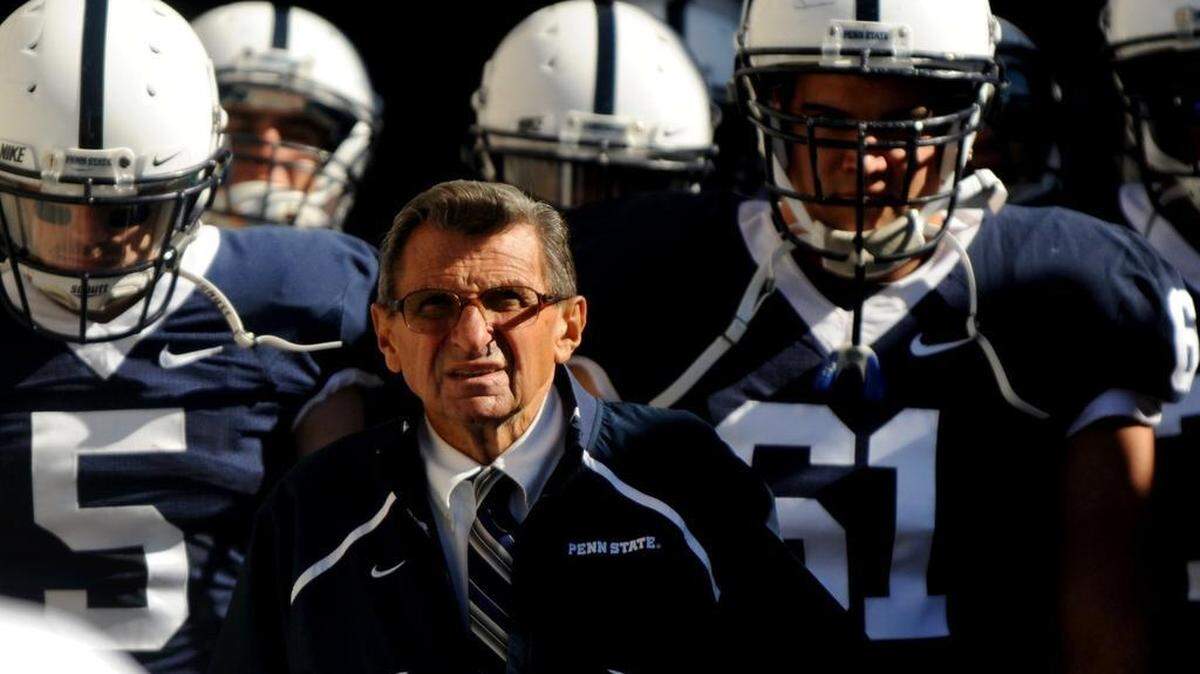
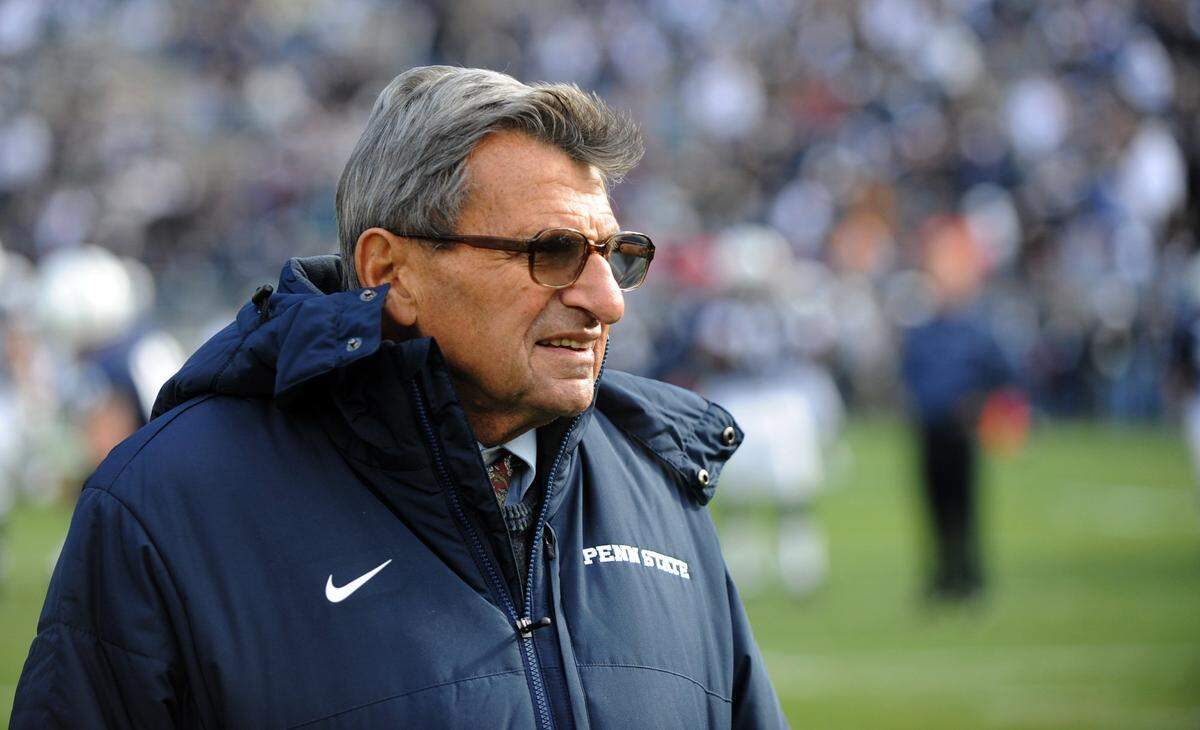
Joe Paterno, 1966-2011: Penn State’s library shares his name, and The Creamery even boasts a “Peachy Paterno” flavor. Put simply, it’s virtually impossible to separate the university from the coach. With 409 wins, he’s the winningest coach in FBS history. He won two national titles, 24 bowls and five AFCA Coach of the Year awards. He also produced 78 first-team All-Americans and more than 250 NFL draft picks. His career ended when he was unceremoniously fired in 2011 in connection with the Jerry Sandusky child sex-abuse scandal.
Bill O’Brien, 2012-2013: O’Brien was led to believe he shouldn’t expect any sanctions, so the dimple-chinned coach was caught off-guard when the program initially received sanctions worse than the death penalty in the wake of the Sandusky scandal. With reduced scholarships, a postseason ban and the ability for players to freely transfer elsewhere, O’Brien and key seniors kept the team together. His teams finished 8-4 and 7-5, a record few expected when the sanctions initially took hold. He left for the NFL’s Houston Texans before the 2014 season.
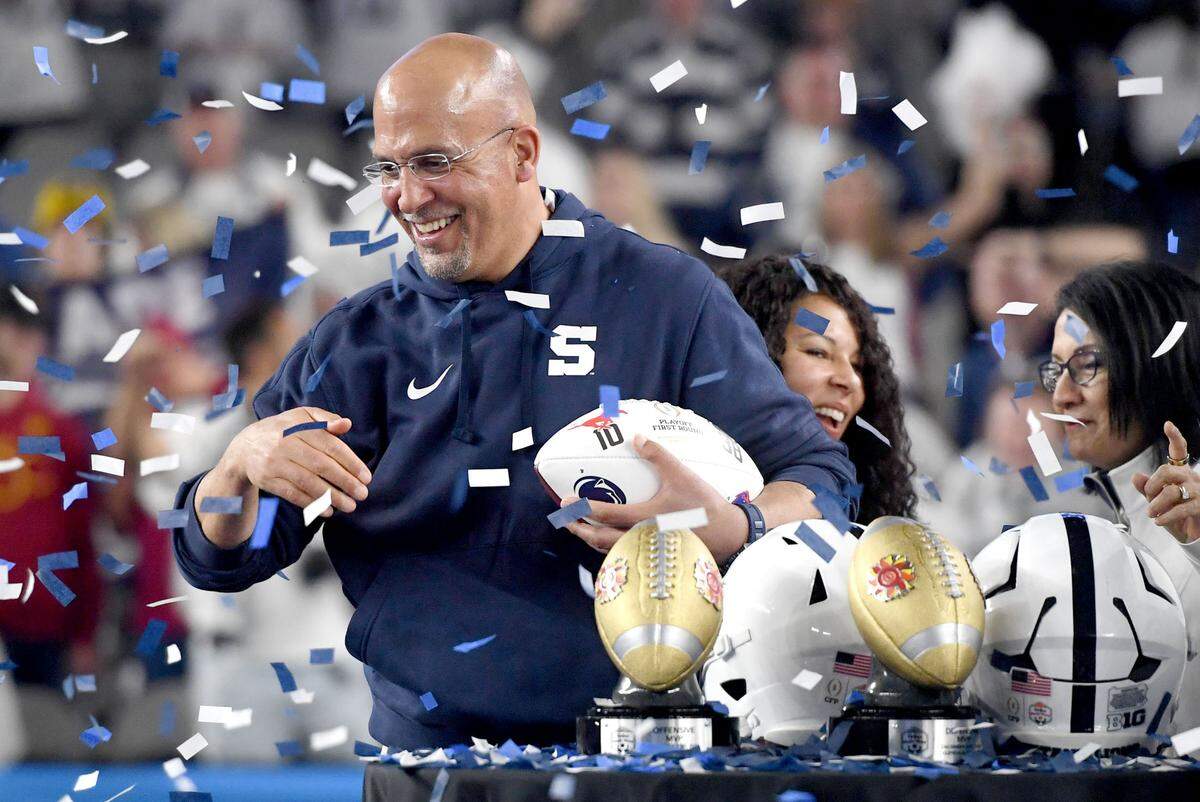
James Franklin, 2014-2025: He inherited a difficult position when he first arrived, with lingering sanctions limiting the roster size so much that he couldn’t field two full units on the offensive line. Still, his only losing season came during the 2020 pandemic season. He also guided Penn State to its first College Football Playoff berth. But he earned a reputation for his inability to win the big game, going 4-21 against AP top 10 teams. With national title aspirations, he dropped three consecutive games to start 3-3 in 2025 and was fired.
PSU Coach Trivia
Q: What Penn State coach ordered the Nittany Lion mascot banned from the field?
A: Hugo Bezdek. The mascot made its first appearance at a football game in 1921. But, when the Nittany Lions lost multiple games the mascot appeared in during 1928, the apparently superstitious Bezdek banned him from the field. The mascot didn’t return until 1939, when the student newspaper (The Daily Collegian) solicited money for a new lion suit.
Q: What coach was responsible for Penn State’s first All-American?
A: Tom Fennell. Penn State’s first All-American was W.T. Dunn, a two-way player (everyone was back then) who played center and linebacker. Dunn became a consensus All-American in 1906, at a time when it was rare for players outside of the Ivy League to earn a spot. Fennell went 8-1-1 that season. He had no losing seasons in the five he coached.
Q: How many Penn State coaches have been enshrined in the College Football Hall of Fame, either as a coach or player?
A: Six. They include Bill Hollenback (1951 class), Hugo Bezdek (1954 class), Dick Harlow (1954 class), Bob Higgins (1954 class), Rip Engle (1973 class) and Joe Paterno (2007 class). Hollenback was enshrined as a player, since he was a three-time All-America fullback at Penn. But the others were enshrined as coaches.
Q: One for the diehards: Joe Paterno admired Alabama legend Paul “Bear” Bryant, and Paterno kept a poem in his personal files that Bryant read at his last public appearance. Name the poet or the poem.
A: The poet was Heartsill Wilson, and the poem was “A New Day” (originally titled “A Salesman’s Prayer” and sometimes instead referred to as “The Beginning of a New Day”). Bryant reportedly kept a copy of it in his wallet. It reads:
This is the beginning of a new day.
God has given me this day to use as I will.
I can waste it or use it for good.
What I do today is important,
because I am exchanging a day of my life for it.
When tomorrow comes, this day will be gone forever,
leaving something in its place I have traded for it.
I want it to be gain, not loss;
good, not evil;
success, not failure —
in order that I shall not regret the price I have paid for it.
This story was originally published December 6, 2025 at 6:01 PM.