Why is Bellefonte dubbed the ‘Fountain of Governors?’ A guide to its many leaders
AI-generated summary reviewed by our newsroom.
- Bellefonte is nicknamed “Fountain of Governors” for producing seven governors.
- Five Pennsylvania governors and two governors from other states lived in Bellefonte.
- Bellefonte ranks second nationwide, behind Edgefield (which produced ten governors).
READ MORE
America250: Centre County history
We’re highlighting unique parts of Centre County history as the nation celebrates its 250th anniversary. Follow along below.
Expand All
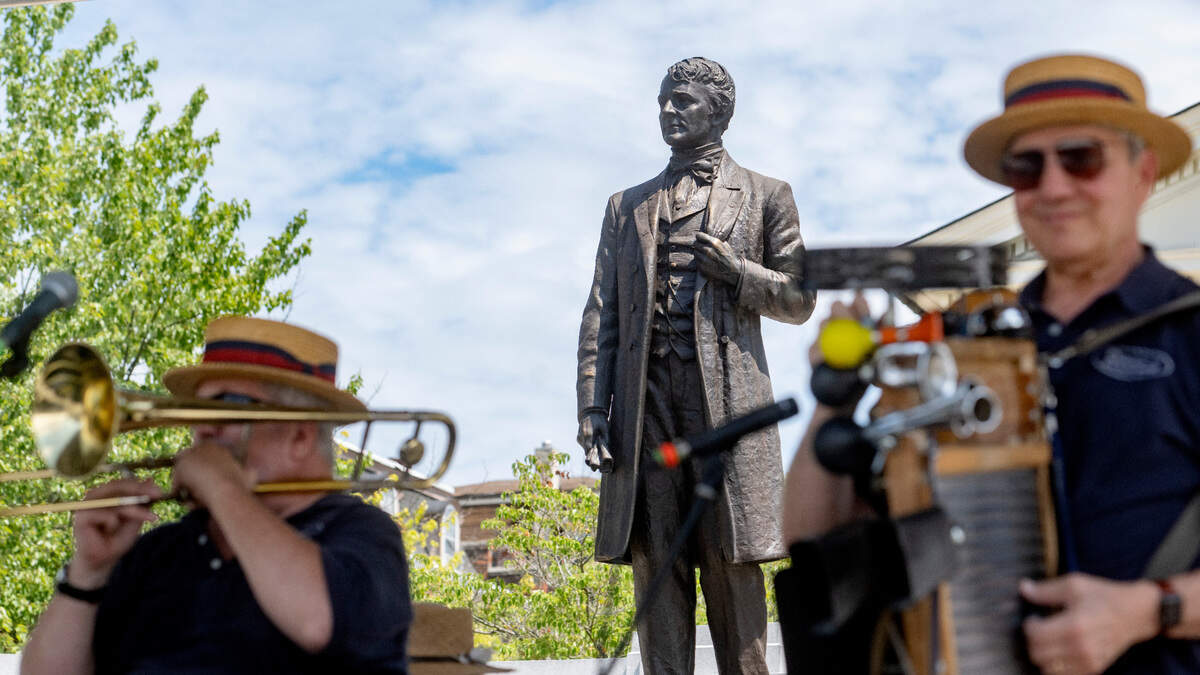
Talleyrand Park in Bellefonte is not only home to sprawling pollinator gardens and greenery, it also hosts a memorial to seven important figures from Pennsylvania’s past.
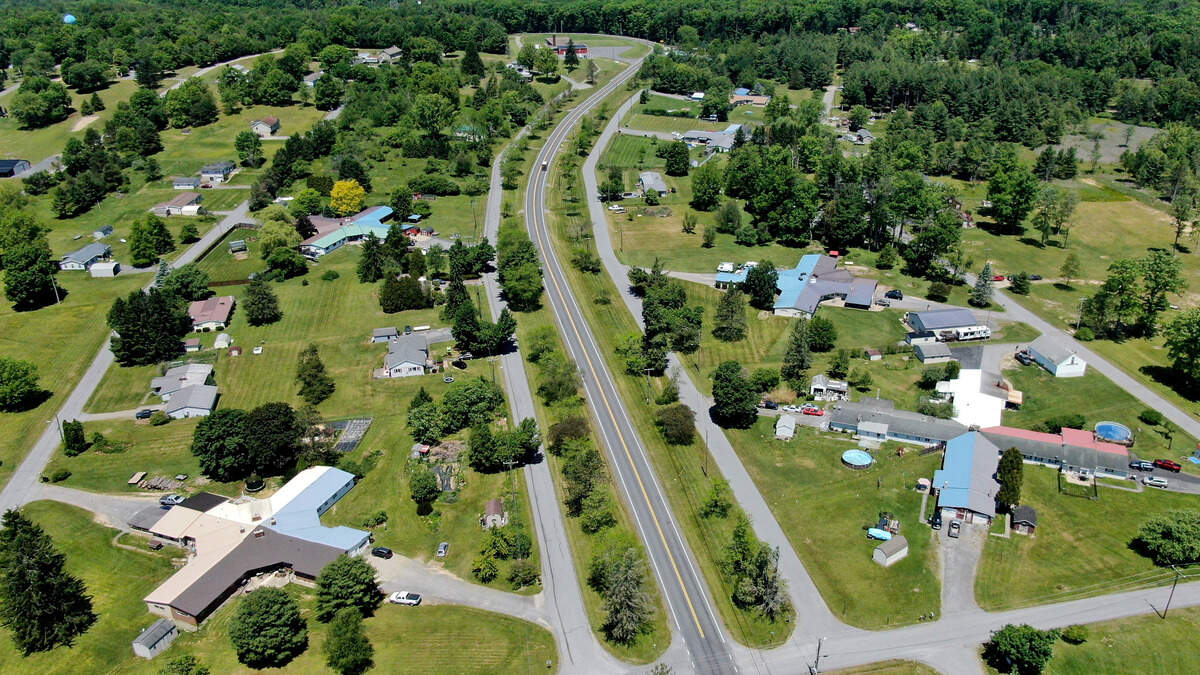
Bellefonte, known for its Victorian-era architecture and lush green spaces, is also known as the “Fountain of Governors.” The region was home to five former Pennsylvania governors and two from other states, the second-largest number produced from a single area, behind only Edgefield, South Carolina, which has 10.
Next time you find yourself strolling by Spring Creek or admiring the rustic spires along the rooftops, take a moment to remember all the historic officials whose footsteps you might wander in.
Below is a look at some key facts of former governors who called Bellefonte home, as found at www.centrecounty.america250pa.org.
John Bigler
Lifetime: Jan. 8, 1805-Nov. 29, 1871
Party: Democrat
Positions: Member of the California State Assembly (Dec. 17, 1849-Jan. 5, 1852), Governor of California (Jan. 8, 1852-Jan. 9, 1856), U.S. Ambassador to Chile (Oct. 5, 1857-Oct. 4, 1861)
Significance as governor: Bigler was the third governor of California, the first to be installed by general election after acquiring statehood. He prioritized protecting the state’s mining interests and preventing the expansion of slavery into Southern California. However, Bigler was also known for his slew of anti-Indigenous and Chinese policies, funding expeditions to drive Indigenous peoples from their land and heavily opposing Chinese immigration.
William Bigler
Lifetime: Jan. 1, 1814-Aug. 9, 1880
Party: Democrat
Positions: Pennsylvania State Senator (1841-1846) Governor of Pennsylvania (Jan. 14, 1856-March 3, 1861), U.S. Senator of Pennsylvania (Jan. 14, 1856-March 3, 1861)
Significance as governor: Younger brother of John Bigler, William Bigler was the youngest elected governor in Pennsylvania since 1790, assuming office at around 37 years old. He was a proponent of public education and banking reform, vetoing unscrupulous bank charters and aiming to protect investors’ interests. William Bigler experienced a massive downturn in popularity due to his pro-slavery views, including his enforcement of the Fugitive Slave Act, which allowed escaped enslaved individuals to be hunted and recaptured after they entered the free states. He lost reelection to Republican James Pollock by a large margin and went on to become president of the Philadelphia and Erie Railroad.
Robert J. Walker
Lifetime: July 19, 1801-Nov. 11, 1869
Party: Democrat
Positions: U.S. Senator from Mississippi (March 4, 1835-March 5, 1845), U.S. Secretary of the Treasury (March 8, 1845-March 5, 1849), Territorial Governor of Kansas (May 27, 1857-Dec. 15, 1857)
Significance as governor: Governor during the “Bleeding Kansas” period, Walker was a staunch supporter of the preservation of the Union and the emancipation of enslaved people — despite acquiring much of his wealth as a slave owner. Due to the Kansas-Nebraska Act, the fate of slavery in Kansas would be determined by popular vote, becoming a battleground for the influx of abolitionists and pro-slavery advocates of the time. Walker opposed the Lecompton Constitution, which would require slave owners to consent to emancipation, and resigned his position due to this.
William F. Packer
Lifetime: April 2, 1807-Sept. 27, 1870
Party: Democrat
Positions: Pennsylvania State Senator (1851-1852), Auditor General of Pennsylvania (1842-1845), Pennsylvania House of Representatives (1847-1849), Governor of Pennsylvania (Jan. 19, 1858-Jan. 15, 1861)
Significance as governor: Elected during an economic crisis, Packer continued William Bigler’s conflict with banks, opposing the use of paper money instead of traditional gold and silver coinage. Packer also bolstered the public education system by using his veto power to protect the fledgling institutions and directing funds to train new teachers. Packer largely supported the Kansas-Nebraska Act, but was wary about the spread of slavery and supported the preservation of the Union.
Andrew Gregg Curtin
Lifetime: April 22, 1815 (or 1817)-Oct. 7, 1894
Party: Whig, Republican, Democrat
Positions: Governor of Pennsylvania (Jan. 15, 1861-Jan. 15, 1867), U.S. House of Representatives (March 4, 1881 -March 3, 1887), U.S. Ambassador to Russia (Oct. 28, 1869-July 1, 1872)
Significance as governor: A strong supporter of Abraham Lincoln, Curtin was the governor of Pennsylvania during the Civil War. He organized military units to join the Union Army and oversaw the construction of the first militia training camp near Harrisburg. Curtin coordinated the War Governors’ Conference to rally support for the Emancipation Proclamation and convinced President Lincoln to attend the National Cemetery dedication ceremony, where Lincoln would deliver the Gettysburg Address.
James A. Beaver
Lifetime: Oct. 21, 1837-Jan. 31, 1914
Party: Republican
Positions: President of Penn State University (1906-1908), Governor of Pennsylvania (Jan. 18, 1887-Jan. 20, 1891)
Significance as governor: Former Union general and president of Penn State University, James A. Beaver is a name many Penn Staters are likely familiar with, due to Beaver Stadium, the fourth-largest football stadium in the world. Before he was honored by the university, however, Beaver served as Pennsylvania governor, developing infrastructure, establishing prison reforms and furthering conservation efforts in Pennsylvania forests.
Daniel H. Hastings
Lifetime: Feb. 26, 1849-Jan. 9, 1903
Party: Republican
Positions: Pennsylvania Governor (Jan. 15, 1895-Jan. 17, 1899)
Significance as governor: Prior to his political career, Hastings was active in the Bellefonte community, serving as high school principal at just 18 years old. He was also a major collaborator of James A. Beaver’s, helping him to establish Centre County’s first YMCA and provide aid for Johnstown flood victims. Once he was elected governor, Hastings devoted much of his attention to developing state agencies like the game and forestry commissions and rewriting local tax codes. Hastings also mandated schooling for all children aged 8-13 and worked to protect and expand the public school system.