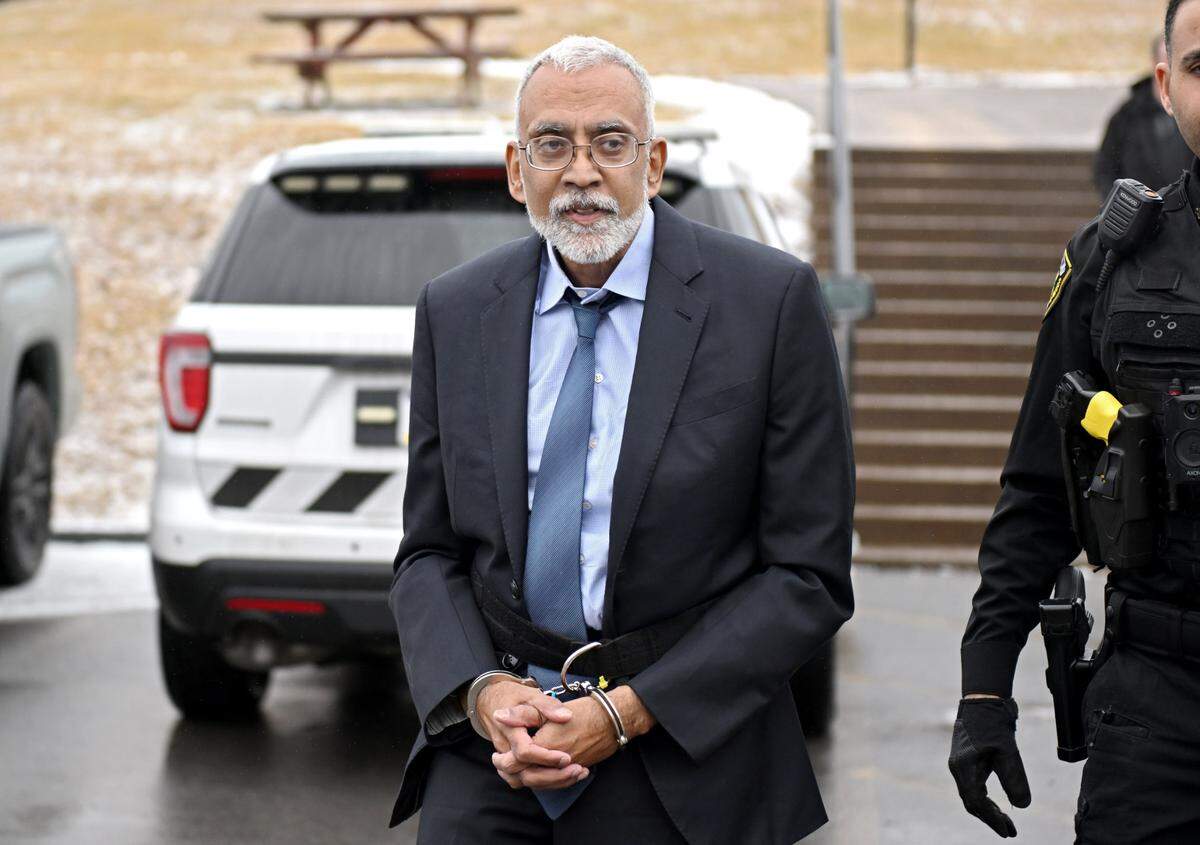
Subu Vedam has deportation order vacated. ‘An exceptional situation’
AI-generated summary reviewed by our newsroom.
- Justice Department’s Board of Immigration Appeals vacates deportation order for Subu Vedam
- Ruling restores his permanent residency and as he awaits a new hearing
- Vedam remains detained at Moshannon Valley Processing Center as attorneys seek bond
A State College man who spent more than four decades in prison before his murder conviction was overturned has scored another major legal victory in his fight for freedom.
The Justice Department’s Board of Immigration Appeals ruled last week to vacate a 37-year-old deportation order against Subramanyam “Subu” Vedam, who was exonerated in October and then seized by Immigration and Customs Enforcement as he was on the brink of his release from state prison.
“Given the facts and circumstances in this particular case, we conclude that the record before us presents an exceptional situation,” wrote Temporary Appellate Immigration Judge Paul A. McCloskey.
The ruling restored Vedam’s permanent U.S. residency and paves the way for a new hearing, effectively blocking ICE’s efforts to deport him. It is not yet known where his reopened deportation case will be heard.
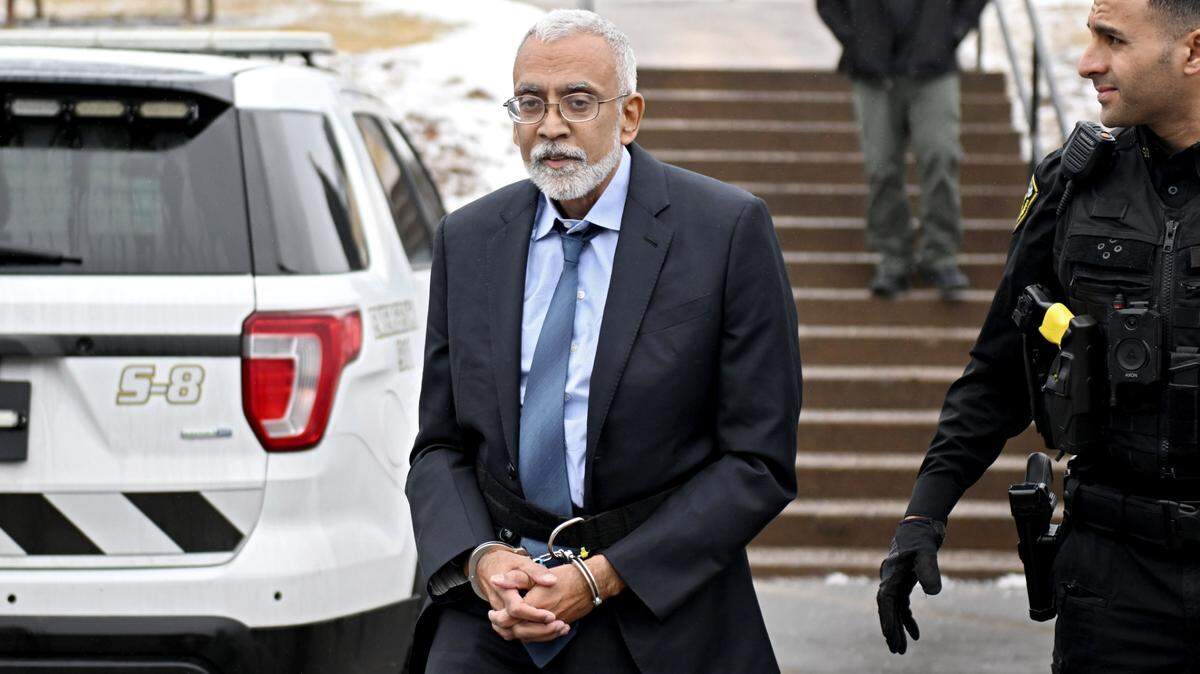
A family spokesperson told the Centre Daily Times that Vedam’s attorneys plan to seek his release from detention on bond. He remains detained at the Moshannon Valley Processing Center just outside of Philipsburg.
In contesting the now-vacated deportation order, Vedam’s legal team argued his exoneration combined with his nearly spotless record in prison should entitle him to a new hearing. McCloskey — who was appointed by Attorney General Pam Bondi — agreed.
The Department of Homeland Security opposed the effort, casting it as untimely. An ICE spokesperson also called Vedam a “career criminal” and “convicted controlled substance trafficker.”
He pleaded no contest to drug charges in 1984 — after his first murder conviction — for selling LSD in State College.
Vedam, 64, came to the U.S. legally from India as an infant and was raised in State College, where his late father taught at Penn State. His family was among the first from south India to make their home in Happy Valley and was a pillar of the community, especially among immigrants.
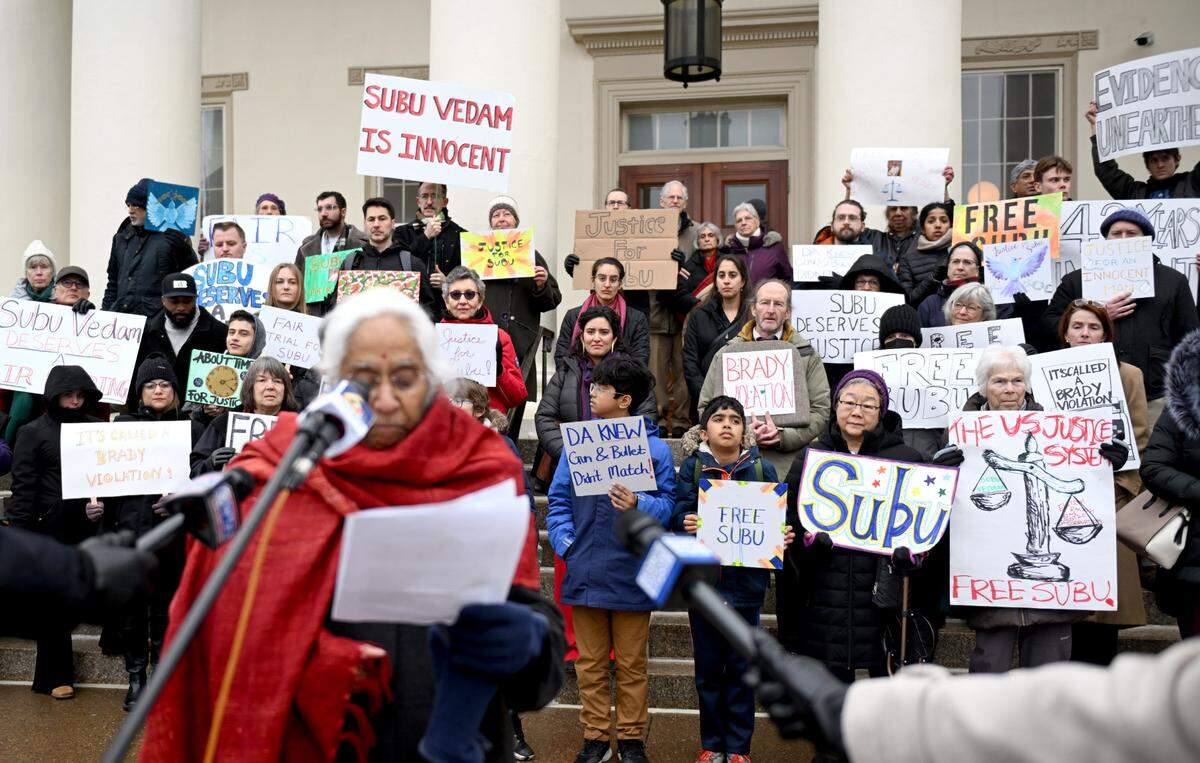
He was serving a life sentence without the possibility of parole after jurors twice convicted him of first-degree murder in the fatal 1980 shooting of Thomas Kinser, a 19-year Boalsburg man whose remains were found in a sinkhole about nine months after he went missing.
At trial in February 1988, Centre County prosecutors alleged Kinser was killed by a .25-caliber pistol Vedam purchased shortly before Kinser’s disappearance. No weapon has ever been recovered, but a .25-caliber bullet was found in Kinser’s remains.
But the circumstantial case collapsed last year after decades-old documents surfaced showing a Centre County prosecutor failed to disclose evidence that could have proved his innocence.
Centre County President Judge Jonathan Grine vacated the conviction in August and county District Attorney Bernie Cantorna said two months later that his office would abandon the case.
A day after Cantorna announced his decision, ICE took Vedam into custody upon his release from Huntingdon state prison. He is the second-longest-serving exoneree in Pennsylvania history and one of the 25 longest-serving exonerees in the U.S., according to The National Registry of Exonerations.