How Centre County feels effects of climate change, and what local leaders are doing about it
READ MORE
Centered on action
Climate change is a global issue with local consequences. The Centre Daily Times looks at the impacts on our communities, and what local leaders and residents are doing to address the issue and focus on sustainability.
Expand All
Centre County residents strike, push and plant to make a difference with global issue
Global carbon emissions dropped with the pandemic, but is it enough to make a difference?
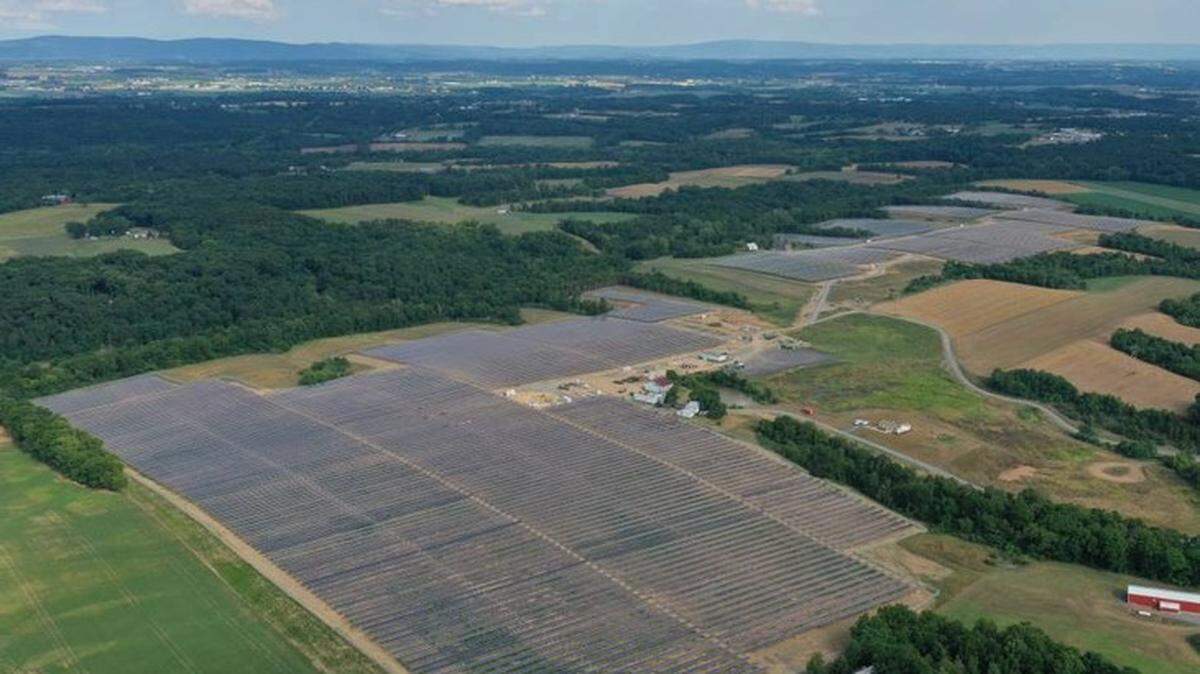
Penn State aims to drastically reduce its greenhouse gas emissions. Here’s how
How Centre County feels effects of climate change, and what local leaders are doing about it
Though not as visible as wildfires and hurricanes, experts say Centre County has felt the impact of climate change; taxpayers have paid the price.
From droughts and increased rainfall to warm winters and fall springs, the county has been experiencing weather fluctuations for years. Experts say the consequences come in the form of damage from flash floods, agricultural challenges and muted fall foliage. To address the global issue, Centre County municipalities are stepping up to the challenge by taking local action.
In 2020, State College reported its hottest summer on record and the summer of 2018 brought unprecedented weather fluctuations that were demonstrated across the entire northern hemisphere. As heat waves, drought and wildfires engulfed California, the eastern part of the United States experienced the flip side.
“There is quite a bit of evidence now that climate change played a role,” Penn State climate scientist Michael Mann said. “We wouldn’t have seen these unusually persistent extreme weather events, if not for the warming of the planet that we’ve caused.”
How has climate change affected Centre County?
Centre County reported its wettest summer on record in 2018 and left damage from increased rainfall and warm temperatures, Mann said.
After the State College Area School District discovered mold in Corl Street and Radio Park Elementary schools and inside Mount Nittany Middle School, the district almost delayed the first day of classes and spent more than $500,000 for cleanup and repairs.
“We paid quite a bit of taxpayer money to clean up that mold and mildew that had built up,” Mann said. “And when you hear that story, you might not think about climate change, but climate change played a role there, so it’s impacting us — sometimes in ways that we don’t fully appreciate.”
Fluctuations — “weather whiplash” — have become more frequent, Mann said, and some science suggests climate change favors “more erratic, year-to-year” variations.
“The more erratic the weather, the more problematic it is,” he said. “The more unpredictable weather patterns create real challenges for us and other living things.”
Some scientists predict the COVID-19 pandemic and resulting shutdowns will lead to a 5% decrease in carbon emissions. But to avoid “catastrophic warming of the planet,” there needs to be structural change, a large-scale shift to renewable energy, Mann said.
“Locally, as a community, there are lots of things that we can do to move us along in the right direction,” he said.
And local efforts feed into larger statewide efforts, Mann said, like the Regional Greenhouse Gas Initiative.
The RGGI is an initiative of 10 New England and Mid-Atlantic states to decrease emissions while generating economic growth. By joining, Pennsylvania would commit itself to reducing climate pollution and greenhouse gas emissions by a massive 188 million tons by 2030.
“It’s all related,” he said. “What we do locally here feeds into our effort as a state and feeds into these larger regional efforts as well.”
Growing solar energy in Centre County
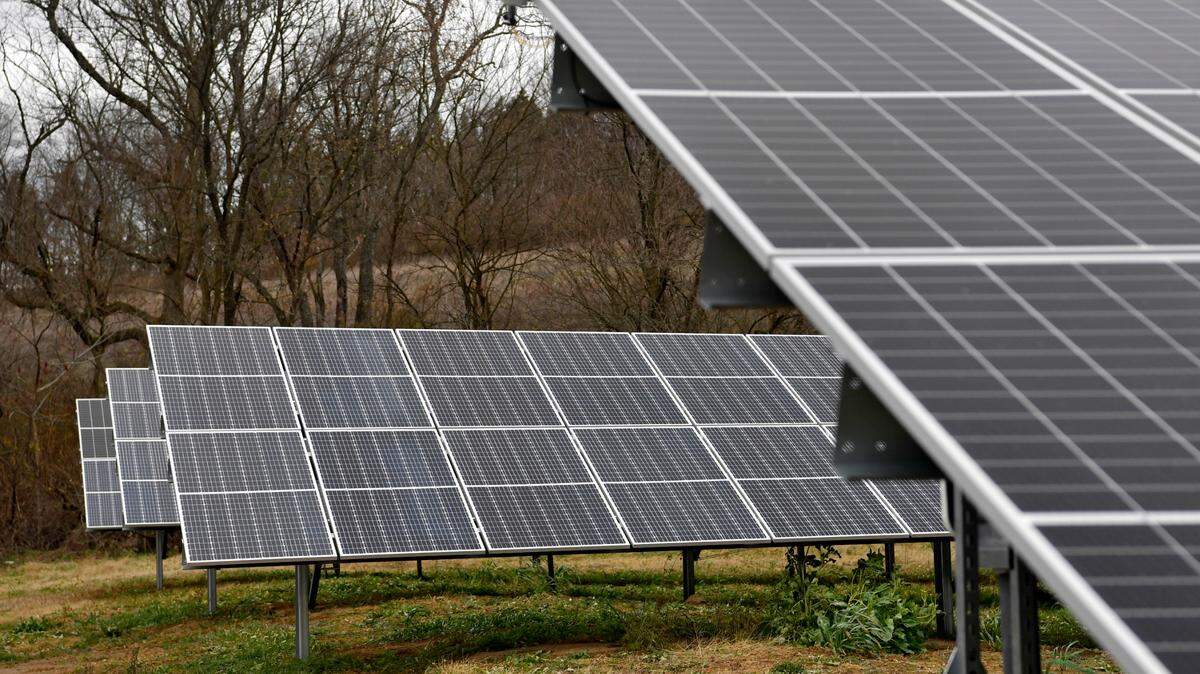
Centre County has seen an uptick in solar projects. Though some have been met with pushback from those skeptical about feasibility, those involved point to savings and environmental benefits.
Last year, the county broke ground on its $1.6 million solar array, located at the correctional facility in Benner Township. Now complete, officials expect the 3,000 panels will save as much as $6 million over 40 years.
In March, a 20-megawatt solar facility, with the ability to power 6,000 homes, was proposed for 230 acres of land in Potter Township. If the project moves forward, it would be Centre County’s largest solar array.
In Penns Valley, Millheim Borough recently joined Burkholder’s Country Market and Penns Valley Veterinary Clinic in the renewable energy market. The borough was spending about $32,000 a year on electric bills and thought investing in solar could help save money.
Upon entering into a power purchase agreement last year, the borough approved a $100,000 prepayment toward a 28-year contract. Under the PPA, an investor builds the array and is responsible for operations and maintenance. Millheim has more control over the system and can generate a profit by selling energy credits to outside entities.
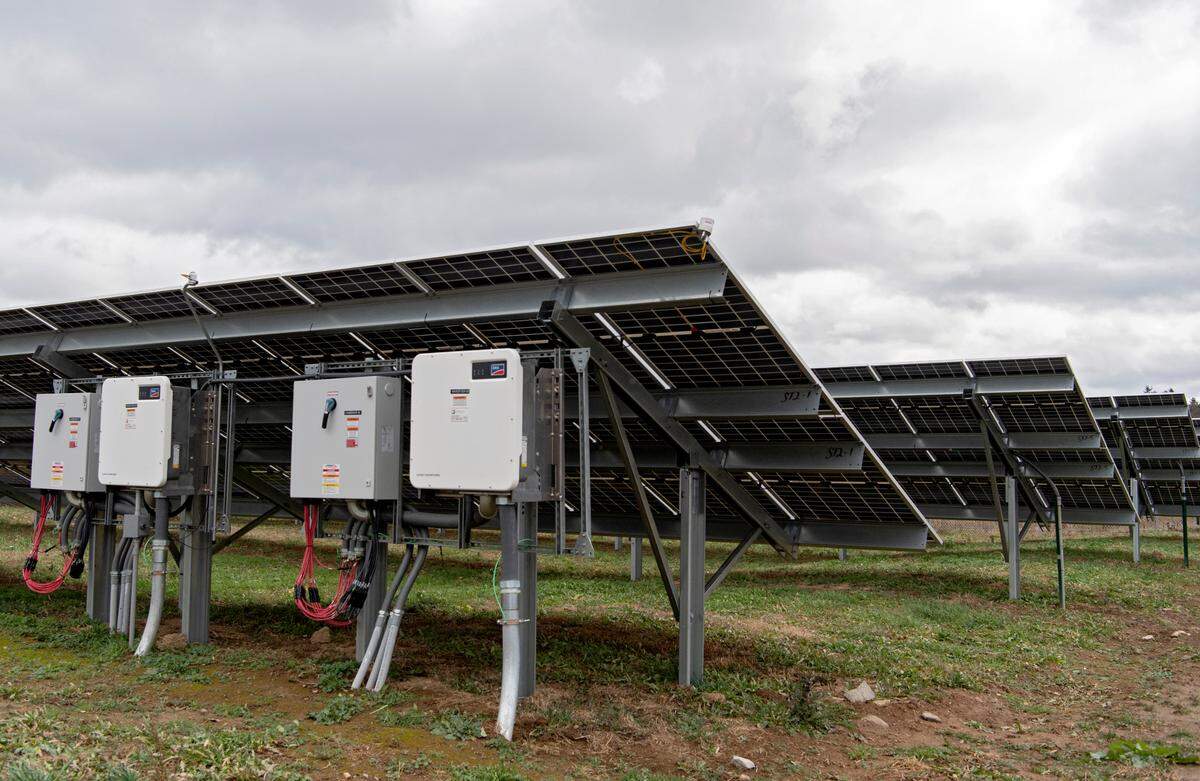
Construction on the $550,000 project was completed earlier this year by SRE.
Savings are underway, Borough Council President Robert Zeigler said.
“As a municipality that’s small, we like to save as much money as possible because I hate the concept of raising taxes,” he said, estimating the array will save between $5,000 to $10,000 per year.
During the preliminary planning phase, one resident asked Zeigler, “What happens if the sun goes out?”
Knowing the question was phrased as a joke but understanding concerns about limited sunshine in Pennsylvania, Zeigler explained that on a cloudy day, the the panels will operate at about 70% efficiency.
“If it wasn’t worth doing, we wouldn’t do it,” he said. “I am all about going green, but you have to do it with fiscal responsibility when you’re using taxpayer money.”
How are municipalities promoting sustainability?
In additional to solar investments, climate change and sustainability goals are increasingly reflected in local policies, resolutions and projects.
In July, the Centre Region Council of Governments adopted a climate resolution, committing itself to a “pragmatic, fiscally responsible” strategy to decrease greenhouse gas emissions by 80% in 2050. The resolution identifies four actions that aim to increase energy efficiency and protect the region from climate vulnerabilities.
State College Borough and Ferguson and Harris townships have also passed similar resolutions committing to develop strategies to achieve net-zero greenhouse gas emissions.
Bellefonte Borough, which has experienced the repercussions of flooding, has worked to protect and invest in sustainable infrastructure, including installing electric vehicle charging stations throughout downtown. Recently, the borough developed a climate action plan with outlined sustainability goals. A task force, whose members will guide the plan, will be formed in 2021.
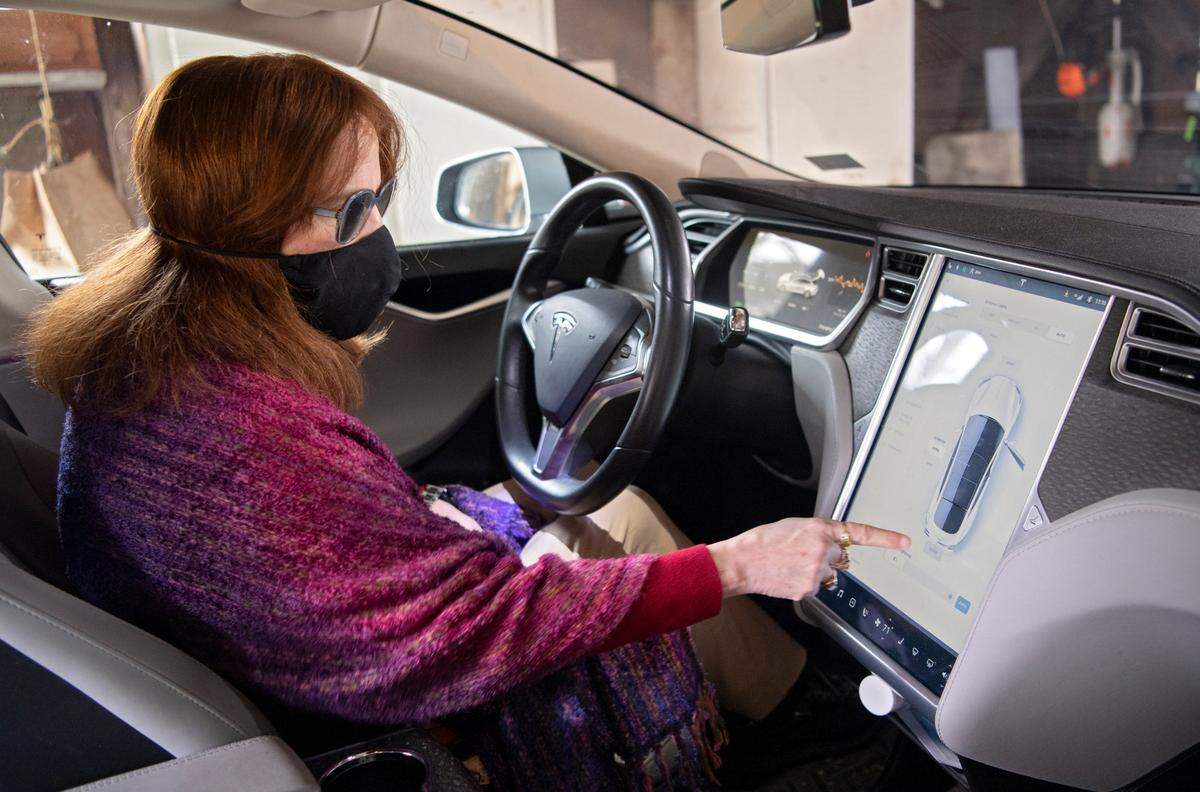
“From a human standpoint, if we can create a more sustainable environment, we can help people in general. It also helps keep the planet greener and cleaner,” Borough Council President Joanne Tosti-Vasey said.
Tosti-Vasey, who drives a Tesla and has the first house in Bellefonte with solar, said the borough wants to lead by example while listening to community input before implementing ideas.
“It’s possible. You’re going to have pushback no matter what the issue is,” Tosti-Vasey said. “You need to listen and understand where people are coming from, try to figure out ways to incorporate their ideas and tweak as needed. But if LA can do it, we can to it.”
Lilly Riddle contributed to this report.
This story was originally published December 20, 2020 at 7:00 AM.