Penn State’s CFP game is impacting Happy Valley hotel room prices. Is future relief in sight?
READ MORE
College Football Playoff
Penn State has clinched a spot in the College Football Playoff for the first time since its inception in 2014. Find all of our coverage here as the Nittany Lions look for a path to a potential national title.
Expand All
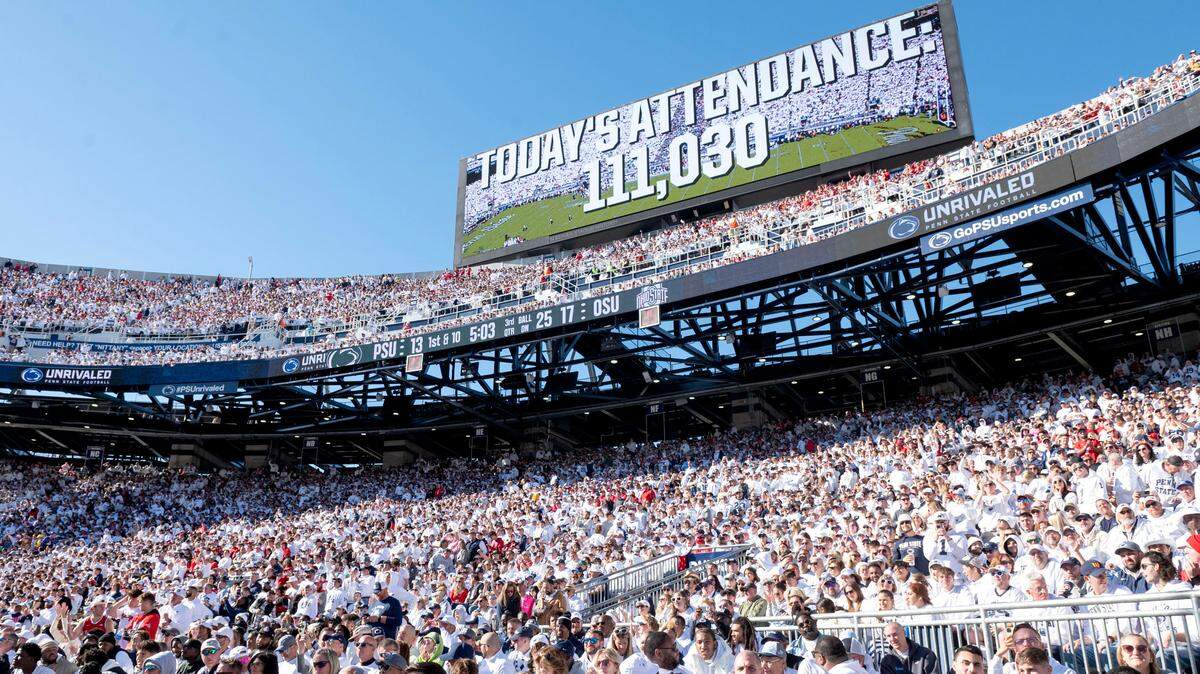
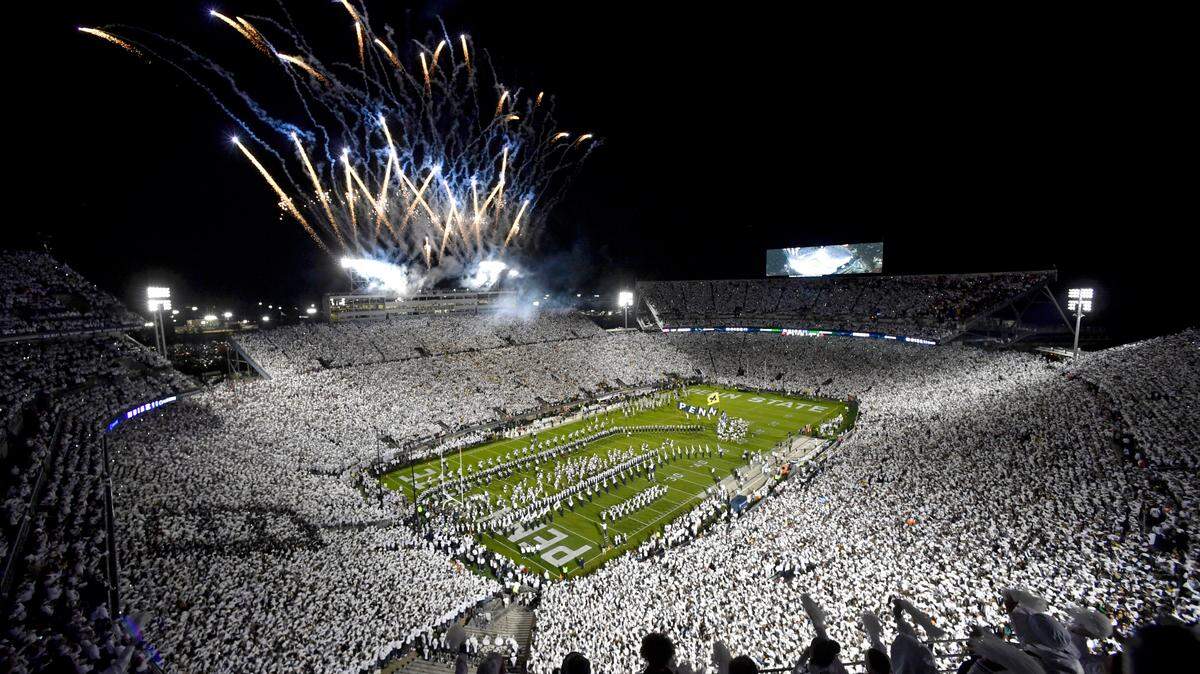
Penn State fans have largely grown accustomed to the sticker shock of Happy Valley hotels on football weekends — but rates for Saturday’s College Football Playoff game have caused more groans than usual.
Based on data gathered over the course of the last two weeks, hotel rates in and around State College rose as much as 1,000% when comparing this weekend with last weekend. A typical room at SpringHill Suites State College sold for $131 per night last weekend and, at its peak, was going for more than $1,500 per night this weekend.
Fans who tried to book shortly after Penn State punched its ticket to the CFP found nightly hotel rates more than quintupled. Even on Thursday, when prices had relaxed as the playoff game drew closer with unsold tickets, a typical room this weekend still cost more than $630/night, according to Booking.com — a stark contrast compared to Columbus’ $185/night for Ohio State’s playoff game, as reported by The Columbus Dispatch.
One doesn’t need an economics degree to understand that’s simple supply and demand, considering the rural and isolated nature of State College. Work is being done now to narrow that gap but, even with seven additional hotels planning to open by 2030, experts said big fans with smaller wallets shouldn’t hold their collective breath for a future discount.
Supply and demand
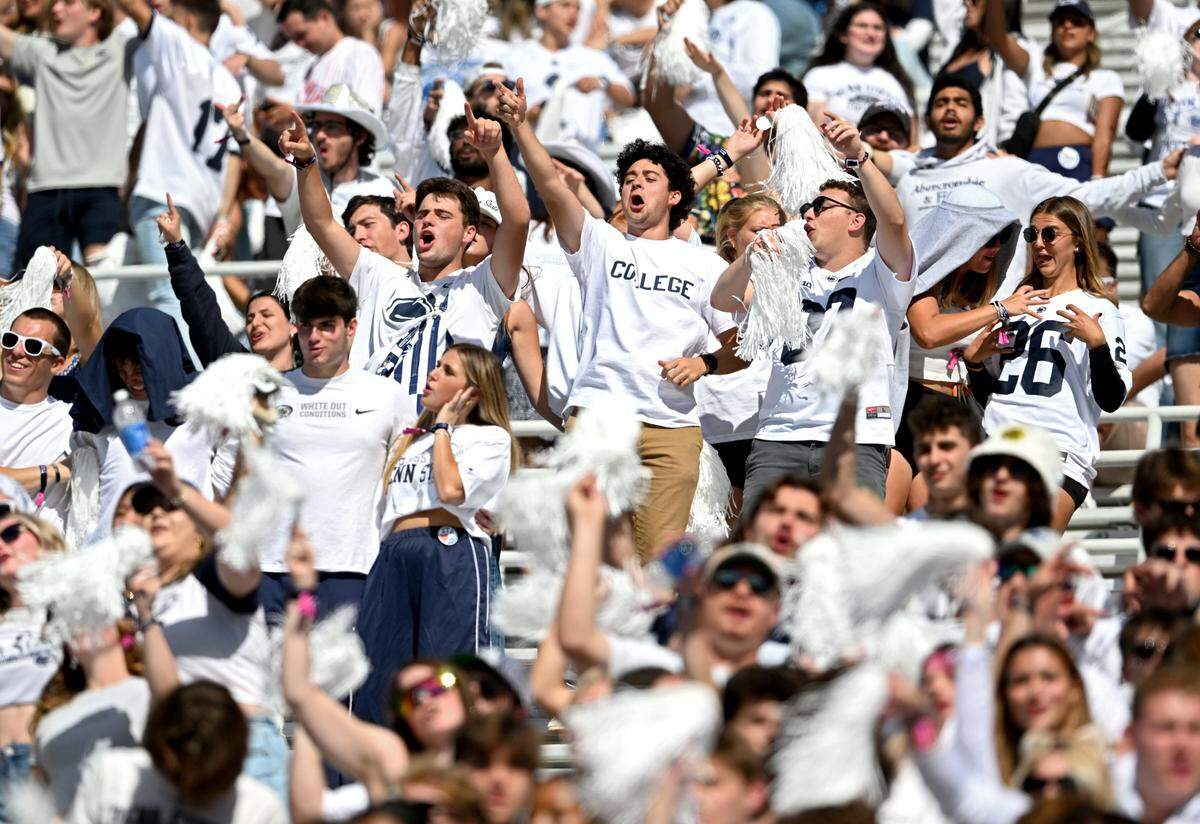
At the heart of every debate about State College’s hotel rates on football weekends is just how few hotel rooms are within Centre County.
The county boasts about 2,600 hotel rooms — which sometimes doesn’t even satisfy 25% of the demand, an official involved with the local tourism bureau told the CDT earlier this year. That does not compare favorably to Penn State’s peers. Columbus, home to Ohio State, has about 29,000 hotel rooms. St. Joseph County, which houses Notre Dame, has at least 5,000 hotel rooms — and the stadium holds a capacity crowd of fewer than 80,000.
All that is to say, because Penn State has a larger stadium and fewer hotel rooms, prices are bound to be higher. Add on to that the fact that Penn State’s fall commencement is also scheduled for this Sunday, and experts emphasized these kinds of prices aren’t unusual.
“It’s very common for hotel rates to rise like this when there’s a lot of demand and a limited amount of supply,” said John Breyault, who serves as the vice president for public policy, telecommunications and fraud for the National Consumers League, an organization that advocates for fair marketplace practices.
Breyault highlighted the widespread practice of State College hotels requiring two-night minimums as potentially problematic, but he didn’t see issues directly related to the rates. When asked about hotels requiring two-night stays, a spokesman for Pennsylvania’s Bureau of Consumer Protection told the CDT: “We would not have any input on the two-night minimum.”
When it comes to those hotel rates, an associate Penn State professor of hospitality management cautioned that it would be misleading to label them as price increases. According to Breffni Noone, who’s taught at PSU for about 20 years, hotels generally set a “price spectrum” for the year. Slow weekends, like during student breaks, are typically lower on the spectrum while busy weekends — like this one — are at the top.
Hotels around Penn State follow the same industry-standard algorithm as hotels elsewhere, she said. They’ll take the following into account and then the algorithm will spit back a number: capacity, projected demand, market demand, price sensitivity of demand, competitor’s price and market positioning.
“Revenue management has been around since the 1970s,” Noone added. “It was first applied in the airline industry, and it has since been applied in hotels, restaurants, spas, golf courses, casinos, theaters and football stadiums. The list goes on. ... They all have a fixed capacity so, at the drop of a hat, we can’t add more supply when demand increases.”
So when hotels within Centre County sold about 60% of their rooms before Penn State was set to host a playoff game, rates were poised to remain high — because so much of that supply was already exhausted due to commencement.

Future changes?
Fritz Smith, president of Happy Valley Adventure Bureau, a local tourism nonprofit, expects at least 200 more hotel rooms to be added to the county inventory by this time next year.
According to Smith, at least seven new hotels have either started construction in Centre County or are preparing to break ground next year. At least two should open by 2025 on Benner Pike, in Avid Hotels/Candlewood Suites and Tru by Hilton.
By 2030, Smith estimates Centre County would have at least 750 additional rooms from seven new hotels. But, because there’s such a wide gulf between supply and demand, it’s doubtful those extra hotels would lead to lower room rates when demand is highest.
“I don’t know that it would knock rates down a whole lot during football season,” Smith acknowledged. “But keep in mind there’s this sort of prevailing notion that rates are always high or sold out for all football games, and that’s not really the truth anymore. Particularly in the later season games (like Maryland on Nov. 30), the hotels did not sell out for that.”
Noone said it was exceedingly difficult to measure how added supply might specifically impact rates here. Generally, she said, economics dictates that as supply goes up and there’s less surplus demand, prices go down. But variables such as alternative accommodations — i.e. Airbnb, Vrbo — and the economy itself will also factor in.
Regardless, she did not anticipate substantial discounts with the addition of several hundred hotel rooms — at least not when it came to the games in highest demand.
“Prices aren’t going to change if the supply is still low, demand is still high and people are willing to pay the price,” she said.

This story was originally published December 20, 2024 at 10:08 AM.



.JPG)