How Philipsburg’s Rowland Theatre is letting history be its guide through the pandemic
READ MORE
Business Matters: Path to COVID Recovery
From restaurants to hotels, gyms to theaters, no business has been immune to the effects of the COVID-19 pandemic. What unites many in Centre County, however, is the resiliency shown in the face of tremendous challenges including shutdowns, fewer customers and financial struggles. Business Matters: Path to COVID Recovery highlights the ways businesses across the county have adapted to pandemic challenges, and what lessons they’ll take into the post-pandemic world.
Expand All
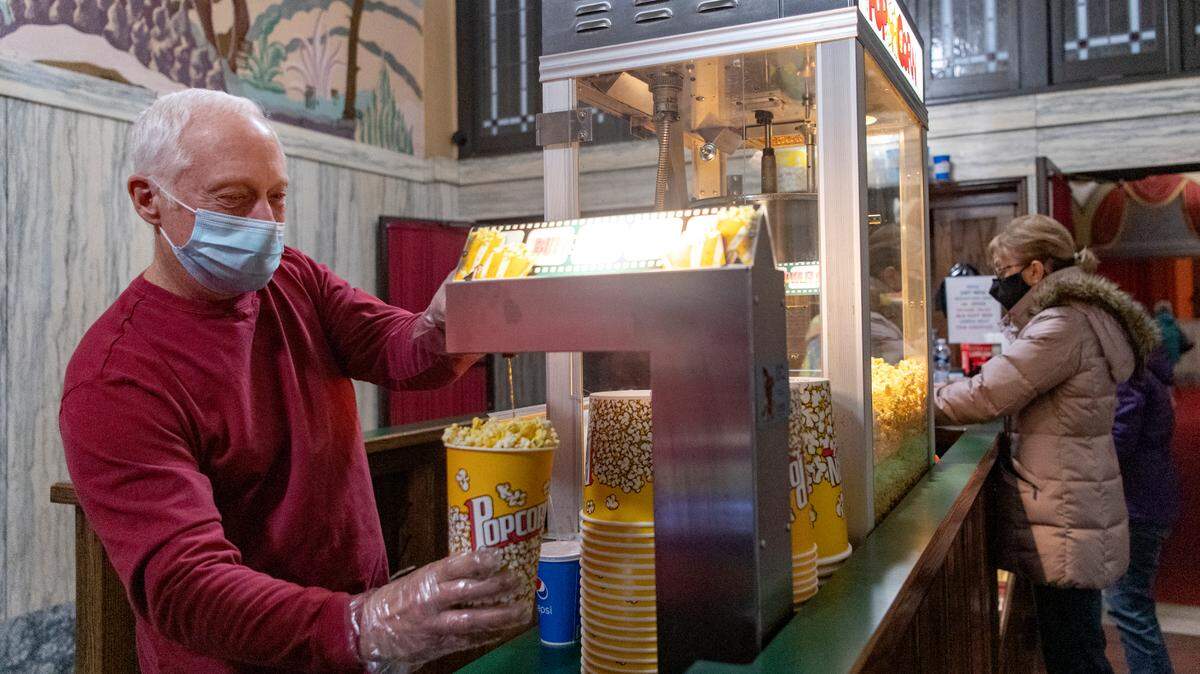
The coronavirus forced Philipsburg’s Rowland Theatre to shut down back in March, and since then, offerings have been limited and attendance spotty. But this isn’t the first time the historic venue has weathered a global health crisis.
Built in 1917, the theater also closed for about five weeks during the 1918 Spanish flu pandemic. Rebecca Inlow, who is on the theater’s board of directors, said she took some solace in knowing there was precedent for its closure.
“I remember when it started, I was comparing it. I was like, ‘Oh, we’re not there yet,’ ” Inlow said. “We were doing a countdown on our digital sign outside. ... But we hit the point where we evened up with the 1918 Spanish flu pandemic, and I just remember thinking, ‘Wow, so we’ve now been closed as long as that.’ And then we just kept going.”
The theater — run by Rowland Theatre Inc., a group of volunteers who meet monthly to operate the small business and 501(c)(3) nonprofit — was in the middle of showing Disney and Pixar’s “Onward,” before the virus forced them to close on March 17.
Rowland reopened June 5, offering showings on Fridays and Saturdays. While the theater continues to follow COVID-19 protocols, Inlow said ticket sales haven’t yet jumped back to where they were pre-pandemic.
Over the course of 2020, Inlow said expenses have exceeded revenue, both because of a decline in attendance and the cancellation of live concerts and events, of which the theater would normally hold three or four a year.
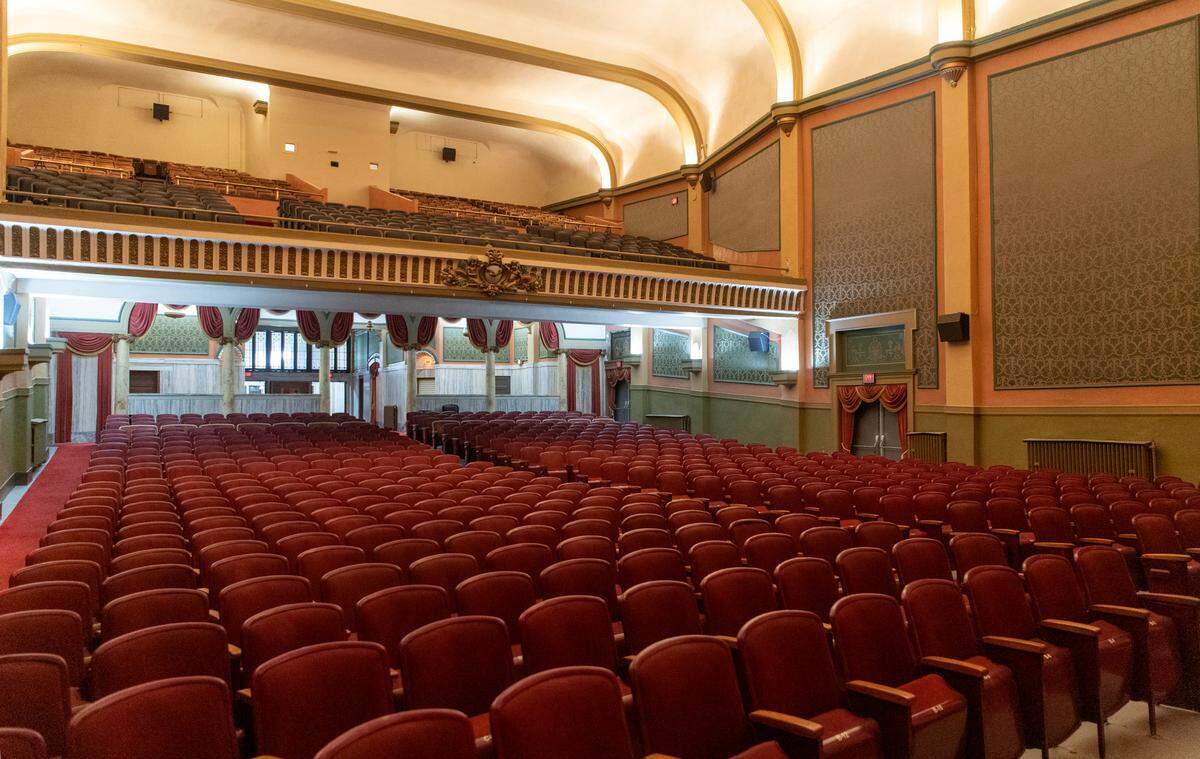
Rowland Inc. had also been in the process of replacing 700 of the theater’s main level and lower balcony seats — so far, only 200 in the lower balcony have been installed, and fundraising for the rest is underway. The upper balcony’s original wooden seats will not be replaced for historical reasons.
The reseating project started before COVID-19, Inlow said, so “the timing could not have been worse.”
“By summer, maybe we’ll be back on (a) path to where we can finally look at possibly reopening back to where we were,” Inlow said. “But at this point, we can’t plan anything because it’s just so uncertain.”
On top of that, many studios — most notably Warner Bros. and Disney — have opted to stream their films on services like HBO Max and Disney Plus, incentivizing moviegoers to watch anticipated releases from home instead.
Despite the theater being “in survival mode,” however, Inlow has hope that what drew people to the theater in the first place will help it outlast COVID-19.
“You can’t beat the experience of attending a movie here, and so our strong point is (that) we’re not like a multiplex ... it’s an experience, just attending a movie here,” Inlow said. “And the people that visit, they usually come back. So we’re hoping that people will still choose to enjoy a movie in a movie theater once things do get back.”
Christine Wilson, another member of the theater’s board, also believes the building will persevere.
“It’s just an awesome building full of original marble, and light fixtures, and dressing rooms,” Wilson said. “I think people in a small community value the theater even though they might be watching movies at home.”
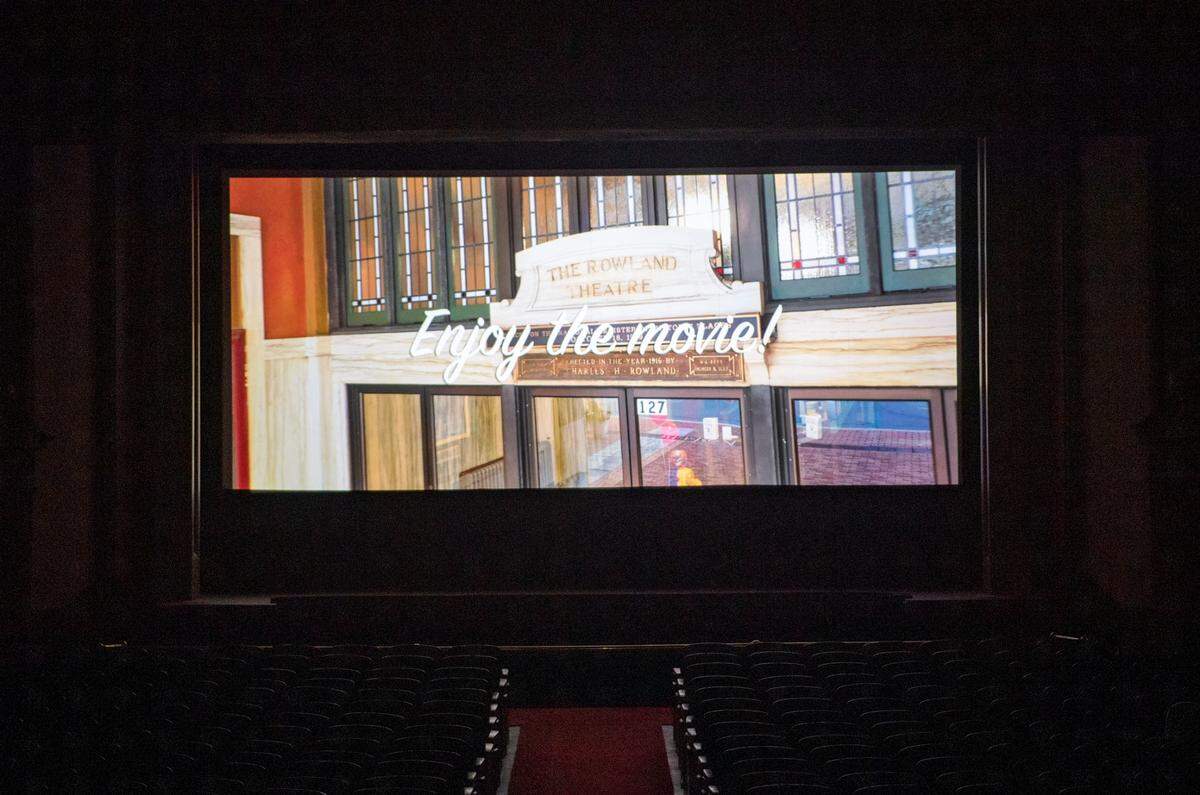
The venue, a relic of the past that continues to adjust to the present, also holds a special place in Wilson’s heart because her husband’s great-great-grandfather, Charles Rowland, was the Philipsburg resident and U.S. congressman who had the theater built.
“It’s sentimental for us, and another reason I’m happy to volunteer my time,” Wilson said. “I want it to be there for my kids, and my grandkids, and future generations.”
This story was originally published February 13, 2021 at 7:00 AM.