Penn’s Cave took a big hit in 2020. Why it could be ‘perfectly positioned’ to bounce back faster
READ MORE
Business Matters: Path to COVID Recovery
From restaurants to hotels, gyms to theaters, no business has been immune to the effects of the COVID-19 pandemic. What unites many in Centre County, however, is the resiliency shown in the face of tremendous challenges including shutdowns, fewer customers and financial struggles. Business Matters: Path to COVID Recovery highlights the ways businesses across the county have adapted to pandemic challenges, and what lessons they’ll take into the post-pandemic world.
Expand All
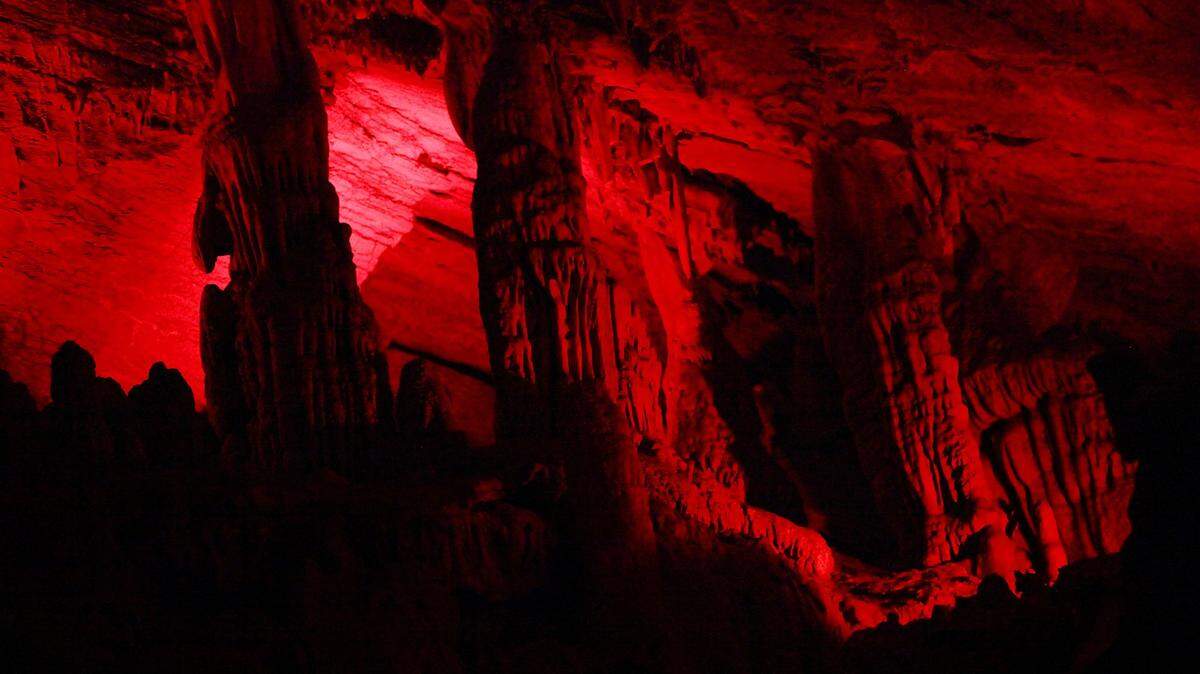
Penn’s Cave & Wildlife Park, with its North American menagerie and guided motorboat tours, is typically a hot spot for elementary and middle school field trips.
The Penns Valley cave was forced to close last year right before the height of field trip season, which marketing director Terri Schleiden said is around mid-April. The shutdown meant 102 scheduled class field trips never happened — and the park faced a significant loss in revenue.
Schleiden said the pandemic’s impacts are still being felt, both by park employees and students who didn’t get the chance to learn “The Legend of Penn’s Cave.”
“We have seen more home-school groups, smaller groups and some private schools that have booked, but overall, I don’t believe that within the next month or two there’s going to be a surge,” Schleiden said. “It’s so unfortunate, because oftentimes those field trips are designated for a specific grade level ... so they’re going to miss out on that opportunity.”
But some teachers have found creative ways to re-create the Penn’s Cave field trip experience in a socially distanced way.
One activity the park offers is called “gemstone panning” and involves purchasing a bag of sand with gemstones, arrowheads or fossils, which students can then unearth in a large water trough called a sluice.
Schleiden said one teacher bought over 100 bags of the gemstone collection so that her students could collect and identify the stones. She and her family even built a temporary sluice in the playground area of the school.
“I was so impressed by that,” Schleiden said. “And then as a result, there were a couple other schools that heard about what she was doing, and they said, ‘You know what, that’s a great idea, we’re going to do the same. We’re going to do a whole lesson on geology and identifying these rocks.’ ”
After the original shutdown in March, the cave reopened in May, adjusting boat capacity and installing shields in retail areas. The park was completely closed for the season in January but reopened Feb. 6 — on Saturdays and Sundays — while the nature and wildlife attractions will reopen in April.
Visitors contacted the park early to make sure it would be open for Valentine’s Day weekend, and some public schools have called to tentatively reserve field trips, which Schleiden said gives her hope that things will look more normal this spring.
“We’re a very cohesive team here,” Schleiden said. “We all took this very seriously, and we also wanted to protect each other, as well as our families ... everybody was extremely cooperative and considerate and also took the safety of our visitors very seriously too.”
Penn’s Cave is the only all-water cavern and wildlife park in the country. It usually brings quite a bit of traffic to the Centre County region, according to Fritz Smith, the president and CEO of the Happy Valley Adventure Bureau.
Smith said that since the cave is the “No. 1 visited attraction” in the county, “you could probably guess that 7, 8% of (Centre County traveling) revenue dropped” in the second quarter as a result of them being closed.
“It was pretty devastating for the county as a whole,” Smith said. “And then, of course, the effect of people visiting Penn’s Cave is not just in Centre County. I mean, some people stay in campgrounds or hotels in Lycoming County, or Columbia or Montour or Juniata County, so the impact really goes beyond Centre County.”
Ultimately, however, Fritz said recreational areas like Penn’s Cave are “perfectly positioned” to serve those wanting to visit spaces perceived as safer from the virus. Instead of hopping on planes and going to Disney World, he said, people will want to visit outdoor, natural or historic sites.
“I think this is the kind of place that’s going to appeal to people, rather than crowded cities or a crowded amusement park,” Smith said. “So I’m optimistic — I’m negative about what’s happening right now, but long-term optimistic.”