The Nature Inn made guest changes during COVID. Some of those will continue post-pandemic
READ MORE
Business Matters: Path to COVID Recovery
From restaurants to hotels, gyms to theaters, no business has been immune to the effects of the COVID-19 pandemic. What unites many in Centre County, however, is the resiliency shown in the face of tremendous challenges including shutdowns, fewer customers and financial struggles. Business Matters: Path to COVID Recovery highlights the ways businesses across the county have adapted to pandemic challenges, and what lessons they’ll take into the post-pandemic world.
Expand All
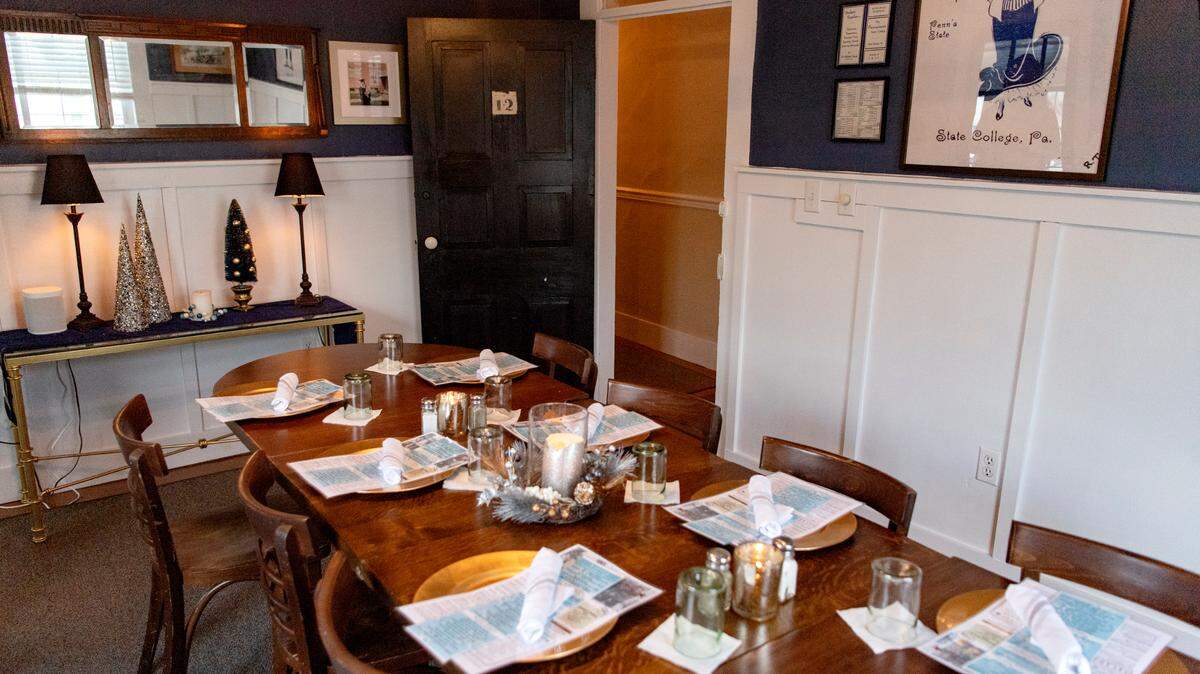
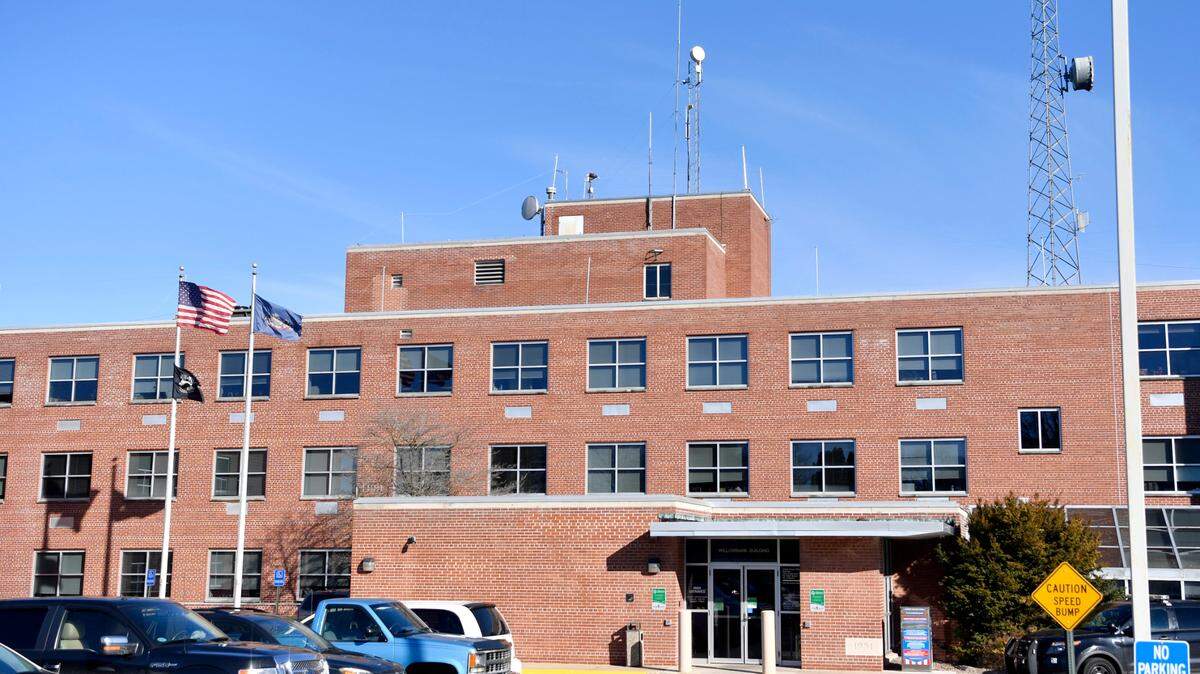
Tucked away in Howard, The Nature Inn at Bald Eagle has found new ways to accommodate guests throughout the coronavirus pandemic, according to innkeeper Charlie Brooks.
In late March, like many other businesses, the lakeside inn — located at 201 Warbler Way in Bald Eagle State Park — was mandated to close until mid-May, leaving the doors shut for roughly six weeks.
“It became apparent during that time that when we were able to reopen we were going to have to be very creative in order to stay viable,” Brooks said.
Brooks, who has been the innkeeper for 10 years, said the pandemic forced him to devise an altered operation plan — something he said wouldn’t have been possible without the help of his “dedicated” staff.
“I made sure that I went out and sought that first round of (Paycheck Protection Program) funding so that even though we were closed, I did not have to lay off my employees and have them go through the process of trying to qualify themselves for unemployment,” Brooks said.
One of the inn’s main financial driving forces is hosting events, such as weddings and meetings — all of which aren’t feasible given the gathering limits due to the pandemic. Therefore, his employees had to figure out what else they could offer to make guests’ experience safe.
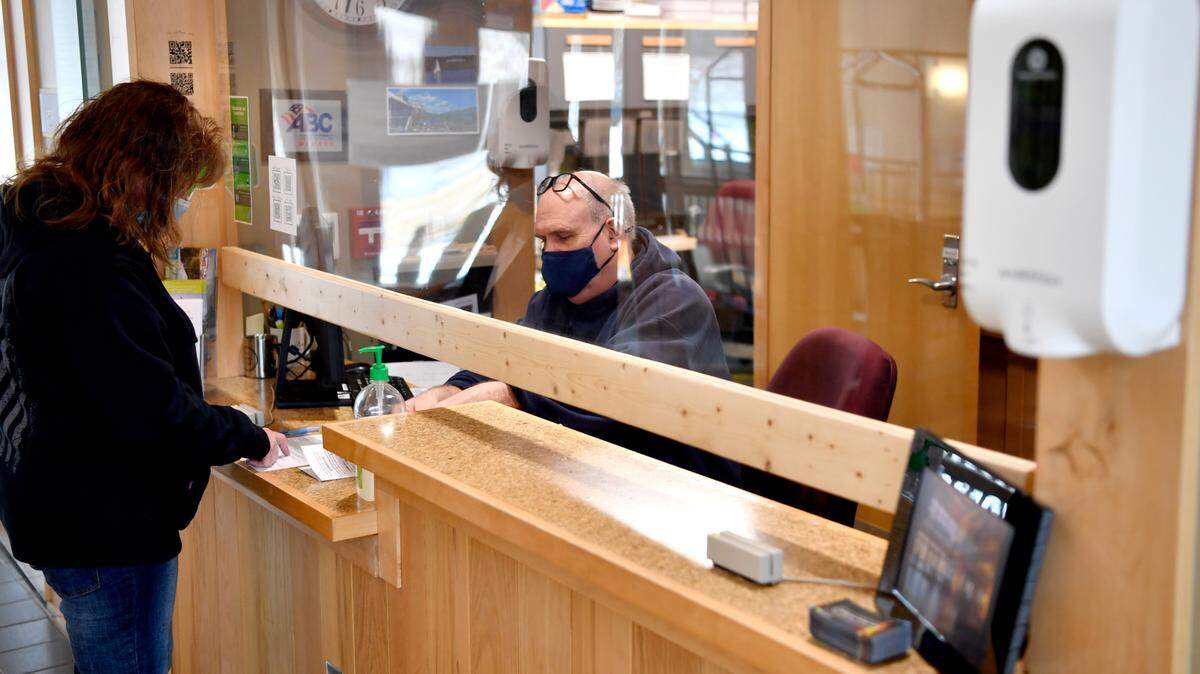
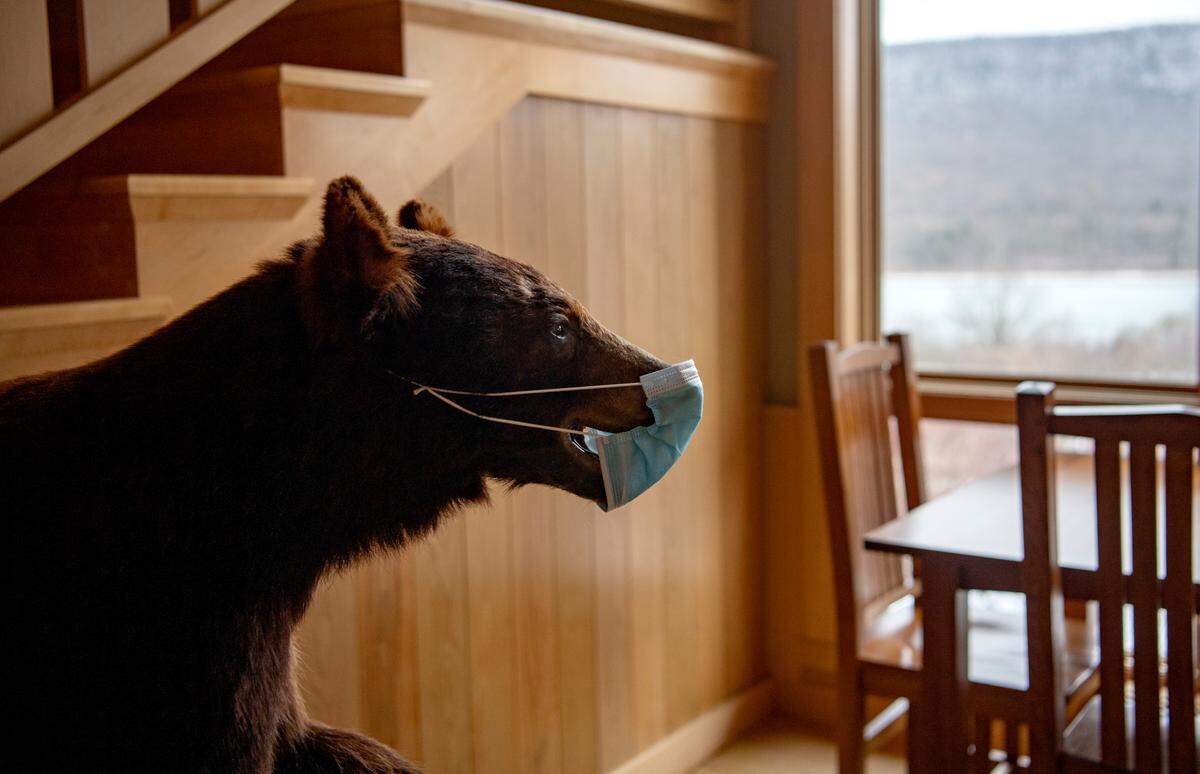
The inn’s plan included a strict mask policy inside the building that Brooks said his employees are great at enforcing, as well as updated cleaning procedures. He said the inn’s website was also updated with information about their changes to let potential guests know they would be safe.
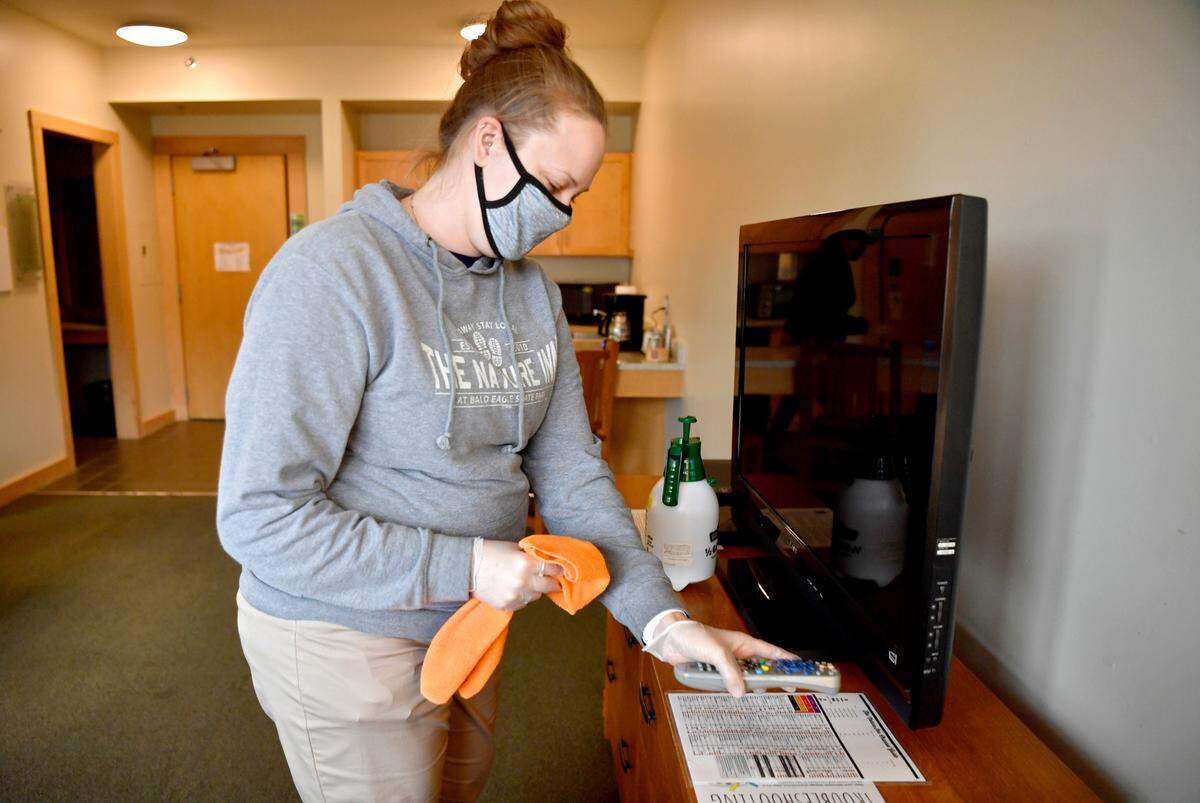
Emily Scordato, a housekeeper at the inn, said although the pandemic has limited the service she can provide guests, like switching out towels and changing their bed sheets, the inn created a service menu of sorts to let guests choose which services they want.
“It’s way different and just a completely different approach to how we do things,” Scordato said. “Something that was a part of your job has completely shifted.”
Scordato added that she and the other housekeepers heavily disinfect every surface, which they’ll continue to do after the pandemic ends.
“It doesn’t sound like a lot, but when you’re going through and doing each room — we really do take the time to wipe everything down with disinfectant and just try to give the cleanest, most safe space for our guests,” Scordato said.
Sharon Bitner manages the inn’s front desk and said she constantly checks guidance updates from the Centers for Disease Control and Prevention to ensure the inn is doing the right things.
“Once you get (the new procedures) incorporated in your daily routine it’s really second nature then,” Bitner said. “I honestly think that it would be pretty easy to (keep) a lot of these (cleaning procedures) even after it ends.”
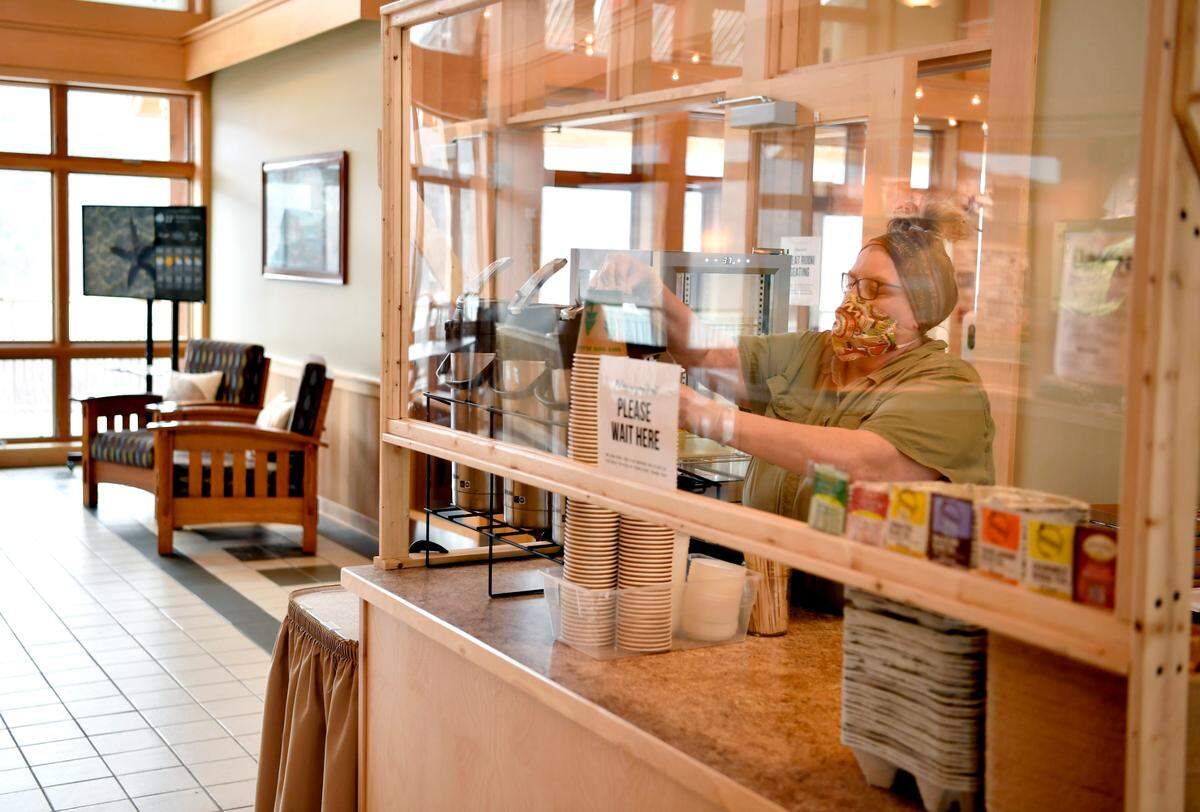
Fortunately for the inn, Brooks said state parks have generally seen an uptick in business during the pandemic because travelers want open spaces after being cooped up at home.
This has allowed local businesses to continue to receive support, which Scordato said is “so important.”
“It’s everything to support local businesses because you are providing support to the people who work there who then in turn go and feed back into the community,” Scordato said. “When small businesses are successful everything else around them flourishes.”
Despite the pandemic, Brooks said the inn matched its previous occupancy rates from July to November — something he attributes to the inn’s communication, employees’ dedication and guests’ appreciation.
In terms of dining, Brooks “retooled” the inn’s offerings. During summer, guests could purchase “grill kits,” which were similar to a prepackaged meal service like HelloFresh, because local restaurants were closed, or were only offering takeout. Now, in winter, the inn offers hot takeout meals, like soup.
Even when restaurants began to reopen for dine-in service, Brooks said his guests “overwhelmingly” continued to purchase the inn’s takeout options.
“We were proactive about replacing one segment of our lost business and it’s worked out pretty well for us,” Brooks said. “And it’s met a need and a customer expectation.”
Moving forward, Brooks said the inn will continue to serve takeout meals post-pandemic because of the great customer response. He’s working on a few ideas like including a street corn recipe and Penn State Berkey Creamery ice cream.
Brooks said it will be challenging to keep up with the takeout food option once guests are again able to host big events because of the inn’s small kitchen size.
“It’s a good problem to have to solve, and I’m sure we’ll solve it,” Brooks said.
Still, Brooks said there will always be guests who prefer to dine at a local restaurant, and the inn’s website includes a section for local attractions, which Brooks said has caused some guests to extend their stay to explore the area.
“It helps me because I’m picking up additional room nights, but it’s helping all those local businesses,” Brooks said.
Bitner said supporting local businesses puts money back into the community.
“It’s not the big box stores that are donating to our local Little League kids or the Boy Scouts and things like that,” Bitner said. “We all help each other out a little bit.”
Brooks reiterated that keeping business going during the pandemic wouldn’t have been possible without the dedicated staff.
“They’re not front-line workers like folks in the medical (field), but they are dealing with the public in a way that exposes them potentially more to getting sick,” Brooks said. “They are proud of the work they have done so people who are feeling shut in or just like they didn’t get any vacation can come safely enjoy a state park getaway.”