How the Hublersburg Inn survived the COVID-19 pandemic — and set itself up for future success
READ MORE
Business Matters: Path to COVID Recovery
From restaurants to hotels, gyms to theaters, no business has been immune to the effects of the COVID-19 pandemic. What unites many in Centre County, however, is the resiliency shown in the face of tremendous challenges including shutdowns, fewer customers and financial struggles. Business Matters: Path to COVID Recovery highlights the ways businesses across the county have adapted to pandemic challenges, and what lessons they’ll take into the post-pandemic world.
Expand All
Andi Heidt, owner of the Hublersburg Inn, wasn’t sure what was going to happen to her business.
Last March, as the COVID-19 pandemic raged through the U.S., few business owners did. Heidt’s eyes welled up with tears when reflecting back on that early uncertainty and the questions she couldn’t escape: Would her restaurant survive? What about her 30 employees? What about their families?
“That was was the hardest thing,” Heidt said, before dabbing her eyes on a recent afternoon. “Like, my business feeds other people’s kids, you know? That was my biggest panic, early on.”
But thanks to a mixture of grants and loans, smart business decisions focused on the future and a loyal customer base, the building constructed 34 years before the start of the Civil War — at 449 Hublersburg Road — has shown no signs of shutting down. Although revenue is understandably down and the pandemic has not yet been beat, Heidt isn’t full of fear anymore.
She’s hopeful.
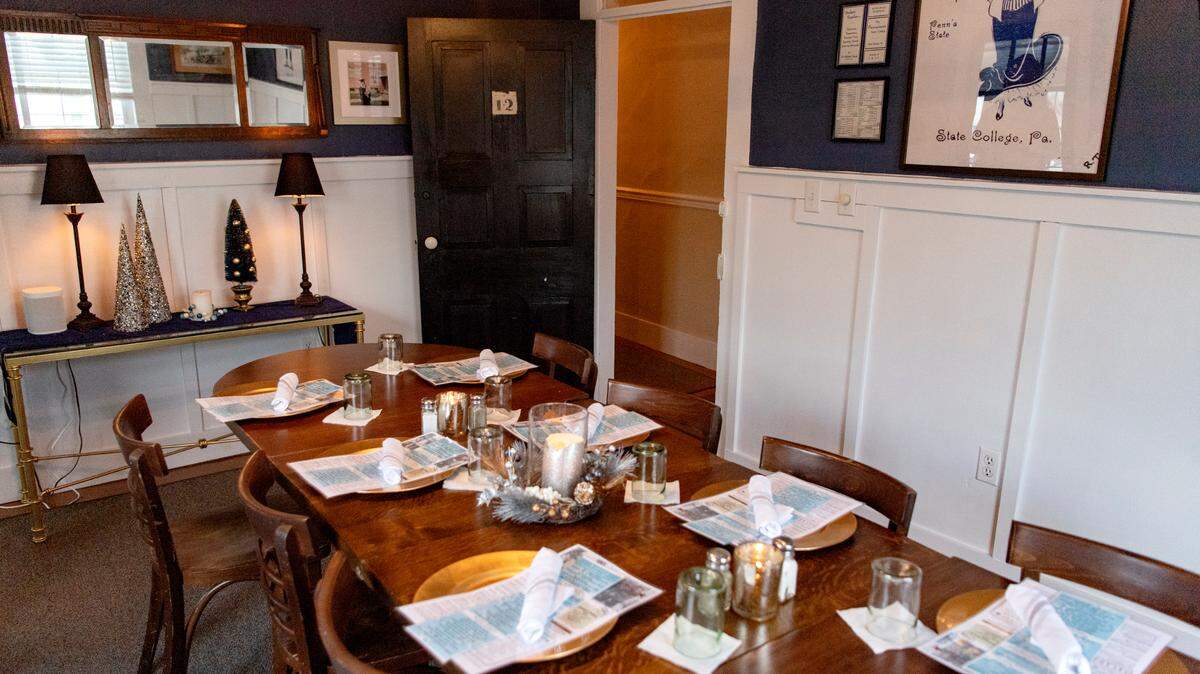
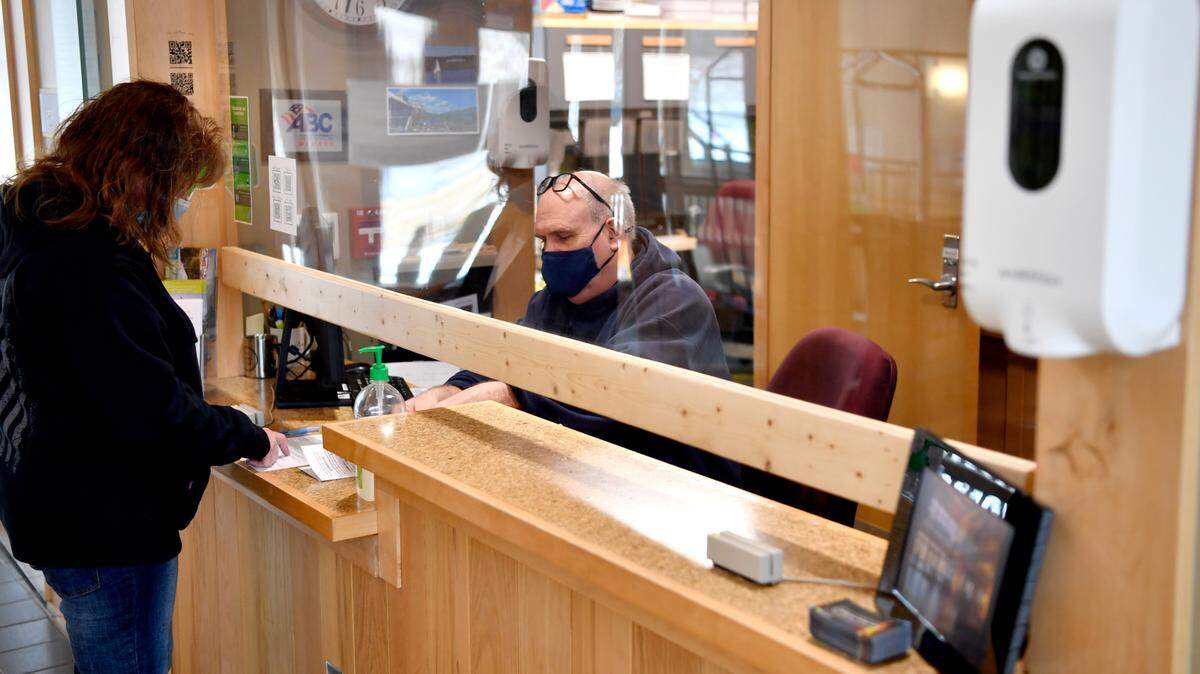
Instead of investing in plexiglass dividers at the bar, something that wouldn’t have been utilized past the pandemic, she enlarged her outdoor dining space and later installed heaters. (There are currently no seats at the bar.) She also subscribed to part of a new system that allowed for online ordering, implemented private dining spaces upstairs — and she’s now in the early planning stages for an extension to the restaurant, one where the kitchen would be enlarged and the bar moved, possibly in 2022.
“Oh, I’m really positive about the future, to be honest with you,” Heidt added. “We’ve had such a good reaction so far with what we’ve been able to do limitedly.”
The pandemic has forced business owners to adapt, get creative and be proactive. To fail at one of those, Heidt intimated, was to fail her business — and, by extension, her employees. But she exceeded those standards by following an important rule of thumb: If it’s going to help the customer during the pandemic, and can still be used after the pandemic’s end, then figure out a way to do it.
That was just a lot easier said than done in the beginning, even for a locals’ hot spot known for its fresh sandwiches, crisp wings (and spicy garlic ranch sauce) and seasonal/classical entrees.
“The hardest part was that initial transition,” bartender Bette Toth agreed. “But all those little things that used to be ‘annoying,’ it’s just part of — I hate to use the phrase ‘new normal’ — but it’s just part of your day now.”
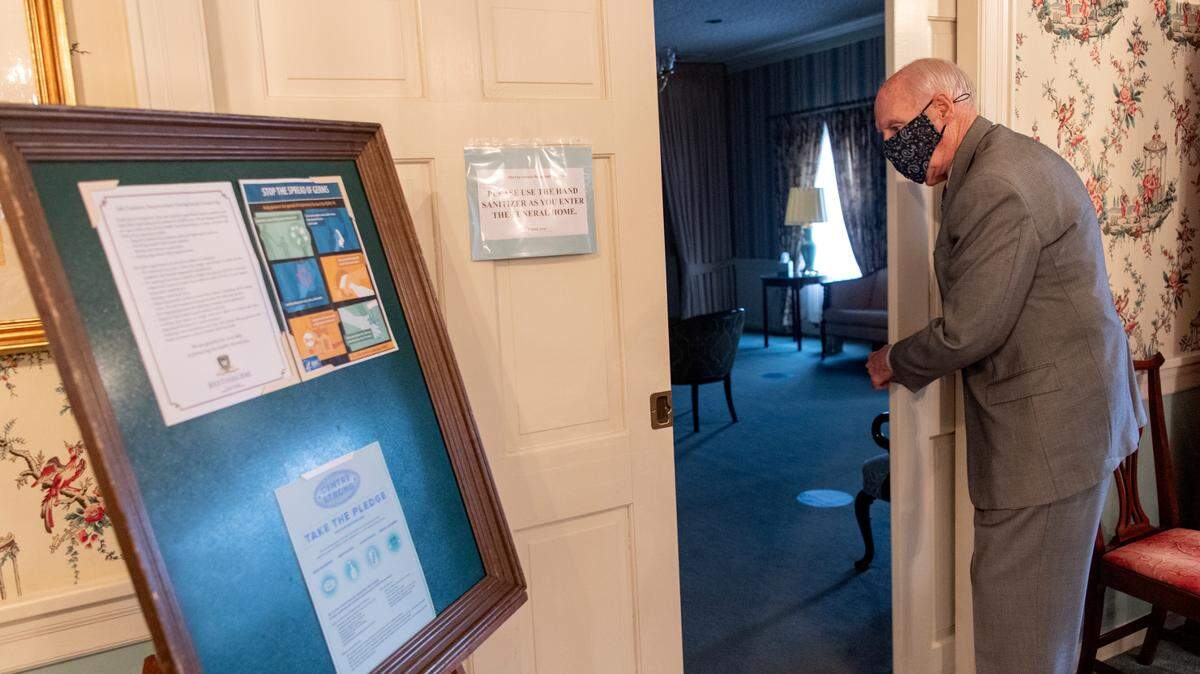
Once capacity was limited by the commonwealth, Toth and Co. removed tables and reorganized the main dining room. When dining in was temporarily eliminated, they offered curbside pickup. When masks were required, they ordered supplies from one of their distributors — their monthly bill tripled — and charged dine-in customers $1 to offset the costs. When alcohol was allowed for takeout, they taped the lids to meet guidelines.
With daily challenges came daily solutions — some easy and some hard. But even Heidt acknowledged she couldn’t have solved them all on her own. After early news of the pandemic, she immediately took out a $10,000 loan from the bank for anticipated expenses.
As COVID-19 droned on, and sales at one point were about 25% of the normal total, Heidt knew she needed another infusion of cash. Had it not been for the federal Paycheck Protection Program, Heidt likely would’ve faced the prospect of refinancing her house or maybe even cutting her losses and calling it quits.
But she was able to take advantage of that program, hiring back everyone who wanted to return. The problem? Business was down in the spring; there was little for her employees to do. The solution? Her employees worked on expanding the outdoor dining area, performing landscape work ahead of what turned into a booming summer.
“If it wasn’t for that,” Heidt said, referring to the PPP, “I don’t know where we would’ve been. .... But, now, I think we’re positioned well. I’m good. I don’t want to steal Joe Biden’s ‘Build back better’ thing, but that’s kind of my thought process.”
She was later given a $10,000 grant by the county for COVID-19 expenses. And she used another recent $2,500 grant from a female business group to help renovate those private dining rooms upstairs, in place of unused bedrooms.
Heidt doesn’t know what the future holds. But she and her employees have taken everything the pandemic has thrown at them so far, turning lemons into lemon-flavored cocktails. With customers embracing the changes, and with vaccinations underway, there’s finally cause to be positive.
Sunday brunch returned last month. (One local recommended the fried chicken eggs Benedict.) More than two dozen bottled beers remain available, not including what’s on tap. And weekly specials, like half-priced “Wednesday Wings,” are all still staples.
The Hublersburg Inn, a 20-minute drive from Penn State, first operated as a tavern in 1827. With any luck, pandemic or not, customers will now be able to enjoy another 194 years.